
Prediabetes affects 1 in 3 adults in the US, but it can often be reversed with lifestyle changes, especially diet adjustments, making a structured meal plan essential for the prevention of type 2 diabetes.
Managing prediabetes can feel overwhelming, but it’s important to know that small, consistent steps in your diet can make a big difference. Prediabetes is a condition where blood sugar levels are higher than normal but not yet high enough to be diagnosed as diabetes. The good news is that with the right changes, it’s often possible to reverse prediabetes and prevent type 2 diabetes.
One of the most effective strategies to manage prediabetes is adopting a meal plan tailored to stabilize blood sugar. A structured 7-day meal plan can take the guesswork out of what to eat, ensuring every meal works toward maintaining balanced blood sugar levels. This plan focuses on nutrient-rich, easy-to-prepare recipes that can help you feel full and satisfied while keeping your blood sugar in check.
What Foods Should You Eat If You Have Prediabetes?
When managing prediabetes, choosing the right foods is crucial. Certain ingredients can help stabilize blood sugar, reduce insulin resistance, and energize you throughout the day. This section provides a clear guide to what to prioritize and what to limit in your meals.
Foods to Focus On
The best foods for prediabetes are nutrient-dense and have a low glycemic index (GI), meaning they don’t cause sharp spikes in blood sugar levels. Here’s what to include:
- High-fiber vegetables: Vegetables like broccoli, spinach, kale, and peppers are low in calories and carbohydrates while rich in fiber. Fiber slows the absorption of sugar into the bloodstream, helping to prevent blood sugar spikes. For example, one study found that increasing dietary fiber by 10 grams daily can lower blood sugar levels significantly over time.
- Lean proteins: Foods such as chicken breast, turkey, fish, eggs, tofu, and legumes are excellent lean protein sources. Protein helps keep you fuller for longer and slows the absorption of carbohydrates, preventing sudden spikes in blood sugar.
- Healthy fats: Unsaturated fats from sources like avocados, nuts, seeds, and olive oil are beneficial. These fats improve heart health and help regulate blood sugar levels by slowing digestion.
- Low-GI carbohydrates: Foods like quinoa, sweet potatoes, and whole grains release sugar slowly into the bloodstream, making them ideal for managing prediabetes. Low-GI diets have been shown to reduce insulin resistance and lower fasting blood sugar.
- Fruits with low sugar: Berries, apples, and pears are high in fiber and low in sugar compared to tropical fruits like mangoes or bananas.
Foods to Limit or Avoid
Some foods can make it harder to control blood sugar. Limit these as much as possible:
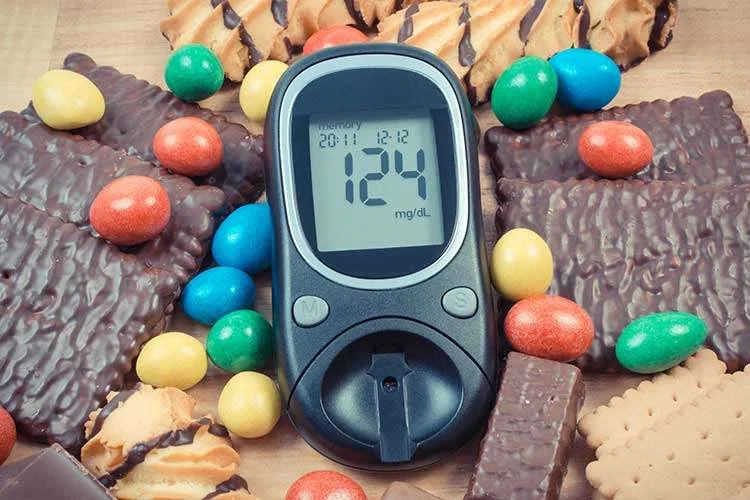
- Sugary beverages and snacks: Drinks like soda, fruit juices, candies, and pastries cause rapid spikes in blood sugar. They lack essential nutrients and are often high in empty calories.
- Refined grains: White bread, pasta, and rice are stripped of fiber and nutrients, leading to quicker sugar absorption. Replacing these with whole-grain options can make a significant difference.
- Processed and high-fat foods: Processed snacks, fried foods, and high-saturated-fat items can increase insulin resistance and lead to weight gain, which worsens prediabetes symptoms.
How to Build a Balanced Plate
A practical way to create balanced meals is by adapting the MyPlate guidelines issued by the U.S. Department of Agriculture, as modified by the American Diabetes Association (ADA). These recommendations provide a helpful structure for meals, especially when dining out. Here’s how you can build your plate according to these guidelines:
-
- 50% of your plate should include nonstarchy vegetables.
- 25% of your plate should contain healthy carbohydrates.
- 25% of your plate should focus on lean protein.
How to Plan Your 7-Day Prediabetes-Friendly Meal Plan

Meal planning is the foundation of a healthy diet for prediabetes. You can avoid unhealthy food choices during busy moments by preparing meals in advance and sticking to a plan. Here are some essential tips:
- Portion control: Keep carbohydrate portions moderate and pair them with protein or healthy fats. For example, instead of a large plate of pasta, have a smaller portion with grilled chicken and a side of roasted vegetables.
- Meal timing: Eating at consistent times every day helps regulate your blood sugar. Aim for three balanced meals and one or two small snacks spaced evenly throughout the day.
- Prep ahead: Use weekends or free evenings to prepare meals in advance. Chop vegetables, cook grains, or marinate proteins for easy assembly later in the week. Having pre-prepared meals reduces the temptation to grab less healthy options.
- Hydration: Staying hydrated supports overall metabolism and reduces cravings. Opt for water, herbal teas, or other low-sugar beverages to stay on track.
7-Day Meal Plan for Prediabetes
This 7-day meal plan balances nutrients to help stabilize blood sugar, reduce insulin resistance, and keep you satisfied throughout the day. Each meal includes detailed descriptions and highlights the specific benefits of managing prediabetes.
Day 1: Balanced Start
| Day 1 | Meal | Description |
| Breakfast | Avocado toast on whole-grain bread with a boiled egg. | Combines healthy fats, protein, and complex carbs to stabilize blood sugar and provide sustained energy. |
| Lunch | Grilled chicken salad with mixed greens, cucumbers, cherry tomatoes, olive oil, and lemon dressing. | Provides lean protein and fiber-rich vegetables to prevent post-meal blood sugar spikes. |
| Dinner | Baked salmon with a side of quinoa and steamed broccoli. | Offers omega-3s for heart health and fiber to regulate sugar release. |
| Snack | Greek yogurt with chia seeds. | Probiotics improve gut health, and protein curbs cravings. |
Day 2: Protein-Packed
| Day 2 | Meal | Description |
| Breakfast | Scrambled eggs with spinach and whole-grain toast. | Rich in protein and iron for steady energy and blood sugar control. |
| Lunch | Lentil soup with a side of fresh vegetable sticks. | High in fiber and plant-based protein for satiety and sugar management. |
| Dinner | Grilled turkey burger on lettuce wraps with roasted sweet potato wedges. | Low-carb meal with slow-digesting sweet potatoes to avoid sugar spikes. |
| Snack | A handful of almonds and a small apple. | Combines healthy fats, fiber, and natural sweetness to stabilize blood sugar. |
Day 3: Mediterranean Focus
| Day 3 | Meal | Description |
| Breakfast | Greek yogurt parfait with berries, flaxseeds, and a drizzle of honey. | Berries provide antioxidants, while flaxseeds add healthy fats to slow sugar absorption. |
| Lunch | Quinoa and chickpea salad with mixed greens, cucumbers, and tahini dressing. | Plant-based protein and fiber-rich salad for steady glucose response. |
| Dinner | Grilled chicken breast with a side of roasted zucchini and eggplant. | Lean protein and antioxidant-rich vegetables support metabolic health. |
| Snack | Hummus with cucumber and carrot sticks. | Nutrient-dense snack with fiber and healthy fats to curb hunger. |
Day 4: Heart-Healthy Focus
| Day 4 | Meal | Description |
| Breakfast | Steel-cut oatmeal topped with walnuts and sliced strawberries. | Slow-digesting oatmeal stabilizes blood sugar; walnuts add omega-3s, and strawberries provide antioxidants. |
| Lunch | Grilled salmon with a side of brown rice and steamed green beans. | Balanced meal with heart-healthy fats, fiber, and protein for steady energy. |
| Dinner | Stir-fried tofu with mixed vegetables (bell peppers, broccoli, snap peas) in low-sodium soy sauce. | Low-carb and high-fiber meal with antioxidants to improve insulin sensitivity. |
| Snack | A handful of mixed nuts. | Healthy fats and protein stabilize blood sugar between meals. |
Day 5: Low-Carb Focus
| Day 5 | Meal | Description |
| Breakfast | Vegetable omelet (spinach, mushrooms, and peppers) with a side of avocado slices. | Low-carb, high-protein breakfast that prevents mid-morning cravings. |
| Lunch | Grilled shrimp salad with arugula, avocado, and a lemon vinaigrette. | Combines lean protein and nutrient-dense greens for blood sugar control. |
| Dinner | Baked cod with a side of roasted cauliflower and asparagus. | Lean protein and low-carb roasted vegetables for a balanced dinner. |
| Snack | Celery sticks with almond butter. | Fiber and healthy fats for slow digestion and prolonged energy. |
Day 6: Comfort Foods, Redefined
| Day 6 | Meal | Description |
| Breakfast | Chia pudding made with unsweetened almond milk and topped with fresh blueberries. | Rich in fiber and omega-3s; blueberries add natural sweetness without spiking blood sugar. |
| Lunch | Turkey and avocado lettuce wraps with a side of cherry tomatoes. | Low-carb alternative to sandwiches, ideal for keeping carbohydrates in check. |
| Dinner | Grilled chicken fajitas with sautéed bell peppers and onions on whole-grain tortillas. | Includes lean protein and whole-grain tortillas for sustained energy and stable glucose levels. |
| Snack | A boiled egg and a handful of baby carrots. | Protein-packed snack that stabilizes energy and curbs hunger. |
Day 7: Refreshing and Satisfying
| Day 7 | Meal | Description |
| Breakfast | Smoothie with unsweetened almond milk, frozen spinach, half a banana, and protein powder. | Nutrient-dense and refreshing, with protein and fiber to support a stable start to the day. |
| Lunch | Grilled salmon with a side of farro and sautéed spinach. | Farro is a low-GI whole grain, and spinach adds fiber and iron for blood sugar control. |
| Dinner | Herb-roasted chicken thighs with mashed cauliflower and steamed green beans. | Low-carb, fiber-rich dinner with healthy fats for stable glucose levels. |
| Snack | Low-fat cottage cheese with a handful of fresh raspberries. | Combines protein and low-GI fruit for a satisfying, blood sugar-friendly snack. |
Easy Recipes for Prediabetes
Preparing meals for prediabetes doesn’t have to be complicated or time-consuming. Below are three simple yet delicious recipes tailored to support stable blood sugar levels, each packed with nutrients that help manage prediabetes effectively.
Recipe 1: Baked Salmon with Lemon and Garlic
Salmon is rich in omega-3 fatty acids, which reduce inflammation and improve insulin sensitivity. Garlic and lemon enhance flavor without adding calories or sugar.
Ingredients:
-
- 4 salmon fillets
- 2 lemons (one for juice, one for slices)
- 2 garlic cloves, minced
- 2 tbsp olive oil
- 1 tsp dried dill (optional)
- Salt and pepper to taste
Instructions:
-
- Preheat the oven to 375°F (190°C).
- Place salmon fillets on a baking sheet lined with parchment paper.
- Drizzle olive oil and lemon juice over the fillets.
- Sprinkle minced garlic, dill, salt, and pepper on top.
- Lay lemon slices on each fillet for added flavor.
- Bake for 12-15 minutes or until the salmon is fully cooked and flakes easily with a fork.
Recipe 2: Lentil and Vegetable Soup

Lentils are a powerhouse of fiber and protein, which help slow sugar absorption into the bloodstream. This hearty soup is filling and perfect for a balanced meal.
Ingredients:
-
- 1 cup dried lentils, rinsed
- 2 carrots, diced
- 2 celery stalks, diced
- 1 onion, chopped
- 2 garlic cloves, minced
- 6 cups low-sodium vegetable broth
- 1 tsp cumin
- 1 tsp smoked paprika
- 2 tbsp olive oil
- Salt and pepper to taste
Instructions:
-
- Heat olive oil in a large pot over medium heat.
- Sauté onion, carrots, celery, and garlic until softened (about 5 minutes).
- Add lentils, vegetable broth, cumin, and paprika. Stir well.
- Bring to a boil, then reduce heat and simmer for 30-40 minutes or until the lentils are tender.
- Season with salt and pepper to taste before serving.
Recipe 3: Low-Sugar Berry Smoothie

This smoothie is rich in antioxidants from berries, protein from the powder, and omega-3 fatty acids from chia seeds. The combination helps balance blood sugar while providing a refreshing, nutrient-dense treat.
Ingredients:
-
- 1 cup unsweetened almond milk
- ½ cup frozen mixed berries (blueberries, strawberries, raspberries)
- 1 handful spinach (optional for added nutrients)
- 1 tbsp chia seeds
- 1 scoop vanilla protein powder (low-sugar option)
Instructions:
-
- Combine all ingredients in a blender.
- Blend until smooth, adding more almond milk if needed for desired consistency.
- Pour into a glass and enjoy immediately.
Recipe 4: Turkey and Avocado Lettuce Wraps

These wraps are low in carbohydrates, high in protein, and include healthy fats from avocado, making them ideal for blood sugar control.
Ingredients:
-
- 4 large lettuce leaves
- 6 oz cooked turkey breast, sliced
- 1/2 avocado, sliced
- 1/4 cup shredded carrots
- 1 tbsp hummus
Instructions:
-
- Lay the lettuce leaves flat and spread hummus on each.
- Layer with turkey slices, avocado, and shredded carrots.
- Roll the lettuce leaves tightly to form wraps. Secure with toothpicks if needed.
Recipe 5: Chia Pudding with Blueberries

Chia seeds provide omega-3 fatty acids and fiber, while blueberries add antioxidants. This pudding is a satisfying, blood-sugar-friendly snack or breakfast.
Ingredients:
-
- 1/4 cup chia seeds
- 1 cup unsweetened almond milk
- 1/2 tsp vanilla extract
- 1/2 cup fresh or frozen blueberries
Instructions:
-
- In a bowl, mix chia seeds, almond milk, and vanilla extract.
- Stir well and refrigerate for at least 4 hours or overnight.
- Before serving, stir again and top with blueberries.
How to Stay Consistent With Your Meal Plan
Start by setting aside weekly time to plan meals and create a grocery list based on your 7-day plan. Shopping for fresh, whole ingredients and prepping meals in advance can save time and reduce the temptation to choose less healthy options. For example, batch-cooking staples like roasted vegetables, grilled proteins, or quinoa allow you to assemble meals quickly during busy weekdays. Sticking to a regular eating schedule helps regulate blood sugar, so aim to eat meals and snacks at consistent times daily.
It’s also helpful to keep healthy snacks, like nuts or fresh vegetables, readily available to curb hunger. To stay motivated, focus on how these dietary changes improve your energy and help you avoid complications.
Conclusion
Managing prediabetes through a structured 7-day meal plan can be a powerful step toward stabilizing blood sugar levels and preventing type 2 diabetes. Focusing on nutrient-dense foods like lean proteins, high-fiber vegetables, healthy fats, and low-GI carbohydrates can help you enjoy satisfying meals while supporting better glucose control. Consistency, meal preparation, and portion awareness are key to sticking to your plan and achieving long-term success.
Remember, small changes make a big difference. With this plan and the easy recipes, you can create a sustainable routine that balances your blood sugar without compromising on flavor or variety. Start today, and take control of your health one meal at a time.
Frequently Asked Questions
Articles you may also be interested in



Sources
Johns Hopkins Medicine. (n.d.). Prediabetes diet. Retrieved from https://www.hopkinsmedicine.org/health/wellness-and-prevention/prediabetes-diet
American Diabetes Association. (n.d.). Eating healthy. Retrieved, from https://diabetes.org/food-nutrition/eating-healthy
American Diabetes Association. (n.d.). What is the diabetes plate method? Retrieved from https://diabetesfoodhub.org/blog/what-diabetes-plate


