
Long-acting insulin analogs are useful for people with diabetes who need to manage their blood sugar levels throughout the day and night. Two commonly prescribed options are Basaglar and Lantus, which contain insulin glargine. These insulins work by mimicking the body’s natural basal insulin release.
When comparing Basaglar vs. Lantus, several factors determine which is better for you. While both are effective, they differ in cost, delivery methods, and insurance coverage. Lantus is the original insulin glargine, while Basaglar is a follow-on biologic that may require a separate prescription. Explore the similarities and differences between these long-acting insulins and determine which suits you best.
Are Lantus and Basaglar Interchangeable?
Basaglar and Lantus are long-acting insulins containing insulin glargine, a synthetic hormone used to manage blood sugar in people with Type 1 and Type 2 diabetes. They work nearly the same way — releasing insulin slowly throughout the day and night to help control glucose levels. Studies show they have similar clinical effectiveness, meaning most patients experience comparable blood sugar control with either option.
That said, can you interchange Lantus and Basaglar? While their action profiles are nearly identical, they aren’t automatically interchangeable at the pharmacy level because Basaglar is a follow-on biologic, not a true biosimilar under FDA definitions. This means you’ll need a doctor’s prescription to switch between them.
Basaglar vs. Lantus: Similarities and Differences
This table compares the similarities and differences between Basaglar and Lantus.
| Feature | Basaglar | Lantus |
|---|---|---|
| Active Ingredient | Insulin glargine | Insulin glargine |
| Drug Class | Long-acting insulin analog | Long-acting insulin analog (original brand) |
| Approval Status | Follow-on biologic approved by the FDA | Original FDA-approved long-acting insulin glargine |
| Used For | Approved for children aged 6 and older with Type 1 diabetes and adults with Type 2 diabetes | Approved for children aged 6 and older with Type 1 diabetes and adults with Type 2 diabetes |
| Onset of Action | 1.5 – 2 hours | 1.5 – 2 hours |
| Peak Activity | Relatively flat; minimal peak | Relatively flat; minimal peak |
| Duration of Action | Up to 24 hours | Up to 24 hours |
| Dosing Frequency | Once daily, at the same time each day | Once daily, at the same time each day |
| Delivery Devices | KwikPen, Tempo Pen | Vials and SoloStar Pen |
| Side Effects | Hypoglycemia, weight gain, injection site reaction, lipodystrophy | Hypoglycemia, weight gain, injection site reaction, lipodystrophy |
| Manufacturer | Eli Lilly and Company | Sanofi |
| Cost Comparison | Generally less expensive than Lantus | Often more costly as the original brand |
Basaglar is a follow-on biologic to Lantus. While not a generic version, it’s highly similar in structure, safety, and effectiveness. In general, there are no significant differences in how Basaglar and Lantus work or how effective they are.
Doctors often prescribe Basaglar as a more affordable option, but both are considered reliable treatments for managing diabetes.
Mechanism of Action

Basaglar and Lantus work nearly the same way to boost glycemic control in children and adults with diabetes. Their active ingredient — insulin glargine — is a recombinant human insulin analog that mimics the body’s natural and steady insulin release.
Once injected under the skin, insulin glargine forms microcrystals that slowly dissolve over time. This mechanism allows it to control insulin release to regulate blood glucose for up to 24 hours while reducing the risk of sudden blood sugar drops.
Basaglar and Lantus keep fasting blood sugar stable between meals and during sleep. While they differ in branding and approval pathways — Basaglar is a follow-on biologic to Lantus — their mechanism of action is virtually the same, making them interchangeable for many patients under a doctor’s guidance.
Basaglar vs. Lantus Dosage and Administration
Basaglar and Lantus are injected once daily in the abdominal area, thigh, or deltoid to control blood glucose.
Basaglar comes in a U-100 (100 units/mL) concentration and available in the following single-patient-use forms:
-
- 3 mL Basaglar KwikPen
- 3 mL Basaglar Tempo Pen
Some people compare Basaglar Tempo vs. KwikPen. Both are prefilled injection pens that contain insulin glargine, but the Tempo Pen connects to a smartphone app for ease of dose tracking — a convenient feature for tech-savvy patients. This feature is not available with the KwikPen. If you need help monitoring your insulin dose, choosing the Tempo Pen may be a better option.
Meanwhile, Lantus is available in 100 units/mL (U-100) strength that comes as:
-
- 10 mL multiple-dose vial
- 3 mL single-patient-use SoloStar prefilled pen
Regarding onset, both insulins begin working within 1.5 to 2 hours after injection, with effects lasting up to 24 hours with no peak.
There are no major differences in formulation that can affect Basaglar vs. Lantus performance, but patient preferences vary — many prefer the convenience of pen injectors over vials. Furthermore, the app tracking for Tempo Pen increases treatment adherence for those who tend to forget their doses.
Recommended Doses for Type 1 and Type 2 Diabetes
Your doctor will customize your dose depending on the type of diabetes you have, prior insulin use, and the level of glycemic control you need.
The recommended Basaglar and Lantus dose for patients with Type 1 diabetes is approximately one-third of their total daily insulin needs, plus short-acting insulin to control post-meal spikes.
For patients with Type 2 diabetes, the recommended dose is 0.2 units/kg or up to 10 units once daily.
Basaglar vs. Lantus Side Effects

Like any medication, using Basaglar and Lantus for diabetes can lead to adverse reactions that vary from mild to severe.
Common Side Effects
Both insulins share common side effects, which include:
-
- Hypoglycemia
- Allergic reactions
- Pruritus
- Rash
- Edema
- Injection site reaction
- Lipodystrophy
- Weight gain
Severe Side Effects
Basaglar and Lantus are associated with serious health risks that include:
-
- Hyperglycemia
- Hypoglycemia
- Hypersensitivity reactions
- Hypokalemia
- Fluid retention and heart failure
These serious adverse reactions are rare. If you are susceptible to any of these conditions, let your doctor know so they can adjust your diabetes management plan.
Neither Basaglar nor Lantus is recommended to treat diabetic ketoacidosis. This diabetes complication happens when the body starts breaking down fat for energy, which results in the buildup of harmful acids called ketones.
Cost and Insurance Coverage
Without insurance, Basaglar and Lantus can be expensive. On average, Lantus Solostar Pens cost $550 in local pharmacies, whereas Basaglar KwikPens cost $399.
When comparing Basaglar cost vs. Lantus, the former is generally more affordable. Both are long-acting insulins with similar effectiveness, but Basaglar is a follow-on biologic, often priced lower than Lantus.
Regarding insurance coverage, both insulins are widely included on many formularies, but Basaglar is often listed in lower tiers, leading to lower copays. For this reason, some patients may switch from Lantus to Basaglar to reduce their out-of-pocket expenses.
If you don’t have insurance, purchasing through online Canadian pharmacies can reduce your monthly medication expenses. Trusted online platforms such as Buy Canadian Insulin allow you to save up to 90% on your medications.
Here’s how much you can expect to pay for your insulin products.
-
- Basaglar KwikPens cost $115
- Basaglar Cartridges cost $115
- Lantus Cartridges cost $177
- Lantus Vials cost $114
- Lantus Solostar Pens cost $177
You can get an additional 10% off on your first order. How? Use the coupon code FIRST10 upon checkout.
In general, Basaglar costs less per month without insurance, depending on the pharmacy and available discounts.
Affordability is a major deciding factor for those evaluating Basaglar vs. Lantus cost. Patients who are prescribed Lantus but need a more budget-friendly alternative may consider Basaglar. However, get your doctor’s advice before switching to ensure a smooth and safe transition.
Switching From Lantus to Basaglar

Some patients consider switching from Lantus to Basaglar due to cost or insurance coverage. Most who switch report no significant changes in their blood sugar levels.
When transitioning, Basaglar and Lantus dose conversion is typically done on a unit-to-unit basis, meaning you’ll likely start with the same dose. However, since slight differences in formulation or pen devices may affect individual experiences, it’s best to confirm your new dose with your doctor. When starting a new insulin regimen, ensure you closely monitor your glucose levels during the first few weeks.
Never change insulin brands without your doctor’s guidance, as it may cause unexpected side effects.
Alternatives to Basaglar and Lantus
If neither Basaglar nor Lantus is suitable or available, your doctor may recommend a similar-acting medication. What insulin can replace Lantus? Lantus has biosimilars that are directly interchangeable at the pharmacy.
Interchangeable Biosimilars to Lantus
-
- Semglee: First interchangeable biosimilar to Lantus approved in July 2021
- Rezvoglar: Second interchangeable biosimilar approved in December 2021
Basaglar Alternatives
Some substitutes for Basaglar include other long-acting insulins, such as:
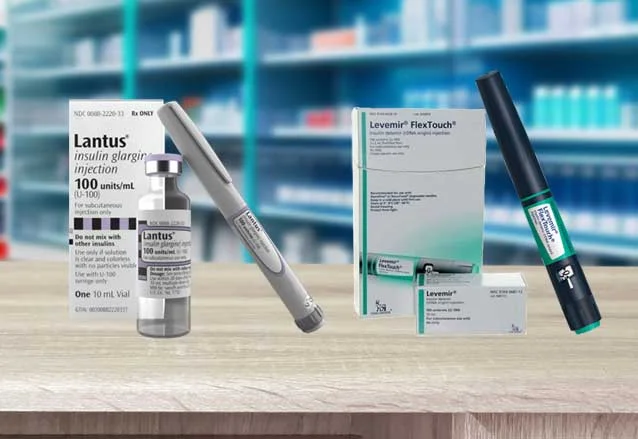
When comparing Basaglar vs. Levemir, one key difference is their base formula. Levemir contains insulin detemir, which may require twice-daily injections for patients taking lower doses.
Each Basaglar substitute offers unique benefits. Therefore, consult your doctor to determine the best choice that depends on your lifestyle and health needs.
Articles you may also be interested in


Which Is Better, Basaglar or Lantus?
Basaglar and Lantus are long-acting insulins that contain insulin glargine, designed to stabilize blood glucose for 24 hours. They’re both safe and effective to use, making them viable treatment options for diabetes. However, slight differences like their price may affect your choice.
Lantus is the original brand and may offer broader insurance coverage. Basaglar, as a follow-on biologic, is often more affordable and may come with savings programs.
When deciding between Basaglar vs. Lantus for diabetes, consider important factors like cost, lifestyle, and availability for long-term sustainability. Both are reliable, but your individual needs will determine the best fit. Always consult your healthcare provider before making any changes to your insulin regimen.
Frequently Asked Questions
Original Publish Date: 5/29/2023 – Updated 6/04/2025


