
People rarely know about the other forms besides type 1 and type 2 diabetes. One of these rare forms is a condition known as brittle diabetes. According to a study done by endocrinologist Gill G.Vill, around 1 in 1000 diabetics are affected, with most of them being young women.
To define brittle diabetes more clearly, it’s important to understand the way it is different from “normal” diabetes. “Normal” diabetes is defined as high glucose levels in the blood that are constantly high if not treated with proper medication. Brittle diabetes, on the other hand, is a condition where an individual experiences glucose swings with both high and low levels.
Let’s define brittle diabetes, its segments, and offer practical insights into proper treatment!
Definition of Brittle Diabetes
Brittle diabetes, also called labile diabetes, is a subtype of diabetes that is characterized by unpredictable fluctuations in blood glucose levels. These fluctuations are so extreme that they interfere with daily life and often require medical intervention.
Most medical professionals and healthcare providers use the term “brittle diabetes” when having patients with these extreme fluctuations, but neither the ADA (American Diabetes Association) nor the Canadian Diabetes 360 organization recognizes or lists this condition.
Combined with the unpredictability of the condition, this leads to a feeling of stigma among patients who suffer from it.
The latest fields in the field of endocrinology aim to raise awareness and determine the root cause of brittle diabetes. A 2020 study determined that there are four subtypes of brittle diabetes. These four subtypes are:
- Young adults prone to hypoglycemia and DKA due to psychological diseases – this group includes mostly women who have some sort of eating disorder and other mental health issues like depression and BPD.
- Patients with underlying medical conditions – people with long-standing diabetes suffering from gastroparesis (delayed gastric emptying). Gastroparesis leads to delayed food absorption, which leads to unpredictable glucose swings. It is known as brittle diabetes in the elderly.
- Patients with high insulin sensitivity – these people require very small doses of insulin. Even small changes in dosage and food intake lead to fluctuations in glucose.
- Patients with factitious disorders – people suffering from self-induced symptoms (this condition was previously known as Munchausen syndrome).
Prevalence and Demographics
Did you know that the IDF Diabetes Atlas 2021 also estimated that 10.5?% of adults (aged 20–79) have some type of diabetes? In numbers, that is 536.6 million people who live with diabetes. Of those 10.5%, less than 1% have brittle diabetes – this makes it one of the rarest forms of diabetes.
Adolescents and young adults, between 15 and 30 years of age, are the most commonly affected group for brittle diabetes, and it can persist into middle age. Some cases report a late-onset of brittle diabetes in women over forty.
Some theories as to why women are more prone to brittle diabetes are because of:
- A larger prevalence of psychiatric disorders, such as depression, BPD, and some eating disorders.
- Hormonal fluctuations may influence insulin sensitivity.
There is a possible socioeconomic connection in regions where continuous glucose monitoring and frequent access to healthcare providers are more available. In lower-income regions with limited resources, it is often underdiagnosed.
Brittle Diabetes Symptoms
Symptoms of brittle diabetes are similar to those of regular diabetes but happen more frequently and with greater intensity. Some of these symptoms include:
- Severe hypoglycemia
- Severe hyperglycemia
- Dizziness and confusion
- Recurrent emergency visits to the hospital
- Difficulty in stabilizing glucose levels in the blood, despite medication.
Many patients assume that the reason why this type of diabetes gets its name is because of a common symptom – changes to the nails and toenails. That is not true, since brittle nails are not a characteristic symptom of this type of diabetes.
The term brittle diabetes refers to the brittle glucose levels in the blood, not changes in nail texture and quality. These are only signs of:
- Poor circulation and nutrition
- Dehydration
- Neuropathy
- Vascular damage
Diagnosis and Treatment
Unlike standard diabetes cases, which can be managed with a structured insulin regimen and other medications, brittle diabetes is a significant challenge for patients, doctors, and other healthcare providers.
Since brittle diabetes is triggered or worsened by other coexisting conditions in people, successful treatment needs a multidisciplinary approach. This includes a thorough diagnosis and a detailed treatment plan. When combining these strategies, the quality of life for those with this condition drastically improves.
Diagnosis
In order for brittle diabetes to be properly treated, diagnosis is of the highest importance. The rarity of brittle diabetes, combined with the fact that it mostly shows symptoms that could be masked by other diseases and conditions, makes it easy to misdiagnose. In cases where misdiagnosis occurs, the outcome could be fatal.
Diagnosing brittle diabetes requires:
- A detailed medical history – so that the healthcare provider has all the necessary information that could be a trigger for brittle diabetes.
- Frequent glucose monitoring – to monitor the fluctuations in glucose levels and pinpoint if some routine is present (eg, sudden spikes before going to bed)
- Exclusion of other conditions that might mimic unstable diabetes – part of a differential diagnosis, to determine which factors mimic and which trigger brittle diabetes.
Treatment
Brittle diabetes treatment usually includes a combination of the following:
- CSII (Continuous Subcutaneous Insulin Pump) – this device delivers small continuous doses of rapid-acting insulin over one day, which reduces variability in glucose blood levels.
- MDI (Multiple Daily Injections) – used when a CSII is not suitable. It involves 4-6 injections of insulin daily.
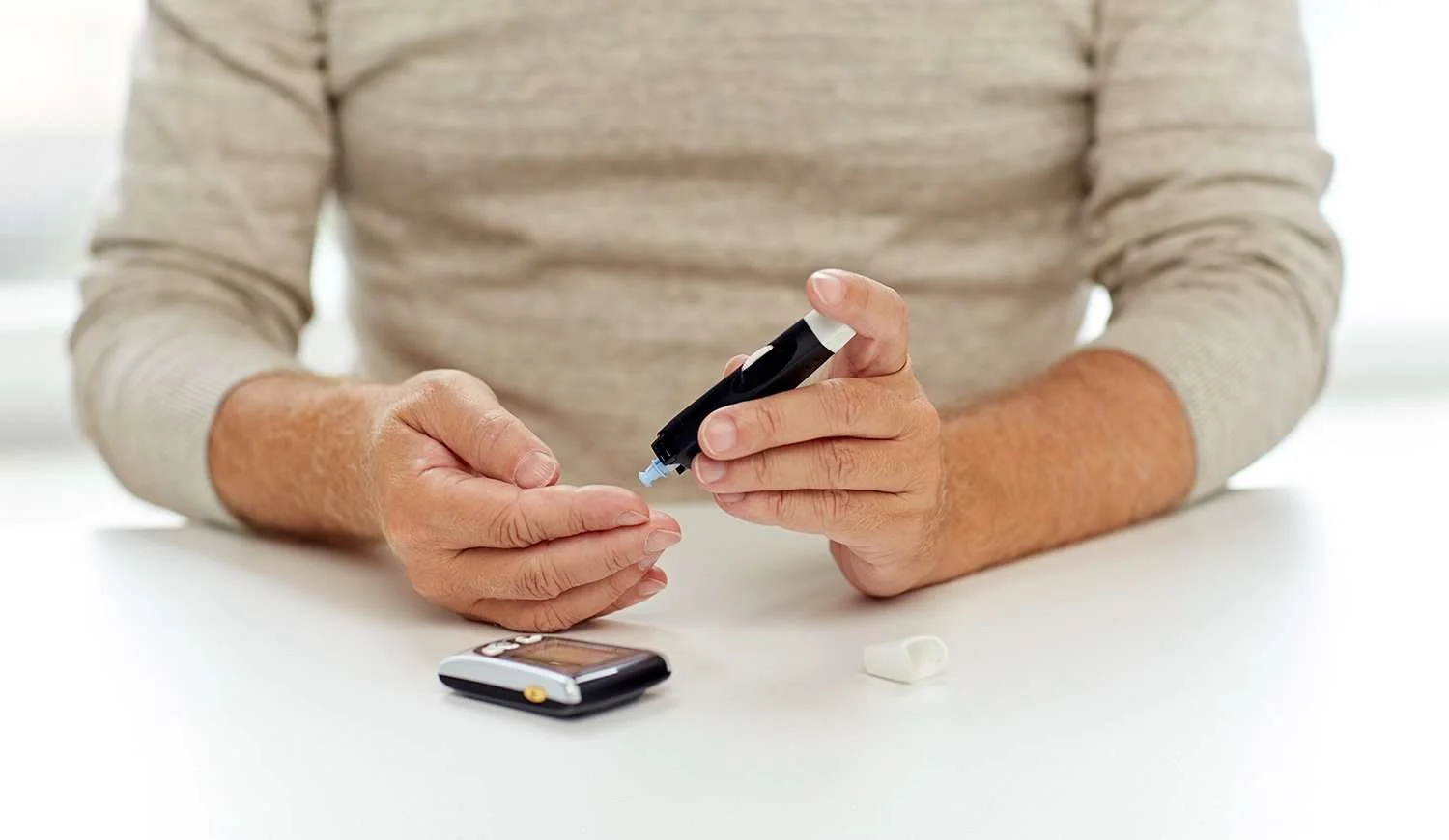
- CGM (Continuous Glucose Monitoring) – provides real-time glucose tracking, which detects and responds when rapid fluctuations occur. They also alert users to hypoglycemic or hyperglycemic episodes.
- Nutritional counseling – consulting with a registered dietitian to create a diet that would stabilize glucose levels with a consistent carbohydrate intake. A balanced diet leads to reduced glycemic variability.
- Psychological support – therapy in which emotional and behavioral triggers that affect insulin management are addressed.
- Treatment for underlying conditions – the goal is to manage coexisting conditions, such as gastroparesis or hormonal disorders, which contribute to variations in glucose levels.
Complications and Prognosis
If brittle diabetes is unmanaged or is not diagnosed, it can lead to many serious complications, which can be fatal. Because of the extreme fluctuations in blood glucose levels, the body is under enormous stress, which can increase the risk of both acute and long-term complications.
Some of them are:
- Diabetic ketoacidosis – a potentially fatal condition caused by an extreme insulin deficiency. During DKA, the body uses fat for energy production and during that process, makes ketone bodies. These ketone bodies are extremely toxic to the body and can lead to death if not treated immediately.
- Hypoglycemic shock – this condition happens when the glucose levels are very low in the body and leads to impaired brain function, seizures, and even coma.
- Neuropathy – nerve damage that occurs because of constant high glucose levels in the blood
- Retinopathy – damage to the arteries of the eye, which can lead to vision loss.
- Cardiovascular diseases – high glucose levels put a strain on the heart and blood vessels, which leads to hypertension and other possible cardiovascular diseases.
The prognosis for brittle diabetes varies from individual to individual because of many factors, such as time of diagnosis, how it is managed, patient history, and underlying condition. Brittle diabetes is known to be a condition hard to live with, but in less severe cases, most patients who get proper therapy can still live a comfortable life.
Prevention
Brittle diabetes is difficult to manage since it arises from a combination of factors. Even though there is no guaranteed way to stop brittle diabetes from developing, there are some proactive measures that can help regulate blood glucose fluctuations and delay possible complications. Some of these measures include:
- Having a consistent medication and meal schedule – regular daily meals and medication intakes lower the chance of glycemic variability in the body.
- Monitoring blood glucose levels using CGM devices
- Seeking professional counseling to support emotional and mental health
- Monitor for physical warning signs – mostly, for changes in nail health, which may indicate a possible uncontrolled diabetes
- Lowering stress
- Enough exercise and sleep
Conclusion
Brittle diabetes is a complex condition that alters the patient’s life and requires continuous care and monitoring. It does not matter if it is brittle diabetes type 2 or type 1; dealing with both and their complications can be very difficult.
By understanding and learning the causes, symptoms, and all available treatments, these people can handle all the challenges that this condition has and improve their long-term outcomes.
Frequently Asked Questions
Articles you may also be interested in



Original Publish Date: 4/27/2022 – Updated 7/8/2025


