
Many people think that only those who are overweight can develop Type 2 diabetes. This belief leads to a common misunderstanding that thin individuals are not at risk. However, this is not the case. Being slim does not automatically shield anyone from this health condition. In reality, Type 2 diabetes can affect anyone, regardless of their body size. This misconception might cause slim people to overlook the warning signs, delaying diagnosis and treatment.
In this article, we will discuss the reasons why thin individuals can also be at risk of type 2 diabetes. We will break down the factors beyond body weight that contribute to the disease and explore the signs of diabetes in thin people. Additionally, we will provide tips on how thin people can reduce their risk of developing type 2 diabetes.
So, let’s get started!
Who Is at Risk of Type 2 Diabetes?
Type 2 diabetes is a medical condition that affects millions of people worldwide. You are more likely to develop type 2 diabetes if you are 45 years of age or older, have a family history of diabetes, or if you are overweight or obese. According to the Centers for Disease Control and Prevention (CDC), 1 in every 10 people in the United States is living with type-2 diabetes. Although obesity is a well-known risk factor, even thin individuals are not exempt from developing type 2 diabetes.
Can Thin People Get Type 2 Diabetes?

Yes, thin people can get Type 2 diabetes. Recent research has found that even if someone looks thin and is considered to have a normal weight, they might still be at risk for diabetes. Specifically, a study from the University of Florida revealed that 1 in 5 adults with a normal Body Mass Index (BMI) have prediabetes. This means their blood sugar levels are higher than normal but not high enough yet to be diagnosed with diabetes.
The study also pointed out that the risk increases with age. For people over 45 years old who are thin, the risk of having high blood sugar jumps even more. In this age group, 1 out of every 3 people with a BMI under 25 could have prediabetes. This situation is serious because if prediabetes is not treated or managed, up to 30% of these individuals could develop Type 2 diabetes within five years.
Another study involving 10,000 patients with type 2 diabetes showed that around 3.5% of patients were actually lean, with a BMI under 18.5, while a significant portion, about 63%, had an ideal body weight at the time they were diagnosed. This discovery challenges the common belief and shows that thin people are not immune to developing type 2 diabetes.
These findings challenge the common belief that only overweight or obese individuals are at risk for Type 2 diabetes. It shows that diabetes does not discriminate by size and that being thin does not automatically mean someone is at a lower risk for this condition. It’s important for everyone, regardless of their body size, to be aware of their blood sugar levels and consider regular check-ups to catch any signs of prediabetes early.
Recommendation
If you have type 2 diabetes and are thin, your doctor may suggest using Ozempic to manage your condition. Buy Canadian Insulin offers Ozempic at significantly lower prices than those found in the US market, starting at just $469.79 for both the 2mg/3mL and 4mg/3mL pens. This means that the average cost per mL is approximately $156.60, making it an excellent value for your healthcare expenses.
What Factors Put Thin People at Risk for Type 2 Diabetes?

Thin people can also be at risk for Type 2 diabetes due to a variety of factors that go beyond just body weight or appearance. These factors include:
- Insulin Resistance: Regardless of weight, insulin resistance can develop, leading to elevated blood sugar levels. Insulin resistance is a key factor in the development of Type 2 diabetes and can occur in individuals who appear to be thin, especially if they have a condition known as “skinny fat.”
- Skinny Fat or MONW (Metabolically Obese, Normal Weight): This term refers to individuals who have a normal weight and BMI but have a high percentage of body fat, particularly visceral fat, compared to muscle mass. Visceral fat is the fat stored around the organs and is more metabolically active, contributing to insulin resistance.
- Diet: A diet high in sugars and unhealthy fats can increase the risk of developing diabetes, irrespective of a person’s body size. Consuming large amounts of processed foods, sugary drinks, and snacks can contribute to the risk even if it doesn’t necessarily lead to visible weight gain.
- Sedentary Lifestyle: Physical inactivity can contribute to insulin resistance and the development of Type 2 diabetes. Prolonged periods of sitting or lack of physical activity can alter the body’s metabolism, increasing diabetes risk, even in thin individuals.
- Prediabetes: This is a condition where blood sugar levels are higher than normal but not high enough to be considered diabetes. Even thin people can have prediabetes, often unnoticed because the risk is overlooked due to their normal weight.
- Stress: Chronic stress can affect blood sugar levels. When stressed, the body releases cortisol, which can raise blood sugar levels, contributing to the risk of developing insulin resistance and, eventually, diabetes.
- Fatty Liver Disease: Both alcoholic and non-alcoholic fatty liver disease can increase the risk of developing diabetes. The accumulation of fat in the liver is linked to metabolic disturbances that include insulin resistance.
- Genetics and Family History: Genetics play a role in the development of Type 2 diabetes. Individuals with a family history of diabetes may be at increased risk, regardless of their weight.
How Can Thin People Assess Their Risk for Type 2 Diabetes?
Thin people can assess their risk for type 2 diabetes by looking beyond just their weight and considering other risk factors and lifestyle habits that may contribute to the disease. One effective way to gauge diabetes risk is through a simple blood test that measures hemoglobin A1c levels.
This test offers valuable insights because it reflects average blood sugar levels over the past two to three months, rather than just a snapshot in time. An A1c level within the normal range (below 5.7%) suggests a lower risk, while levels indicating prediabetes (5.7% to 6.4%) or diabetes (6.5% or higher) signal the need for further evaluation and possibly lifestyle modifications.
What Are the Signs of Diabetes in Thin People?
The signs of diabetes in thin people are similar to those experienced by individuals of any body size. These symptoms are important indicators that something may be wrong with the body’s ability to regulate blood sugar levels, regardless of a person’s weight. Here are the key signs of diabetes that thin people might experience:
- Excessive Thirst: One of the most common symptoms of diabetes is feeling unusually thirsty. This happens because high blood sugar levels cause the body to try to get rid of the excess glucose through urine, leading to dehydration.
- Frequent Urination: Linked to excessive thirst, this symptom involves the need to urinate more often than usual, especially at night. It’s the body’s way of trying to eliminate the high levels of glucose in the blood.
- Dizziness or Blurry Vision: High blood sugar levels can affect the blood vessels in the eyes, leading to vision changes. Dizziness and blurry vision can occur as the fluid levels in the body change to compensate for the excess glucose.
- Numbness or Tingling in the Extremities: Over time, high blood sugar can cause nerve damage, leading to a sensation of numbness or tingling, particularly in the hands and feet. This condition is known as neuropathy.
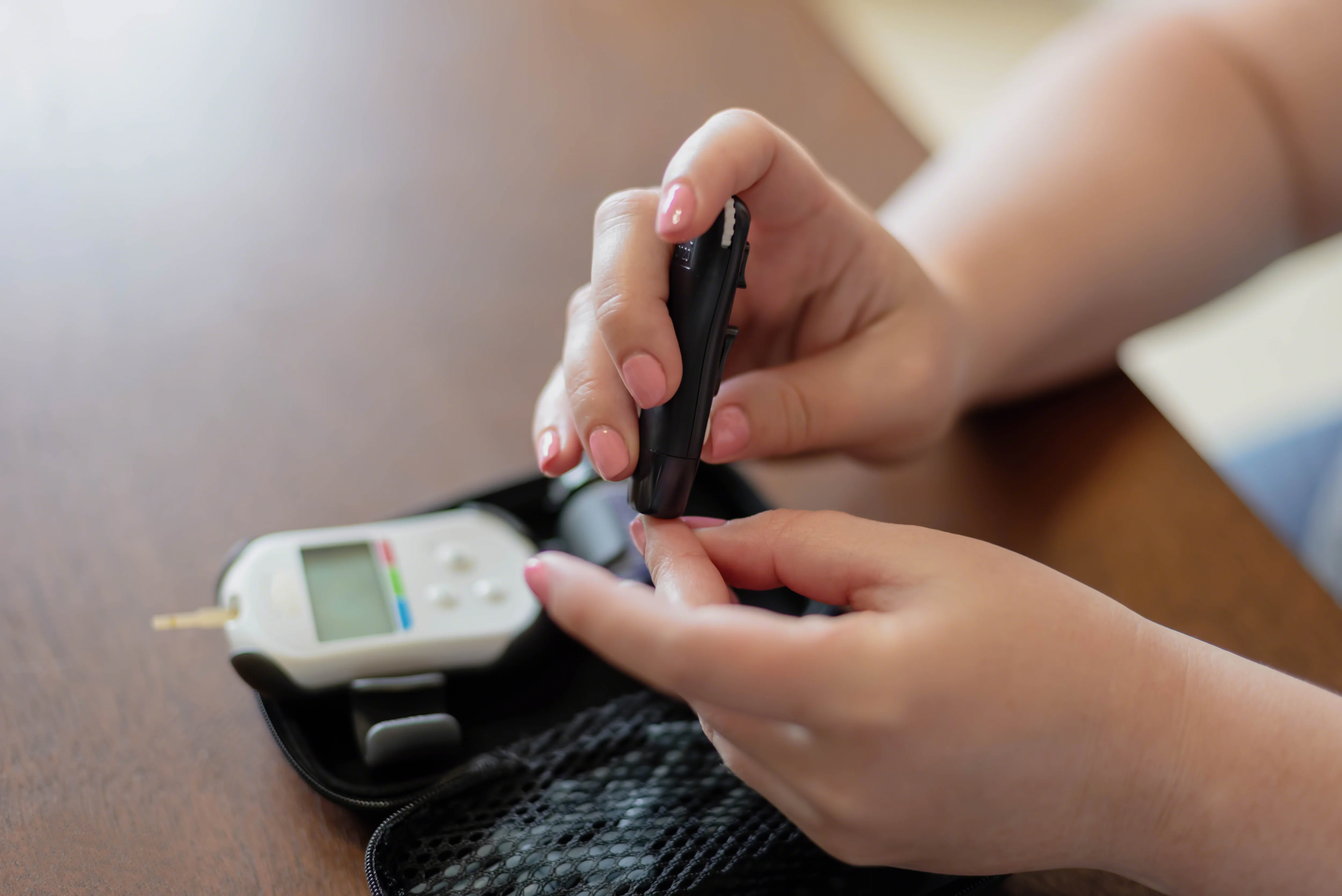
Blood glucose monitoring devices are crucial for individuals with diabetes. Buy Canadian Insulin offers a range of brands, such as Accu-Chek, Contour Next, and FreeStyle, to ensure accurate and convenient monitoring. These devices provide reliable results, making it easier to manage diabetes and respond quickly to glucose level fluctuations effectively.
How Can Thin People Reduce Their Risk of Developing Type 2 Diabetes?

Thin individuals can lower their chances of getting Type 2 diabetes by adopting a set of healthy habits that emphasize their diet, physical activity, stress management, and sleep patterns. To minimize the risk of developing type 2 diabetes, here are some practical recommendations to follow:
1. Maintain a Balanced Diet
Eat a variety of foods to ensure a balanced intake of nutrients. Focus on including plenty of vegetables, fruits, whole grains, low-fat dairy, lean meats, and plant-based proteins in your diet. Limit your intake of sugar and unhealthy fats, which can contribute to insulin resistance and increase the risk of diabetes. Opt for foods that are lower in added sugars and saturated fats. Control portion sizes to avoid overeating, even if the foods are considered healthy.
2. Incorporate Regular Physical Activity
Aim for at least 150 minutes of moderate-intensity exercise each week. This can include brisk walking, swimming, cycling, or any other activity that gets your heart rate up.
Include strength training exercises at least two days a week. Building muscle mass can help improve insulin sensitivity. Stay active throughout the day. If you have a sedentary job, take short breaks to stand up, stretch, or walk around to break up long periods of sitting.
3. Manage Stress
Practice relaxation techniques such as deep breathing, meditation, or yoga. These practices can help reduce stress levels and lower cortisol, which in turn can help control blood sugar levels. Stay connected with friends and family. Social support can be a powerful stress reliever.
Find hobbies or activities that relax and rejuvenate you. Making time for activities you enjoy can also help manage stress.
4. Prioritize Healthy Sleep Habits
Aim for 7-9 hours of quality sleep per night. Poor sleep can affect the body’s regulation of blood sugar and can increase the risk of insulin resistance.
Establish a consistent sleep schedule by going to bed and waking up at the same times every day, even on weekends. Create a restful environment in your bedroom by minimizing noise and light and ensuring your bed is comfortable.
5. Regular Health Check-ups
Keep an eye on your health. Regular check-ups can help catch early signs of insulin resistance or prediabetes. Early intervention can greatly reduce the risk of developing Type 2 diabetes.
Final Thoughts
Thin people can indeed get Type 2 diabetes, even though it’s less common. Risk factors like genetics, lifestyle choices, and other health conditions play a significant role. By maintaining a balanced diet, staying active, managing stress, getting enough sleep, and having regular check-ups, thin people can better manage their risk. Watching for signs and taking proactive steps are crucial for everyone, regardless of body size, to maintain good health and prevent diabetes.
Frequently Asked Questions
Articles you may also be interested in


Sources
Mainous, A. G., Tanner, R. J., Jo, A., & Anton, S. D. (2016). Prevalence of prediabetes and abdominal obesity among healthy-weight adults: 18-year trend. Annals of Family Medicine, 14(4), 304-310.https://www.annfammed.org/content/14/4/304.full
George, A. M., Jacob, A. G., & Fogelfeld, L. (2015). Lean diabetes mellitus: An emerging entity in the era of obesity. World Journal of Diabetes, 6(4), 613.https://www.ncbi.nlm.nih.gov/pmc/articles/PMC4434081/
St. Joseph’s/Candler. (n.d.). The skinny on diabetes risk. Retrieved from https://www.sjchs.org/smart-living-home/fall-2019/diabetes-risk-factors


