Berberine has gone viral as a natural way to support blood sugar and weight loss, with some people calling it “nature’s Ozempic.” Meanwhile, Mounjaro has become one of the most talked-about treatments for type 2 diabetes and weight management.
But what happens if you take them together?
Many people now wonder if taking berberine with Mounjaro could result in more weight loss or better blood sugar control. If you have considered pairing these treatments, this article explains the evidence from recent studies so you can weigh the potential benefits and risks.
Does berberine actually help you lose weight?
Berberine is a yellow alkaloid found in plants like barberry, goldenseal, and tree turmeric. It has been used in Chinese and Ayurvedic medicine for centuries and was once prescribed for diarrhea and infections.
In modern times, berberine gained attention as “nature’s Ozempic” because early research suggested it may lower blood sugar and help with weight management.
According to UCLA Health, berberine activates AMPK, which is a protein that acts like the body’s energy regulator. This can help the body use more glucose for energy and burn more fat. Some studies found that taking about 1 gram per day for eight weeks reduced BMI and waist size. However, most studies are small, of short duration, and there is no conclusive evidence that berberine promotes significant weight loss.
Another study, published in 2026, found that taking 1 gram of berberine daily for six months was safe but did not help reduce belly fat or fatty liver in adults with obesity and MASLD who did not have diabetes. It did, however, produce modest improvements in cholesterol and inflammation markers.
How berberine works
Researchers believe berberine activates AMPK by slightly reducing energy production in cells, an effect similar to metformin. It may also support gut health by changing the gut microbiome and increasing the release of hormones such as GLP-1.
Here’s a YouTube video that explains berberine and its potential effects on weight loss and metabolism.

In a clinical trial involving people with type 2 diabetes, taking 500 mg of berberine three times daily lowered blood sugar, HbA1c, triglycerides, and insulin levels by amounts similar to those of metformin and rosiglitazone. The study also found that berberine increased insulin receptor activity, which may help the body respond better to insulin.
Side effects of berberine
Berberine can cause side effects, including:
-
- Digestive problems: This is the most common side effect of berberine. It includes stomach pain, nausea, diarrhea, bloating, and constipation.
-
- Low blood sugar (hypoglycemia): As mentioned earlier, berberine can lower blood sugar levels, which may increase the risk of hypoglycemia, especially in people already taking diabetes medications.
-
- Low blood pressure (hypotension): Berberine may also lower blood pressure. Some people may experience lightheadedness, dizziness, fatigue, or blurred vision, particularly if they also take blood pressure medications.
-
- Headaches: Some users report headaches, although this side effect is uncommon and may be linked to changes in blood sugar or blood pressure.
-
- Slower heart rate or irregular heartbeat: Berberine may slow the heart rate and, in rare cases, contribute to irregular heart rhythms. People with existing heart conditions or naturally low heart rates should use caution.
What organ is berberine hard on?
The organ to be most cautious about is the liver, but the most common day-to-day side effects are usually in the stomach and intestines.
Berberine is mainly processed by the liver, so the liver is the organ people usually worry about most, especially with high doses, long-term daily use, poor-quality supplements, or other medications that also rely on liver enzymes.
For most healthy adults using typical doses, berberine is not commonly known to cause liver damage.
Can you take berberine with Mounjaro?
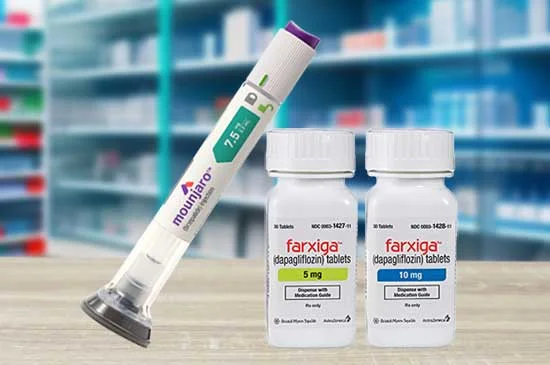
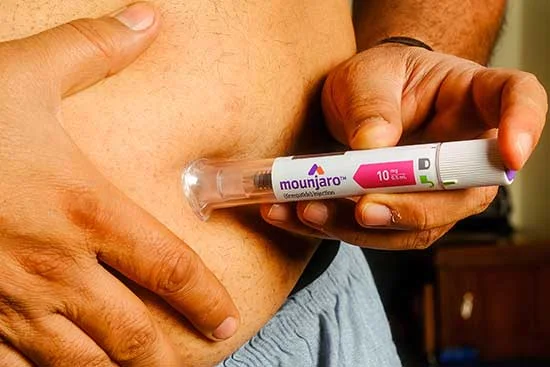
You should not take berberine and Mounjaro together unless your clinician says it is okay.
There is no evidence that tirzepatide and berberine directly interact with each other. However, both help lower blood sugar, so taking them together may increase the possibility of hypoglycemia, especially for people who also use insulin or other diabetes medications.
A 2025 case report described a healthy, athletic man in his 40s who collapsed after experiencing extremely low blood sugar. Doctors found that he had been taking berberine as a performance-enhancing supplement. Previous cases of berberine-related hypoglycemia had mainly been seen in people with diabetes, making this one of the first documented cases in a healthy individual.
In a Reddit post, a user reported a warning that berberine may cause hypoglycemia, particularly in people who are fasting, following a low-carb diet, or taking other blood sugar-lowering medications or supplements. The post also attracted numerous comments from users describing similar experiences, with some reporting blood glucose levels dropping into the 40-50 mg/dL range and others saying they fainted or nearly passed out after taking berberine.
These are anecdotal reports or isolated cases and not clinical evidence, but they show the importance of using berberine cautiously. If you’re planning to take berberine and Mounjaro together, discuss it with your doctor.
Side effects of taking berberine and Mounjaro together
Taking berberine with Mounjaro may also intensify digestive symptoms, especially during the first weeks of therapy or when doses change.
Mounjaro and berberine commonly cause nausea, vomiting, diarrhea, constipation, bloating, and abdominal discomfort. When taken together, these effects may overlap. If vomiting or diarrhea becomes severe, dehydration can develop quickly.
People with a history of gastroparesis, severe reflux, chronic stomach problems, or inflammatory bowel disease should be especially cautious before combining berberine with Mounjaro.
What drugs should not be taken with berberine?
Berberine can interfere with special enzymes in the liver that process and clear certain drugs, causing them to stay in the body longer than normal. As a result, the levels of medications may increase, which could raise the risk of side effects.
Medications that should not be taken with berberine may include:
1. Statins
Simvastatin and other statins are broken down by enzymes in the liver. Berberine can interfere with these enzymes, which may cause statins to build up in the body. Higher statin levels can increase the risk of serious side effects, including muscle damage (rhabdomyolysis).
Research suggests that berberine’s effect on these enzymes may vary, making it hard to predict how it will affect statin levels in a particular person.
2. Metformin and other diabetes medications
Berberine can change metformin levels by blocking transport proteins that help move the drug into and out of cells. In one study, this increased metformin levels, although the effect may vary depending on when the two are taken.
Sulfonylureas and insulin may cause low blood sugar when used with berberine because berberine can lower blood sugar on its own. Medical professionals warn that using multiple blood sugar-lowering treatments at the same time can increase the risk of severe hypoglycemia, which may lead to seizures or coma.
3. Antidepressants
A number of antidepressants rely on liver enzymes. These include certain SSRIs, SNRIs, and tricyclic antidepressants, such as:
-
- fluoxetine (Prozac)
- paroxetine (Paxil)
- sertraline (Zoloft)
- venlafaxine (Effexor)
- duloxetine (Cymbalta)
- amitriptyline (Elavil)
- nortriptyline (Pamelor)
Berberine may interfere with these processes, causing some medications to stay in the body longer and increasing the risk of side effects.
Antidepressants often need steady blood levels to work safely. Too much medication in the body may increase side effects such as dizziness, sleepiness, dry mouth, nausea, restlessness, abnormal heart rhythm, or changes in mood. The risk may be higher for people who take multiple psychiatric medications or who are sensitive to medication changes.
4. Blood pressure drugs
People taking blood pressure medication like beta blockers, calcium channel blockers, ACE inhibitors, ARBs, or diuretics should also be cautious with berberine due to its blood-pressure-lowering effects. When combined with medications for hypertension, the effect could become too strong in some people.
This could lead to low blood pressure, dizziness, lightheadedness, fainting, fatigue, blurred vision, or weakness. The risk may be higher when standing up quickly, during dehydration, after exercise, or when taking several heart or blood pressure medications together.
5. Antipsychotics
Some antipsychotics are processed through liver enzymes that berberine may affect. These include:
-
- quetiapine (Seroquel)
- lurasidone (Latuda)
- risperidone (Risperdal)
- aripiprazole (Abilify)
- haloperidol (Haldol)
- clozapine
If berberine changes how these drugs are broken down, medication levels may rise or become less predictable. Antipsychotics can result in side effects such as sedation, dizziness, low blood pressure, movement symptoms, weight changes, and changes in heart rhythm. Adding berberine could make side effects harder to predict, especially in people taking higher doses or more than one mental health medication.
6. Immunosuppressants
This is one of the more serious categories. Drugs such as cyclosporine, tacrolimus, sirolimus, and everolimus often have a narrow safe range. The dose is adjusted using blood tests because small changes in the bloodstream can matter.
If levels rise too much, toxicity can happen. Depending on the drug, that can mean kidney stress, tremor, high blood pressure, headaches, infections, or other serious side effects. If levels fall too low, the medication may not control the immune condition well enough.
7. Blood thinners
Blood thinners are used to prevent clots, but the dose needs to be carefully balanced. Too much effect can raise the risk of bleeding. Too little effect can raise the risk of dangerous clots.
Warfarin is the clearest concern because its effect is tracked with INR blood tests. It is easily affected by liver enzymes, diet, illness, and many medications. You should also be careful with the following blood thinners and antiplatelet drugs:
Warning signs include black stools, blood in the urine, frequent nosebleeds, bleeding gums, unusual bruising, vomiting blood, sudden severe headache, or weakness on one side of the body. Anyone with these symptoms should get medical help quickly.
What medications should you not take with Mounjaro?
Mounjaro does not have a long list of medications that are strictly off-limits. For most people, the main medication concern is with oral drugs or medications taken by mouth.
Mounjaro slows stomach emptying, so food and oral drugs stay in the stomach longer and may not move through the digestive tract as quickly as usual. Because of that, some oral medications may be absorbed more slowly or less predictably.
Examples include:
-
- Birth control pills and emergency contraception
- Warfarin and other blood thinners
- Thyroid medication, such as levothyroxine
- Some seizure medications
- Some heart medications
- Certain transplant or immune-suppressing medications
- Pain medicine or migraine medicine that needs to work quickly
People using birth control pills, in particular, are advised to use a non-oral method or add a barrier method for 4 weeks after starting Mounjaro and for 4 weeks after each dose increase.
Before starting tirzepatide or Mounjaro, tell your doctor about all medications and supplements you take, including vitamins, herbs, and over-the-counter drugs.
Bottom line
Current research does not show any direct interaction between tirzepatide and berberine, but their combined blood-sugar-lowering effects and overlapping digestive issues could create problems in vulnerable individuals.
The risk of low blood sugar is especially worrisome if you already use insulin or sulfonylureas. Discuss your supplement intake with your doctor. If they approve the combination of berberine and Mounjaro, monitor blood sugar and side effects, and choose quality supplements. Look for products tested by third-party laboratories and avoid high doses or unverified formulations.
Frequently Asked Questions
Articles you may also be interested in


Sources
What to know about berberine, the so-called “nature’s Ozempic.” (2025, October 22). UCLA Health. https://www.uclahealth.org/news/article/what-know-about-berberine-so-called-natures-Ozempic
Araj-Khodaei, M., Ayati, M. H., Zeinalhajlou, A. A., Novinbahador, T., Yousefi, M., Shiri, M., Mahmoodpoor, A., Shamekh, A., Namazi, N., & Sanaie, S. (2023). Berberine-induced glucagon-like peptide-1 and its mechanism for controlling type 2 diabetes mellitus: a comprehensive pathway review. Archives of Physiology and Biochemistry, 130(6), 678–685. https://doi.org/10.1080/13813455.2023.2258559
Zhang H, Wei J, Xue R, Wu JD, Zhao W, Wang ZZ, Wang SK, Zhou ZX, Song DQ, Wang YM, Pan HN, Kong WJ, Jiang JD. Berberine lowers blood glucose in type 2 diabetes mellitus patients through increasing insulin receptor expression. Metabolism. 2010 Feb;59(2):285-92. doi: 10.1016/j.metabol.2009.07.029. Epub 2009 Oct 1. PMID: 19800084.
Henshall, A., Ambrogetti, R., Pomeroy, R., & Money-Kyrle, A. (2025). Berberine-induced hypoglycaemia and electrocardiogram interpretation in athletes. BMJ Case Reports, 18(9), e266876. https://doi.org/10.1136/bcr-2025-266876
Lei, L., Wang, B., Zhao, L., Li, J., Yan, X., Jiang, J., Wang, L., Ren, G., Li, Y., Cheng, X., Yan, X., Zhu, Y., Guo, Y., Zhong, H., Zhang, H., Li, J., Group, B. C., Liu, X., Bai, Y., . . . Fang, F. (2026). Berberine and adiposity in Diabetes-Free Individuals with Obesity and MASLD. JAMA Network Open, 9(1), e2554152. https://doi.org/10.1001/jamanetworkopen.2025.54152
Kwon M, Choi YA, Choi MK, Song IS. Organic cation transporter-mediated drug-drug interaction potential between berberine and metformin. Arch Pharm Res. 2015;38(5):849-56. doi: 10.1007/s12272-014-0510-6. Epub 2014 Oct 31. PMID: 25359200.