
Prescription weight-loss drugs help people lose weight through various mechanisms. Some work by making you feel full sooner, while others reduce hunger signals or change the way your body absorbs nutrients.
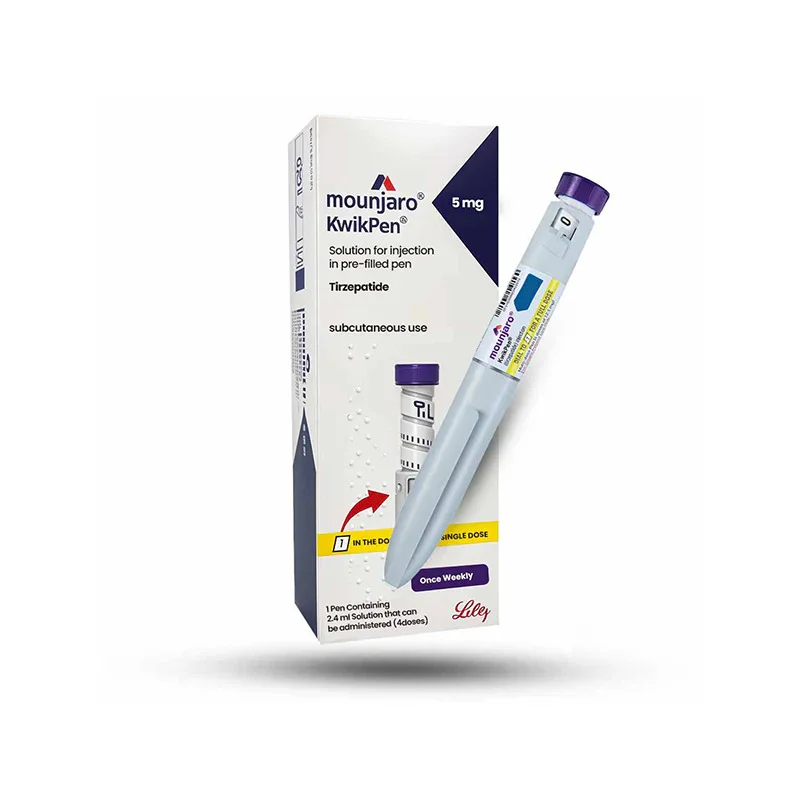
Some individuals express curiosity about combining a GLP-1/GIP agonist like Mounjaro (tirzepatide) with a stimulant appetite suppressant like phentermine. The idea is that using two mechanisms, one affecting gut hormone signaling and the other boosting norepinephrine, might lead to greater or faster weight loss than either drug alone.
Both drugs have shown significant weight-loss benefits, but can they be taken together? This article looks at what studies say about combining Mounjaro and phentermine together for weight loss, and explains the potential risks and benefits.
Can you take Mounjaro and phentermine together?
There aren’t many studies supporting the use of Mounjaro and phentermine together. Most of what’s available comes from individual cases or small pilot studies, often using similar but not identical drugs.
That means we don’t know whether benefits outweigh risks for most people. For now, any decision to combine these medications is based on off-label practice and limited data.
In a 2026 case series, researchers described two adults with acquired hypothalamic obesity, a rare condition where damage to the hypothalamus causes uncontrollable weight gain. Both patients had tried tirzepatide alone and weren’t getting the results they hoped for. So doctors added phentermine or phentermine/topiramate to their regimen.
Here’s what happened:
-
- Case 1: After increasing tirzepatide to 7.5 mg weekly with no weight change, the team added phentermine 8 mg daily. Over seven months, the patient lost 12.26% of their body weight.
-
- Case 2: Another patient started on tirzepatide 2.5 mg weekly and phentermine/topiramate 37.5 mg/50 mg. When tirzepatide was increased to 5 mg, and the combination pill dose was escalated, they lost 35.10% of their body weight over eleven months.
While these results appear impressive, two patients are far too few to draw firm conclusions. Plus, both had hypothalamic obesity, which is a different condition from the more common obesity associated with insulin resistance or lifestyle factors.
Even so, the case series suggests that carefully chosen patients, when monitored by a specialist, may benefit from tirzepatide combination therapy.
Combining GLP-1 receptor agonists with phentermine for weight loss
Another case often cited involves a 23-year-old man with severe obesity (BMI 84.3 kg/m²) who had tried phentermine, topiramate, and metformin without much success. When his doctors added semaglutide (a GLP-1 agonist similar to Mounjaro but not the same), his weight dropped by 32.5%.
In a randomized, placebo-controlled pilot trial, adding phentermine to liraglutide (another GLP-1 agonist) did not produce meaningful additional weight loss.
The participants already lost 12.6% of their initial weight with liraglutide, then were randomized to add phentermine or a placebo for 12 weeks. The combination group lost 1.6% of weight versus 0.1% in the placebo group, a difference that was not statistically significant.
To sum it up, there is no robust clinical trial showing that GLP-1 receptor agonists and phentermine together are more effective than using either drug alone.
Potential risks of combining Mounjaro and phentermine

Combining Mounjaro and phentermine may increase certain risks that you should be aware of.
1. Cardiovascular strain
Phentermine is a sympathomimetic stimulant that increases norepinephrine release, leading to appetite suppression but also elevating heart rate and blood pressure. Common side effects include:
-
- tachycardia
- palpitations
- hypertension
Tirzepatide, while not a stimulant, can cause sinus tachycardia and gastrointestinal dehydration, leading to kidney injury. When used together, these effects may compound.
In a mouse study, liraglutide and phentermine were tested in lean and diet-induced obese mice. The combination produced the largest reduction in body weight compared with either drug alone, but it also significantly increased heart rate and decreased blood pressure in lean mice. Although animal studies do not translate directly to humans, this research shows potential cardiovascular risks when combining a GLP-1 receptor agonist with a stimulant.
Patients with pre-existing cardiovascular conditions should use caution with either medication. Note that phentermine is also contraindicated in individuals with:
-
- advanced arteriosclerosis
- moderate to severe hypertension
- hyperthyroidism
Tirzepatide should be used carefully in people with heart rhythm problems due to the risk of tachycardia. Combining the two may raise the risk of arrhythmias or uncontrolled blood pressure.
2. Overlapping gastrointestinal and metabolic side effects
Tirzepatide commonly causes nausea, diarrhea, vomiting, and decreased appetite. Phentermine can lead to dry mouth, insomnia, and nervousness. When taken together, the combined effects of a reduction in appetite may lead to inadequate nutrition or electrolyte imbalance. Both medications may also alter the absorption of other oral drugs.
According to a drug-interaction report from Drugs.com, weight loss on phentermine may require adjustment of tirzepatide dosage or other diabetic medications due to changed insulin requirements and risk of hypoglycemia. Patients should watch for symptoms like headache, dizziness, shakiness, hunger, sweating, or a fast heartbeat.
3. Lack of long-term safety data
Neither Mounjaro nor phentermine has been systematically studied in combination for extended periods. Phentermine is approved for short-term use (up to 12 weeks). Off-label long-term use is occasionally prescribed but not well supported by safety data.
Tirzepatide is relatively new, and its long-term effects beyond two years are not fully understood. Combining two drugs without long-term data increases uncertainty about risks such as cardiac valvulopathy, pancreatitis, or thyroid tumors.
4. Potential for misuse and off-label use
Phentermine has a history of misuse due to its stimulant properties. Combining it with a new, highly sought-after weight-loss medication could lead to off-label “cosmetic” use. Eli Lilly (the maker of Mounjaro and Zepbound) has warned against using these medications for aesthetic weight loss and emphasizes that they should only be used under medical supervision.
What should you do instead?
If you’re not seeing the expected results with either medication, there are more appropriate approaches to achieve weight loss safely and effectively.
Consider evidence-based combinations
If combination therapy is appropriate, doctors typically recommend phentermine/topiramate extended release (brand name Qsymia). This FDA-approved combination has demonstrated 9%-10.5% weight loss over 108 weeks and improved metabolic outcomes.
Another approved combination, naltrexone/bupropion (brand name Contrave), targets reward pathways and is backed by clinical trials. These combinations are safer and better studied than off-label tirzepatide-phentermine therapy.
Use GLP-1 or dual agonists alone under guidance
Tirzepatide alone has produced 15%-21% weight loss in clinical trials. For many people, this degree of weight loss rivals bariatric surgery and may be sufficient without adding another medication. Semaglutide (Wegovy) and liraglutide (Saxenda) are other GLP-1 receptor agonists with proven efficacy.
Before adding a second medication, make sure you’ve reached the highest well-tolerated dose and given it time to work. If you still need more help, your healthcare provider might suggest switching to a different GLP-1 agent rather than adding a stimulant.
Focus on lifestyle interventions and comprehensive care
No medication can replace the basics of weight management. So, focus on balanced nutrition, regular physical activity, adequate sleep, and stress management.
If you have a complex condition like hypothalamic obesity, working with a multidisciplinary team, including dietitians, endocrinologists, and mental health professionals, can make a huge difference. In some cases, bariatric surgery provides the most durable results when paired with lifestyle changes.
Stay in close contact with your doctor
If you do start any weight-loss medication, regular check-ups are essential. Monitoring may include:
-
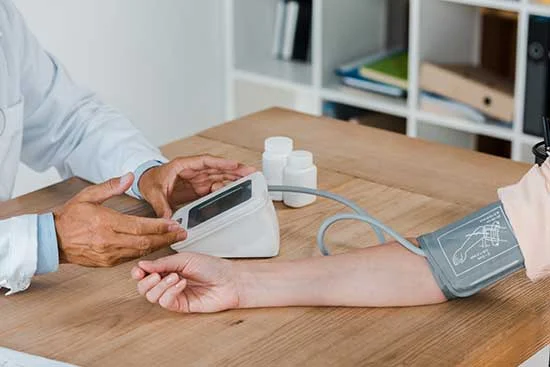
- Blood pressure and heart rate checks to detect cardiovascular strain.
- Blood glucose monitoring, especially for those with diabetes, to adjust other glucose-lowering medications.
- Kidney and liver function tests, given the potential dehydration or metabolic stress.
- Assessment of mental health, since stimulants can exacerbate anxiety or insomnia.
They can also help manage side effects, adjust doses, or switch medications as needed. Don’t hesitate to report symptoms like chest pain, severe nausea, or changes in mood.
Bottom line
At present, there is no solid evidence that combining Mounjaro and phentermine leads to greater weight loss than using either drug alone. There are also concerns about increased heart rate, blood pressure, overlapping side effects, and unknown long-term safety. Additionally, combining them for weight loss is off-label and may not be medically justified.
If you are considering weight-loss medications, speak with a healthcare provider who can assess your health history, discuss options, and monitor your progress. Most importantly, remember that sustainable weight management involves more than just medications. It requires long-term lifestyle changes, support, and patience.
Articles you may also be interested in


Frequently Asked Questions
Sources
Lang, H., Dorand, M. F., Hassan, M., & Richards, J. R. (2026). Obesity medications and acquired hypothalamic obesity in adults: A two-case experience. Obesity Pillars, 17, 100246. https://doi.org/10.1016/j.obpill.2026.100246
Patel, P. N., Fox, C. K., Bensignor, M. O., & Bomberg, E. M. (2022). Weight Loss From Combination Anti-Obesity Medication Regimens Can Approach that Achieved From Bariatric Surgery. JCEM Case Reports, 1(1), luac038. https://doi.org/10.1210/jcemcr/luac038
Tronieri, J. S., Wadden, T. A., Walsh, O. A., Berkowitz, R. I., Alamuddin, N., Gruber, K., Leonard, S., & Chao, A. M. (2019). Effects of liraglutide plus phentermine in adults with obesity following 1?year of treatment by liraglutide alone: A randomized placebo-controlled pilot trial. Metabolism, 96, 83–91. https://doi.org/10.1016/j.metabol.2019.03.005
Simonds, S. E., Pryor, J. T., Koegler, F. H., Buch-Rasmussen, A. S., Kelly, L. E., Grove, K. L., & Cowley, M. A. (2019). Determining the effects of combined liraglutide and phentermine on metabolic parameters, blood pressure, and heart rate in lean and obese male mice. Diabetes, 68(4), 683–695. https://doi.org/10.2337/db18-1149
Garvey, W. T., Ryan, D. H., Look, M., Gadde, K. M., Allison, D. B., Peterson, C. A., Schwiers, M., Day, W. W., & Bowden, C. H. (2011). Two-year sustained weight loss and metabolic benefits with controlled-release phentermine/topiramate in obese and overweight adults (SEQUEL): a randomized, placebo-controlled, phase 3 extension study. American Journal of Clinical Nutrition, 95(2), 297–308. https://doi.org/10.3945/ajcn.111.024927
Jastreboff, A. M., Aronne, L. J., Ahmad, N. N., Wharton, S., Connery, L., Alves, B., Kiyosue, A., Zhang, S., Liu, B., Bunck, M. C., & Stefanski, A. (2022). Tirzepatide once weekly for the treatment of obesity. New England Journal of Medicine, 387(3), 205–216. https://doi.org/10.1056/nejmoa2206038


