
Managing diabetes effectively hinges on making smart dietary choices. Diet plays a critical role in controlling blood sugar levels, which is essential for preventing complications associated with diabetes. Consuming the right foods can help maintain stable blood glucose levels, reduce the risk of spikes and dips, and support overall health. By understanding which foods have a positive impact on blood sugar, individuals with diabetes can lead healthier lives and better manage their condition.
What is a Diabetes-Friendly Diet?
A diabetes-friendly diet focuses on foods that help control blood sugar levels. This diet emphasizes the consumption of low glycemic index (GI) foods, which are less likely to cause rapid increases in blood sugar. Key principles include balancing macronutrients—proteins, fats, and carbohydrates—and practicing portion control to prevent overeating.
Low GI foods, such as non-starchy vegetables, whole grains, and legumes, are crucial components of this diet. They release glucose slowly and steadily into the bloodstream, helping to maintain stable blood sugar levels. Monitoring carbohydrate intake is essential because carbohydrates have the most significant impact on blood sugar. Choosing complex carbohydrates, like those found in whole grains, fruits, and vegetables, over simple sugars found in sweets and processed foods can improve blood sugar control.
Additionally, a diabetes-friendly diet involves eating regular meals and snacks to prevent blood sugar levels from dropping too low or rising too high. It also includes healthy fats, such as those from avocados, nuts, and olive oil, which can help improve insulin sensitivity and reduce inflammation.
Diabetic-Friendly Diet Plan

A well-structured diet can help maintain consistent glucose levels, reduce the risk of complications, and improve overall health. This plan’s key components include incorporating a balanced mix of nutrients, controlling portion sizes, and selecting foods with a low glycemic index.
Diet Chart for Diabetic Patients
Here is an example of a daily diet chart for a diabetic patient:
| Meal | Time | Food Items |
| Breakfast | 7:00 AM | 1 slice whole-grain toast, 1 boiled egg, 1/2 cup Greek yogurt, 1 small apple, herbal tea |
| Mid-Morning Snack | 10:00 AM | 1 small handful of almonds, 1 small pear |
| Lunch | 1:00 PM | Grilled chicken breast (3 oz), 1 cup steamed broccoli, 1/2 cup quinoa, mixed green salad with olive oil and vinegar dressing |
| Afternoon Snack | 4:00 PM | 1 medium carrot, 1 small cucumber, hummus |
| Dinner | 7:00 PM | Baked salmon (4 oz), 1 cup roasted Brussels sprouts, 1/2 cup brown rice, mixed greens salad with lemon juice |
| Evening Snack | 9:00 PM | 1/2 cup cottage cheese, 1 small peach |
Plant-Based Diet for Diabetes
A plant-based diet offers numerous benefits for managing diabetes. Research has shown that plant-based diets can improve insulin sensitivity, reduce blood sugar levels, and aid in weight loss. Research has shown that adopting a plant-based diet can significantly impact diabetes outcomes. For instance, a study found that participants who followed a plant-based diet experienced a 23% reduction in blood sugar levels compared to those following a conventional diabetes diet. The study also suggested that reversing diabetes with a plant-based diet is possible due to the high fiber content, lower calorie density, and nutrient-rich nature of plant foods.
Plant-based foods that help control blood sugar include:
- Leafy Greens: Spinach, kale, and Swiss chard are low in carbohydrates and high in fiber.
- Legumes: Lentils, chickpeas, and black beans provide protein and slow-digesting carbohydrates.
- Whole Grains: Quinoa, brown rice, and oats are high in fiber and have a low glycemic index.
- Nuts and Seeds: Almonds, chia seeds, and flaxseeds offer healthy fats and protein.
- Berries: Blueberries, strawberries, and raspberries are low in sugar and high in antioxidants.
- Non-Starchy Vegetables: Broccoli, cauliflower, and bell peppers are low in calories and high in nutrients.
- Fruits: Apples, pears, and oranges provide vitamins, minerals, and fiber.
- Soy Products: Tofu and tempeh are good sources of plant-based protein and can help improve insulin sensitivity.
High Protein Diet for Diabetics

Protein plays a crucial role in managing diabetes by helping to stabilize blood sugar levels, reduce hunger, and promote weight loss. A study found that a high-protein diet can improve glucose control and reduce hemoglobin A1c levels in individuals with type 2 diabetes. This suggests that a high-protein diet to reverse diabetes may be an effective strategy for some people. Protein slows the digestion of carbohydrates, leading to a slower release of glucose into the bloodstream, which helps prevent blood sugar spikes.
However, there are potential risks to consider. Excessive protein intake can strain the kidneys, especially in individuals with pre-existing kidney conditions. It is important for people with diabetes to balance their protein intake with other macronutrients.
High-protein foods suitable for diabetics include:
- Lean Meats: Chicken breast, turkey, and lean cuts of beef
- Fish: Salmon, tuna, and mackerel
- Eggs: Whole eggs and egg whites
- Dairy: Greek yogurt, cottage cheese, and low-fat milk
- Legumes: Lentils, chickpeas, and black beans
- Nuts and Seeds: Almonds, chia seeds, and flaxseeds
- Plant-Based Proteins: Tofu, tempeh, and edamame
Healthy Low-Carb Diet for Diabetics
Low-carb diets can be particularly beneficial for diabetics as they help manage blood sugar levels more effectively. Carbohydrates, which include sugary, starchy, and fibrous foods, are broken down into glucose quickly, causing rapid spikes in blood sugar. In contrast, proteins and fats take longer to metabolize, leading to a steadier release of glucose into the bloodstream. By reducing carb intake, diabetics can avoid these rapid spikes, making it easier to maintain stable blood sugar levels with less insulin.
Research has found that individuals with type 2 diabetes who followed a low-carb diet experienced significant improvements in blood glucose control and a reduction in the need for diabetes medications. These findings suggest that adopting a low-carb diet can provide substantial benefits for those managing diabetes.
Healthy low-carb food options for diabetics include:
- Non-Starchy Vegetables: Spinach, kale, broccoli, cauliflower, zucchini
- Proteins: Chicken, turkey, beef, fish, tofu, eggs
- Healthy Fats: Avocados, nuts, seeds, olive oil, coconut oil
- Dairy: Greek yogurt, cottage cheese, hard cheeses
- Berries: Strawberries, blueberries, raspberries (in moderation)
- Legumes: Lentils, chickpeas (in moderation)
- Whole Grains: Quinoa, barley (in limited quantities)
Other Healthy Diets to Consider for Diabetics
When managing diabetes, exploring various dietary approaches can help you find the best plan to suit your lifestyle and health needs. Some diets have proven particularly effective in controlling blood sugar levels and promoting overall health. Here are some notable diets and why they are suitable for diabetes management:
Paleo Diet
The paleo diet, also known as the Paleolithic diet, is based on the types of foods presumed to have been eaten by early humans. It emphasizes whole, unprocessed foods that would have been available to our hunter-gatherer ancestors.
The paleo diet focuses on lean proteins, fruits, vegetables, nuts, and seeds while avoiding processed foods, sugars, and grains. This can help stabilize blood sugar levels and improve insulin sensitivity. By reducing the intake of high-carbohydrate and processed foods, the paleo diet can help manage blood sugar spikes and support overall metabolic health.
Mediterranean Diet
The Mediterranean diet is inspired by the traditional eating habits of people living in countries bordering the Mediterranean Sea, such as Greece, Italy, and Spain.
This diet emphasizes whole grains, fruits, vegetables, legumes, nuts, seeds, olive oil, and lean proteins, particularly fish. It is rich in fiber, healthy fats, and antioxidants, which can help control blood sugar levels and improve heart health. The balanced nature of the Mediterranean diet makes it an excellent choice for diabetics seeking to maintain stable glucose levels and reduce the risk of complications.
Keto Diet
The ketogenic (keto) diet was originally developed in the 1920s as a treatment for epilepsy. Due to its low-carbohydrate, high-fat approach, it has since gained popularity as a weight loss and diabetes management diet.
The keto diet significantly reduces carbohydrate intake and increases fat consumption, which can lead to a state of ketosis. This helps the body burn fat for energy instead of glucose, resulting in lower blood sugar levels and improved insulin sensitivity. For some diabetics, this can mean better glucose control and reduced dependence on medication.
DASH Diet
The DASH (Dietary Approaches to Stop Hypertension) diet was developed to combat high blood pressure. The National Heart, Lung, and Blood Institute in the United States promotes it.
The DASH diet focuses on fruits, vegetables, whole grains, lean proteins, and low-fat dairy while limiting salt, sugar, and saturated fats. Its emphasis on nutrient-rich, low-sodium foods helps manage blood pressure and blood sugar levels. The diet’s balanced approach supports overall health and can be particularly beneficial for diabetics in preventing complications like heart disease and kidney problems.
Atkins Diet
Dr. Robert Atkins created the Atkins diet in the 1970s as a low-carbohydrate weight loss plan. The Atkins diet reduces carbohydrate intake and focuses on protein and healthy fats. This approach helps prevent blood sugar spikes and improves insulin sensitivity. By limiting carbs, the Atkins diet can aid in blood sugar management and weight loss, making it a viable option for some diabetics. However, it’s important to balance protein intake and ensure adequate nutrient consumption.
Diabetic Diet Plate
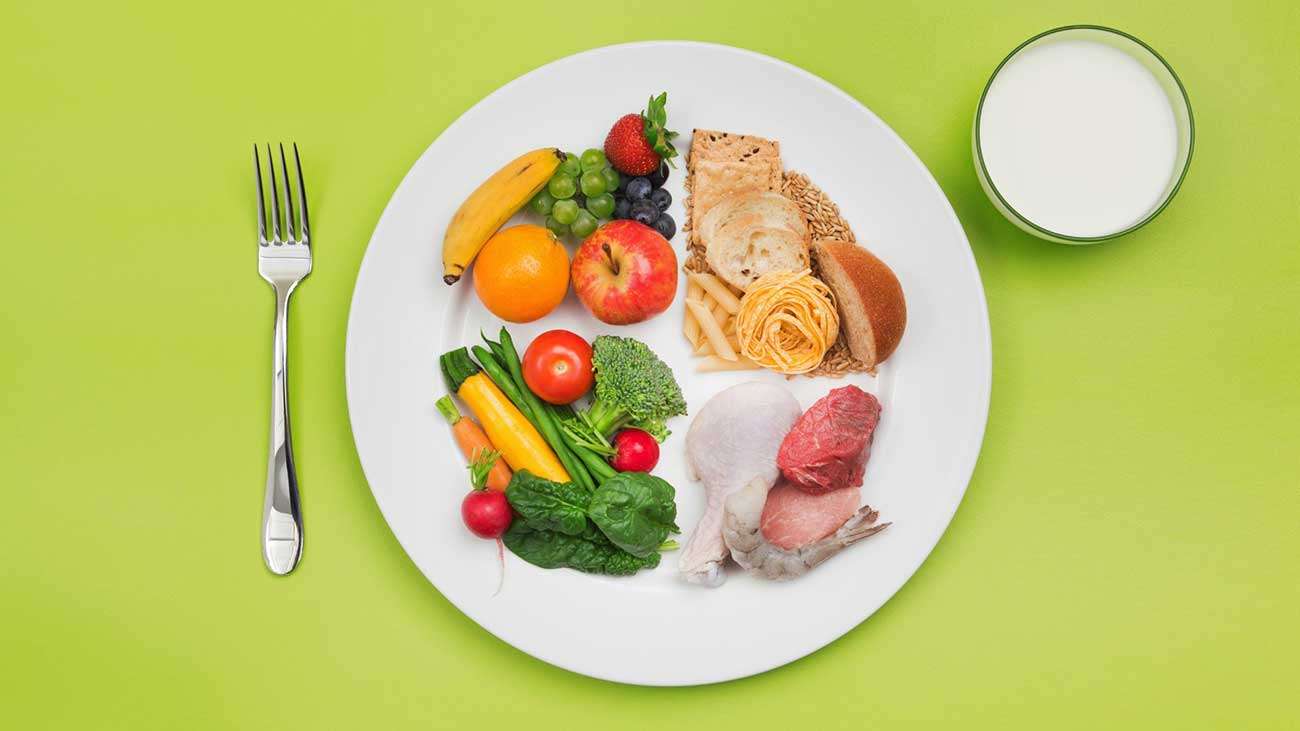
The diabetic diet plate is a simple and effective tool for planning balanced meals that help manage blood sugar levels. This method involves visually dividing your plate into sections to ensure a balanced intake of nutrients, emphasizing non-starchy vegetables, lean proteins, and healthy carbohydrates. The diabetic diet plate method is designed to make meal planning easier and promote portion control and variety in your diet.
To create a balanced meal using the diabetic diet plate method, follow these steps:
- Half of the Plate: Fill half of your plate with non-starchy vegetables. These can include leafy greens, broccoli, cauliflower, peppers, carrots, and tomatoes. These vegetables are low in carbohydrates and high in fiber, which helps keep blood sugar levels stable.
- One-Quarter of the Plate: Fill one-quarter of your plate with lean protein sources. This can include chicken, turkey, fish, tofu, eggs, or legumes like beans and lentils. Protein helps to slow down the digestion of carbohydrates and provides essential nutrients for muscle maintenance and overall health.
- One-Quarter of the Plate: Fill the remaining quarter of your plate with healthy carbohydrates. Choose whole grains like brown rice, quinoa, whole wheat pasta, or starchy vegetables like sweet potatoes and corn. These foods provide energy and important vitamins and minerals but should be eaten in moderation to prevent blood sugar spikes.
- Add a Small Serving of Healthy Fats: Include a small serving of healthy fats, such as a tablespoon of olive oil, a quarter of an avocado, or a small handful of nuts or seeds. Healthy fats can help improve satiety and provide essential fatty acids.
Practicing portion control and incorporating variety into meals is crucial for managing diabetes effectively. Use smaller plates and bowls to help control portion sizes and prevent overeating. Measuring utensils and food scales can ensure accurate portions. Incorporate a wide range of colors and textures from different food groups to keep meals interesting and nutritionally balanced. Rotating the types of proteins, vegetables, and carbohydrates in your diet can also prevent monotony and provide a broader spectrum of nutrients.
Conclusion
Managing diabetes through diet involves choosing the right foods and balancing nutrients to keep blood sugar levels stable. Focus on low glycemic index foods, regular meals, and portion control to avoid blood sugar spikes and drops. Incorporating a variety of vegetables, lean proteins, healthy fats, and whole grains can help manage diabetes effectively. Whether following a plant-based, high-protein, or low-carb diet, the key is to make mindful food choices that support overall health and blood sugar control.
FAQs About A Diabetes-Friendly Diet
Articles you may also be interested in




Sources
Harvard T.H. Chan School of Public Health. (n.d.). Following a healthy plant-based diet may lower type 2 diabetes risk. Retrieved from https://www.hsph.harvard.edu/news/press-releases/following-a-healthy-plant-based-diet-may-lower-type-2-diabetes-risk/
National Center for Biotechnology Information. (2023). Diabetes and diet. In StatPearls. Retrieved from https://www.ncbi.nlm.nih.gov/pmc/articles/PMC8319397/
National Center for Biotechnology Information. (2019). Type 2 diabetes and the Mediterranean diet. In Diabetes: An Overview.Retrieved from https://www.ncbi.nlm.nih.gov/books/NBK499830/
Elsevier. (2022). Impact of high-protein diet on glucose control in type 2 diabetes. Retrieved from https://www.sciencedirect.com/science/article/pii/S2161831322004057


