
Have you ever wondered if you can enjoy a steamy sauna session after a workout? For people with diabetes, stepping into a sauna might feel like sunbathing without sunscreen — you’ll enjoy the sun, but you’ll get burned if you don’t take extra precautions. Some might worry that using a sauna with diabetes could do more harm than good. However, if you follow the safety rules, you can reap some great benefits. This article explores the potential upsides of thermal therapy for people with diabetes and tips to prevent blood sugar fluctuations.
How Heat Affects Blood Sugar

Does a sauna help with diabetes? While a bit of heat may be OK if you’re healthy, the same thing can’t be said for people with diabetes, as it can adversely affect blood sugar levels. How? Here are three reasons.
1. Increases the Concentration of Sugar in the Blood
People with diabetes are more susceptible to the effects of heat than healthy individuals.
When you use a sauna, you lose a lot of fluids through sweat, reducing the water volume in your bloodstream. As a result, blood sugar becomes more concentrated, leading to higher glucose levels.
2. Promotes Dehydration
If you have diabetes, you lose more fluids in a sauna than those without blood sugar issues. If you’re not well-hydrated when using a sauna, your blood sugar levels shoot up, increasing your risk of dehydration. Dehydration can be dangerous and may lead to complications.
3. Elevates Stress
Heat can trigger stress. When the body is under pressure, it releases hormones like cortisol. A review published in the National Library of Medicine cites that blood sugar levels may surge due to the increased production of stress-related hormones.
So, if you have diabetes, should you avoid saunas? You don’t have to, especially if you love it. However, you need to take precautions to stay safe.
Potential Benefits of a Sauna for People With Diabetes
Diabetes and sauna sessions may seem like a bad combination, but if you understand how heat affects your blood sugar levels, an occasional session may offer some benefits. These include:
1. Reduces Blood Sugar Levels
Is sauna good for diabetes? Research confirms that it is by helping your body control blood sugar levels more efficiently.
One study examined the effects of 15-minute sauna sessions and diabetic foot spas on people with Type 2 diabetes. Sixty participants were divided into two groups — 30 people joined the intervention group and enjoyed diabetic foot spa sessions and sauna bathing therapy. The rest were assigned to the control group and were given only a diabetic foot spa. Everyone was given three sessions of sauna and/or diabetic foot spa for a week.
Participants had a mean blood glucose level of 2.918 (unit wasn’t specified). After the treatment, this dropped to 1.472, meaning a reduction in blood glucose.
So, does sauna help with diabetes? Based on this study’s findings, it does. Sauna sessions can keep your blood sugar levels in check.
2. Better Sleep Quality
Most — if not all — people with diabetes struggle with insomnia and sleep disturbances, turning restful sleep into a rare luxury.
In the same study, intervention group members were also able to sleep better following the treatment.
Pre-treatment, the mean sleep score was 4.63 — a higher score means worse sleep. After the treatment, this dropped to 2.57, meaning participants slept better.
The diabetic foot spa sessions provided a relaxing effect that improved the participants’ sleep quality. Meanwhile, the 15-minute sauna sessions enhanced circulation and stimulated the production of endorphins. Endorphins are hormones known to enhance mood and reduce stress and anxiety.
3. Improves Quality of Life
Saunas may also enhance the quality of life of people with diabetes, based on an earlier study published in PubMed.
Researchers wanted to find out whether far-infrared saunas could benefit people with Type 2 diabetes. Participants were given 20-minute infrared sauna sessions thrice weekly for three months. They were then asked to assess their quality of life through a 36-item survey questionnaire and a visual scale from 0 to 10 that evaluated how stressed they felt.
After the study, participants reported feeling physically better. Their general well-being and social functioning also improved. They also reported feeling less stress and fatigue.
Using far-infrared saunas may help people with Type 2 diabetes feel physically, socially, and emotionally better. Doctors may recommend a sauna for people with diabetes to promote long-term wellness.
Articles you may also be interested in


What Is the Right Temperature for a Sauna for People With Diabetes?

In one study, people without diabetes who tried a steam sauna for 15 minutes at 50°C reduced their fasting blood glucose levels. If you have diabetes, starting with a lower temperature is generally safer. You can ask your doctor how high you can turn up the thermostat and how long you can stay in the heat.
Staying in the sauna more than the recommended time and temperature by your doctor can induce diabetic ketoacidosis, a condition that can be fatal to people with diabetes.
In one report, a 32-year-old woman with Type 1 diabetes experienced sauna-induced
diabetic ketoacidosis after staying at a sauna for 45 minutes, where the temperature reached 70°C for 10 minutes. Her blood glucose before the sauna session was 7 millimoles per liter (mmol/l), which rose to 21 mmol/l after 24 hours. The doctor later found out that she had diabetic ketoacidosis triggered by extreme heat exposure in the sauna.
To prevent complications like this, remember to get your doctor’s advice if you want to use a sauna and always follow the safety rules provided to you.
Safety Checklist Before Using a Sauna if You Have Diabetes
You don’t have to skip the sauna, especially if, like others, it’s a valuable form of self-care for you. Here are some tips to consider before you take the heat.
- 1
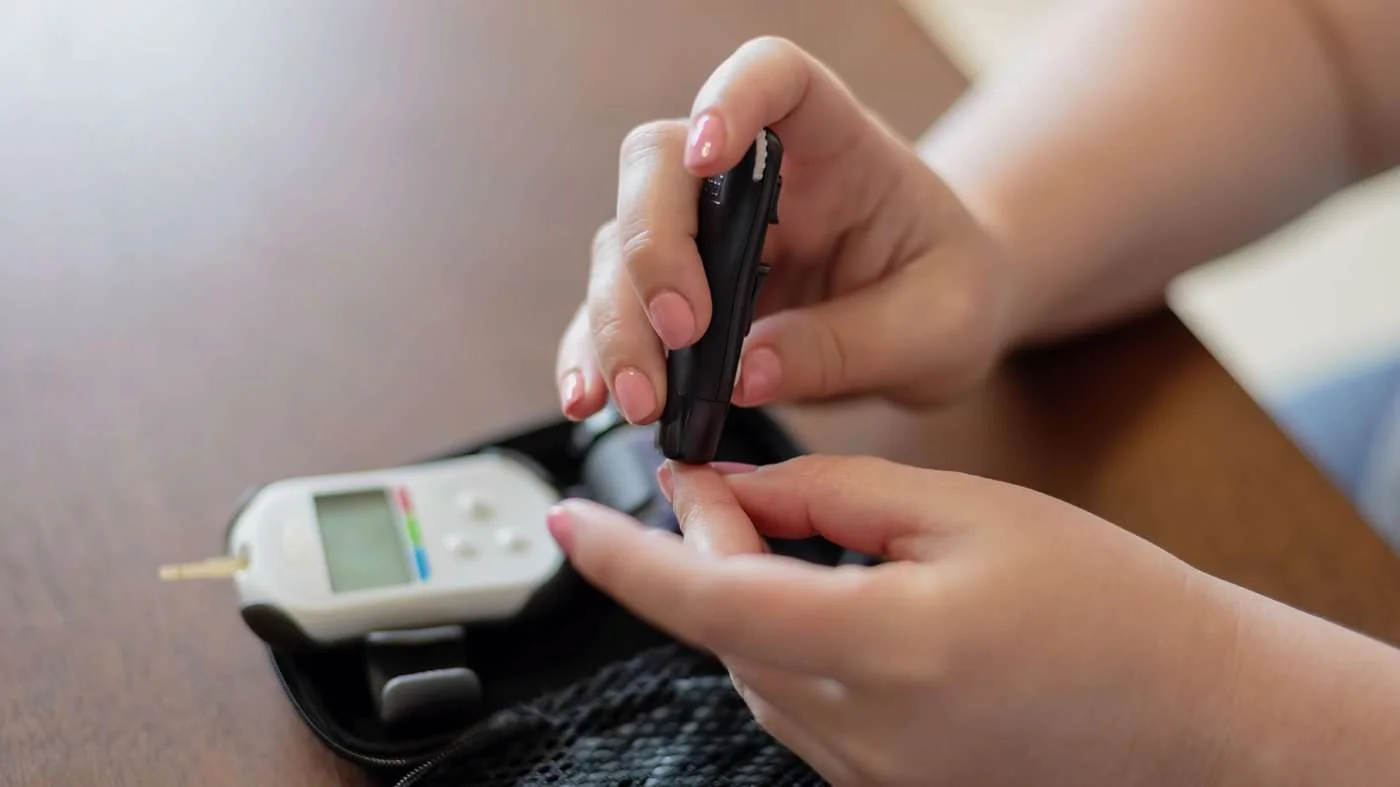
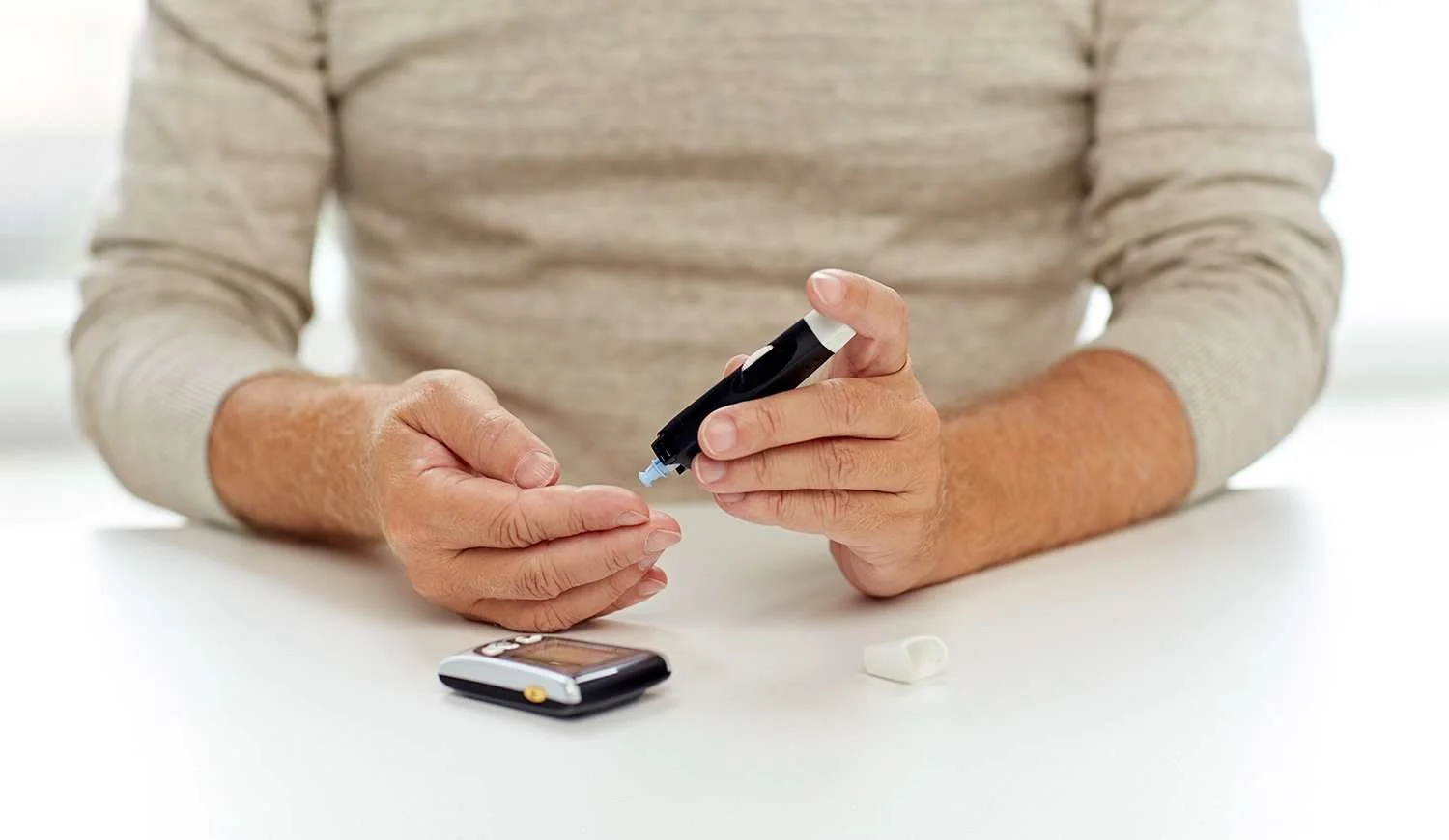
Check Blood Sugar Before and After
To avoid the risk of low blood sugar, get your glucose readings before stepping into the thermal pod. Don’t forget to test again after your session, but wait until you’ve cooled down. Compare the before and after readings to check for unusual changes in your blood glucose. - 2
Hydrate Before a Sauna
Replenish by drinking lots of water to avoid dehydration due to the heat. You’ll sweat a lot, so hydrate before and after your session, even if you don’t feel thirsty. - 3
Keep It Short and Sweet
Based on the studies above, a 15-20 minute maximum sauna session is safe. Any longer than this may mess with your blood sugar levels. If you’d like a longer session, consult your doctor to ensure it’s safe. - 4
Bring a Family or Friend to Accompany You
Never go into a sauna alone. You’ll need someone nearby to help out in case you feel weak or lightheaded. - 5
Skip the Sauna if You’re Unwell
If you have a headache, are healing from wounds, or have high blood sugar, it’s best to skip heat therapy as it may only make you more stressed.
If you have Type 1 or Type 2 diabetes complications, get your doctor’s green light before you do a sauna. Additionally, be sure to ask about precautions tailored to your health needs. The above tips are only general recommendations and may not work for you. Talk to your doctor for personal health advice.
Sauna Can Be Safe for People With Diabetes
If you prioritize safety first, using a sauna for diabetes can be part of your wellness routine. Not only is heat therapy relaxing, but it also offers heaps of health benefits, such as reduced blood sugar levels, better sleep, and improved quality of life.
Sauna sessions can cause blood sugar fluctuations, so be sure to stay hydrated, monitor your glucose before and after, and follow doctor-suggested safety guidelines.
If you have diabetes-related complications, such as heart issues, make sure you talk to your healthcare provider first before incorporating saunas into your wellness ritual. Sauna and diabetes may seem like a bad idea — but with the proper precautions, anyone can safely enjoy the warmth and benefits that saunas have to offer, even while managing diabetes.


