
If you’re considering Mounjaro for diabetes or weight management, you’ve probably come across concerns about Mounjaro side effects. One question that frequently comes up is, “Does Mounjaro cause blood clots?”
This concern makes sense given that blood clots can be serious, and any new medication warrants careful consideration of its safety profile. With Mounjaro’s growing popularity since its FDA approval, more people want clear answers about its risks.
The good news is that extensive clinical research and ongoing safety monitoring provide solid data to address these concerns. Current evidence from large clinical trials and real-world use doesn’t show an increased risk of blood clots with Mounjaro.
What Is Mounjaro and How Does It Work?

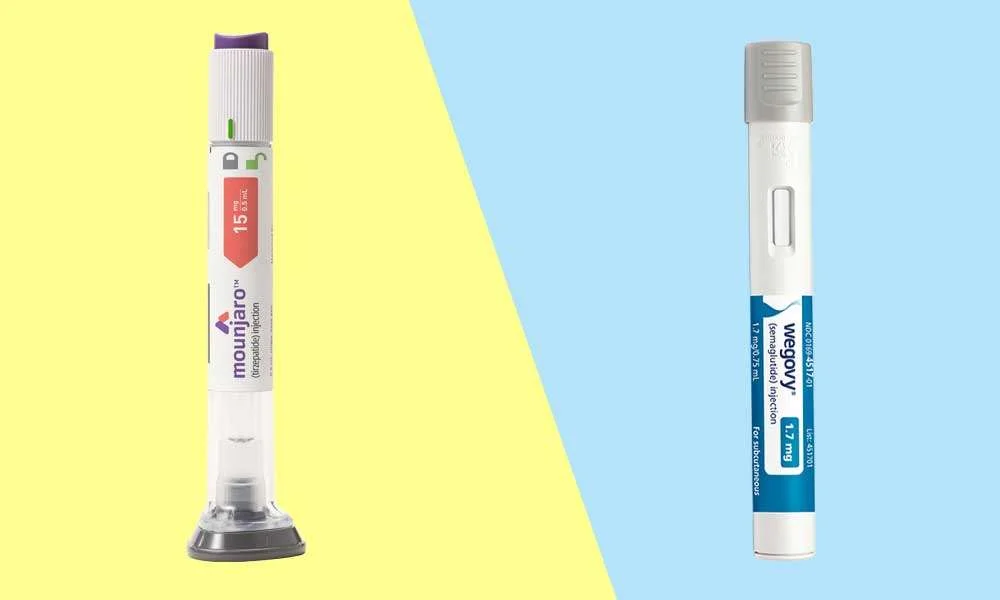
Mounjaro (tirzepatide) is a once-weekly injectable medication that the FDA approved for type 2 diabetes treatment in 2022 and for chronic weight management in 2023. Unlike other diabetes medications, Mounjaro activates two different hormone pathways in your body that naturally help control blood sugar and appetite.
The medication works through three main mechanisms:
-
- Blood sugar regulation: Stimulates insulin production when blood sugar rises and prevents your liver from making excess glucose.
- Appetite control: Activates brain receptors that control hunger, helping you feel full sooner during meals.
- Gastric emptying: Slows digestion to prevent blood sugar spikes and supports weight management.
You inject Mounjaro once weekly under your skin using a pre-filled pen. Most people start with a lower dose and gradually increase it over several months to help their body adjust to the medication.
What Are Blood Clots and Why Do They Matter?
Blood clots form when your blood thickens and aggregates together inside blood vessels. While your body naturally forms clots to stop bleeding from injuries, problems arise when clots develop without an injury and block blood flow.
People with diabetes face a higher baseline risk for blood clots due to elevated blood sugar levels, inflammation, and changes in blood vessel function. The main types of dangerous blood clots include:
-
- Deep vein thrombosis (DVT): Clots in deep veins of your legs or arms that cause swelling, pain, and warmth.
- Pulmonary embolism (PE): Clots that travel to your lungs and block blood flow, causing sudden shortness of breath and chest pain.
- Arterial clots: Less common but serious clots in arteries that can lead to heart attacks or strokes.
Blood clots become dangerous when they prevent oxygen and nutrients from reaching tissues and organs, potentially causing permanent damage or death if not treated promptly.
Does Current Research Show Mounjaro Causes Blood Clots?
The most current evidence indicates that tirzepatide and blood clots are not linked in a way that increases your risk. Recent large-scale studies found that people with diabetes using GLP-1 drugs like Mounjaro lowered their odds for blood clots by 22% compared to DPP-4 inhibitors.
The FDA documentation for tirzepatide doesn’t list blood clots as a side effect. Their conclusion comes from reviewing safety data from clinical trials with thousands of patients — the gold standard for medication safety.
Not all research tells the same story, though — and these contradictions are worth unpacking. Earlier studies on similar GLP-1 drugs raised concerns, but more recent comprehensive research paints a different picture:
- A 2024 observational study of over 650,000 patients found 18% lower blood clot risk with GLP-1 drugs after one year.
- The SURPASS clinical trial program evaluated tirzepatide in over 13,000 patients and found no increased risk compared to other treatments.
- Post-marketing surveillance data from hundreds of thousands of users show no increased blood clot reports.
Emerging research suggests GLP-1 drugs may have protective effects against blood clots, although the exact mechanisms are not fully understood. Some people had lower DVT risk just weeks after starting treatment, before significant weight loss occurred, suggesting alternative protective mechanisms beyond weight reduction.
Recognizing Blood Clot Symptoms While Taking Mounjaro

Even though current research shows Mounjaro doesn’t increase blood clot risk, knowing what symptoms to watch for remains important. Early recognition can make a significant difference if a clot develops for other reasons related to your underlying health conditions.
Watch for these symptoms and seek immediate medical attention if they occur:
-
- Leg symptoms: Pain, swelling, or tenderness in one leg, especially your calf or thigh area, with warmth or discoloration.
- Breathing problems: Sudden shortness of breath that comes on quickly without an obvious cause.
- Chest issues: Sharp, stabbing chest pain that worsens when you breathe deeply or move around.
- Heart changes: Rapid heart rate, especially when combined with breathing difficulties.
These symptoms can appear gradually or suddenly. The combination of sudden shortness of breath with chest pain and rapid heart rate particularly warrants emergency medical care.
Contact your healthcare provider immediately if you notice any of these symptoms while taking Mounjaro. While the medication itself doesn’t appear to cause blood clots, your underlying diabetes and other health factors still carry a baseline risk that requires prompt evaluation.
Articles you may also be interested in



How to Minimize Blood Clot Risk on Mounjaro
While Mounjaro itself doesn’t cause blood clots, your individual health factors and medication response still matter when assessing your risk. Taking proactive steps can help you feel more confident about your treatment.
Managing Long-Term Mounjaro Treatment
If you’re looking into Mounjaro for long-term diabetes management, understanding the blood clot safety profile can help you feel confident about continuing treatment. The evidence consistently shows that rather than causing blood clots, Mounjaro may offer protective benefits compared to other diabetes medications.
Understanding this safety profile matters even more when you’re figuring out how to afford ongoing treatment, which you’ll need to prevent serious diabetes complications. Paying for Mounjaro can hit your wallet hard, which can feel overwhelming when you’re managing ongoing health expenses.
Buy Canadian Insulin provides access to Mounjaro through licensed Canadian pharmacies at prices that can help make long-term treatment more manageable. You can order Mounjaro online at discounted prices with all prescriptions verified by both U.S. doctors and Canadian pharmacists to meet safety standards.
The service offers significant savings with secure, insulated packaging shipped directly to your home. This approach helps ensure you can maintain consistent treatment while managing costs — important for both your diabetes control and peace of mind about medication safety.
Frequently Asked Questions



