
Millions of adults live with type 2 diabetes, a disease that develops when the body cannot effectively regulate blood sugar. In addition to lifestyle changes, medication can be used to improve blood sugar levels and lower the risk of developing serious complications from the disease. Trulicity is a once-weekly injectable medication with proven benefits for patients with type 2 diabetes. Continue reading to learn how it works and how it compares to competitors.
What Is Trulicity?
Trulicity, also known as dulaglutide, is a prescription medication used to:
- Control blood sugar levels in patients with type 2 diabetes
- Reduce the risk of major cardiovascular events, such as a heart attack or stroke, in patients with type 2 diabetes and established heart disease
- Reduce the risk of major cardiovascular events in patients with type 2 diabetes and multiple risk factors for heart disease, like high blood pressure or high cholesterol
Trulicity is approved for patients as young as 10 years old and should be used in combination with diet and exercise to achieve optimal results.
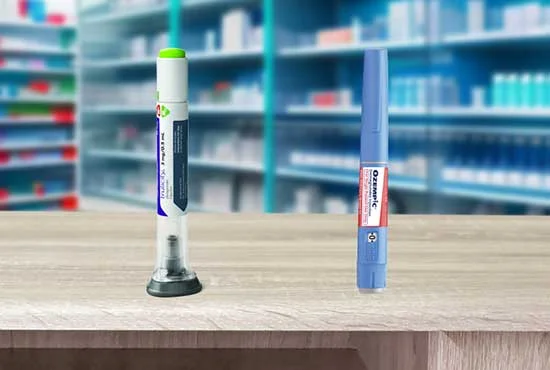
Trulicity is administered once a week by a subcutaneous (under-the-skin) injection. It comes as single-dose pens packaged in boxes of four to provide a month’s worth of therapy. Most patients find Trulicity pens easy to use.
Patients can self-inject the medication into their abdomen or thigh, or may have assistance injecting into the back of the upper arm. Injection sites should be rotated to prevent tissue buildup and scarring, though the same general area can be used if a different spot on the skin is chosen each week.
The recommended starting dose for Trulicity in adult and pediatric patients is 0.75 mg once weekly. After four weeks, the dose can be increased to 1.5 mg if greater reductions in blood sugar are needed. For pediatric patients, 1.5 mg once weekly is the maximum dose. Adult patients may increase their dosage in 1.5 mg increments (up to a maximum of 4.5 mg weekly) after at least four weeks on the 1.5 mg dose.
Trulicity injections can be given at any time of day, with or without food. They should be administered on the same day each week, but can change if at least three days have passed since the last dose. Trulicity should be stored in the refrigerator, although if needed, pens can be kept at room temperature for a maximum of 14 days. Trulicity should not be kept in the freezer and should be discarded if frozen.

Trulicity Ingredients & How It Works
The active ingredient in Trulicity is dulaglutide. It belongs to a class of medications called glucagon-like peptide-1 (GLP-1) receptor agonists. These drugs work by activating the GLP-1 receptor, which controls how sugars are processed in the body. When the GLP-1 receptor is activated,
Insulin secretion increases
Insulin, a type of hormone, sends signals that trigger cells to take up sugar from the blood.
Glucagon secretion decreases
Glucagon prompts the liver to break down stored carbohydrates, which releases sugar into the blood. By suppressing glucagon, no extra sugar enters the bloodstream.
Gastric emptying slows
Food stays in the stomach for longer, and digestion slows, limiting the amount of sugar that gets released into the blood. This effect also increases the feeling of fullness and suppresses appetite.
Other ingredients in the water-based solution include citric acid anhydrous, mannitol, polysorbate 80, and trisodium citrate dihydrate. These ingredients are inactive and don’t contribute to the therapeutic effect of Trulicity.
Common Trulicity Side Effects
The most common side effects of Trulicity affect the gastrointestinal (GI) system due to the way the drug works. These include:
- Nausea
- Vomiting
- Diarrhea
- Decreased appetite
- Stomach pain
These side effects are often mild and do not require medical attention. Some can go away with time as the body adjusts to treatment. Behavior modifications, such as stopping eating when full or reducing dietary intake, can help patients manage side effects. If side effects persist or become bothersome, patients can report them to their healthcare provider.

Serious side effects that require urgent medical attention are rare but can occur. Listed below are several examples and signs to look out for:
- Inflamed pancreas (acute pancreatitis): Monitor for severe abdominal pain, which can radiate through the back. This may or may not be accompanied by vomiting.
- Low blood sugar (hypoglycemia): Patients using Trulicity in combination with other diabetes medications, especially insulin or sulfonylurea drugs, may have their blood sugar reduced too much, a condition called hypoglycemia. Symptoms include dizziness, shakiness, fast heartbeat, confusion, or sweating.
- Serious allergic reactions: Allergic reactions, including anaphylaxis and angioedema, can occur and are life-threatening. If patients have hives, itching, or swelling of the face, tongue, lips, or throat, they may be allergic to Trulicity.
- Kidney damage due to dehydration: Signs of dehydration include increased thirst, dry mouth, discolored urine, and feeling faint. If untreated, dehydration can lead to kidney damage. A change in urine output or swelling of the legs and feet may indicate that kidney injury has occurred. It is important to drink lots of fluids to help reduce the risk of dehydration.
- Thyroid cancer: This medication has been shown to cause thyroid tumors in rats, but it is not known if it increases the risk for thyroid cancer in humans. Monitor for masses or lumps in the neck, pain or trouble swallowing, hoarseness, and breathing difficulty.
- Gallbladder Disease: Persistent abdominal pain, nausea, or vomiting may indicate gallbladder problems.
- Diabetic retinopathy complications: For patients who have previously experienced diabetic retinopathy, taking Trulicity can make their symptoms worse. Signs of complications include blurred vision or vision loss.
Does Trulicity Cause Constipation?
Patients taking Trulicity may experience GI-related side effects. Constipation is an uncommon side effect that may go away in time as the body adjusts to the medication. In clinical trials, patients were more likely to experience diarrhea (9-13%) than constipation (< 4%), although both effects are possible from using the medication. If constipation doesn’t go away or is discomforting, patients can discuss it with their doctor.
Medications That Cause Constipation
A variety of factors can contribute to constipation, including diet, sedentary lifestyle, and health conditions. It is also a side effect of many medications, such as:
- Pain medications, especially opioids
- Anticholinergics
- Antihistamines
- Antidepressants
- Blood pressure medications
- Iron supplements
This list is not all-inclusive. If patients are experiencing constipation due to a medication that they must take regularly, they should seek advice from a healthcare provider to come up with a long-term solution. Reducing the dose of medication or switching to another drug class may be options to consider. Patients should not stop their medication without discussing it with their doctor first.
Trulicity Dosing and Constipation Risk
In clinical trials, less than 4% of patients reported constipation as a side effect of taking Trulicity. Although some side effects of Trulicity are dose-dependent, meaning that taking a higher dose increases the risk of side effects, constipation isn’t one of them. The chances of experiencing constipation did not increase with taking higher doses.
| Medication Strength | % of Patients with Constipation |
| Placebo (0 mg) | 0.7% |
| Trulicity 0.75 mg | 3.9% |
| Trulicity 1.5 mg | 3.7% |
Benefits of Trulicity Despite Constipation Risk
The risk of constipation is small but possible when taking Trulicity. Although experiencing side effects can be uncomfortable, Trulicity has many benefits for helping patients manage their type 2 diabetes. For instance, Trulicity lowers blood sugar both during fasting states and after eating meals, working effectively even after only one dose. This helps limit complications from type 2 diabetes, which, when left untreated, can progress to cause heart, kidney, eye, and nerve damage. Trulicity also has proven benefits for patients with heart disease or risk factors for heart disease. Though not indicated for weight loss, evidence from clinical trials shows that Trulicity may help lower weight and body mass index.
Using Trulicity with Metformin
Metformin is another popular choice for type 2 diabetes management. Although it works differently from Trulicity, it has the same effect of lowering blood sugar in both the fasting and fed states. If blood sugar levels are still not at target goals, metformin and Trulicity may be used together. This combination is recommended by diabetes guidelines for patients who have diabetes and heart disease or are at increased risk for developing heart disease. Overall, these medications can be used together safely and can have additive benefits for lowering blood sugar levels.
How Long Does Trulicity Stay in Your System?
Trulicity has a half-life of about 5 days, meaning it takes about 5 days for half a dose of medication to clear from the body. It would take another 5 days to get rid of the amount that is left, and so on, until the drug is fully eliminated. Since most drugs are fully eliminated from the body between 4-5 half-lives, it is estimated that Trulicity lasts in the body for just under one month.
Comparing Trulicity vs Ozempic vs Mounjaro
Drug Classification & How They Work
Trulicity is a GLP-1 receptor agonist. It works by increasing insulin release, decreasing glucagon release, and delaying gastric emptying.
Ozempic is another GLP-1 receptor agonist. It works the same way as Trulicity- increasing insulin release, decreasing glucagon release, and delaying gastric emptying.
Mounjaro is a combined GLP-1 and GIP receptor agonist. In addition to increasing insulin release, it also makes cells more sensitive and responsive to insulin’s signals. Like the other GLP-1 receptors, Mounjaro also decreases glucagon release and delays gastric emptying.
Indications
All three medications are indicated alongside diet and exercise to improve blood sugar control in adults with type 2 diabetes mellitus.
Trulicity and Ozempic are also FDA-approved to reduce the risk of major adverse cardiovascular events in adults with type 2 diabetes mellitus who have established cardiovascular disease.
Not only does Trulicity benefit patients with established heart disease, but it can also be used to protect against heart disease for patients with risk factors. Additionally, Trulicity can be used in patients as young as 10 years old, whereas Ozempic and Mounjaro should be used in adult patients only.
Ozempic has recently been FDA-approved as the only GLP-1 RA to reduce the risk of worsening kidney disease and cardiovascular death in adults with type 2 diabetes and chronic kidney disease.
Administration
All three drugs come as once-weekly injections for the abdomen, thigh, or upper arm. The Ozempic pen contains multiple doses, whereas the Trulicity and Mounjaro pens are one-time use only. Each of these three medications can be administered at any time of day, with or without meals.
Most Common Side Effects
The most common side effects (>5% of patients in clinical trials) across all three medications include:
- Nausea
- Vomiting
- Diarrhea
- Abdominal pain
Certain drugs list additional common side effects:
- Constipation (Ozempic and Mounjaro)
- Decreased appetite (Trulicity and Mounjaro)
- Indigestion (Mounjaro only)
Added Benefits
Trulicity:
- Can be used in pediatric patients 10 years of age or older
- Protects against stroke and heart attack in patients with heart disease
- Protects at-risk patients from developing heart disease
Ozempic:
- Protects against stroke and heart attack in patients with heart or kidney disease
- Reduces the risk of kidney failure and disease progression in patients who have chronic kidney disease
- In clinical trials, Ozempic had better efficacy at controlling blood sugar than Trulicity
- Evidence from trials shows that patients on Ozempic lost more weight than those on Trulicity
Mounjaro:
- Targets two receptors for greater effects
- Proven to cause greater weight loss and blood sugar control compared to competitors
Alternatives and Substitutes for Trulicity
There are several different types of drugs that work well to control blood sugar in patients with type 2 diabetes. Other popular options include, but are not limited to:
- Other GLP-1 Receptor Agonists
- Combined GLP-1 and GIP Receptor Agonists
- Sulfonylureas
- DPP-4 inhibitors
- SGLT2 inhibitors
Each class of diabetes medications works in distinct ways to help patients manage their blood sugar levels. They also have different side effects or may work better for patients with underlying health conditions. A healthcare professional can guide patients to the best treatment option.
Articles you may also be interested in



Managing Constipation While Using Trulicity
Although uncommon, patients may experience constipation when using GLP-1 receptor agonist drugs like Trulicity. This can typically be managed with dietary and behavioral modifications. Patients should focus on staying hydrated, consuming enough fiber, and getting regular exercise. Bowel training, or attempting to have a bowel movement at the same time each day, may also improve constipation by promoting the normal frequency and pattern of bowel movements.
If needed, over-the-counter medications can help provide constipation relief. Several options are readily available at the pharmacy and do not require a prescription, such as laxatives or stool softeners.
Patients should also discuss their side effects with their healthcare providers. Doctors may be able to adjust the dose of Trulicity or see if other medications are contributing to the problem. Patients should not discontinue Trulicity without discussing it with their doctor first.
Conclusion
Trulicity is an effective medication for patients with type 2 diabetes, helping to control blood sugar levels and limit cardiovascular complications. As a GLP-1 receptor agonist, it mimics the GLP-1 hormone in the body to improve blood sugar levels and slow digestion. Trulicity is given as a once-weekly injection, which most patients find easy to use. The most common side effects from the medication affect the GI system, and although constipation is uncommon, dietary and behavioral changes can help manage it.


