
Insulin is a vital hormone for people with diabetes, helping to regulate blood sugar levels. But what happens when insulin passes its expiration date? Many people wonder if using expired insulin is dangerous or if it’s just a minor issue. While expired insulin may seem harmless, it can have serious effects on its effectiveness and, ultimately, your health. So, what really happens if you use expired insulin? Let’s dive in!
When Does Insulin Expire?
Insulin typically expires 2 to 3 years after the date of manufacture if it has not been opened. However, once opened, the expiration date changes and most manufacturers recommend using it within 28 to 30 days. This shorter window is because insulin begins to degrade and lose effectiveness once it’s exposed to air, light, and changes in temperature.
To ensure safe diabetes management, refer to this insulin expiration chart detailing how long each type lasts after opening:
Insulin Expiration Chart
| Insulin Name | Expiration Upon Opening or Removing from Refrigerator |
| Insulin Glulisine (Apidra Solostar) | 28 days |
| Insulin Lispro (Humalog, Admelog, Lyumjev) | 28 days |
| Insulin Lispro; Insulin Lispro Protamine (Humalog Mix 50/50 and 75/25) | 10 days |
| Isophane Insulin (NPH) – Humulin N KwikPen | 14 days |
| Regular Insulin (Humulin R KwikPen) U-500 | 28 days |
| Regular Insulin; Isophane NPH (Humulin 70/30 KwikPen) | 10 days |
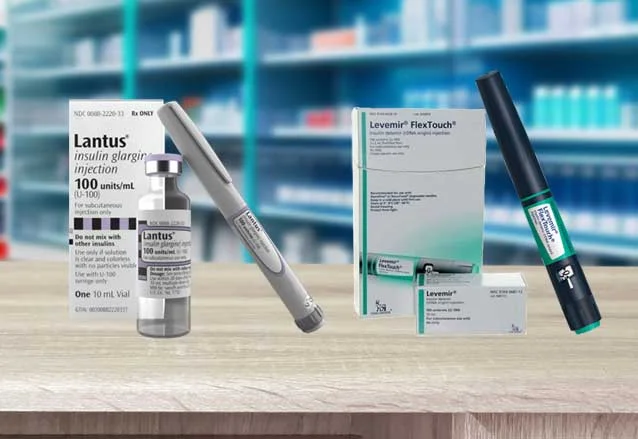
| Insulin Glargine U-100 (Lantus, Basaglar, Semglee) | 28 days |
| Insulin Detemir (Levemir Flextouch) | 42 days |
| Isophane Insulin (NPH) – Novolin N FlexPen | 28 days |
| Regular Insulin (Novolin R FlexPen) | 28 days |
| Regular Insulin; Isophane Insulin (NPH) (Novolin 70/30 FlexPen) | 28 days |
| Insulin Aspart (Novolog FlexPen) | 28 days |
| Insulin Aspart; Insulin Aspart Protamine (Novolog Mix 70/30 FlexPen) | 14 days |
| Insulin Glargine U-300 (Toujeo Solostar) | 56 days |
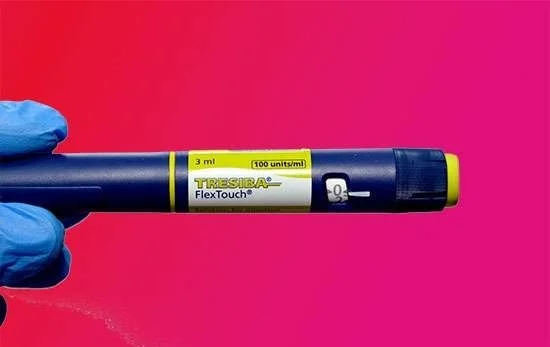
| Insulin Degludec (Tresiba Flextouch) | 56 days |
Note: All pens, except Tresiba, should be stored at room temperature once opened. DO NOT REFRIGERATE. Tresiba, once opened, can be stored either in the refrigerator or at room temperature below 86°F (30°C).
Does Expired Insulin Lose Its Effectiveness?
Yes, expired insulin can lose its effectiveness over time. Insulin is a protein-based hormone, and as it ages, its chemical structure begins to break down, making it less potent. The degradation process is influenced by several factors, such as temperature, light exposure, and how long the insulin has been open.
When insulin is past its expiration date, it may not be able to lower blood sugar levels as effectively as it should. This is because the active ingredients in the insulin have started to degrade, reducing its ability to bind to insulin receptors and promote the uptake of glucose into cells. As a result, people who use expired insulin may experience higher blood sugar levels, leading to poor glycemic control and increased risks of complications like hyperglycemia.
Additionally, the risk of insulin aggregation increases after the expiration date. Aggregated insulin can form clumps or precipitates that are not usable by the body. This makes expired insulin unpredictable in its action and can lead to inconsistent blood sugar management. Even though expired insulin is unlikely to be harmful in small doses, its reduced effectiveness can compromise diabetes management, especially for those who rely on tight control of their glucose levels.
Risks of Using Expired Insulin

Below are the primary risks associated with using expired insulin:
- High Blood Sugar (Hyperglycemia). Expired insulin may not work effectively to lower blood sugar levels, resulting in persistent hyperglycemia. Over time, this can lead to symptoms such as excessive thirst, frequent urination, fatigue, and blurred vision. If left unaddressed, it can contribute to long-term complications like nerve damage, kidney issues, and cardiovascular problems.
- Diabetic Ketoacidosis (DKA). For individuals with type 1 diabetes or those with high insulin dependency, expired insulin increases the risk of DKA. When the body cannot utilize insulin properly, it starts breaking down fat for energy, producing toxic acids called ketones. Symptoms of DKA include nausea, vomiting, rapid breathing, and abdominal pain. DKA is a medical emergency that requires immediate attention.
- Unpredictable Effects. Expired insulin can degrade unevenly, making its potency inconsistent. This unpredictability means that a dose might be either too weak or too strong, leading to unstable blood sugar levels and increasing the risk of both hyperglycemia and hypoglycemia.
Delayed Recognition of Ineffective Insulin. Some individuals may not immediately recognize that expired insulin is causing their symptoms. This delay in action can worsen their condition, leading to a cycle of ineffective management and health deterioration.
How to Properly Store Insulin to Prevent Early Expiration

Proper storage of insulin is crucial to ensure its effectiveness and prevent early degradation. Insulin is a sensitive medication that requires specific conditions to maintain its stability.
Below are detailed guidelines for storing insulin correctly:
- Storage for Unopened Insulin. Unopened insulin should always be stored in a refrigerator at a temperature between 36°F and 46°F (2°C to 8°C). Insulin should never be frozen, as freezing can alter its structure and make it ineffective. Keep insulin away from areas in the refrigerator where temperatures may fluctuate, such as near the freezer compartment.
- Storage for Opened Insulin. Once opened, most types of insulin can be stored at room temperature, typically between 59°F and 86°F (15°C to 30°C), for a specified period, usually 28 days. Check the packaging or instructions for the exact timeline, as this can vary depending on the brand and type of insulin.
- Protect From Light and Heat. Insulin should be kept away from direct sunlight, heat sources, and areas prone to extreme temperatures, such as cars or near windows. Heat can cause the protein structure of insulin to degrade, reducing its effectiveness.
- Use Expiration Dates as a Guide. Always check the expiration date printed on the insulin vial or pen. For opened insulin, follow the manufacturer’s guidelines on how long it remains effective after opening, regardless of the printed expiration date.
- Traveling With Insulin. When traveling, store insulin in an insulated cooler with ice packs to maintain the required temperature. Ensure the insulin does not freeze by placing it in a protective case or wrapping it in a cloth before placing it in the cooler. Many specialized travel kits are designed to keep insulin at safe temperatures.
What Should You Do If You’ve Used Expired Insulin?

If you’ve accidentally used expired insulin, it’s important to stay proactive in managing your blood sugar levels and monitor any changes. Since expired insulin may not effectively control blood sugar, here are the steps you should follow to minimize risks and correct any imbalances:
- Check your glucose levels more frequently to ensure they are within the target range.
- If you notice high blood sugar levels, administer a fresh dose of insulin and recheck levels after a few hours.
- Look out for signs like excessive thirst, frequent urination, fatigue, and blurred vision.
- If you experience nausea, vomiting, deep breathing, or confusion, seek medical attention immediately.
- If you’re unsure about the severity of the situation, it’s best to get professional advice on the next steps.
- Make sure to dispose of any expired insulin properly and replace it with a fresh supply as soon as possible.
Alternatives if Your Insulin Has Expired
If your insulin has expired and you don’t have a replacement on hand, there are a few alternatives to consider. The most important step is to ensure that your blood sugar is still managed effectively. Here are some options:
- Check your emergency supply: Many people keep an extra vial or pen of insulin as a backup. If you have an unopened or unexpired insulin supply, use it to manage your blood sugar.
- Reach out to a pharmacy or healthcare provider: In case you don’t have extra insulin, contact your pharmacy to ask if they can provide you with a short-term supply. Some pharmacies may offer immediate access or be able to work with your healthcare provider to provide a quick solution.
- Consider insulin from BuyCanadianInsulin.com: If you’re unable to obtain insulin locally, online options like BuyCanadianInsulin.com offer a reliable and affordable alternative for obtaining insulin, sometimes at a lower price than local pharmacies.
- Explore insulin alternatives: While insulin is the primary treatment for diabetes, other medications such as GLP-1 receptor agonists (e.g., liraglutide, semaglutide) or oral medications like metformin may help manage blood sugar temporarily. Always discuss alternatives with your healthcare provider before switching.
Conclusion
Checking the expiration date of insulin is critical for managing diabetes safely and effectively. Using expired insulin can lead to inconsistent blood sugar control, increased risk of hyperglycemia, and severe complications like diabetic ketoacidosis (DKA). Proper storage and regular monitoring of your insulin supply can help prevent these issues. If you find yourself with expired insulin, act quickly to replace it using reliable sources such as local pharmacies or online platforms like BuyCanadianInsulin.com. Prioritize your health by ensuring your insulin is always safe and effective.
Frequently Asked Questions
Articles you may also be interested in


Sources
Harvard Health Publishing. (2018). Safe and effective use of insulin requires proper storage. Retrieved from https://www.health.harvard.edu/blog/safe-and-effective-use-of-insulin-requires-proper-storage-2018120415486
Heinemann, L., Braune, K., Carter, A., Zayani, A., & Krämer, L. A. (2020). Insulin storage: A critical reappraisal. Journal of Diabetes Science and Technology, 15(1), 147–159. Retrieved from https://pmc.ncbi.nlm.nih.gov/articles/PMC7783014/
Yezli, S., Yassin, Y., Mushi, A., Balkhi, B., & Khan, A. (2021). Insulin knowledge, handling, and storage among diabetic pilgrims during the Hajj mass gathering. Journal of Diabetes Research, 2021, Article 5596914. Retrieved from https://pmc.ncbi.nlm.nih.gov/articles/PMC8179780/
Cleveland Clinic. (n.d.). Hyperglycemia (high blood sugar). Retrieved from https://my.clevelandclinic.org/health/diseases/9815-hyperglycemia-high-blood-sugar
Cleveland Clinic. (n.d.). Diabetic ketoacidosis (DKA). Retrieved from https://my.clevelandclinic.org/health/diseases/21945-diabetic-ketoacidosis-dka
U.S. Food and Drug Administration. (n.d.). Information regarding insulin storage and switching between products in an emergency. Retrieved from https://www.fda.gov/drugs/emergency-preparedness-drugs/information-regarding-insulin-storage-and-switching-between-products-emergency
Feingold, K. R., Anawalt, B., Blackman, M. R., et al. (Eds.). (2023). Insulin: Pharmacology, therapeutic regimens, and principles of intensive insulin therapy. In Endotext [Internet]. MDText.com, Inc. Retrieved from https://www.ncbi.nlm.nih.gov/books/NBK278938/


