
Knowing your blood sugar level quickly is essential because it helps you stay within your target range and avoid both high and low-blood sugar emergencies. If your blood sugar level goes too high or too low, it can lead to serious health issues, such as fainting, seizures, or even a diabetic coma. By checking your blood glucose regularly, you can take immediate action if your levels are not where they should be. Additionally, tracking your blood glucose readings over time is beneficial as it provides valuable information about how different activities, foods, and medications affect your blood sugar. In this article, you will learn how to accurately check your blood sugar levels, the necessary supplies, and why it’s important to monitor your blood sugar closely.
Benefits of Accurate Blood Sugar Monitoring

Accurate readings help individuals make informed decisions about their diet, exercise, and medication. By knowing their current blood sugar levels, they can adjust their daily routines to maintain optimal glucose levels, preventing spikes and crashes. Regular monitoring helps in early detection of hyperglycemia (high blood sugar) and hypoglycemia (low blood sugar). Early detection allows for timely intervention, reducing the risk of severe complications such as diabetic ketoacidosis, neuropathy, retinopathy, and cardiovascular diseases. Doctors rely on accurate blood sugar data to tailor treatment plans to individual needs. This customization can improve the effectiveness of medications and insulin therapy, ensuring better overall diabetes control. You may benefit from regular blood sugar monitoring if you take insulin, are pregnant, have difficulty reaching your blood glucose targets, experience frequent low blood sugar episodes, have low blood glucose levels without the usual warning signs, are sick, or have just had surgery.
Supplies Needed for Blood Glucose Monitoring

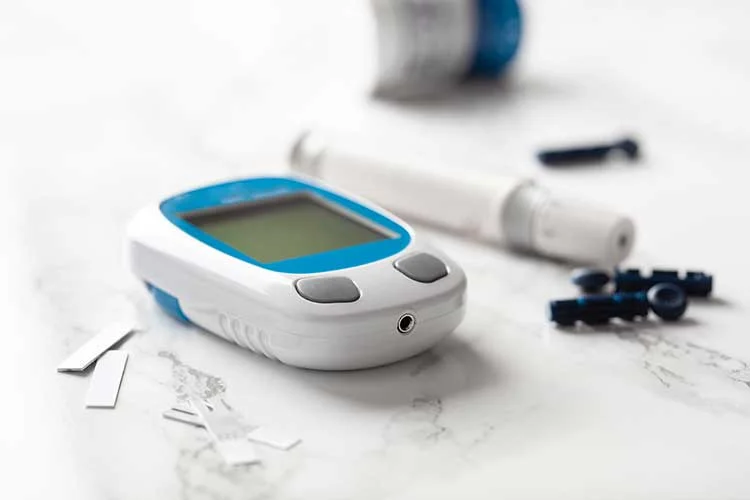
To monitor your blood glucose levels accurately, you need several supplies:
- Blood Glucose Meter (Glucometer): This device reads your blood sugar levels from a small blood sample.
- Lancets and Lancing Device: Lancets are tiny needles used to prick your finger, and the lancing device holds and controls the lancet for a quick and less painful prick.
- Test Strips: These strips collect the blood sample and are inserted into the glucometer for reading.
- Alcohol Swabs: These are used to clean your finger before pricking to prevent infection.
- Cotton Balls or Gauze Pads: These are used to stop the bleeding after pricking your finger.
- Bandages (if needed): These can cover the prick site if it continues to bleed.
How to Test Your Blood Sugar

Testing your blood sugar levels is a simple yet vital part of managing diabetes. By following a consistent testing routine, you can ensure accurate results, reduce the risk of infection, and effectively monitor your blood sugar levels. Here is a step-by-step guide to help you accurately check your blood sugar levels.
Wash Your Hands
Start by washing your hands with warm, soapy water. This is important to remove any substances that could interfere with your blood sugar reading. Dry your hands thoroughly with a clean towel to ensure your skin is dry, which helps in getting a good blood sample.
Prepare the Lancet
Insert a clean needle into the lancing device. This device holds the needle securely and uses a spring-loaded mechanism to prick your finger quickly and minimally painfully. Make sure the lancet is new and sterile to prevent infection.
Get a Test Strip
With clean hands, remove a new test strip from the bottle or box. Be careful not to touch the part of the strip where blood will be applied, as this can contaminate it. Close the container tightly to keep the remaining strips dry and clean.
Insert the Strip
Insert the test strip into your blood glucose meter according to the manufacturer’s instructions. Some meters require the strip to be inserted before pricking your finger, while others may vary.
Stick Your Finger
Using the lancing device, prick the side of your fingertip. The side of the fingertip is usually less sensitive than the pad, making the process less painful. Ensure you are using the correct depth setting on the lancing device to get an adequate blood sample.
Collect Your Sample
Wipe off the first drop of blood, as it may contain tissue fluid that can alter your reading. Gently squeeze your finger from the base to the tip to encourage a second drop of blood to form. Place this drop on the test strip, ensuring you have enough blood for the meter to read.
Stop the Bleeding
After collecting the blood sample, press a clean cotton ball or gauze pad on the pricked area. Apply gentle pressure until the bleeding stops. If necessary, a small bandage can be used to cover the site.
Blood Sugar Testing Mistakes to Avoid
Common mistakes can lead to inaccurate readings, which can affect your health decisions. Here are some key mistakes to avoid:
- Not washing your hands: Testing with dirty hands can contaminate your blood sample and give inaccurate results. Always wash your hands with soap and water before testing.
- Using expired test strips: Expired test strips can give incorrect readings. Check the expiration date on the test strip container and store them in a cool, dry place.
- Not using enough blood: Using too little blood can result in an error message or inaccurate reading. Make sure to get a good-sized drop of blood before applying it to the test strip.
- Squeezing your finger too hard: Squeezing your finger can cause tissue fluid to mix with your blood sample, leading to inaccurate results. Gently massage your finger from the base to the tip to encourage blood flow without excessive squeezing.
- Testing at the same site repeatedly: Repeatedly testing at the same site can cause soreness and calluses. To avoid this issue, rotate testing sites between different fingers.
- Ignoring meter maintenance: Not regularly cleaning your meter or replacing batteries can affect its accuracy. Follow the manufacturer’s instructions for cleaning and maintenance to ensure reliable readings.
- Skipping calibration or control tests: Some meters require calibration or control tests to ensure accuracy. Skipping these steps can lead to incorrect readings. Always follow the meter’s instructions for calibration and use the control solution as directed.
How Often Should I Check My Blood Sugar?

The frequency of blood sugar testing depends on several factors, including the type of diabetes you have, your treatment plan, and your daily activities. Here are some general guidelines:
Type 1 Diabetes
People with type 1 diabetes typically need to check their blood sugar levels multiple times a day. This includes before and after meals, before and after exercise, before bedtime, and sometimes during the night. Regular testing helps manage insulin doses and maintain stable blood sugar levels.
Type 2 Diabetes
For those with type 2 diabetes, the frequency of testing can vary. If you are on insulin or other medications that can cause low blood sugar, you may need to test several times a day. If you manage your diabetes with diet and exercise alone, you might need to test less frequently, such as once or twice a day or a few times a week.
Gestational Diabetes
Pregnant women with gestational diabetes usually need to check their blood sugar levels four times a day: fasting in the morning and after meals. This helps ensure that both the mother’s and the baby’s blood sugar levels remain within the target range.
Other Factors
Your doctor might recommend more frequent testing if you are experiencing changes in your routine, such as illness, new medications, changes in diet, or increased physical activity. Stress and travel can also impact blood sugar levels, necessitating more frequent checks.
Tips for Successful Blood Sugar Monitoring
Effective blood sugar monitoring involves more than just taking regular readings. It requires a systematic approach to ensure accuracy and reliability. Here are some practical tips to help you monitor your blood sugar levels successfully.
Keep Your Meter and Supplies with You
Always carry your blood glucose meter, lancets, test strips, alcohol swabs, and any other supplies you use for monitoring. This ensures that you are always prepared to check your blood sugar levels, regardless of where you are.
Store and Monitor Your Testing Strips
It’s important to check the expiration dates on your test strips regularly. Expired strips can give inaccurate results. To maintain their effectiveness, store your test strips in a cool, dry place away from sunlight and moisture.
Build Testing into Your Daily Routine
Consistency is key in blood sugar monitoring. Work with your doctor to create a testing schedule that fits into your daily routine. Set reminders on your phone or use a digital calendar to help you remember to test at the same times each day.
Verify Your Meter’s Accuracy
To ensure your meter is providing accurate readings, periodically test its accuracy using the control solution that comes with it. You can also take your meter to your doctor’s appointment and compare its readings with the lab results to verify its accuracy.
Log Your Blood Sugar Daily
Keep a detailed log of your blood sugar readings. You can use a physical journal or an app to record your results. Include the time of day you tested and any relevant information, such as what you ate or your activity level. This helps you and your doctor understand patterns and make informed decisions about your care.
Prevent Infection
To prevent infection, follow the CDC’s guidelines for safe blood sugar monitoring. Use a new lancet for each test, never share your monitoring equipment, and dispose of used lancets and strips properly. Ensure the area you prick is clean, and wait until the bleeding stops before resuming activities.
Preventing Sore Fingertips
Frequent blood sugar testing can lead to sore fingertips, but there are several strategies you can use to minimize discomfort. By taking a few simple precautions, you can make the process less painful and protect your fingers from becoming sore.
- Avoid reusing lancets: Always use a new lancet for each test. Reusing lancets can dull the needle, making pricks more painful and increasing the risk of infection. Fresh, sharp lancets ensure a cleaner and less painful puncture.
- Prick the side of your finger: Instead of pricking the pad of your fingertip, aim for the side. The sides of your fingers have fewer nerve endings, which makes the prick less painful. This also helps preserve the sensitivity of your fingertips.
- Avoid squeezing your finger: When you need to get a blood sample, avoid squeezing your fingertip too hard. Squeezing can cause bruising and make your fingers sore. Instead, let your arm hang down to allow blood to flow to your fingertips, or gently massage your finger from the base toward the tip.
- Rotate fingers: Don’t use the same finger every time you test. Rotate between different fingers and different sides of each finger to give each one time to heal. This helps prevent any single finger from becoming too sore.
- Seek alternatives if pain persists: If you experience chronic pain in your fingers due to frequent testing, consider discussing alternative sites or methods with your doctor. Some blood glucose monitors allow for testing on other parts of the body, such as your palm or forearm, which can give your fingertips a break.
Understanding Blood Glucose Results
Understanding your blood glucose and A1C levels is essential for managing diabetes effectively. Doctors use these tests to diagnose diabetes or prediabetes based on your symptoms, risk factors, or routine screenings.
Blood glucose tests measure the sugar (glucose) levels in your blood at the time of the test. These tests help diagnose and monitor diabetes and prediabetes. There are several types of blood glucose tests:
Fasting Plasma Glucose (FPG) Test
This test measures your blood sugar after an overnight fast (not eating for at least 8 hours).
- Normal: Less than 100 mg/dL
- Prediabetes: 100 to 125 mg/dL (impaired fasting glucose)
- Diabetes: 126 mg/dL or higher on two separate tests
Oral Glucose Tolerance Test (OGTT)
This test involves fasting overnight and then drinking a sugary solution. Blood sugar levels are tested periodically over several hours.
- Normal: Less than 140 mg/dL
- Prediabetes: 140 to 199 mg/dL (impaired glucose tolerance)
- Diabetes: 200 mg/dL or higher on two separate tests
Random Plasma Glucose Test
This test measures blood sugar without regard to when you last ate.
A result of 200 mg/dL or higher, along with symptoms of diabetes, suggests diabetes.
A1C Test. The hemoglobin A1C test measures your average blood sugar over the past 2 to 3 months, providing an overall picture of blood sugar regulation. Here are the levels and what they mean:
- Normal: Less than 5.7%
- Prediabetes: 5.7% to 6.4%
- Diabetes: 6.5% or higher on two separate tests
Dealing with Abnormal Glucose Levels
If you notice consistent patterns or significant fluctuations, you can make informed adjustments to your lifestyle or treatment plan. Continuous monitoring also provides valuable data for your doctor, enabling them to tailor your management plan more precisely.
Sometimes, blood glucose levels can become dangerously high or low, requiring immediate medical attention. Be aware of the following symptoms:
High Blood Sugar (Hyperglycemia):
- Extreme thirst
- Frequent urination
- Blurred vision
- Fatigue
- Nausea
Low Blood Sugar (Hypoglycemia):
- Shaking or trembling
- Sweating
- Rapid heartbeat
- Dizziness or lightheadedness
If you experience any of these symptoms, it’s crucial to check your blood sugar immediately and take appropriate action. For hyperglycemia, you might need to take insulin or other medications as directed by your doctor. For hypoglycemia, consuming fast-acting carbohydrates like glucose tablets or juice can help raise your blood sugar levels quickly. If symptoms persist or worsen, seek medical help promptly.
Factors Affecting Blood Sugar Levels

Several factors can influence your blood sugar levels, making it essential to understand how each one affects you. Let’s discuss the factors below:
Food Intake and Timing
What you eat and when you eat it has a significant impact on your blood sugar levels. Carbohydrates, especially simple sugars, can cause a rapid increase in blood sugar. The timing of your meals is also crucial; eating large meals or skipping meals can lead to spikes or drops in your blood sugar levels. Eating smaller, balanced meals at regular intervals helps maintain more stable blood sugar levels.
Time of Day
Your blood sugar levels can vary throughout the day due to natural body rhythms. Many people experience higher blood sugar levels in the morning due to the “dawn phenomenon,” where hormones like cortisol and growth hormone increase blood sugar early in the morning. Monitoring your levels at different times of the day can help you understand these patterns and adjust your routine accordingly.
Hormone Levels
Hormones play a vital role in regulating blood sugar. Insulin lowers blood sugar levels, while other hormones, such as glucagon, cortisol, and adrenaline, can raise it. Stress, physical activity, and hormonal changes (such as during menstruation or menopause) can affect these hormone levels and, consequently, your blood sugar.
Infection or Illness
When your body is fighting an infection or illness, stress hormones are released, which can cause your blood sugar levels to rise. Conditions like the flu, a cold, or other infections can make blood sugar control more challenging. Monitoring your levels more frequently and adjusting your medication as needed during illness is crucial.
Medications
Certain medications can affect your blood sugar levels. For example, corticosteroids, some blood pressure medications, and antidepressants can raise blood sugar levels. On the other hand, diabetes medications, such as insulin and metformin, are designed to lower blood sugar. Always inform your doctor about all the medications you are taking so they can help you manage potential interactions and side effects.
Articles you may also be interested in



Conclusion
Accurate blood sugar monitoring is crucial for effective diabetes management. By consistently following proper procedures and using the right supplies, you can ensure reliable readings that help you stay on top of your health. Regular monitoring provides valuable insights into how factors like diet, exercise, and stress affect your blood sugar levels, enabling informed decisions and timely adjustments to your routine. This proactive approach not only helps prevent serious health complications but also empowers you to take control of your diabetes management.
Frequently Asked Questions
Sources
National Institute of Diabetes and Digestive and Kidney Diseases. (2021). Blood glucose monitoring. In Managing Diabetes (Publication No. NBK555976). National Institutes of Health. Retrieved from https://www.ncbi.nlm.nih.gov/books/NBK555976/
WebMD. (n.d.). Blood sugar testing mistakes. Retrieved from https://www.webmd.com/diabetes/ss/slideshow-blood-sugar-testing-mistakes
Cleveland Clinic. (n.d.). Blood sugar monitoring. Retrieved from https://my.clevelandclinic.org/health/treatments/17956-blood-sugar-monitoring
Holland, K. (2024, April 29). What to do if you have high blood glucose (BG) or A1C during a routine doctor’s visit. Healthline. Retrieved from https://www.healthline.com/health/diabetes/high-bg-or-a1c-during-routine-doc-visit#blood-glucose-and-a-1-c


