Insulin is a lifesaving medication for the 8.4 million Americans who rely on it to manage their diabetes. As a hormone that regulates blood sugar levels, insulin’s effectiveness is crucial for maintaining health and preventing complications in people with diabetes. Understanding the best practices for insulin storage can help prevent complications and ensure that insulin remains potent and safe to use.
Key Takeaways
- Insulin must be stored properly to maintain its effectiveness, preventing complications from poorly managed blood sugar levels. Exposure to extreme temperatures can degrade the hormone, rendering it ineffective.
- Unopened insulin should be refrigerated at 2°C to 8°C (36°F to 46°F). Once opened, most insulins can be stored at room temperature (15°C to 30°C or 59°F to 86°F) for up to 28 days. Humulin N KwikPen lasts 14 days at room temperature, while Toujeo SoloStar should always be refrigerated.
- Insulin expires, and its potency decreases over time. Check expiration dates and follow manufacturer guidelines for storage conditions. Improper storage can result in ineffective insulin, leading to high or low blood sugar.
- Insulin should be kept away from direct sunlight and heat sources. Use insulated bags with cold packs for travel to maintain a safe temperature. In emergencies, use ice packs or coolers to store insulin.
- Bad insulin can be identified by changes in color, clarity, or the presence of clumps or particles. Using spoiled insulin can result in poor blood sugar control. If suspected, replace it immediately.
- Unopened insulin lasts in the fridge until its expiration date, typically 1-2 years. Opened insulin, even if refrigerated, should be used within 28 days. Always follow the manufacturer’s guidelines to ensure effectiveness.
What is insulin?

Insulin is a natural hormone found within the body. The pancreas produces insulin, helping your body to regulate your blood sugar levels and use sugar as energy. Diabetes disrupts blood sugar levels, either through insufficient insulin production or via insulin resistance. By providing insulin to the body via injections, your blood sugar levels are more controlled. This helps to manage diabetes and prevent complications down the line.
Why Proper Storage is Important?
Improper storage can significantly impact insulin potency. Exposure to extreme temperatures, whether too hot or too cold, can degrade the hormone, rendering it ineffective. This can lead to poorly managed blood sugar levels, increasing the risk of diabetes complications.
Using ineffective insulin can result in hyperglycemia (high blood sugar) or hypoglycemia (low blood sugar), both of which can be dangerous. Therefore, understanding and adhering to proper storage practices is vital.
Does Insulin Expire?
Yes, insulin does expire. Each insulin product comes with an expiration date provided by the manufacturer. It’s crucial to check this date before using the insulin to ensure its effectiveness.
Several factors can affect insulin expiration, including:
- Storage conditions (temperature, light exposure)
- Whether the insulin is opened or unopened
An insulin expiration chart can be a helpful visual reference to keep track of the shelf life of different insulin products and ensure they are used within their effective period.
What is the Recommended Insulin Storage Temperature?
Manufacturers provide specific instructions on how to store insulin to maintain its potency. It’s essential to follow these guidelines closely. Unopened insulin should typically be stored in a refrigerator at a temperature range of 2°C to 8°C (36°F to 46°F). Once opened, most insulins can be kept at room temperature, which is generally between 15°C to 30°C (59°F to 86°F).
Avoid exposing insulin to extreme temperatures, such as freezing or direct sunlight, as this can cause the insulin to degrade and become less effective. Always store insulin in a cool, dry place and never freeze it.
How Long Can Insulin Be Kept at Room Temperature?
The duration insulin can be stored at room temperature depends on several factors, including the type of insulin and manufacturer guidelines. Always refer to the storage instructions provided with your insulin for precise information. However, here are some general guidelines:
Insulin Vials
Unopened or opened insulin vials can typically last up to 28 days at room temperature. Some insulin types may last even longer. Always check the specific instructions for your insulin type.
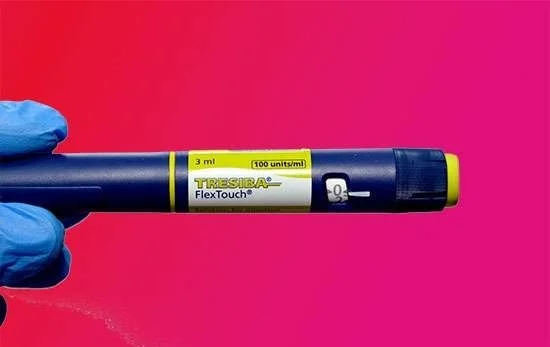
Insulin Pens
Unlike insulin vials, insulin pens should not be refrigerated once opened. Most insulin pens can be kept at room temperature for 28 days. However, there are exceptions:
- Humulin N KwikPen: Can only be kept at room temperature for 14 days.
- Toujeo SoloStar: Should not be kept at room temperature at all and must be stored in the refrigerator.
Insulin Pumps
The duration of insulin can remain in an insulin pump depending on the insulin type. Generally, insulin should be replaced if exposed to temperatures above 98°F. Always check the specific instructions for your pump and insulin to ensure proper storage and effectiveness.
How to Store Insulin Without Refrigeration?
There are times when refrigeration may not be available, such as during travel or power outages. In these cases, it’s important to know how to store insulin without refrigeration.
For short-term storage, insulin can typically be kept at room temperature for up to 28 days, depending on the product. Always check the manufacturer’s guidelines for specific storage durations.
When traveling, use insulated bags with cold packs to keep insulin cool. In emergency situations, such as power outages, consider using ice packs or coolers to maintain a safe storage temperature.
Insulin Storage After Opening
Once insulin is opened, it should be stored at room temperature to avoid discomfort from injecting cold insulin. Most opened insulin products are safe to use for 28 days at room temperature.
Opened insulin vials, pens, and cartridges can be kept at room temperature, generally between 15°C to 30°C (59°F to 86°F), for up to 28 days. It’s essential to mark the date of opening to keep track of its usage period.
Always store insulin away from direct sunlight and heat sources. Avoid storing it in places where temperature fluctuations are common, such as near windows or in vehicles.
To ensure insulin is used within its effective period, mark the date of opening on the insulin container. This practice helps track how long the insulin has been in use and when it needs to be discarded.
How to Store an Insulin Pen?

Insulin pens should be stored similarly to vials. Unopened pens should be refrigerated, while opened pens can be kept at room temperature. Keep insulin pens in a cool, dry place, avoiding direct sunlight and heat. Use insulated bags with cold packs during travel to maintain the appropriate temperature.
Extreme temperatures can degrade the insulin in pens, making them less effective. Always store insulin pens according to the manufacturer’s guidelines to ensure their potency.
What are the Signs of Bad Insulin?
Using spoiled or ineffective insulin can be dangerous. Here are some symptoms of bad insulin to watch for:
- Changes in color or clarity: Insulin should be clear and colorless (unless it’s a suspension, which should be uniformly cloudy when mixed).
- Clumping or particles: Insulin should not contain any clumps or particles.
- Poor blood sugar control: If your blood sugar levels are higher than expected despite using insulin, it could be a sign that the insulin is no longer effective.
If you suspect your insulin is bad, do not use it and consult with a pharmacy for a replacement.
Conclusion
Proper insulin storage is essential for maintaining its effectiveness and ensuring safe diabetes management. By following the recommended storage guidelines and being aware of the signs of spoiled insulin, you can help ensure that your insulin remains potent and effective.
Did you know…
You can SAVE UP TO 90% on insulin medication by ordering through BuyCanadianInsulin.com. Many people are unaware that medications in Canada are often significantly cheaper than those in the US due to regulatory differences. Visit our website to compare prices and see how much you could reduce your medical bills today!
FAQs About Insulin Storage
How long can insulin be left out?
Insulin can be left out at room temperature for up to 28 days after opening. However, it should not be exposed to temperatures above 86°F (30°C) or below freezing.
How long can you store prefilled insulin syringes?
Prefilled insulin syringes should be stored in the refrigerator and used within a few weeks. Check the manufacturer’s guidelines for specific storage durations.
Can insulin be stored at room temperature?
Yes, insulin can be stored at room temperature once opened, but it should be used within 28 days. Always keep it in a cool, dry place, away from direct sunlight and heat.
How long does insulin last in the fridge?
Unopened insulin can last in the fridge until its expiration date, which is typically up to 1-2 years from the date of manufacture, depending on the product. Once opened, insulin should be used within 28 days, even if kept refrigerated.
Does insulin need to be refrigerated?
Yes, unopened insulin should be refrigerated. Once opened, it can be kept at room temperature according to the manufacturer’s instructions.
Why does insulin need to be refrigerated?
Insulin is a peptide hormone that can spoil if exposed to temperatures that are too high or too low.
How does it feel to inject cold insulin?
Injecting cold insulin can be uncomfortable. Allowing it to reach room temperature before injecting can make it more comfortable.
What should I do with frozen insulin?
Do not use frozen insulin, even if it has been thawed. It will not be effective and should be disposed of.
What happens if insulin is left out too long?
If left out too long, insulin can develop bacterial growth and become ineffective.
What happens if I use ineffective insulin?
Using ineffective insulin can result in high blood sugar levels, causing symptoms like thirst, blurry vision, and frequent urination.
Can I reuse syringes?
It is generally not recommended to reuse syringes as they are no longer sterile and can increase the risk of infection.
How should I dispose of syringes and needles?
Use a needle-clipping device or place them in a proper sharps disposal container, and follow local guidelines for disposal.
Why is it important to dispose of syringes and needles properly?
Proper disposal prevents infections and environmental hazards.
Why should insulin be kept away from light and heat?
Light and heat can cause insulin to break down and lose its effectiveness.
Sources
U.S. Food and Drug Administration. (n.d.). Information regarding insulin storage and switching between products in an emergency. Retrieved from https://www.fda.gov/drugs/emergency-preparedness-drugs/information-regarding-insulin-storage-and-switching-between-products-emergency
American Diabetes Association. (2024). American Diabetes Association announces support for Insulin Act at Senate press conference. Retrieved from https://diabetes.org/newsroom/american-diabetes-association-announces-support-for-insulin-act-at-senate-press-conference
Articles you may also be interested in