
How long can you take Mounjaro? If you’re considering tirzepatide for diabetes, you’ve probably asked this question. Unlike some medications that you take for a specific period, Mounjaro works differently. The medication is designed for ongoing use, similar to blood pressure or cholesterol medications that people take for years. Understanding the duration and safety profile can help you make informed decisions about your treatment plan. Your individual health goals, medical history, and how well you tolerate the medication all play a role in determining your treatment duration.
How Long Can You Take Mounjaro Safely?

Clinical trials have demonstrated Mounjaro is safe to use for 104 weeks or about two years continuously. The SURPASS clinical trials followed patients for roughly two years and found that tirzepatide maintained a consistent safety profile, with no new long-term risks identified during that period.
You can take Mounjaro as long as it remains effective and well-tolerated, but of course, under medical supervision. Some use it for several months, while those with type 2 diabetes stay on it long term. There is no fixed maximum duration, but ongoing monitoring is a must to ensure safety and continued benefit.
Factors Affecting How Long You Can Stay On Mounjaro
-
- Health goals: Your target weight loss percentage or blood sugar control objectives
- Side effect tolerance: How well your body adapts to gastrointestinal effects
- Medical history: Pre-existing conditions like pancreatitis or gallbladder disease
- Treatment response: The effectiveness of the medication for your specific situation
Special Situations That Affect Duration
After surgery or major illness, your doctor may ask you to pause Mounjaro temporarily. They’ll advise when it’s safe to restart based on recovery and nutrition status. For minor surgery, patients typically resume taking their dose after a few days.
How Long Do You Stay On Mounjaro for Diabetes?
When prescribed for type 2 diabetes, patients often take Mounjaro long-term, similar to insulin and other chronic diabetes medications. Stopping is usually based on blood sugar control, side effects, or treatment changes, not a preset timeline.
How Long Do You Stay On Mounjaro for Weight Loss?
For weight loss, many people take Mounjaro for 6-12 months or longer, depending on how much weight they lose, tolerance to side effects, and whether they’re able to maintain results with lifestyle changes alone.
Mounjaro isn’t FDA-approved for weight loss, but some doctors prescribe it off-label for obesity, often on a short-term basis. So, for instance, if you’ve achieved your ideal body weight after three months, your doctor may either suggest stopping Mounjaro or decreasing the dose to maintain the results.
What Is a Maintenance Dose?
A maintenance dose is typically lower than your highest diabetes or weight-loss dose. Once you’ve reached your ideal A1c (average blood sugar) level or BMI, your doctor will downgrade your dose to maintain blood sugar control and weight.
What is the maintenance dose of Mounjaro? There’s no universal maintenance dose in Mounjaro because your maintenance dose is tailored to your body’s response, lifestyle, and tolerance. Each patient responds differently to tirzepatide.
How long can you stay on a maintenance dose of Mounjaro? Some people remain on a low dose for extended periods, while others taper off once habits and metabolic health stabilize.
Mounjaro Maintenance Dose for Weight Loss and Diabetes
Once you’ve reached your blood sugar or weight goal, your doctor may lower your dose to 2.5 mg or 5 mg to maintain your A1c levels or weight while minimizing side effects. Maintenance doses with Mounjaro are highly personalized. You can have a maintenance dose of 5 mg, while others may have 10 mg. It depends on individual responses, tolerance to side effects, and lifestyle.
If you stay physically active and follow a healthy eating pattern, you may be able to fully get off Mounjaro. If you use Mounjaro for diabetes, you may need to take the maintenance dose for years.
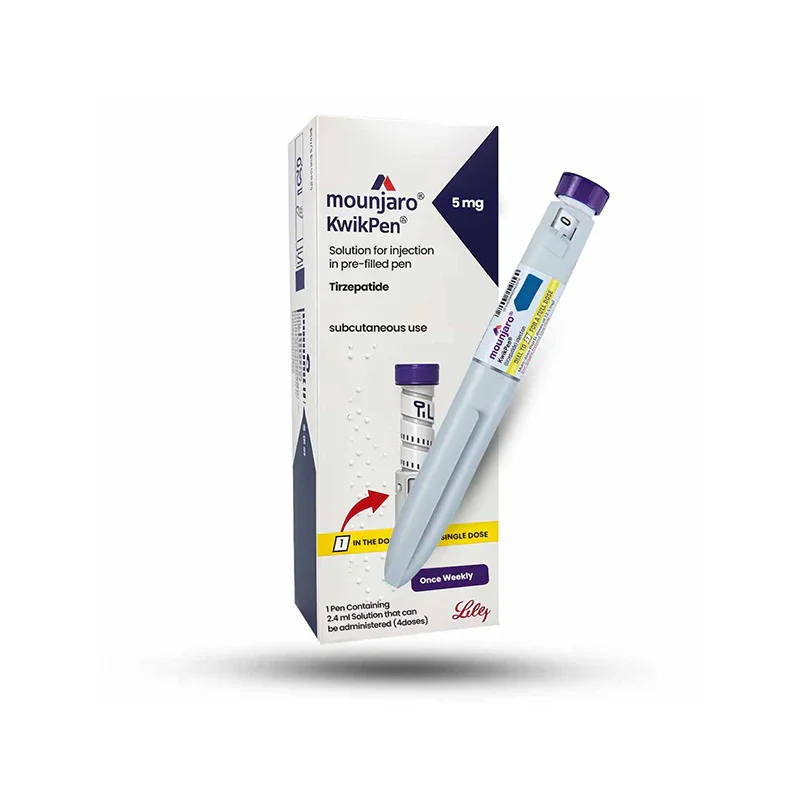
How Long Does Mounjaro Stay in Your System?
According to Eli Lilly, the manufacturer, your body fully clears Mounjaro in about 30 days after your last dose. Most medications that you take on a regular schedule, such as insulin or Mounjaro, are cleared from your system in about 4 to 5 half-lives.
Can You Get Mounjaro Out of Your System Faster?
There’s no safe way to speed up elimination. Mounjaro leaves your system gradually over several weeks as your body metabolizes it.
Half-Life of Mounjaro
Tirzepatide is a long-acting medication designed to work steadily throughout the week. Mounjaro has a half-life of about 5 days, which is why it’s taken once weekly. This means the medication continues affecting blood sugar, appetite, and digestion for several days after each injection.
Why 4–5 Half-Lives Is the Key
Each half-life reduces the amount of drug in your body by about half:
-
- After 1 half-life – 50% remains
- After 2 – 25% remains
- After 3 – 12.5% remains
- After 4 – 6% remains
- After 5 – 3% remains
Half-life of Mounjaro: 5 days
5 half-lives × 5 days = 25 days
By day 25 after your last Mounjaro dose, around 3% or less of Mounjaro is “functionally eliminated” from your body. What this means is that a very small amount of tirzepatide is still in your system, but it no longer has any effects on blood sugar or appetite. In short, it’s neutralized. By day 30 or the 6th half-life, Mounjaro is fully eliminated from your day.
Mounjaro’s peak time typically occurs 8-72 hours after injection, but its effects persist well beyond that.
Does the Dose Affect How Long Tirzepatide Stays in Your System?
No. The dose doesn’t meaningfully change how long Mounjaro stays in your system. Tirzepatide has a fixed half-life of approximately 5 days. This means the clearance period is predictable, regardless of whether you’re on a 2.5 mg lower dose or a 15 mg maximum dose.
What Does the Dose Affect?
While the dose doesn’t change the timeframe for elimination, it does influence:
-
- How much drug is in your body at steady state
- The intensity of effects and side effects after your last dose
- How noticeable withdrawal effects may feel after stopping
Higher doses mean higher drug levels, but they still decline at the same rate once dosing stops.
Side Effects of Long Term Use of Mounjaro

Current evidence confirms it’s safe to use tirzepatide for managing type 2 diabetes in the long term with routine monitoring. For off-label use, such as weight loss, patients may experience unexpected side effects. That’s why working closely with your doctor is critical.
Long term use of Mounjaro can trigger serious health issues. Most concerns relate to gastrointestinal symptoms, gallbladder issues, or nutrient intake during significant weight loss. There’s also the risk of severe adverse reactions in people with existing health risk factors, including those with:
-
- Acute pancreatitis
- Hypoglycemia in people who take insulin
- Acute kidney injury
- Severe gastrointestinal adverse reactions
- Diabetic retinopathy
- Acute gallbladder disease
- Pulmonary aspiration
For instance, if you have type 2 diabetes, your risk of diabetes-related vision loss increases with long-term Mounjaro use. That’s why it’s important to discuss your overall health profile with your doctor.
Long-Term Safety Considerations
The most important safety considerations for Mounjaro’s long-term use relate to conditions that can develop gradually. Gallbladder issues may occur, particularly during periods of rapid weight loss, so your healthcare provider will ask about symptoms like abdominal pain or nausea that differ from typical Mounjaro side effects.
People with diabetes who use Mounjaro long-term should also have regular eye exams, as rapid improvements in blood sugar can sometimes affect diabetic retinopathy. This monitoring helps catch any changes early and adjust treatment if needed. Your doctor may recommend the following health strategies.
-
- Regular check-ups: Every 3-6 months to assess your progress and screen for potential side effects.
- Blood work: Routine monitoring of kidney function, liver enzymes, and other metabolic markers.
- Side effect tracking: Watching for persistent symptoms or new issues that might develop over time.
- Weight and blood sugar monitoring: Tracking treatment effectiveness to ensure continued results.
Why and When to Stop Mounjaro
There are several reasons your doctor may recommend stopping Mounjaro. One, if you can’t tolerate the side effects, such as nausea or vomiting. Two, you’ve met your weight-loss goal. Three, another GLP-1 treatment is more appropriate. Four, if Mounjaro isn’t covered by insurance and an alternative is.
What Happens If You Stop Mounjaro?
If you use Mounjaro for managing diabetes, your doctor will suggest an alternative to keep your blood sugar levels in check. They’ll help you transition into a different medication smoothly. If you use it for off-label weight loss, your appetite returns and you may regain weight after stopping.
In one study, researchers found that patients who discontinued tirzepatide regained 14% of the weight they had lost within one year. Maintenance strategies, such as lifestyle habits, can help prevent weight regain.
When Should You Stop Taking Mounjaro?
The decision of when to stop Mounjaro should be based on several factors you’ll need to discuss with your doctor. While the medication can be taken long-term, certain situations warrant consideration of discontinuation.
Your healthcare provider might suggest stopping if you’re planning a pregnancy, experiencing persistent side effects that affect your quality of life, or if your health goals have significantly changed. They can also discuss alternative treatments or maintenance strategies that might work for your situation.
Signs It Might Be Time to Reassess Your Treatment
Mounjaro’s long-term side effects can start with minor symptoms that keep recurring. Talk to your doctor about switching to a different medication if any of the following occur:
-
- Persistent side effects: Ongoing nausea, digestive issues, or other problems that don’t improve after several months on a stable dose.
- Lack of progress: Not reaching weight loss goals or blood sugar targets despite consistent use and lifestyle changes.
- Life changes: Planning pregnancy, experiencing major health changes, or starting new medications that might interact.
- Cost concerns: Financial challenges that make it difficult to afford the medication consistently.
The FDA prescribing information recommends stopping Mounjaro at least two months before trying to conceive, giving you and your healthcare provider time to plan alternative strategies during pregnancy.
Bottom Line: How Long Can You Take Mounjaro Safely?
Mounjaro can be used short term or long term, depending on your condition, goals, and response. For diabetes, treatment is often ongoing. For weight loss, some people stop after reaching their goal, while others continue on a maintenance dose. The safest approach is regular follow-up with your healthcare provider to reassess benefits, risks, and dosing over time.
Using Mounjaro long-term means you have to pay thousands every month for access. Buy Canadian Insulin partners with licensed Canadian pharmacies to help make ongoing treatment more affordable. Lower your monthly medication costs without sacrificing safety. Order Mounjaro from Canada for $499.97 and save up to 90% on your prescription costs.
Articles you may also be interested in


Frequently Asked Questions
Sources
- U.S. Food and Drug Administration. NOVOLOG (insulin aspart) injection prescribing information. February 2023. View source
- U.S. Food and Drug Administration. Drugs@FDA: NovoLog (Application 020986) product listing. Accessed November 2026. View source
- U.S. Food and Drug Administration. HUMALOG (insulin lispro) injection prescribing information. May 2025. View source
- U.S. Food and Drug Administration. FDA-Approved Insulin Products: Rapid-Acting Insulins. Accessed November 2026. View source
- Eli Lilly and Company. HUMALOG Mix75/25 prescribing information. Accessed November 2026. View source
- Health Canada. NovoRapid product monograph. May 2026. View source
- Medicare.gov. Insulin coverage. Accessed November 2026. View source
- S. Food and Drug Administration. Biosimilar Product Information. Updated October 28, 2026. View source
Last updated: November 2026.


