If you’re considering Mounjaro for weight management, you’re probably wondering exactly when you’ll notice reduced hunger — a crucial detail when planning your treatment journey. Managing diabetes or pursuing weight loss goals often comes with questions about timing, especially when the medication represents a serious expense in your health budget.
Mounjaro (tirzepatide) received FDA approval on May 13, 2022, as a once-weekly injectable medication for adults with type 2 diabetes. Unlike other weight loss medications, Mounjaro works through a unique dual-action mechanism — knowing exactly when to expect results can prevent frustration and help you stick with the program.
What Is Mounjaro and How Does It Suppress Appetite?

Mounjaro is an FDA-approved medication that activates both GIP (glucose-dependent insulinotropic polypeptide) and GLP-1 (glucagon-like peptide-1) receptors. These are natural incretin hormones that your body produces to regulate blood sugar and appetite.
The dual mechanism creates appetite suppression through three main pathways:
-
- Delayed gastric emptying: Food stays in your stomach longer, creating sustained fullness after meals.
- Central appetite signaling: The medication reduces hunger signals in your brain’s hypothalamus.
- Reward pathway modulation: It increases fullness to reduce appetite and food intake, particularly for high-calorie foods.
Unlike semaglutide medications such as Ozempic and Wegovy, tirzepatide’s dual GIP and GLP-1 receptor activation appears to be more effective. This broader mechanism may explain why many people experience appetite changes relatively quickly after starting treatment.
When Does Mounjaro Start Working for Appetite Suppression?
Some people report noticing appetite changes within a few days of their first injection, but clinical studies indicate that significant appetite suppression typically develops over several weeks as the dose is gradually increased. Individual timelines may vary based on factors such as starting dose, metabolism, and eating patterns.
The appetite suppression timeline typically follows this pattern:
-
- Within the first few days: Some individuals may begin to notice initial appetite suppression, although most clinical evidence suggests that these effects develop gradually.
- First week: There’s a noticeable reduction in hunger and food cravings.
- Weeks 2-4: More consistent appetite control as the medication reaches steady levels in your system.
- Beyond week 4: Peak appetite suppression effects, especially as doses increase.
Research shows that tirzepatide stimulates insulin release when glucose is high, reduces liver glucagon production, and slows stomach emptying to control post-meal sugar spikes. These combined effects contribute to the relatively rapid onset of appetite suppression that many people experience.
The medication’s effects can feel different from day to day initially, which is normal as your body adjusts to the treatment. Some people describe feeling less interested in food, while others notice they feel full more quickly during meals.
How Quickly Does Mounjaro Suppress Appetite Over the First Month
Week One Changes
During your first week on Mounjaro, you might notice subtle shifts in your appetite patterns. The most common side effects include nausea, diarrhea, decreased appetite, vomiting, constipation, indigestion, and stomach pain. While these gastrointestinal effects can initially reduce your desire to eat, the medication’s direct appetite suppression mechanism is separate from these side effects.
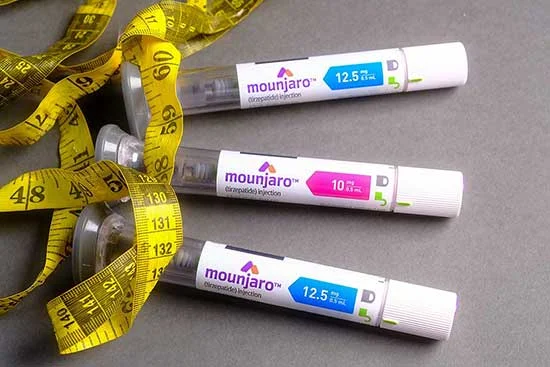
Many people report feeling less hungry between meals or finding themselves satisfied with smaller portions. Mounjaro comes in six doses (2.5 mg, 5 mg, 7.5 mg, 10 mg, 12.5 mg, 15 mg), starting with the lowest dose to minimize side effects while your body adapts.
Weeks Two to Four
By the second week, most people experience more consistent appetite control. The medication requires gradual dose escalation over 4 to 20 weeks to achieve target dosages, which means your appetite suppression will likely strengthen as your dose increases.
During this period, you might notice:
-
- Reduced food cravings throughout the day
- Feeling satisfied with smaller meal portions
- Less interest in snacking between meals
- Decreased appetite for high-calorie or processed foods
Beyond Week Four
As you progress through dose escalation, how long it takes for Mounjaro to start working becomes more predictable. The maximum dosage is 15 mg once weekly, and most people reach their maintenance dose within 16 to 20 weeks of starting treatment.
At higher doses, appetite suppression typically becomes more pronounced and consistent. This is when many people experience their most significant changes in eating patterns and food preferences.
How Long for Mounjaro to Work for Weight Loss
While appetite suppression can begin within days, visible weight loss results usually take longer to appear. Understanding this distinction is important for setting realistic expectations about how long it takes Mounjaro to work toward your overall goals.
| Timeline | Appetite Changes | Weight Loss Results |
|---|---|---|
| 24-72 hours | Initial appetite reduction | Minimal visible change |
| 1-2 weeks | Noticeable hunger decrease | Small weight loss is possible |
| 4-8 weeks | Consistent appetite control | Gradual weight loss, typically a few percent of body weight |
| 12+ weeks | Peak appetite suppression | Average weight loss of 16%-22% of body weight over several months, depending on dose and individual factors |
Clinical trial participants who received tirzepatide for 72 weeks saw average body weight reductions of roughly 16%-22.5% over the course of treatment. However, these results developed gradually over months, not weeks.
The relationship between appetite suppression and weight loss means that while you might notice reduced hunger quickly, the scale changes follow more slowly as your body adjusts to consuming fewer calories consistently.
Why Your Appetite May Still Feel High After Starting Mounjaro
If you’re wondering how long before Mounjaro works for appetite suppression, experiencing continued hunger doesn’t necessarily mean the medication isn’t effective. Several factors can influence your individual response.
- 1
Dose Adjustments Needed
Clinical studies evaluated Mounjaro 5 mg, 10 mg, and 15 mg doses, with higher doses generally providing stronger appetite suppression. If you’re still on a lower starting dose, your appetite reduction may be less noticeable than it will become as your dose increases. Your healthcare provider will typically increase your dose every four weeks, allowing your body time to adjust while maximizing the appetite suppression benefits. Some people don’t experience significant appetite changes until reaching their maintenance dose. - 2
Dietary Habits Affecting Results
Mounjaro’s effectiveness for weight management was established when combined with a reduced-calorie diet and increased physical activity. Highly processed foods, irregular meal timing, and emotional eating patterns can counteract some of the medication’s appetite suppression effects. The medication works most effectively when paired with structured eating patterns that support its natural appetite regulation mechanisms. - 3
Individual Metabolism Differences
How long does it take for Mounjaro to kick in depends partly on individual factors like:
-
- Age and baseline metabolism
- Other medications you’re taking
- Underlying medical conditions
- Previous dieting history
Some people are naturally more sensitive to appetite-regulating hormones, while others may need higher doses or more time to experience the full effects.
Factors That Influence How Quickly Mounjaro Works

Timing of Dose Escalation
The FDA approved Mounjaro based on evidence from nine clinical trials involving 7,769 patients with type 2 diabetes at 673 sites in 24 countries. These studies followed careful dose escalation protocols that balance effectiveness with tolerability.
The standard escalation schedule allows your body to adapt gradually while building toward peak appetite suppression. Rushing this process by increasing doses too quickly can lead to more side effects without necessarily improving appetite control.
Personal Health Factors
Your individual response to how quickly Mounjaro starts working can be influenced by:
-
- Current weight and body composition
- Insulin sensitivity levels
- Digestive health status
- Stress levels and sleep quality
Mounjaro may be used alone or in combination with other FDA-approved diabetes medications such as metformin, sulfonylureas, sodium-glucose co-transporter 2 inhibitors, and insulin, which can affect the overall timeline of appetite suppression.
Other Medications and Conditions
Certain medications can interact with Mounjaro’s appetite suppression effects. Birth control pills may not work as well while using Mounjaro, and your healthcare provider may recommend another type of birth control for 4 weeks after starting and after each dose increase.
Always discuss your complete medication list with your healthcare provider to understand how other treatments might influence your appetite suppression timeline.
Articles you may also be interested in



Managing Long-Term Mounjaro Treatment
Knowing when you’ll feel less hungry is just step one — successful long-term treatment involves much more. Most people find that appetite suppression becomes more predictable and consistent over time, though individual responses can vary throughout treatment.
Let’s be real — Mounjaro isn’t cheap. At roughly $1,000 per month without insurance coverage, many patients struggle to fit this medication into their budget. Buy Canadian Insulin partners with Canadian pharmacies to provide substantial savings for Americans seeking affordable access to this medication. Order Mounjaro online at discounted prices through verified Canadian pharmacies, where prescriptions are reviewed by both U.S. doctors and Canadian pharmacists to ensure safety and compliance.
Many people find that the appetite suppression effects remain consistent throughout extended treatment periods, though some adjustment in dosing or timing may be needed as your body changes over time.
Frequently Asked Questions