
Diabetes is a big health problem, affecting around 38 million people in the United States alone. That’s about 1 out of every 10 people. Most of these cases are type 2 diabetes, which usually happens in people older than 45. But nowadays, even younger people, including kids and teenagers, are getting it too.
To combat this problem, doctors prescribe various medications to manage diabetes, such as Mounjaro. But how long does Mounjaro stay in your system? This is an important question for patients, as it can affect their treatment plan and overall health.
In this article, we’ll explore how Mounjaro medication works, its recommended dosage, and how long it stays in your body. We’ll also discuss the factors affecting how long this medication stays in your system.
What Is Mounjaro & How Is it Used?
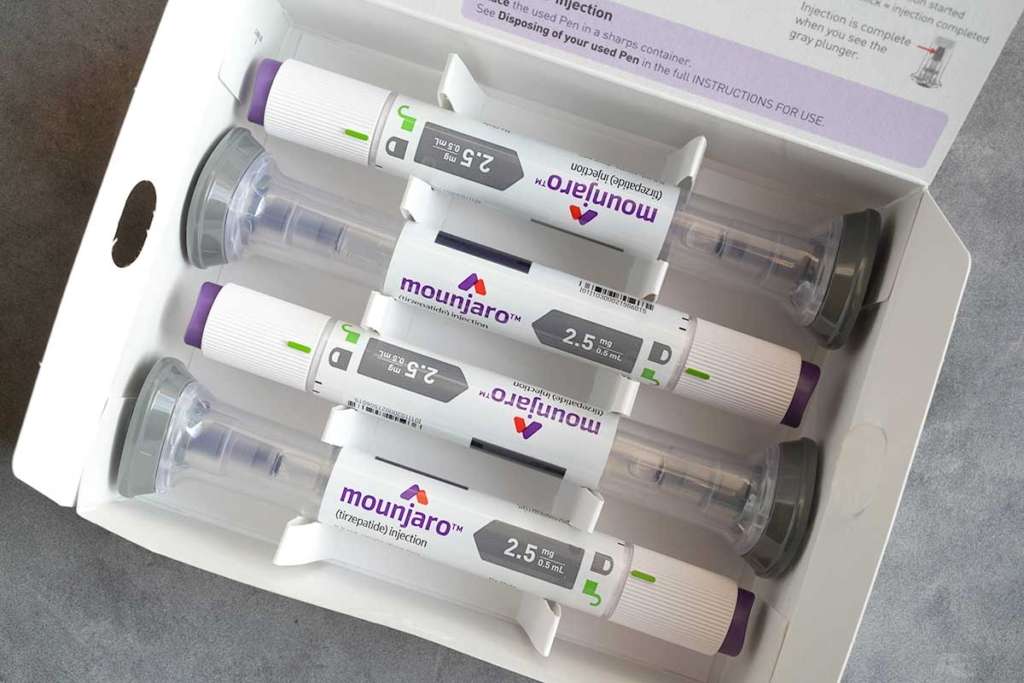
Mounjaro, also known as tirzepatide, is a prescription medication approved by the FDA for adults with type 2 diabetes. It is designed to be used with diet and exercise to improve blood sugar control. Unlike other medications, Mounjaro is the first and only medication that activates the GIP (glucose-dependent insulinotropic polypeptide) and GLP-1 (glucagon-like peptide-1) receptor agonists, making it unique.
This innovative mechanism directly activates the GIP and GLP-1 pathways, which help regulate blood sugar levels. Mounjaro is available in various dosages, ranging from 2.5 mg to 15 mg per 0.5 mL injection, allowing for tailored treatment to individual needs for optimal management of type 2 diabetes.
Besides its FDA-approved use for managing blood sugar in type 2 diabetes, Mounjaro is also being explored for potential non-FDA-approved applications, such as weight management and obesity treatment. Although the FDA does not officially sanction these uses, preliminary research and clinical experiences suggest that Mounjaro’s unique action on GIP and GLP-1 receptors may contribute to significant weight loss in individuals.
How long does it take for Mounjaro to begin working?
Mounjaro begins to lower blood sugar levels shortly after injection, with immediate effects on blood glucose. However, achieving significant clinical outcomes, such as reaching target A1C levels or substantial weight loss, takes longer. Studies show that patients may need 8 to 12 weeks to reach an A1C target of ? 7% and ? 6.5%.
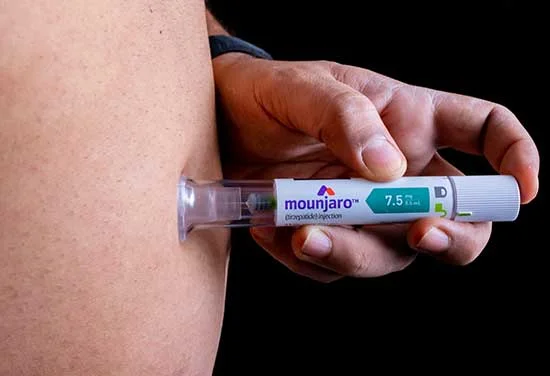
While Mounjaro starts working immediately on glucose levels, the full benefits of glycemic control and weight reduction develop over weeks to months. Administered as a weekly subcutaneous injection, the dosage can be gradually increased from 2.5 mg to a maximum of 15 mg once weekly, based on the patient’s response and tolerability.
The weekly injection of Mounjaro offers a consistent therapeutic effect throughout the week, contributing to stable blood sugar levels and potentially reducing the risk of hypoglycemia seen with more fluctuating treatments. This prolonged action is particularly advantageous for those seeking an efficient and less frequent dosing schedule, enhancing adherence and overall treatment satisfaction. The choice of formulation and dosing regimen will be influenced by factors such as the patient’s lifestyle, treatment preferences, and specific clinical goals, including glycemic control and weight management objectives.

How Long Does Mounjaro Stay in Your System?

Mounjaro can remain in your system for about 30 days after you stop taking it. Its half-life, which is the time it takes for half of the drug to leave your body, is 5 days. This means after 5 days, only half of the drug’s amount remains in your system. Depending on the person, how quickly Mounjaro leaves your body can vary. If you miss a dose, it’s important to take it within 4 days; if more than 4 days have passed, you should skip that dose and wait for the next scheduled one.
What is the Recommended Dosage for Mounjaro?
The recommended dosage for Mounjaro, aimed at reducing blood sugar levels in adults with type 2 diabetes, varies based on the treatment goals and patient response. Here are the recommended dosages for Mounjaro:
- The initial dose is recommended to be 2.5 mg, administered subcutaneously (under the skin) once a week for the first four weeks.
- After the initial period, the dose should be increased to 5 mg once a week.
- To achieve additional glycemic control, the dose can be increased in 2.5-mg increments after at least four weeks, depending on the individual’s response to the medication.
- The maximum recommended dose is 15 mg once a week.
For weight management, the dosing strategy starts at 2.5 mg once a week, with gradual increases to reach a maintenance dose that provides the desired effect on blood sugar levels and weight management, considering the individual’s tolerability to the medication.
Factors Affecting How Long Mounjaro Will Stay in the Body
The length of time Mounjaro stays in the body can vary depending on several factors, including how the drug is absorbed, distributed, metabolized, and eventually excreted. Although the pharmacokinetics of Mounjaro, such as its half-life, are carefully designed for a weekly dosing schedule, individual patient differences can lead to variations in the exact timing. These differences may include physiological factors, other medical conditions, and the specific dosage.
Factors affecting how long Mounjaro stays in your body include:
- Dosage and Frequency of Administration: The dosage and how often Mounjaro is taken can influence its length. Higher doses or more frequent administration may prolong its presence.
- Individual Metabolism: Variations in metabolism among individuals can affect how quickly or slowly it’s processed and eliminated from the body.
- Liver Function: The function of the liver plays a crucial role in metabolizing drugs like Mounjaro so that liver health can impact the drug’s clearance from the body.
- Kidney Function: Proper kidney function is essential for excreting drugs from the body, so impaired kidney function can prolong the presence of Mounjaro.
- Body Weight and Composition: Body weight and composition can influence the distribution and elimination of Mounjaro, potentially affecting how long it stays in the body.
- Age: Age-related changes in metabolism and organ function can impact the clearance of Mounjaro, with older individuals potentially metabolizing it more slowly.
- Overall Health Status: Underlying health conditions or diseases can affect the body’s ability to process and eliminate it, altering its duration in the system.
- Drug Interactions: Interactions with other medications can affect Mounjaro’s metabolism and elimination, potentially prolonging or shortening its presence in the body.
- Genetic Factors: Genetic variations can impact how individuals metabolize drugs like Mounjaro, leading to differences in the duration of their use in the body.
What Happens When You Stop Taking Mounjaro?
When you stop taking Mounjaro, your lost weight may start to return. Studies have shown that people who stopped taking it have experienced an approximate weight gain of 14% of their body weight. This is due to how it helps reduce appetite and food cravings, so you may feel hungrier when you stop taking it.
In addition, if you are taking it to manage your blood sugar levels, discontinuing it may cause your blood sugar levels to increase. This is particularly relevant if you have diabetes, as uncontrolled blood sugar levels can lead to a range of health complications. Therefore, monitoring your blood sugar levels closely is important if you consider stopping Mounjaro. It is important to note that stopping abruptly may lead to withdrawal symptoms, such as:
- Nausea
- Vomiting
- Diarrhea
- Indigestion
- Stomach upset
How to Flush Mounjaro Out From Your Body Quickly?

To flush Mounjaro out of your system faster, there are no direct methods to speed up the process, as the medication’s elimination is a natural metabolic process. However, you can support your body’s ability to metabolize it efficiently by adopting certain lifestyle changes, including:
- Maintain a Healthy Diet: Consuming nutrient-rich foods helps support liver function, an essential organ for metabolizing medications. Include plenty of fresh ingredients, avoiding saturated and trans fats in fast foods and pastries.
- Stay Hydrated: Drinking adequate water aids in flushing substances from your body. A general guideline is to drink at least half your body weight in ounces of water. For instance, if you weigh 180 pounds, aim for 90 ounces of water daily.
- Avoid Alcohol Consumption: Alcohol places additional strain on your liver, potentially hindering its ability to process and eliminate Mounjaro efficiently.
- Limit Excess Medications or Supplements: Similar to alcohol, additional substances that require liver processing can impede the elimination of Mounjaro from your system.
- Include Fatty Fish in Your Diet: Omega-3 fatty acids, found in fish like salmon, mackerel, and sardines, reduce inflammation and may support liver health. If you’re not a fan of fish, consider plant-based sources of omega-3s, such as hemp seeds, chia seeds, and flax seeds.
Related Articles:
Buy Canadian Insulin is dedicated to providing resources and information to help you maintain good health. If you want to learn more about Mounjaro, you can read some of our articles.
Wrap-Up
Mounjaro stays in your system for about 30 days after stopping, with a half-life of 5 days. The recommended dosage varies from 2.5 mg to 15 mg weekly, tailored to individual needs. Factors like metabolism, liver and kidney function, and overall health can influence how long Mounjaro remains in the body. If you miss a dose, take it within 4 days or skip it and continue with the next scheduled dose. Stopping Mounjaro may lead to withdrawal symptoms and increased blood sugar levels, so it’s important to manage these changes carefully.
Frequently Asked Questions
Articles you may also be interested in


Sources
Centers for Disease Control and Prevention. (2023, April 18). Type 2 diabetes. https://www.cdc.gov/diabetes/basics/type2.html
Eli Lilly and Company. (2022, June 6). New analyses of Mounjaro™ (tirzepatide) injection for the treatment of adults with type 2 diabetes were presented at the American Diabetes Association’s® 82nd Scientific Sessions®. Eli Lilly and Company. https://investor.lilly.com/news-releases/news-release-details/new-analyses-mounjarotm-tirzepatide-injection-treatment-adults
Eli Lilly and Company. (2022). How long will tirzepatide be in the body after the last dose? https://medical.lilly.com/us/products/answers/how-long-will-tirzepatide-be-in-the-body-after-the-last-dose-165280


