Many Ozempic users quickly notice changes in their thirst. Some people find they suddenly drink less, while others struggle with nausea or vomiting. Research shows that GLP-1 medications can blunt the body’s natural thirst signals.
Drinking water while on Ozempic requires more than following the general advice of “eight glasses a day,” which doesn’t consider individual needs. This article explains how you can calculate how much water to drink on Ozempic, how to adjust for different situations, and strategies to stay hydrated.
How Ozempic influences thirst and fluid intake
Ozempic’s actions also affect thirst in several ways:
-
- Reduced thirst signals: Studies show that GLP-1 receptor agonists suppress water intake independently of food intake. The medication acts on the brain’s hypothalamus and reduces the desire to drink, leading to lower fluid intake. A randomized trial with the GLP-1 RA dulaglutide found that participants drank about 490 milliliters less water per day compared to baseline, a 17 % reduction.
-
- Less water through food: When your appetite decreases, you consume fewer meals and snacks. Food accounts for about 20% of your daily fluid intake, so eating less automatically reduces your fluid intake.
Although Ozempic does not directly cause dehydration, these factors make it easy to become dehydrated if you don’t adjust your fluid habits. Dehydration can lead to:
-
- headaches
- dizziness
- dry mouth
- dark urine
- constipation
- muscle cramps
- fatigue
Severe dehydration is dangerous and may require medical attention. Proactively staying hydrated is an important part of successful Ozempic therapy.
How much water should you drink while on Ozempic?
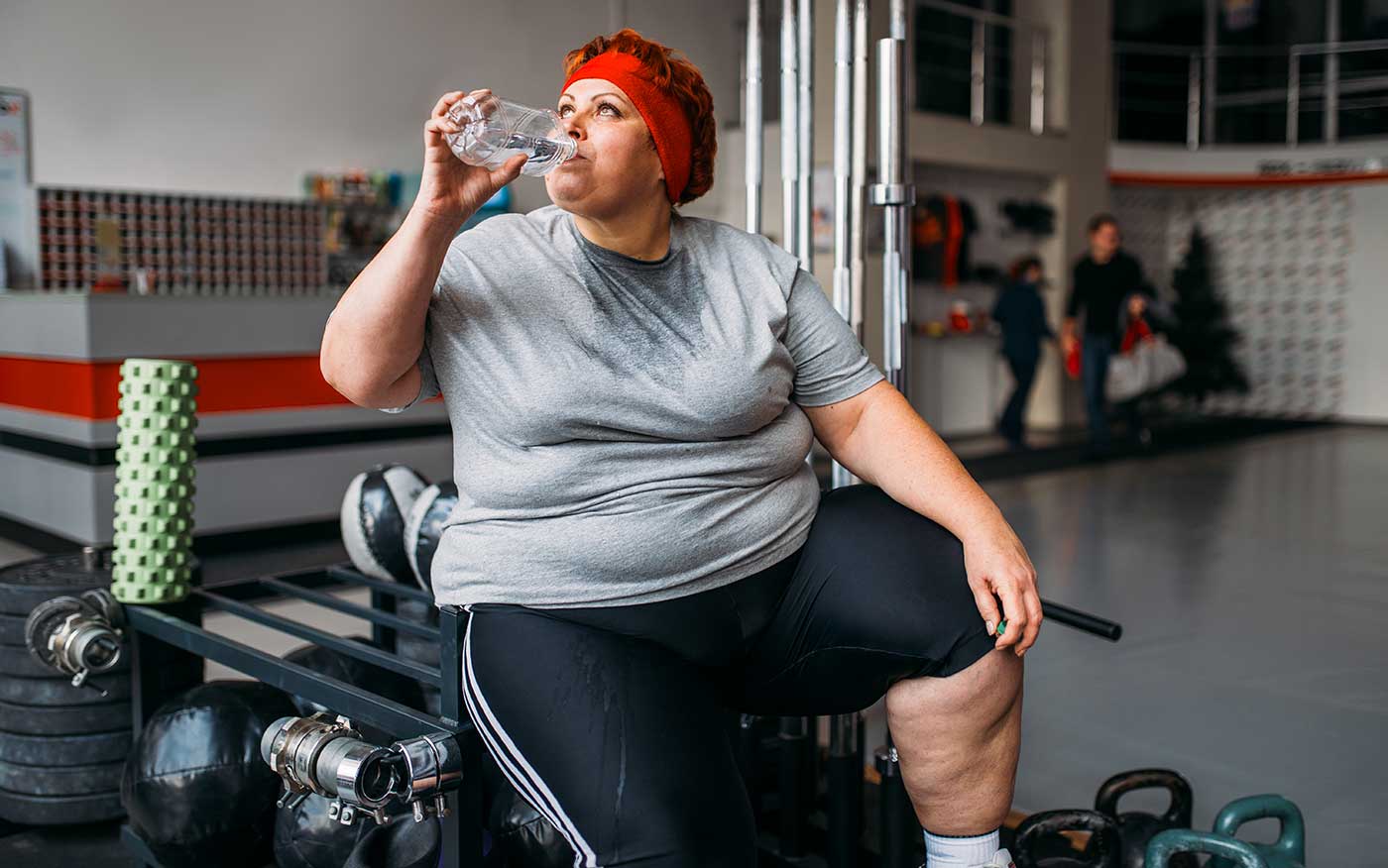
The widely quoted “eight glasses of water per day” is a rough average that doesn’t account for individual differences. On Ozempic, you need to consider body weight, activity level, climate, and side effects.
Below are guidelines to find your starting point and adjust as needed.
1. Use your body weight as a baseline
Many clinicians suggest basing water intake on body weight to achieve more personalized hydration. A common formula is to drink approximately half your body weight in ounces. For example:
-
- A person weighing 200 pounds would aim for 100 ounces (about 3 liters) of fluid per day.
-
- Someone weighing 150 pounds would target 75 ounces (about 2.2 liters).
This range (around 2-3 liters) aligns with medically reviewed recommendations for adults using semaglutide. It provides a flexible starting goal and can be adjusted based on your response and environment.
2. Adjust for exercise
Physical activity increases fluid loss through sweat and respiration. People on Ozempic may also experience increased natriuresis, a process by which the medication causes the kidneys to excrete sodium.
To stay hydrated during exercise:
-
- Hydrate before workouts: Drink about 350-500 milliliters of water or an electrolyte beverage roughly two hours before exercise.
-
- Drink during workouts: Take small sips every 10-15 minutes rather than gulping large amounts to avoid upsetting your stomach. This steady approach maintains hydration without causing fullness or nausea.
-
- Replenish electrolytes: Add a low-sugar electrolyte powder or drink after intense sessions, especially if you sweat heavily. Natriuresis can deplete sodium, so electrolytes help prevent muscle cramps and dizziness.
3. Adjust for climate and heat
Hot or humid conditions increase sweat loss even when you are not exercising. If you live in a warm climate or are exposed to heat, increase your fluid intake.
Pay attention to thirst, urine color, and signs of dehydration (dry mouth, dark urine, fatigue). Drinking small amounts frequently helps maintain hydration without overwhelming your stomach.
4. Adjust for gastrointestinal side effects
During the first few weeks of Ozempic, you might experience nausea, vomiting, or diarrhea. These symptoms can quickly deplete fluids and electrolytes. To mitigate this:
-
- Sip frequently: Take small sips of water, clear broth, or oral rehydration solutions rather than large gulps. This helps you stay hydrated without worsening nausea.
-
- Use oral rehydration solutions: If you experience vomiting or diarrhea, choose drinks that contain electrolytes (sodium, potassium, chloride) to replace what is lost. Sport drinks and low-sugar electrolyte powders are convenient options.
-
- Gradually increase fluids: If you feel too full or have a delayed stomach emptying, drink smaller amounts throughout the day instead of forcing large volumes at once.
5. Monitor your hydration status
Many people rely solely on thirst to decide when to drink. However, GLP-1 medications can blunt thirst, so this cue is less reliable. Instead, use these indicators:
-
- Urine color: Pale yellow urine generally indicates adequate hydration. Dark yellow or amber urine suggests you need to drink more.
-
- Frequency of bathroom visits: Going to the bathroom roughly every three to four hours indicates good hydration. Long gaps may signal dehydration.
-
- Daily fluid tracking: Recording the amount of water or fluids you drink helps ensure you meet your target. Apps or water bottles with measurements make this easier.
-
- Body sensations: Signs like dry mouth, headache, dizziness, fatigue, or muscle cramps are warning signs you might be dehydrated.
Strategies for staying hydrated while on Ozempic

The following strategies are practical and user-tested ways to reach your fluid goal.
Start early and sip often
Starting your day with water sets a positive tone and builds hydration before you get busy. Many GLP-1 users find that sipping continuously works better than drinking large amounts at once, which can cause nausea.
Consider the following routine:
-
- Drink a glass of water as soon as you wake up to replenish fluids lost overnight.
-
- Have small amounts of water or herbal tea every hour. If sipping from a bottle, aim to drink at least one quarter of the bottle per hour.
-
- Drink a small glass of water 20-30 minutes before meals. This not only hydrates you but also helps with portion control.
Starting early prevents you from needing to consume a lot of fluid at night, which could interfere with sleep due to frequent bathroom trips.
When you feel nauseous or bloated
Nausea is a common side effect when starting Ozempic. Drinking large amounts of water can worsen nausea or bloating. Try the following:
-
- Room-temperature water: Cold water may trigger nausea in some people. Try room-temperature or slightly warm water.
-
- Ginger or peppermint tea: Both herbs can calm an upset stomach and count toward hydration. Brew a weak tea and sip slowly.
-
- Small, frequent sips: Keep a bottle with a straw near you and take tiny sips throughout the day. Avoid gulping.
-
- Ice chips: Sucking on ice chips or frozen fruit can hydrate you slowly and may ease nausea.
If nausea persists or you’re unable to keep fluids down, contact your healthcare provider. They might adjust your medication dose or provide anti-nausea medication.
Flavor your water
Plain water can be unappealing for some people, especially if they have a lower appetite or feel nauseous. Flavoring your water can encourage more regular drinking. Try these ideas:
-
- Infuse fruits and herbs: Add slices of cucumber, lemon, lime, orange, strawberries, or mint leaves to a pitcher of water. These natural infusions add subtle taste without sugar.
-
- Use electrolyte drops or powders: Low-calorie electrolyte products add mild flavor while replenishing minerals lost through natriuresis.
-
- Herbal teas: Unsweetened herbal teas like chamomile, peppermint, ginger, or rooibos count toward fluid intake. They also provide gentle flavors and may soothe nausea.
-
- Diluted fruit juices: Mix 1 part fruit juice with 2 parts water to create a slightly flavored drink with fewer sugars. Choose 100% juice to avoid artificial sweeteners.
Experiment with different combinations to find flavors you enjoy. Keeping a pitcher of infused water in the fridge makes it easy to refill your bottle.
Carry a reusable water bottle
Having water within reach throughout the day removes barriers to drinking. Look for a bottle that suits your lifestyle:
-
- Volume markers: Some bottles have marks showing volumes (e.g., 250 ml, 500 ml) to help you track intake. This visual cue is motivating.
-
- Leakproof design: A bottle that won’t leak in your bag means you can take it everywhere.
-
- Insulated material: Keeping water cold can make it more appealing, especially in warm climates.
-
- Narrow spout or straw: Some people find it easier to sip from a straw or narrow spout rather than a wide mouth, especially when they feel nauseous.
Reaching your fluid goal becomes easier when you know exactly how much you have consumed and when to refill.
Use reminders and tracking tools
If thirst doesn’t remind you to drink, reminders can help. Several free smartphone apps allow you to set hydration goals and send notifications at intervals. Some water bottles sync with apps to track your intake automatically.
You can also:
-
- Set alarms: Use your phone or smartwatch to alert you every hour to take a few sips.
-
- Habit stack: Pair drinking water with tasks you already do, like checking email or leaving a meeting. This creates an association that makes hydration automatic.
-
- Mark your bottle: Use a marker or tape to divide your bottle into time zones (e.g., by noon you should reach the halfway mark). This simple visual guide prompts you to drink consistently.
Eat water-rich foods
Food provides roughly 20% of daily hydration, and you can boost this percentage by eating water-rich options:
-
- Fruits: Watermelon (92% water), strawberries (91%), oranges (86%), and cantaloupe (90%) are hydrating and offer vitamins and antioxidants.
-
- Vegetables: Cucumbers (96%), lettuce (95%), celery (95%), tomatoes (94%), and zucchini (95%) deliver fluids plus fiber.
-
- Soups and broths: Low-sodium broths and soups count toward fluid intake and may be easier to digest when you feel nauseated.
-
- Smoothies: Blending fruits and vegetables with water, coconut water, or yogurt creates a nutrient-dense drink that boosts hydration.
Eat these foods alongside meals or snacks to naturally increase your fluid intake without forcing yourself to drink more water.
Sip around meals
Semaglutide slows gastric emptying, meaning food and fluid remain in the stomach longer. Drinking too much water immediately before or after meals may cause nausea or discomfort. To reduce this risk:
-
- Drink 20-30 minutes before eating: A small glass of water before meals helps with fullness and aids digestion without causing discomfort.
-
- Wait 30-60 minutes after meals: Allow time for food to move down before drinking larger amounts of fluid. Meanwhile, take small sips if you are thirsty.
Eating smaller, more frequent meals can also reduce fullness and provide more opportunities to drink without feeling bloated.
Include low-calorie electrolyte drinks when needed
Electrolytes (sodium, potassium, chloride, magnesium) regulate nerve and muscle function and maintain fluid balance. Ozempic’s natriuretic effect increases sodium excretion, and gastrointestinal side effects can lead to additional losses. Electrolyte replacement is especially important after:
-
- Intense workouts or sweating heavily
- Vomiting or diarrhea
- Long periods in hot weather
Choose low-sugar electrolyte drinks or powders to avoid excess calories. Coconut water is a natural source of potassium and magnesium. Homemade options include mixing water with a pinch of sea salt and a splash of lemon.
Limit alcohol and caffeine
Both alcohol and caffeine have diuretic effects, meaning they increase urine production and can contribute to dehydration. If you drink alcohol or caffeinated beverages:
-
- Moderate intake: Limit alcoholic drinks to no more than one drink per day for women and two for men, and avoid binge drinking. During hot weather or when exercising, reduce alcohol further.
-
- Pair with water: Drink at least one glass of water between alcoholic drinks or caffeinated beverages to replace lost fluids.
-
- Choose lower-caffeine options: If you enjoy coffee or energy drinks, opt for half-caff or herbal alternatives to minimize diuretic impact.
Work with your body’s signals
Even though Ozempic blunts thirst, your body still sends signals about hydration status. Pay attention to subtle cues like dry lips, mild headache, or fatigue. Checking your urine color every time you go to the bathroom is a simple, reliable habit. If it looks dark yellow or amber, drink more water soon.
Bottom line
Staying hydrated on Ozempic requires intention and flexibility. The medication reduces thirst and often leads to reduced food intake and gastrointestinal side effects, all of which can increase the risk of dehydration. Proper hydration supports digestive comfort, kidney function, metabolism, and overall well-being.
A good starting goal is to drink around half your body weight in ounces per day, but you must also adjust for your activity level, climate, and side effects. Use practical strategies to make hydration a habit. Monitor your hydration by checking urine color, watching for signs of dehydration, and tracking your intake, since Ozempic reduces natural thirst cues.
Articles you may also be interested in

Frequently Asked Questions
Sources
McKay, N. J., Kanoski, S. E., Hayes, M. R., & Daniels, D. (2011). Glucagon-like peptide-1 receptor agonists suppress water intake independent of effects on food intake. American Journal of Physiology-Regulatory, Integrative and Comparative Physiology, 301(6), R1755–R1764. https://doi.org/10.1152/ajpregu.00472.2011
Winzeler, B., Sailer, C. O., Coynel, D., Zanchi, D., Vogt, D. R., Urwyler, S. A., Refardt, J., & Christ-Crain, M. (2021). A randomized controlled trial of the GLP-1 receptor agonist dulaglutide in primary polydipsia. Journal of Clinical Investigation, 131(20). https://doi.org/10.1172/jci151800
Water: How much should you drink every day? (n.d.). Mayo Clinic. https://www.mayoclinic.org/healthy-lifestyle/nutrition-and-healthy-eating/in-depth/water/art-20044256