
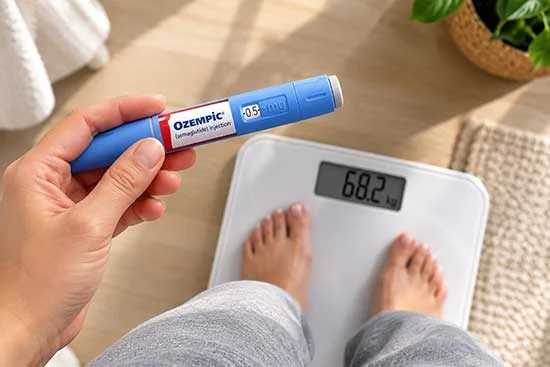
Ozempic (semaglutide) has taken the spotlight not just for its role in managing type 2 diabetes, but for its significant impact on weight loss. Celebrities and influencers have openly discussed using Ozempic as part of their weight-loss journey, sparking a surge in interest worldwide. From Hollywood to social media, people are turning to this once-weekly injectable medication to lose weight—regardless of whether they have diabetes.
In fact, millions of people without diabetes are now using Ozempic, intrigued by its ability to curb appetite, slow digestion, and transform the way they approach weight loss.
As Dr. Dan, an expert in obesity management, pointed out, “Medications like Ozempic are a breakthrough for obesity, making sustainable weight loss achievable for many who struggled before.”
In this article, you’ll discover how Ozempic helps with weight loss, its expected outcomes, and how it compares to other weight-loss medications.
Is Ozempic Approved for Weight Loss?

No. Ozempic is not approved for weight loss. Ozempic was initially approved by the US Food and Drug Administration (FDA) in 2017 for treating type 2 diabetes. While it was not originally designed for weight loss, many people taking the medication noticed a significant reduction in their body weight, leading doctors to prescribe it off-label for this purpose.
In 2021, the FDA specifically approved a higher-dose version of semaglutide, branded as Wegovy, for weight loss in obese or overweight individuals with at least one weight-related condition. Wegovy is essentially the same medication as Ozempic but is prescribed at a higher dose to maximize its weight-loss effects.
How Much Weight Can You Lose On Ozempic?
The amount of weight you can lose on Ozempic varies depending on individual factors such as your starting weight, lifestyle, and adherence to the medication. However, clinical trials have provided some averages to help set expectations. Here’s a breakdown of what the studies have shown:
- After 3 months: Participants lost an average of 6% of their body weight. For example, if someone weighed 200 pounds, they could expect to lose around 12 pounds in this period.
- After 6 months: Average weight loss increased to 10.9%, translating to approximately 22 pounds lost for someone starting at 200 pounds.
- People without diabetes: Lost about 6.3% of their body weight in 3 months and 11.8% after 6 months, showing more significant results than those with diabetes.
- People with diabetes: Lost about 3.9% of their body weight in 3 months and 7.2% after 6 months.
In a separate trial involving 1,961 adults without diabetes but with obesity or overweight, participants were given either Ozempic or a placebo along with lifestyle interventions (diet and exercise). The results showed:
- Ozempic participants lost an average of 14.9% of their body weight.
- Participants on placebo lost only about 2.4% of their body weight.
Additionally, among the Ozempic group:
- 86.4% of participants lost at least 5% of their body weight.
- 69.1% lost 10% or more.
- 50.5% lost 15% or more of their body weight.
Dr. Dan reminds us that weight loss is highly individual: “Factors such as genetics, lifestyle, and even life circumstances can all influence how much weight a person loses, making it essential to avoid comparing yourself to others.”

Does Ozempic’s Weight Loss Vary by Dosage?
Yes, the amount of weight loss can vary depending on the dosage of Ozempic. Typically, Ozempic is available in several doses ranging from 0.25 mg to 1 mg per week, with higher doses being more effective for weight loss. However, weight loss is more pronounced at higher doses, such as the 2.4 mg version used in Wegovy, which is specifically designed for weight loss.
The table below summarizes weight loss effectiveness at different doses:
| Ozempic Dosage | Effectiveness |
| 0.25 mg | Minimal weight loss, mainly for dose adjustment |
| 0.5 mg | Moderate weight loss over time |
| 1 mg | Significant weight loss observed |
| 2.4 mg (Wegovy) | Highest weight loss, averaging 14-15% of body weight |
As dosage increases, so does the potential for weight loss. For example, in clinical trials, patients taking the highest dose (2.4 mg) experienced more substantial weight loss than those on lower doses. However, it’s important to note that higher doses may also increase the likelihood of side effects.
How Does Ozempic Help You Lose Weight?
Ozempic helps with weight loss by mimicking a hormone called GLP-1 (glucagon-like peptide-1), which is naturally produced in the body. This hormone plays a key role in regulating both appetite and blood sugar levels. When you take Ozempic, it interacts with specific receptors in the brain’s appetite centers, making you feel fuller for longer periods. This effect reduces your overall hunger and food intake, helping you consume fewer calories without feeling deprived.
Additionally, Ozempic slows down the rate at which food leaves your stomach, a process called gastric emptying. This contributes to the feeling of fullness and helps to control portions. Beyond appetite control, Ozempic also improves insulin sensitivity, meaning the body uses insulin more effectively. This can reduce fat storage and promote healthier glucose levels, further supporting weight loss.
How Long Does It Take to Lose Weight on Ozempic?
Weight loss with Ozempic typically begins within a few weeks of starting the medication, though the timeline can vary from person to person. Most patients start to notice gradual weight loss after about 4-6 weeks, as the medication begins to suppress appetite and slow down digestion.
Here’s an estimated timeline:
- First few weeks: Some people experience initial weight loss due to a reduced appetite, but it may be modest.
- After 3 months: Significant weight loss becomes noticeable, with clinical trials showing an average weight loss of around 6%.
- After 6 months: Patients often see the most dramatic results, with up to 10.9% body weight loss, as the body adapts to the medication’s effects.
However, as real-world experiences show, weight loss may vary. “My sister lost 75 pounds on Ozempic, while I’ve only lost 10. Hard not to be disappointed, but I need to stop comparing myself,” shares @angyeliz.
How to Maximize Weight Loss on Ozempic?
To maximize weight loss while taking Ozempic, making lifestyle adjustments that support the medication’s effects is essential. A low-calorie, nutrient-dense diet is one of the most effective ways to enhance weight loss. Focus on eating foods rich in fiber, lean proteins, and healthy fats while avoiding high-calorie, processed foods.
Regular physical activity is also key to maximizing results. Aim for at least 150 minutes of moderate weekly exercise, such as brisk walking, swimming, or cycling. Exercise not only helps with weight loss but also improves overall metabolic health.
Sticking to the recommended Ozempic dosage schedule is crucial. Missing doses or not following the prescribed plan can reduce the medication’s effectiveness. Tracking your meals, physical activity, and progress can help keep you motivated and on track to reach your weight loss goals.
“Start tracking your meals and exercise to hold yourself accountable,” advises Dr. Dan. “Focus less on the scale and more on how your body feels and functions.” A user, @motivated2010, echoes this advice: “I’ve gone from a size 14 to a size 8 due to inches lost, not just pounds. The scale doesn’t show the whole story.”
What Happens If You Stop Taking Ozempic? Will the Weight Return?
If you stop taking Ozempic, the weight you lose may return over time. This is because the medication’s effects, such as appetite suppression and slower digestion, will gradually fade. Once Ozempic is discontinued, your body may revert to its previous appetite regulation, causing increased hunger and potentially leading to weight gain.
Studies have shown that after stopping Ozempic, patients regained a portion of the weight they had lost. For example, participants in an extended study of the 68-week STEP program who discontinued semaglutide regained about 11.6% of their lost weight over 28 months. While some weight loss was maintained, a significant portion was regained after stopping the medication.
Additionally, the improvements in blood sugar control and cardiovascular risk while taking Ozempic may diminish once the medication is stopped. This highlights the importance of long-term lifestyle changes, such as maintaining a healthy diet and regular exercise, to sustain the benefits of weight loss even after stopping the medication.
How Does Ozempic Compare to Other Weight Loss Medications?

While Ozempic is not specifically approved for weight loss (it’s primarily approved for managing type 2 diabetes), other medications like Wegovy (also semaglutide) are specifically approved for weight loss. Here’s a comparison between Ozempic and other common weight-loss medications to help clarify their differences:
| Medication | Active Ingredient | Approved for Weight Loss? | Dosage Frequency | Average Weight Loss | Mechanism of Action |
| Ozempic | Semaglutide | No (approved for type 2 diabetes, but prescribed off-label for weight loss) | Weekly | 10.9% body weight after 6 months | Mimics GLP-1 hormone to suppress appetite and regulate blood sugar |
| Wegovy | Semaglutide | Yes (FDA-approved for weight loss) | Weekly | 14.9% body weight after 68 weeks | Same as Ozempic, but at a higher dose for weight loss |
| Saxenda | Liraglutide | Yes (FDA-approved for weight loss) | Daily | 8-10% body weight after 6 months | Similar to Ozempic, works by mimicking GLP-1 |
| Phentermine | Phentermine (stimulant) | Yes (FDA-approved for short-term weight loss) | Daily | 5-7% of body weight within a few months | Appetite suppressant, works by stimulating the central nervous system |
| Contrave | Naltrexone-Bupropion | Yes (FDA-approved for weight loss) | Daily | Around 5-10% body weight after 1 year | Works on the brain to reduce hunger and cravings |
As shown in the table, Wegovy and Saxenda are specifically approved for weight loss, with Wegovy being the higher-dose version of semaglutide for weight management. Phentermine and Contrave are also approved for weight loss, though they function through different mechanisms. Ozempic is prescribed off-label for weight loss but is primarily intended to manage diabetes.
Can Ozempic Be Taken Long-Term?
Yes, Ozempic can be taken long-term, especially for individuals using it to manage type 2 diabetes. For those taking it off-label for weight loss, long-term use is possible, but it requires careful monitoring by a healthcare provider to ensure its effectiveness and safety. Studies have shown that long-term use of semaglutide, the active ingredient in Ozempic, is generally safe and well-tolerated.
For those focusing on weight loss, long-term use may be necessary to maintain the weight loss achieved while on the medication. Stopping Ozempic could lead to weight regain, as previously discussed. The benefits of long-term use include continued appetite suppression, improved insulin sensitivity, and sustained weight loss, but side effects like gastrointestinal discomfort may persist for some individuals.

Conclusion: Is Ozempic Worth It for Weight Loss?
Ozempic has proven to be an effective option for weight loss, especially for those with type 2 diabetes or individuals prescribed it off-label for weight management. While it is not specifically approved for weight loss, clinical trials and real-world results show that many people experience significant weight reduction. The results, however, are often more pronounced in those without diabetes.
For those seeking a medication specifically approved for weight loss, Wegovy, a higher-dose version of semaglutide, may be a better option. Additionally, other weight-loss medications like Saxenda and Phentermine offer alternative solutions, though their mechanisms and dosing schedules differ.
Whether Ozempic is worth it depends on individual health goals, medical conditions, and how well the medication fits into a long-term weight management plan. Potential side effects, the cost of medication, and the commitment to lifestyle changes such as diet and exercise must also be considered.
“At the end of the day, it’s about finding what works for you. Ozempic can support your goals, but sustainable health comes from consistent habits,” concludes Dr. Dan.
Articles you may also be interested in



Frequently Asked Questions
Sources
Wilding, J. P. H., Batterham, R. L., Calanna, S., Davies, M., Van Gaal, L. F., Lingvay, I., McGowan, B. M., Rosenstock, J., Tran, M. T., Wadden, T. A., Wharton, S., Yokote, K., Zeuthen, N., & Kushner, R. F. (2021). Once-weekly semaglutide in adults with overweight or obesity. New England Journal of Medicine, 384(11), 989–1002. https://www.nejm.org/doi/full/10.1056/NEJMoa2032183
Rubino, D., Abrahamsson, N., Davies, M., Hesse, D., Greenway, F. L., Jensen, C., Lingvay, I., Mosenzon, O., Rosenstock, J., Rubio, M. A., Rudofsky, G., Seufert, J., & Wadden, T. A. (2021). Effect of continued weekly subcutaneous semaglutide vs placebo on weight loss maintenance in adults with overweight or obesity: The STEP 4 randomized clinical trial. JAMA, 325(14), 1414–1425. https://pubmed.ncbi.nlm.nih.gov/33567185/
Cleveland Clinic. (2023, May 16). What is Ozempic for weight loss and how does it work? https://health.clevelandclinic.org/ozempic-for-weight-loss
Novo Nordisk. (n.d.). Ozempic® (semaglutide) injection 0.5 mg, 1 mg: Efficacy and safety. Novomedlink. https://www.novomedlink.com/diabetes/products/treatments/ozempic/efficacy-safety/ozempic-and-weight.html
U.S. Food and Drug Administration. (2017). Ozempic (semaglutide) injection, for subcutaneous use: Prescribing information. https://www.accessdata.fda.gov/drugsatfda_docs/label/2017/209637lbl.pdf


