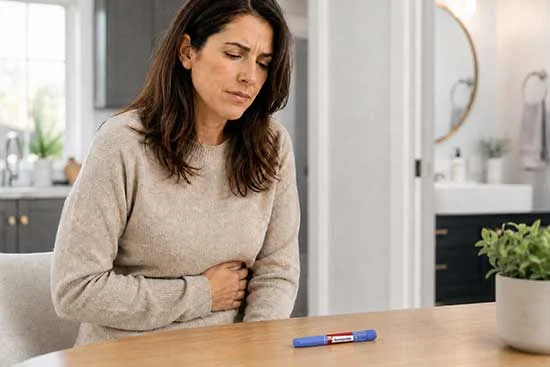
Sulfur burps are burps that smell or taste like rotten eggs. The odor is commonly associated with hydrogen sulfide, a sulfur-containing gas produced during digestion. GLP-1 medications like semaglutide (Ozempic and Wegovy) and tirzepatide (Mounjaro and Zepbound) can slow stomach emptying and cause burping, indigestion, bloating, constipation, or reflux.
In trials, 7% of people taking injectable Wegovy reported burping, compared with less than 1% taking a placebo. In Zepbound trials, burping occurred in 4% to 5% of participants taking the medication, compared with 1% taking a placebo.
Several home measures may help you get rid of GLP-1 sulfur burps within hours or days. However, persistent or severe symptoms require medical advice because other digestive conditions can cause similar symptoms.
1. Eat smaller meals more often
Eating less food at each sitting can reduce stomach pressure and the amount of material available for fermentation. It may also lower the chance of food and gas moving back toward the esophagus.
Try eating four to six small meals or snacks instead of two or three large meals. Stop eating when you begin to feel comfortably full.
For the next 24 to 48 hours, choose simple meals such as:
-
- oatmeal or cream of rice
- toast, crackers, or rice
- soup with lean protein
- yogurt if you tolerate dairy
- bananas or applesauce
- well-cooked vegetables
- baked fish, chicken, or tofu
The National Institute of Diabetes and Digestive and Kidney Diseases (NIDDK) also recommends five or six small meals for people with delayed stomach emptying. The same approach may help GLP-1 users who have fullness, bloating, belching, or nausea.
2. Reduce high-fat and hard-to-digest foods temporarily
Fat takes longer to leave the stomach than many carbohydrates and proteins. A high-fat meal can intensify fullness, nausea, reflux, and belching when stomach emptying is already slow.
Temporarily reduce foods such as:
-
- fried foods
- fatty cuts of meat
- sausage, bacon, and pepperoni
- heavy cream sauces
- large amounts of cheese
- pizza
- burgers and fries
- rich desserts
- large servings of nuts or nut butter
- meals prepared with a large amount of oil
Choose lower-fat cooking methods such as baking, steaming, grilling, or poaching. Softer, well-cooked foods may also be easier to tolerate during a flare.
A temporary reduction is usually enough. Long-term severe fat restriction can make it harder to obtain adequate calories and fat-soluble vitamins. People who have repeated symptoms or difficulty eating should ask a clinician for a referral to a registered dietitian.
Very high-fiber meals can also worsen fullness and gas in some people. Large salads, bran cereals, raw vegetables, and large portions of beans may be difficult to tolerate during a flare. Reduce the portion rather than eliminating fiber indefinitely. Fiber often helps constipation, so the amount needs to be adjusted according to your symptoms.
3. Identify and pause your personal gas triggers
Food triggers vary widely. A food that causes sulfur burps for one person may cause no symptoms in another.
Common gas-producing foods and ingredients include:
-
- Broccoli, cauliflower, cabbage, Brussels sprouts, and kale
- Beans, peas, and lentils
- Eggs
- Onions and garlic
- Milk and ice cream in people with lactose intolerance
- Foods and drinks high in fructose
- Sugar-free products containing sorbitol, xylitol, maltitol, or other sweeteners ending in “ol”
- Protein shakes containing lactose, sugar alcohols, or large amounts of added fiber
- Carbonated drinks
- Alcohol
Cruciferous vegetables, beans, dairy, fructose, and sugar alcohols are among the foods the NIDDK identifies as common gas triggers.
Avoid removing every potentially troublesome food at once. A broad elimination diet can reduce protein, fiber, vitamins, and minerals unnecessarily.
Use a food and symptom record for one to two weeks. Record:
-
- your dose
- the date of your injection
- meal size
- foods and drinks consumed
- when the sulfur burps began
- other symptoms such as nausea, heartburn, diarrhea, or constipation
- bowel movements
Patterns often become easier to recognize after several days. If sulfur burps repeatedly follow a certain food, reduce that food for one or two weeks and then try a smaller serving.
4. Eat slowly and swallow less air
Swallowed air is a common source of belching. Eating quickly can add more air to the stomach and increase pressure after a meal.
To swallow less air:
-
- take smaller bites
- chew food thoroughly
- put your fork down between bites
- avoid talking continuously while chewing
- do not drink through a straw
- avoid chewing gum and sucking on hard candy
- skip carbonated water, soda, beer, and sparkling drinks
- avoid gulping liquids
The NIDDK specifically recommends eating slowly and avoiding fizzy drinks, straws, gum, and hard candy for people who belch frequently. These measures may reduce the frequency of burping quickly, although they may have less effect on the sulfur odor itself.
5. Stay upright after eating
Remain upright for at least two to three hours after a meal. Lying flat can make it easier for stomach contents and gas to move toward the esophagus, especially if you also have heartburn or sour-tasting burps.
A gentle 10- to 15-minute walk may feel comfortable and can support normal digestive movement. Avoid vigorous exercise immediately after eating if it worsens nausea or abdominal discomfort.
If symptoms are worse at night:
-
- Finish dinner at least three hours before bed
- Keep the evening meal small
- Avoid high-fat food at dinner
- Raise the head of the bed if your clinician recommends it
- Consider sleeping on your left side if that position reduces reflux
6. Drink enough fluid and manage constipation
Constipation can cause sulfur burps because it allows food residue and gas to remain in the digestive tract longer. This may increase bloating, pressure, and unpleasant-smelling gas.
Sip water throughout the day rather than drinking a large amount with one meal. Small, frequent sips may be easier to tolerate if you feel full or nauseated.
Signs that you may need more fluid include:
-
- dark urine
- dry mouth
- urinating less often
- dizziness
- headache
- hard, dry stools
For mild constipation, a clinician may recommend more fluid, appropriate physical activity, gradual fiber adjustment, or a short course of an over-the-counter laxative. Increasing fiber too rapidly can worsen gas and sulfur burps. Add it gradually and drink enough fluid with it.
Contact your prescriber if constipation is severe, lasts several days, or occurs with vomiting, increasing abdominal swelling, or an inability to pass gas.
7. Use medications
Over-the-counter medicines may help some people, but the best choice depends on whether the main problem is sulfur odor, reflux, bloating, diarrhea, or constipation.
Bismuth subsalicylate (Pepto-Bismol)
Bismuth subsalicylate works in the digestive tract through several mechanisms. In the stomach and intestines, it can bind to sulfur-containing compounds such as hydrogen sulfide, forming insoluble bismuth sulfide. This reaction reduces the amount of free hydrogen sulfide gas, which is one of the compounds associated with a rotten egg odor in burps. The compound formed is not absorbed and is eliminated in stool, which is why stool or tongue darkening can occur during use.
It also has mild antimicrobial and anti-inflammatory effects in the gastrointestinal lining, which may help reduce irritation and abnormal gas production in some cases.
In a small study involving 10 healthy adults, 524 mg four times a day of bismuth subsalicylate reduced hydrogen sulfide release from fecal samples by more than 95% after three to seven days of use.
How to take it (typical OTC use):
-
- Chewable tablets (262 mg each): 2 tablets every 30-60 minutes as needed
- Liquid: 30 mL every 30-60 minutes as needed
- Do not exceed 8 doses in 24 hours (follow the specific product label)
- Do not use for more than 2 days unless a clinician advises otherwise
Note that bismuth subsalicylate is unsuitable for some people. Avoid it or speak with a clinician or pharmacist first if you:
-
- Are allergic to aspirin or other salicylates
- Take aspirin or another salicylate-containing product
- Take an anticoagulant or blood thinner
- Have an ulcer or bleeding disorder
- Have bloody or black stools before taking it
- Take medication for diabetes, gout, or arthritis
- Are pregnant or breastfeeding
- Are younger than 12
- Are a child or teenager recovering from chickenpox or flu-like symptoms
If you experience ringing in the ears, hearing changes, or worsening symptoms, stop taking it and contact a healthcare professional.
Simethicone (such as Gas-X or Mylanta Gas)
Simethicone helps small gas bubbles combine so they can pass more easily. It may relieve bloating, pressure, or fullness. It does not directly reduce hydrogen sulfide production, and research specifically supporting it for sulfur burps is limited.
How to take it (typical OTC use):
-
- 80-125 mg after meals and at bedtime as needed
- Can be taken up to 4 times per day depending on product strength
- Do not exceed the maximum daily dose listed on the label (commonly up to 500 mg/day for adult products)
Simethicone is generally well tolerated and can be used short-term during symptom flares, especially when bloating and trapped gas are prominent.
Antacids and acid-reducing medicines
Antacids may provide short-term relief when sulfur burps occur with heartburn or acid indigestion. H2 blockers and proton pump inhibitors reduce stomach acid and may be appropriate for diagnosed reflux.
These medicines target acid-related symptoms, but they do not remove sulfur gas. Frequent reflux, trouble swallowing, nighttime symptoms, or repeated reliance on acid-reducing medicine should be discussed with a clinician.
How to take them (typical OTC use):
-
- Calcium carbonate antacids (e.g., Tums): 1-2 tablets (500-1000 mg total) as needed for symptoms
- May be repeated every few hours as directed on the label
- Do not exceed the maximum daily amount listed on the package
- H2 blockers (e.g., famotidine): usually taken once or twice daily, or 10-60 minutes before trigger meals depending on product instructions
- PPIs (e.g., omeprazole): typically taken once daily before the first meal of the day for a short course unless directed otherwise
Use acid-reducing medications consistently only when needed for reflux symptoms, and avoid long-term use without medical guidance.
Alpha-galactosidase (Beano and similar products)
Alpha-galactosidase (commonly sold as Beano and generic versions) is an enzyme that helps break down complex carbohydrates found in beans, lentils, and some vegetables before they reach the colon. These carbohydrates are a major source of intestinal gas when they are fermented by gut bacteria.
By breaking these carbohydrates into simpler sugars earlier in digestion, alpha-galactosidase can reduce gas production, bloating, and pressure that may contribute to belching. It does not directly target rotten egg burps, but it can reduce overall gas load in the digestive tract, which may indirectly lessen sulfur burps in people whose symptoms are food-triggered.
How to take it (typical OTC use):
-
- Take 1 tablet or drop dose with the first bite of a meal
- If eating a larger meal or multiple gas-producing foods, some products allow 2 tablets with the first bite
- Do not take after finishing the meal (it works by acting on food as it is being digested)
- Can be used with every meal that contains trigger foods, as needed
Different brands vary slightly in enzyme strength, so follow the product label for exact dosing instructions.
Alpha-galactosidase is generally well tolerated. People with galactosemia should avoid it unless directed by a clinician.
Probiotics
Probiotics may help balance gut bacteria, which can influence gas production in some people.
How to use:
-
- Look for products containing Lactobacillus or Bifidobacterium strains
- Common doses range from 1-10 billion CFU daily
Effects vary widely by person and product and may take 2-4 weeks to notice changes. It can also temporarily increase gas in some users.
8. Home remedies (apple cider vinegar, peppermint, etc.)
Several home remedies are commonly used for gas, bloating, and belching. Evidence specifically for GLP-1-related sulfur burps is limited, but some may help by supporting digestion, reducing gas formation, or easing stomach discomfort.
Apple Cider Vinegar (ACV)
Apple cider vinegar is widely used for indigestion and “slow digestion” symptoms. ACV is thought to increase stomach acidity in some people, which may support more efficient breakdown of food and reduce fermentation that produces gas.
How to use:
-
- Mix 1-2 teaspoons (5-10 mL) in 8-12 oz (240-350 mL) of water
- Drink once daily before a meal, typically lunch or dinner
- Do not take undiluted
However, it can worsen acid reflux or stomach irritation in some people. It may also damage tooth enamel if not diluted. Avoid if you have ulcers or significant GERD unless approved by a clinician.
Peppermint (tea or enteric-coated oil)
Peppermint is one of the most studied herbal options for digestive symptoms, especially in irritable bowel syndrome (IBS). Peppermint relaxes smooth muscle in the gastrointestinal tract, which may reduce cramping, bloating, and trapped gas.
How to use:
-
- Peppermint tea: 1 tea bag or 1-2 teaspoons dried leaves steeped in hot water for 5-10 minutes, up to 2-3 cups daily
- Enteric-coated peppermint oil capsules: commonly 180-225 mg per capsule, taken 1-3 times daily before meals
Peppermint oil can worsen heartburn in some people. Enteric-coated forms are preferred to reduce reflux risk.
Ginger
Ginger may support gastric motility and reduce nausea, which can indirectly reduce gas buildup and belching.
How to use:
-
- Fresh ginger tea: steep 1-2 grams of sliced ginger in hot water for 10 minutes
- Ginger capsules: commonly 250-500 mg up to 2-4 times daily (standardized extracts vary)
Use caution with blood-thinning medications.
Fennel seeds
Fennel is traditionally used for gas and bloating. It contains compounds that may relax intestinal muscles and reduce gas formation.
How to use:
-
- Chew ½ to 1 teaspoon of fennel seeds after meals
- Or steep 1-2 teaspoons of crushed seeds in hot water for tea, up to 2-3 times daily
Home remedies for sulfur burps may help reduce general gas and digestive discomfort, but they are not proven treatments for GLP-1-induced sulfur burps specifically. Response varies significantly between individuals.
If symptoms persist despite dietary changes and home remedies, medical evaluation is recommended to rule out reflux, constipation, infection, or delayed gastric emptying.
Get evaluated when sulfur burps keep returning
The rotten-egg smell alone cannot identify the cause. Persistent sulfur burps may be related to reflux, constipation, delayed stomach emptying, carbohydrate intolerance, an infection, or bacterial overgrowth.
The NIDDK lists gastroesophageal reflux disease, gastroparesis, constipation, small intestinal bacterial overgrowth, and intestinal obstruction among conditions that can cause troublesome gas symptoms.
Contact a healthcare professional if sulfur burps:
-
- Continue despite smaller meals and dietary changes
- Last longer than several days
- Return after every injection
- Interfere with eating, drinking, sleeping, or working
- Occur with ongoing diarrhea or constipation
- Occur with unexpected weight loss
- Come with marked fullness long after meals
- Are accompanied by vomiting undigested food
Diarrhea, gas, greasy floating stools, cramps, and nausea after untreated water exposure, camping, swimming, or travel may suggest Giardia infection. The Centers for Disease Control and Prevention recommends contacting a healthcare provider when Giardia is suspected.
A clinician may review your medication dose, eating pattern, bowel habits, and other drugs that slow digestion. Testing may be needed when symptoms suggest infection, reflux, gastroparesis, or another digestive disorder.
Ask your prescriber about slowing dose escalation
Sulfur burps that start or intensify after a dose increase may indicate that your digestive system needs more time to adjust.
The FDA-approved Wegovy schedule states that dose escalation may be delayed when a dose is not tolerated. Zepbound doses are increased in 2.5-milligram steps only after at least four weeks at the current dose. These schedules are designed to reduce gastrointestinal side effects. Any change should be made with the prescriber.
Do not skip, reduce, or stop a GLP-1 medication without speaking with the prescriber. A dose change can affect blood sugar control, appetite, and other treatment goals.
Contact the prescriber and explain:
-
- When the burps began
- Whether they started after a dose increase
- How often they occur
- Whether you also have nausea, vomiting, reflux, diarrhea, or constipation
- Whether you can eat and drink normally
- Which home measures or medicines you have tried
Some people improve after staying at a lower dose longer. Others need a lower maintenance dose or a different medication. The decision should consider symptom severity, blood sugar control, weight-related goals, and other medical conditions.
Seek prompt care for severe symptoms
Sulfur burps by themselves are usually not dangerous, but certain accompanying symptoms require prompt medical attention.
Get urgent medical care for:
-
- Persistent or severe abdominal pain
- Pain that spreads to the back
- Repeated vomiting or vomiting for more than an hour
- Blood in vomit or vomit that looks like coffee grounds
- A swollen abdomen with an inability to pass stool or gas
- Fainting, extreme weakness, or confusion
- Trouble breathing
- Fever with significant abdominal symptoms
- Yellow skin or eyes
- Signs of severe dehydration
- Black, tarry stools when you have not taken bismuth
Persistent severe abdominal pain that may radiate to the back can be a symptom of pancreatitis. FDA prescribing information for GLP-1 medications instructs patients to contact a healthcare professional promptly when pancreatitis is suspected.
Postmarketing reports for semaglutide have also included ileus, intestinal obstruction, and severe constipation with fecal impaction. These reports cannot establish how often the problems occur, but symptoms of a blockage should receive urgent evaluation.
Frequently Asked Questions
Articles you may also be interested in