
Hypoglycemia, a condition characterized by abnormally low blood sugar levels, is a common and potentially dangerous occurrence, particularly among people with diabetes. Studies show that 4 in 5 individuals with type 1 diabetes and nearly half of those with type 2 diabetes who take insulin experience at least one episode of hypoglycemia within a 4 week period. These episodes can vary in severity, from mild discomfort to life-threatening situations, underscoring the importance of understanding the symptoms, causes, and preventive measures associated with hypoglycemia.
In this article, you will learn about the common symptoms of hypoglycemia, the various causes and risk factors, how it is diagnosed, and what steps can be taken to manage and prevent this condition.
Key Takeaways
- Hypoglycemia is a condition where blood sugar levels drop below 70 mg/dL, affecting 4 in 5 people with type 1 diabetes and nearly half of those with type 2 diabetes who use insulin.
- Symptoms of hypoglycemia range from mild signs like shakiness and sweating to severe complications such as seizures and coma.
- Insulin overproduction, excessive alcohol intake, and certain medications are common causes of hypoglycemia, with insulinomas being a key factor in non-diabetics.
- Hypoglycemic unawareness can develop after repeated low blood sugar episodes, increasing the risk of severe, unnoticed hypoglycemia.
- Severe or prolonged hypoglycemia can cause permanent brain damage due to the brain’s reliance on glucose as its main energy source.
- Prevention involves regular blood sugar monitoring, balanced meals, and careful management of glucose-lowering medications to avoid episodes.
What Are the Common Symptoms of Hypoglycemia?

Hypoglycemia manifests through a range of symptoms categorized as mild, moderate, or severe, depending on the blood sugar levels and the body’s response.
Mild Symptoms
When blood glucose levels start to drop, the first organ affected by hypoglycemia is the brain, leading to adrenergic symptoms. The release of adrenaline causes these and include:
- Shakiness
- Sweating
- Anxiety
- Palpitations
- Hunger
These symptoms are the body’s first line of defense, signaling that it’s time to consume food to raise blood glucose levels.
Moderate Symptoms
As hypoglycemia progresses without correction, neuroglycopenic symptoms emerge due to insufficient glucose supply to the brain. These symptoms include:
- Difficulty concentrating
- Confusion
- Irritability
- Blurred vision
At this stage, cognitive function is impaired, and the person may struggle to think clearly or respond appropriately.
Severe Symptoms
If blood sugar levels continue to drop, severe hypoglycemia can occur, leading to more serious complications such as:
- Seizures
- Unconsciousness
- Coma
Severe hypoglycemia is a medical emergency and requires immediate intervention, typically through the administration of glucose or glucagon.
What Causes Hypoglycemia and Who Is at Risk?

Hypoglycemia can be caused by various factors, especially in people with diabetes, but it can also occur in those without the condition.
- Insulin Overproduction: One of the primary causes of hypoglycemia is the overproduction of insulin, which can occur due to a tumor in the pancreas called an insulinoma. This excess insulin lowers blood glucose levels too much, leading to hypoglycemia.
- Medications: People with diabetes who take insulin or other glucose-lowering medications, such as sulfonylureas, are at risk of hypoglycemia, particularly if they miss a meal, exercise more than usual, or take too much medication. Additionally, some non-diabetic medications, like quinine (used to treat malaria), can cause hypoglycemia.
- Excessive Alcohol Intake: Consuming large amounts of alcohol, especially on an empty stomach, can inhibit the liver’s ability to release glucose into the bloodstream, leading to hypoglycemia. This is particularly risky for individuals who drink heavily and don’t eat enough.
- Critical Illnesses: Severe liver or kidney diseases, as well as advanced heart disease, can disrupt the body’s ability to manage glucose levels, increasing the risk of hypoglycemia. In these cases, the body’s normal glucose production and utilization processes are impaired.
- Hormone Deficiencies: Disorders of the adrenal glands or pituitary gland can lead to insufficient production of hormones like cortisol and growth hormone, both of which play roles in glucose metabolism. Without these hormones, blood sugar levels can drop too low, resulting in hypoglycemia.
Can Hypoglycemia Occur Without Noticeable Symptoms?
Yes, hypoglycemia can occur without noticeable symptoms, a condition known as hypoglycemic unawareness. This condition often develops in individuals who experience frequent episodes of hypoglycemia, leading their bodies to become less responsive to the usual warning signs. Symptomatic hypoglycemia will most likely develop if a patient continues to have repeated low blood sugar episodes without addressing the underlying cause.
This lack of symptoms is particularly dangerous because it can lead to severe hypoglycemia without the person realizing it, increasing the risk of sudden unconsciousness or seizures. Research indicates that hypoglycemic unawareness is more common in people with long-standing diabetes and can be reversed by avoiding hypoglycemia for a period of time, allowing the body’s natural response to low blood sugar to reset.
How Is Hypoglycemia Diagnosed?
Diagnosing hypoglycemia involves a combination of clinical evaluation and laboratory testing to confirm low blood sugar levels and identify the underlying cause. The diagnosis typically follows the presence of Whipple’s Triad, a set of three criteria that are essential for confirming hypoglycemia:
- Symptoms of Hypoglycemia: The first criterion is the presence of symptoms consistent with hypoglycemia, such as shakiness, confusion, or sweating. These symptoms are often the initial indicator that prompts further investigation.
- Low Plasma Glucose Levels: The second criterion is measuring low blood glucose levels at the time the symptoms occur. Typically, a blood glucose level below 70 mg/dL (3.9 mmol/L) indicates hypoglycemia, but the exact threshold may vary depending on the individual and clinical context. Severe hypoglycemia is usually classified as blood glucose below 54 mg/dL (3.0 mmol/L).
- Resolution of Symptoms After Glucose Intake: The final criterion in Whipple’s Triad is the resolution of symptoms after raising blood glucose levels, typically through ingesting carbohydrates or administering glucose.
A supervised fasting test may be conducted to further confirm the diagnosis, especially in cases where hypoglycemia occurs in individuals without diabetes. This test involves monitoring blood glucose levels during a 48—to 72-hour fast. Suppose symptoms develop and blood glucose levels drop. In that case, additional tests are performed to measure insulin, C-peptide, and other hormones to determine whether the hypoglycemia is insulin-mediated or due to another cause.
For individuals with diabetes, continuous glucose monitors (CGMs) can be used to track glucose levels over time, providing detailed data on fluctuations and helping to identify patterns that may lead to hypoglycemia. However, it is important to note that CGMs may be less accurate at very low glucose levels, so confirmatory blood tests are often necessary.
Early and accurate diagnosis of hypoglycemia is crucial to prevent severe episodes and to tailor appropriate treatment strategies.
What Is the ICD 10 Code for Hypoglycemia?
In the International Classification of Diseases, 10th Revision (ICD-10), hypoglycemia is classified under several codes depending on the specific type and context of the condition. The most common ICD 10 code for hypoglycemia is E16.2. This code is used when the hypoglycemic event is not further specified or linked to a particular cause.
However, there are other codes associated with hypoglycemia in specific situations:
- E16.0: Drug-induced hypoglycemia without coma. This code is used when hypoglycemia results from the use of medications, such as insulin or other glucose-lowering drugs, but without the occurrence of a coma.
- E16.1: Other hypoglycemia. This code is applied when the hypoglycemia is caused by factors other than drugs or when the hypoglycemia is reactive (occurs after meals).
- O24.4: Gestational diabetes mellitus with hypoglycemia. This is used in the context of pregnancy when hypoglycemia occurs as a complication of gestational diabetes.
- P70.4: Neonatal hypoglycemia. This code is specific to hypoglycemia occurring in newborns, which can be transient or persistent depending on the underlying causes.
How Does Hypoglycemia Affect Pregnant Women?
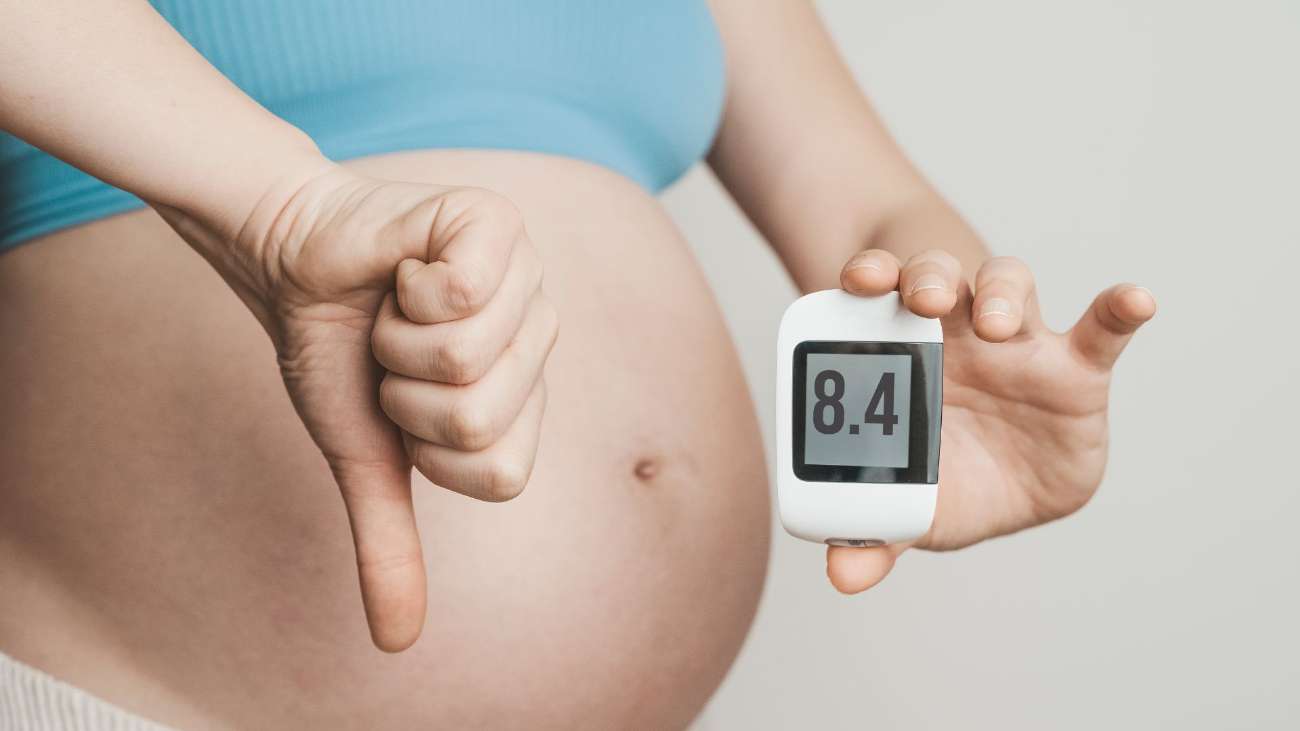
Hypoglycemia during pregnancy can pose significant risks to both the mother and the developing fetus. Pregnant women, especially those with diabetes, are at an increased risk of hypoglycemia due to the heightened demands of pregnancy on the body’s metabolism and insulin sensitivity.
In the early stages of pregnancy, hormonal changes can increase insulin sensitivity, leading to a higher risk of low blood sugar levels. This is particularly true for women with type 1 diabetes who are on insulin therapy. If not managed properly, hypoglycemia can cause dizziness, confusion, and even loss of consciousness, which could lead to falls and other injuries that might harm the mother and baby.
For the fetus, the primary concern is that repeated episodes of maternal hypoglycemia can reduce the availability of glucose, the main energy source for the developing brain. While the fetus has some protective mechanisms, severe or prolonged hypoglycemia can potentially impact fetal growth and development.
Pregnant women with diabetes must monitor their blood glucose levels frequently and adjust their diet and insulin therapy as needed to prevent hypoglycemia. Education on recognizing the early signs of hypoglycemia and quick treatment, such as consuming glucose tablets or sugary snacks, is vital for managing this condition during pregnancy.
What Is Ketotic Hypoglycemia in Children?
Ketotic hypoglycemia is a common cause of recurrent hypoglycemia in young children, typically between the ages of 18 months and 5 years. It occurs when a child’s body uses ketones as an alternative energy source during fasting or low carbohydrate intake, leading to low blood glucose levels.
Ketotic hypoglycemia generally occurs in otherwise healthy children who have a lower threshold for fasting tolerance. When they go without food for an extended period (often overnight or after an illness), their bodies rapidly deplete glycogen stores and begin breaking down fat for energy. This process produces ketones, which can lead to hypoglycemia, especially in the morning after an overnight fast.
Symptoms of ketotic hypoglycemia include lethargy, irritability, sweating, and, in some cases, vomiting. The child may also have a distinctive fruity odor to their breath, which is due to the presence of ketones. In severe cases, the child may experience seizures or lose consciousness.
Ketotic hypoglycemia is usually managed by ensuring that the child eats frequent meals, especially snacks, before bedtime to prevent long periods of fasting. Children often outgrow this condition as their bodies develop a greater ability to maintain blood glucose levels during fasting.
What Is Postprandial Hypoglycemia?
Postprandial hypoglycemia, also known as reactive hypoglycemia, refers to low blood sugar that occurs within a few hours after eating. Unlike fasting hypoglycemia, which happens when the body’s glucose levels drop after periods without food, postprandial hypoglycemia is directly related to food intake.
Postprandial hypoglycemia typically results from an exaggerated insulin response after a meal. In some individuals, the pancreas releases too much insulin in response to the ingestion of carbohydrates, which leads to a rapid drop in blood glucose levels after the initial spike. This condition can be more common in people who have had stomach surgery, such as gastric bypass, which alters the normal digestive process. It may also occur in individuals who have prediabetes or early-stage type 2 diabetes, where insulin regulation is impaired.
The symptoms of postprandial hypoglycemia are similar to those of other forms of hypoglycemia and can include shakiness, sweating, dizziness, and confusion. These symptoms usually appear 2 to 4 hours after a meal, particularly after consuming foods high in refined carbohydrates and sugars.
What Are the Symptoms and Causes of Hypoglycemia in Newborns?
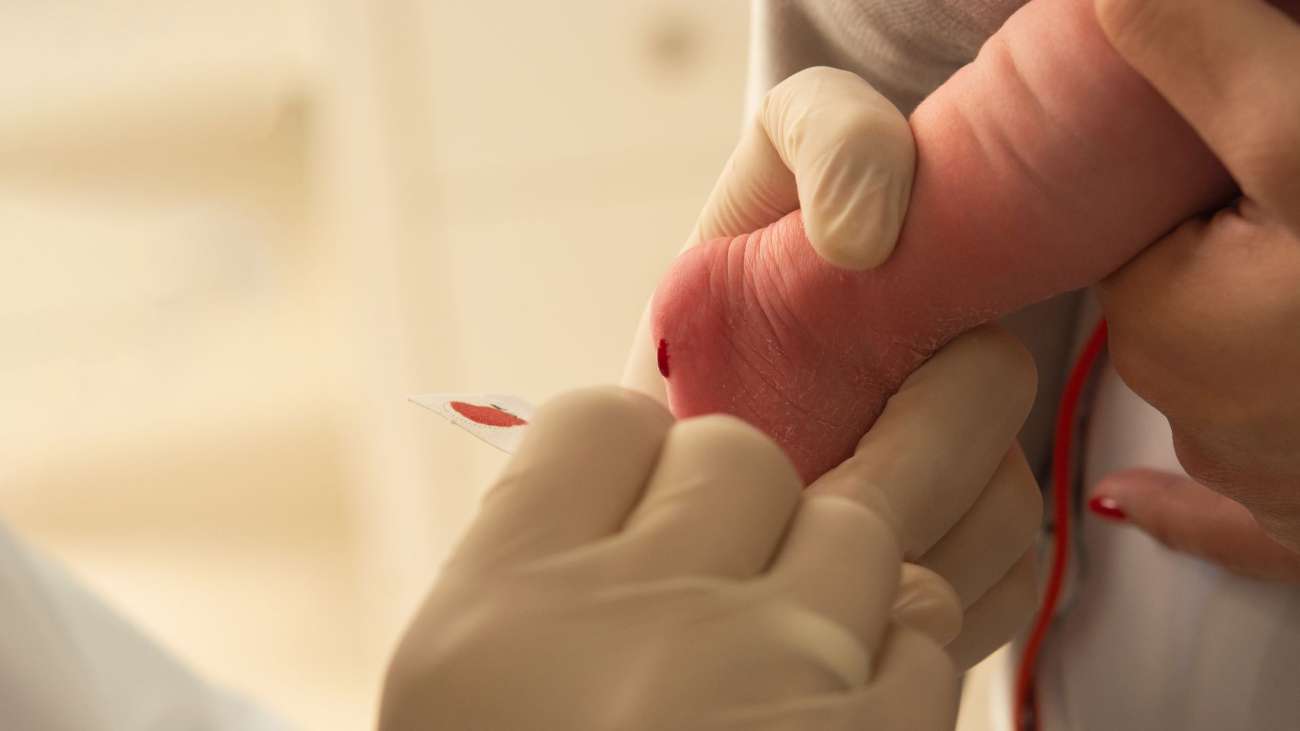
Neonatal hypoglycemia is a condition where a newborn’s blood sugar levels drop below the normal range within the first few days of life. This condition is more common in infants of diabetic mothers, preterm infants, and those who are small for gestational age.
Newborns with hypoglycemia may present with subtle or non-specific symptoms, including jitteriness, poor feeding, lethargy, or a weak cry. In more severe cases, they may experience seizures or respiratory distress. However, many newborns with hypoglycemia may not show any outward symptoms, making regular monitoring essential in at-risk infants.
The causes of neonatal hypoglycemia are varied and can include the following:
- Maternal Diabetes: Infants born to mothers with diabetes are often exposed to high glucose levels in utero, leading to increased insulin production in the fetus. After birth, when the maternal glucose supply is cut off, the newborn’s high insulin levels can cause rapid drops in blood sugar.
- Prematurity: Preterm infants have smaller glycogen stores and less developed metabolic systems, making them more susceptible to hypoglycemia.
- Intrauterine Growth Restriction (IUGR): Infants who are small for gestational age often have insufficient fat stores and glycogen reserves, increasing their risk of hypoglycemia.
Understanding the hypoglycemia signs and symptoms in newborns is crucial for timely intervention and ensuring the health and safety of at-risk infants.
What Are the Long-Term Complications of Untreated Hypoglycemia?
Untreated or recurrent hypoglycemia can lead to several serious long-term complications, particularly if it occurs frequently or goes unrecognized for extended periods.
- Hypoglycemia Unawareness: One of the most concerning long-term complications is unawareness, a condition in which the body’s usual warning signs of low blood sugar, such as shaking or sweating, diminish or disappear altogether. This increases the risk of severe hypoglycemic episodes because the individual may not recognize the need to treat low blood sugar until it becomes dangerously low.
- Neurological Damage: Repeated severe hypoglycemia can cause permanent neurological damage. The brain requires a constant supply of glucose to function properly, and prolonged or severe drops in blood sugar can lead to cognitive deficits, memory problems, and even irreversible brain injury.
- Increased Risk of Accidents: Hypoglycemia can impair judgment, coordination, and the ability to respond quickly, increasing the risk of accidents, particularly for those who drive or operate machinery. In older adults, hypoglycemia can lead to falls and subsequent injuries.
- Cardiovascular Complications: Some studies suggest that severe hypoglycemia can contribute to cardiovascular events, such as arrhythmias or heart attacks, due to the stress it places on the body.
What Are the Treatments for Hypoglycemia?
Treating hypoglycemia promptly and effectively is crucial to prevent the condition from escalating into a more severe or life-threatening situation. The treatment approach depends on the severity of the hypoglycemic episode and the individual’s overall health status, particularly if they have diabetes.
If low blood sugar is suspected, it’s advisable to seek medical consultation for proper testing and diagnosis. Keeping a symptom diary can be helpful, noting when certain symptoms occur and their severity. It’s important not to ignore the symptoms of hypoglycemia, especially if they are severe or recurring. If left untreated, this condition could lead to seizures, loss of consciousness, or coma.
The best way to treat low blood sugar and manage the sudden onset of symptoms is by consuming carbohydrates or sugar to raise blood glucose levels. It’s recommended to consume around 15 grams of simple carbohydrates. Some examples of 15 grams of carbohydrates for hypoglycemia include:
- A small handful of raisins
- 1/2 cup of regular, sugared soda
- 1 tablespoon of honey
- 8 ounces of milk
Sugared candies can also be effective, and the appropriate amount should be determined by reading the package label to ensure it equals 15 grams of simple carbs.
Using Glucagon
Glucagon is a hormone that stimulates the liver to release glucose stored in the body when blood sugar becomes low. Individuals with diabetes who experience insulin reactions often use glucagon kits for injections. Glucagon can also be used for those with hypoglycemia, but it’s important to consult with a healthcare provider to determine if it is the appropriate treatment.
Emergency Treatment

In cases of severe hypoglycemia, it’s essential to inform family members, friends, and coworkers about the condition, typical symptoms, and treatment options. They should be instructed to call emergency services if the individual loses consciousness or experiences a seizure. If a glucagon kit is available, they should know its location and how to use it.
It’s also advisable to keep small snacks nearby and inform those around you that these may be needed at unexpected times to offset hypoglycemia. However, they should not attempt to force-feed a person who has passed out, as this can be a choking hazard; instead, they should seek immediate medical assistance.
Other Treatment Considerations
Hypoglycemia often occurs when an individual has not eaten for several hours. Eating causes blood sugar levels to rise, and when the stomach is empty, those levels can dip. For those with low blood sugar levels, this dip can be drastic. To prevent hypoglycemia, it’s advisable to eat small meals every two hours and include protein with each meal, as protein helps regulate blood sugar. Suitable small meals might include:
- A handful of peanuts
- Peanut butter on crackers
- A few pieces of rolled lunch meat
- A few ounces of cheese
- A container of yogurt
These options provide protein without interfering with an overall eating plan.
To maintain a healthy weight, it’s important to keep other meals modest. Consuming protein before bed and upon waking can help prevent blood glucose levels from spiking due to the overnight fast. Never skipping breakfast is also essential, as this can trigger hypoglycemic symptoms in the morning.
Avoiding sugary foods when experiencing low blood sugar is crucial, as these can cause blood sugar levels to spike and drop sharply. This includes drinks like sugared soda, sweetened tea, and lemonade.
Regular checkups and blood glucose tests are necessary so doctors can monitor sugar levels and offer medications or personalized suggestions for maintaining glucose and protecting health.
Oral Hypoglycemic Medications
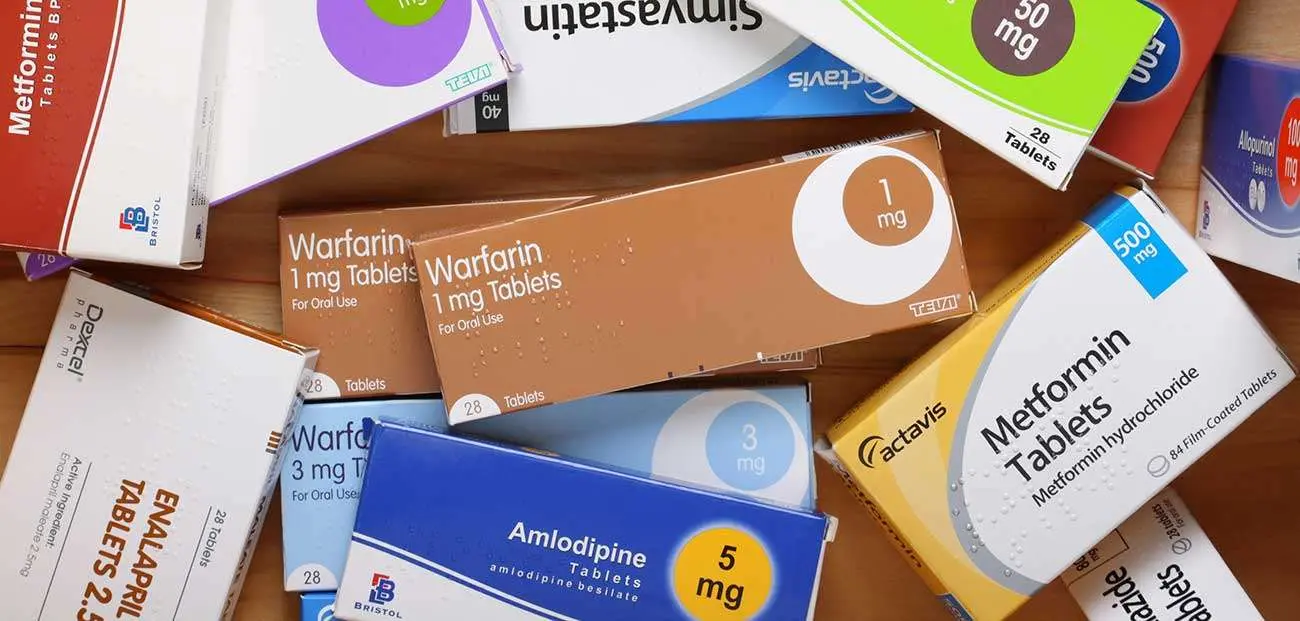
Doctors should encourage patients to combine lifestyle changes with oral medications for optimal blood sugar control, especially as type 2 diabetes progresses and insulin production declines. According to a study, the following are often prescribed by the primary care provider:
| Oral Hypoglycemic Medications | Examples |
| Sulfonylureas | Glipizide, Glyburide, Gliclazide, Glimepiride |
| Meglitinides | Repaglinide, Nateglinide |
| Biguanides | Metformin |
| Thiazolidinediones | Rosiglitazone, Pioglitazone |
| alpha-Glucosidase inhibitors | Acarbose, Miglitol, Voglibose |
| DPP-4 inhibitors | Sitagliptin(Januvia), Saxagliptin(Onglyza), Vildagliptin, Linagliptin (Trajenta), Alogliptin |
| SGLT2 inhibitors | Dapagliflozin, Canagliflozin |
| Cycloset | Bromocriptine |
While these medications effectively manage blood sugar levels, they may include side effects. It’s important to monitor your response to any medication and be aware of potential adverse effects.
Recommendation
If you’re managing diabetes and experiencing hypoglycemia, having access to affordable medication is crucial. Have a prescription? With BuyCanadianInsulin.com, you can SAVE UP TO 90% compared to the US price on top medications like Acarbose, Januvia, Repaglinide, and more! Plus, get an additional 10% off your first purchase with coupon code FIRST10.
How Can Hypoglycemia Be Prevented?
Preventing hypoglycemia, especially when caring for a patient with documented hypoglycemia, involves a combination of lifestyle adjustments, dietary management, medication management, and careful monitoring of blood sugar levels. Here’s how you can effectively prevent hypoglycemia:
- Dietary Adjustments: Regular, balanced meals and snacks that mix carbohydrates, proteins, and fats can help maintain stable blood sugar levels. A bad habit to avoid is skipping meals, as this can lead to drops in blood sugar. For those with diabetes, it’s crucial to understand how different foods impact blood sugar and to plan meals accordingly.
- Medication Management: For individuals on insulin or other glucose-lowering medications, it’s essential to follow prescribed dosages carefully. Over-administration of insulin is a common cause of hypoglycemia. Monitoring blood glucose levels regularly, especially before and after meals or physical activity, can help adjust medication doses to prevent hypoglycemia.
- Monitoring Blood Sugar Levels: Frequent monitoring, using either traditional blood glucose meters or continuous glucose monitors (CGMs), can help individuals detect and respond to low blood sugar levels before they become severe. CGMs are particularly useful as they provide real-time data and alert the user to falling blood sugar levels.
- Physical Activity: Exercise can lower blood sugar levels, so it’s important for individuals, particularly those with diabetes, to monitor their blood glucose before, during, and after physical activity. Consuming a snack before exercise and having a source of fast-acting carbohydrates on hand can prevent exercise-induced hypoglycemia.
- Education and Awareness: It is vital to educate individuals at risk of hypoglycemia about the symptoms, causes, and prevention strategies. This includes understanding how to recognize the early signs of hypoglycemia and how to respond quickly, such as consuming glucose tablets or juice.
Implementing a hypoglycemia care plan that includes these strategies can significantly reduce the risk of hypoglycemia and its associated complications.
Conclusion
Hypoglycemia is a serious condition that can affect anyone, but it is particularly common in people with diabetes. Recognizing the symptoms early, understanding the causes, and knowing how to prevent and treat them are essential steps to managing this condition effectively. By staying informed and being prepared, you can minimize the risks and maintain better control over your blood sugar levels, reducing the chances of experiencing severe hypoglycemic episodes.
Frequently Asked Questions
Articles you may also be interested in




Sources
Centers for Disease Control and Prevention. (2022, March 25). Low blood sugar (hypoglycemia). CDC. https://www.cdc.gov/diabetes/about/low-blood-sugar-hypoglycemia.html
National Institute of Diabetes and Digestive and Kidney Diseases. (n.d.). Low blood glucose (hypoglycemia). National Institute of Diabetes and Digestive and Kidney Diseases. https://www.niddk.nih.gov/health-information/diabetes/overview/preventing-problems/low-blood-glucose-hypoglycemia
American Diabetes Association. (n.d.). Hypoglycemia (low blood sugar). American Diabetes Association. https://diabetes.org/living-with-diabetes/treatment-care/hypoglycemia
Cryer, P. E. (2018). Hypoglycemia. In Feingold, K. R., Anawalt, B., Boyce, A., et al. (Eds.) Endotext. MDText.com, Inc. https://www.ncbi.nlm.nih.gov/books/NBK482386/


