
Hypoglycemia is a condition where a person’s blood sugar (glucose) suddenly drops. Glucose is the source of energy for the body and the brain. Hypoglycemia affects both diabetics and non-diabetics, and that is why everyone should know what the best hypoglycemia treatment is.
It can happen for various reasons, from not having a proper meal to accidentally overdosing on insulin in diabetics. No matter the case, it requires prompt action to get glucose back to a safe level.
If you want to learn something new about treating hypoglycemia, continue reading this article!
More About Hypoglycemia
Hypoglycemia can occur in everyone, but it is most commonly associated with people who suffer from diabetes. That type of hypoglycemia is called diabetic hypoglycemia, while the other one is called nondiabetic hypoglycemia. It is followed by a sense of unease and other symptoms. But bear in mind that there are cases where asymptomatic hypoglycemia has been reported.
In the following table are the values for hypoglycemia, normoglycemia, and hyperglycemia.
| Hypoglycemia | Normoglycemia | Hyperglycemia |
|---|---|---|
|
<70 mg/dL <54 mg/dL – severe hypoglycemia |
70-100 mg/dL | >100-125 mg/dL |
Treating hypoglycemia varies depending on person to person. The most important factor one must take into mind is whether the hypoglycemic person has diabetes or not.
Why? Knowing the person’s medical history helps in getting immediate treatment and subsequently in managing hypoglycemia in the long term. In cases where a diabetic becomes hypoglycemic, it’s almost always because of mismanaging their insulin intake.
For non-diabetics, the risks aren’t that severe, but becoming hypoglycemic without any obvious cause should be a reason for them to get checked in case there is some underlying cause.
Types of Hypoglycemia
Three types of hypoglycemia usually occur, but neonatal hypoglycemia also occurs in newborns. Here are the differences between them:
- Diabetic Hypoglycemia: This is the most common known form of hypoglycemia. It happens in cases of an insulin overdose, skipping meals, or excessive exercise. Regarding type 2 diabetes, almost 60% of all hypoglycemic episodes are connected to insulin overdose. Learn more about insulin overdose here.
- Non-diabetic Hypoglycemia: Three types of hypoglycemia can occur in a non-diabetic person:
- Reactive hypoglycemia: This type of hypoglycemia occurs within a few hours of eating a large, high-carb meal, which causes a sudden glucose fall below normal glucose levels.
- Fasting hypoglycemia: This type of hypoglycemia occurs when not eating for several hours or because of some underlying condition (hormonal insufficiency, tumors, malnutrition).
- Alcohol-induced hypoglycemia: It occurs in cases of excessive alcohol consumption on an empty stomach.
- Medication-induced hypoglycemia in non-diabetics: It occurs as a side effect of some type of medication.
Neonatal Hypoglycemia
Neonatal hypoglycemia is a condition that affects newborns. In most cases, it affects either premature or infants with a low birth weight. It occurs in 10% of infants, mainly in the first 24-48 hours after birth. Most common causes include:
- Inadequate glycogen stores
- Immature liver function
- Maternal diabetes
If it is not treated on time, it can impair brain development. This is why newborns who are more susceptible to hypoglycemia need monitoring for signs, such as:
- Jitteriness
- Poor feeding
- Lethargy
Infant hypoglycemia treatment consists of feeding or administering intravenous glucose.
Hypoglycemia Symptoms
The symptoms of hypoglycemia can vary from mild to very severe and even life-threatening. Symptoms may include:
- Shaking or trembling hands
- Cold sweat
- Fast heartbeat
- Dizziness
- Seizures
- Unconsciousness
Read More:
Four out of five people who have type 1 diabetes experience a hypoglycemic episode once a week.
Hypoglycemic Shock
The most severe form of hypoglycemia is called hypoglycemic shock. This form of hypoglycemia is a potentially life-threatening condition since the blood sugar levels are so dangerously low that the brain is deprived of its source of energy.
This sudden drop in extreme cases can lead to a comatose state.
Causes of Hypoglycemia
There are a lot of causes of hypoglycemia. The most common ones are:
- Insulin overdose
- Overdose from other medications
- Skipping meals
- Intense exercise
But some causes are not that well-known but can lead to hypoglycemic shock, such as:
- Low cortisol levels – An uncommon cause of hypoglycemic shock can be Congenital Adrenal Hyperplasia, an illness that has around 1-10.000 reported cases per year. This condition lowers cortisol levels, which has a function to prevent hypoglycemia in periods of biological stress.
- Kidney conditions
- Liver conditions
- Insulinomas – These tumors secrete insulin and can be located in different parts of the body. They are very hard to diagnose and very rare, making up only 1% of pancreatic-tissue tumors.
Identifying the root cause of hypoglycemia makes it easier for your doctor to provide proper medication.
Hypoglycemia Diagnosis and Monitoring
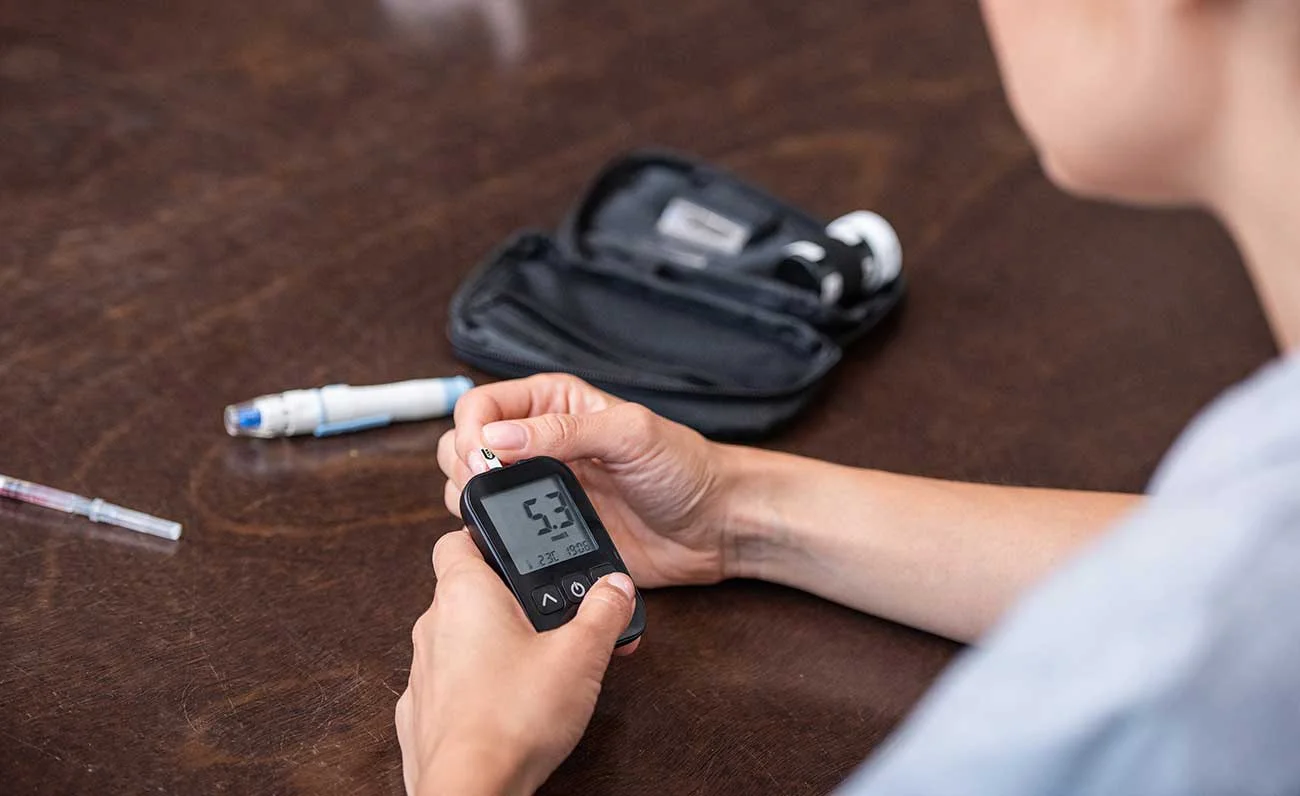
To properly diagnose the reason for hypoglycemia, more factors need to be tested. The first steps in diagnosing are:
- Measuring blood sugar levels
- Documenting symptoms
- Blood work to evaluate insulin, cortisol, and glucose levels
By doing blood work and properly reporting your symptoms, your doctor can determine if the hypoglycemia is caused by something underlying, like a tumor, or if it is because of some lifestyle habit that affects you negatively.
Monitoring hypoglycemia consists of:
- Finger stick glucose tests are done by pricking the tip of your finger and measuring your glucose level in the obtained blood.
- CGMs (Continuous Glucose Monitors) are small devices that track glucose levels on a 24-hour interval and provide real-time glucose readings.
- Lab testing (for uncommon or rare cases)
Articles you may also be interested in



Hypoglycemia Emergency Treatment

Here is what you can do in cases of hypoglycemia emergency:
Hypoglycemia Treatment at Home
The fastest way to treat hypoglycemia in a non-severe case (meaning the person has not passed out) is by giving them 15-20 grams of a fast-acting carbohydrate, like:
- Fruit juice
- Soda
- Honey
- Sugar
After 15 minutes, the glucose levels should be back to normal.
Note: There is a rule known as the “15-15“. It is used in cases where glucose does not rise from the first dose of carbohydrates. In this case, another dose of 15 grams of carbohydrates should be given, and the glucose levels should be measured in 15 minutes. Repeat this until it finally rises.
Glucagon Injection
Glucagon injection is a type of treatment for hypoglycemia in more severe cases, such as when the person is unconscious. It is used more in cases of diabetic hypoglycemia.
It consists of giving a hypoglycemic person a shot of glucagon to stimulate a spike in their blood sugar. Glucagon is a pancreatic hormone that has the opposite effect of insulin. If insulin works in lowering glucose, glucagon keeps it from going too low by stimulating the liver to produce glucose.
This treatment is usually available as a glucagon emergency kit, where the treatment is either in the form of a shot or sometimes, in the form of a nasal spray. If you are interested in getting a glucagon emergency kit, you can find out more about the available types on the market and how to apply them properly here.
After the hypoglycemic person is conscious again, the 15-15 test should be repeated to maintain the blood sugar levels in normal ranges.
Disclaimer: In cases where the person is in hypoglycemic shock, always call 911!
Prognosis and Long-Term Management
If hypoglycemia is treated on time and in a proper way, then there are high chances of a good prognosis. Here is what to do to prevent hypoglycemia:
- Plan the meals properly
- Adjust the medications
- Monitor the glucose levels regularly
- Non-diabetics should visit their healthcare provider and check for possible underlying causes
In cases where a person is dealing with chronic hypoglycemia, there is an increased risk of complications. These people should seek appropriate treatment as early as possible.
To Sum Up
Hypoglycemia treatment can be easy when you know what to do in advance. But that is no reason to underestimate it. It is mostly associated with diabetes, but it can also affect non-diabetics. There are many ways hypoglycemia can lead to adverse effects and lower overall well-being.
The bright side of hypoglycemia is that it is both easily treatable and preventable. Knowing the signs of hypoglycemia, implementing lifestyle changes that inhibit hypoglycemia from occurring, and consulting a healthcare provider lead to better prevention and management of hypoglycemia.
Frequently Asked Questions
Original Publish Date: 3/24/2024 – Updated 7/3/2025


