
Managing diabetes often requires more than lifestyle changes; it involves finding the right medication to help balance blood sugar levels. Insulin glargine, a long-acting insulin, has become a trusted option for many individuals with Type 1 or Type 2 diabetes. By offering a steady release of insulin over time, it helps to prevent dangerous highs and lows in blood sugar.
However, like any medication, Insulin glargine has potential side effects that everyone using it should know about. Some of these effects are mild and manageable, while others could signal a serious reaction requiring immediate attention. Understanding these risks isn’t just about safety—it’s about giving yourself the confidence to navigate your treatment with clarity and control.
Whether you’re new to Insulin glargine or have been using it for years, this article will guide you through its side effects, associated risks, and the precautions you can take to ensure a smoother experience.
What Is Insulin Glargine?
Insulin glargine is a long-acting insulin designed to help individuals with diabetes maintain stable blood sugar levels over 24 hours. Unlike short-acting insulins that act quickly to manage blood sugar spikes after meals, Insulin glargine provides a steady and consistent release of insulin throughout the day and night. This makes it an essential tool for individuals who require continuous blood sugar control.
According to Dr. Eric Christensen, “Insulin glargine provides kind of a baseline coverage of insulin; it’s not meant to manage acutely elevated blood sugars.”
It is commonly prescribed for both Type 1 and Type 2 diabetes. In Type 1 diabetes, where the pancreas produces little to no insulin, Insulin glargine acts as a replacement to help regulate glucose. For those with Type 2 diabetes, it is often used when oral medications or lifestyle changes alone are not enough to keep blood sugar in check.
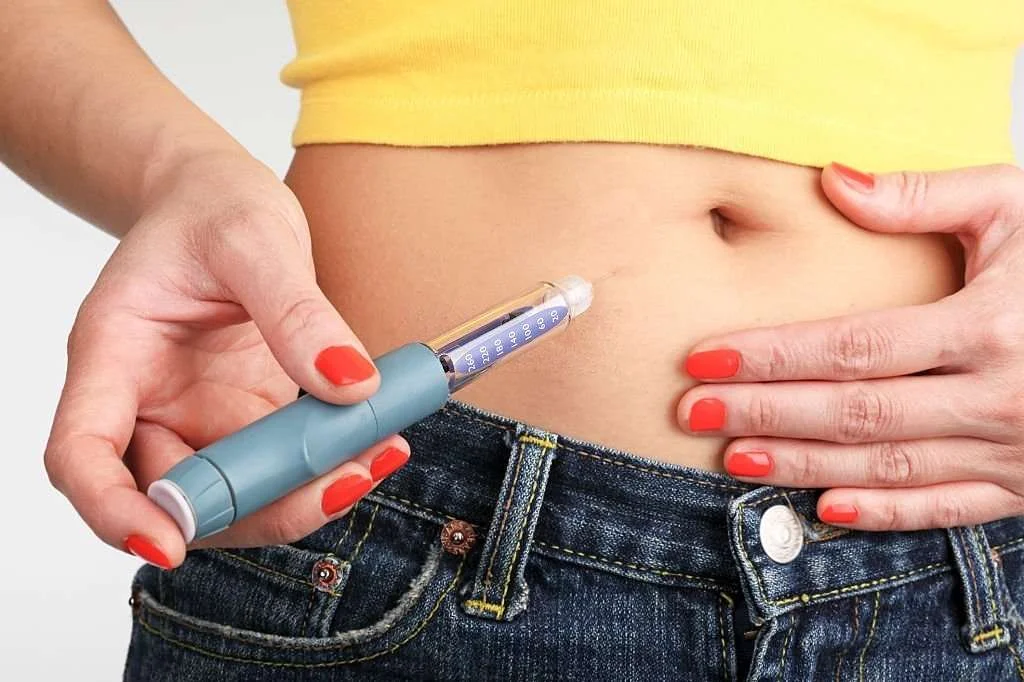
This insulin is typically administered as a once-daily injection, usually at the same time each day, making it convenient for people managing a busy lifestyle. Different brands of Insulin glargine, such as Lantus, Basaglar, and Toujeo, cater to varying patient needs, offering slightly different formulations and strengths.
While Insulin glargine can significantly improve blood sugar management, its effects and potential side effects depend on how well it is used. Proper administration and monitoring are crucial to ensure its effective and safe use.
What Are the Common Side Effects of Insulin Glargine?
Like all medications, Insulin glargine can cause side effects. The most common ones are generally mild and often manageable with some adjustments or monitoring. Here are the primary Insulin glargine common side effects you should be aware of:
Hypoglycemia (Low Blood Sugar)
Hypoglycemia is the most common side effect of Insulin glargine. It occurs when your blood sugar drops below the normal range, often due to taking too much insulin, skipping meals, or engaging in intense physical activity without adjusting your insulin dose or food intake.
Dr. Christensen highlights the risk, stating, “Patients monitoring blood sugars may still be high, but aggressive dose increases could result in an accumulation of insulin and raise the risk for hypoglycemia.”
- Symptoms: Early warning signs include shakiness, sweating, dizziness, hunger, irritability, or difficulty concentrating. If untreated, it can escalate to confusion, blurred vision, loss of consciousness, or seizures.
- How to Manage: Keep a fast-acting carbohydrate, like glucose tablets or juice, readily available to address hypoglycemia immediately. Regular blood sugar monitoring and adjusting your insulin dose under medical guidance are essential to reduce the risk.
Injection Site Reactions
Mild irritation at the injection site is a frequent side effect. This can include redness, swelling, itching, or tenderness where the insulin is administered. These reactions are usually temporary and resolve on their own within a few days.
- Why It Happens: Injection site reactions often occur due to repeated use of the same spot or individual sensitivity to the formulation.
- How to Manage: To prevent or minimize irritation, always rotate your injection sites.
As Dr. Christensen explains, “Rotating injection sites is critical to avoid localized irritation and other issues like lipodystrophy over time.” Use a clean, dry area for injections and avoid injecting into areas with scar tissue or hardened skin.
Weight Gain
Many users report weight gain after starting Insulin glargine, particularly if their blood sugar levels were previously uncontrolled. This happens because insulin helps the body store glucose as fat when it is not used for energy.
Dr. Christensen remarks, “Weight gain can be a big issue, especially in patients with Type 2 diabetes who are already overweight.”
- How to Manage: Pairing your insulin regimen with a healthy diet and regular exercise can help mitigate weight gain. Monitoring your portion sizes and carbohydrate intake is especially important.
Edema (Fluid Retention)
Fluid retention, leading to swelling in the hands, feet, or ankles, can occur when starting or adjusting insulin therapy. It is usually mild and resolves once your body adapts to the treatment.
According to Dr. Christensen, “Edema is often mild, but in patients with cardiovascular conditions, it’s important to monitor for any signs of worsening.”
- Why It Happens: Insulin affects the way your body handles sodium and fluid balance, leading to temporary retention.
- How to Manage: Staying active and reducing salt intake may help alleviate swelling. If the edema persists or worsens, consult your doctor.
Nasopharyngitis (Cold Symptoms)
Some individuals experience mild cold-like symptoms, such as a runny nose, nasal congestion, or a sore throat. While these symptoms are not directly related to insulin action, they have been reported during treatment.
- How to Manage: These symptoms are usually temporary and can be treated with over-the-counter remedies.
Dr. Eric Christensen notes, “Symptoms like mild congestion or throat irritation are not uncommon and usually resolve without intervention.” If symptoms persist, ensure they are not related to an allergic reaction.

What Are the Serious Side Effects of Insulin Glargine?
While Insulin glargine is generally safe and effective, some individuals may experience serious side effects that require immediate medical attention. These effects are less common but can significantly impact your health if not addressed promptly. Here’s a detailed breakdown of the serious side effects of Insulin glargine and how to recognize them:
Severe Hypoglycemia
Although mild hypoglycemia is common, severe hypoglycemia can occur if blood sugar drops to dangerously low levels. This is more likely with incorrect dosing, skipping meals, or engaging in unplanned strenuous activity.
Dr. Christensen stresses, “Severe hypoglycemia can quickly escalate if not managed, particularly in individuals with high insulin sensitivity or unpredictable meal patterns.”
- Symptoms: Severe hypoglycemia can lead to confusion, blurred vision, inability to concentrate, slurred speech, fainting, or seizures. If untreated, it can result in loss of consciousness or even be life-threatening.
- How to Respond: If the person cannot ingest carbohydrates, use an emergency glucagon injection. Call for medical help immediately if symptoms worsen.
Allergic Reactions
Some individuals may develop an allergic reaction to Insulin glargine, which can range from mild to severe (anaphylaxis).
- Symptoms: Signs include a rash, itching, or hives. Severe reactions may involve swelling of the face, lips, tongue, or throat, leading to difficulty breathing or swallowing.
- How to Respond: Stop using the medication and seek immediate medical attention if you notice these symptoms.
Dr. Christensen warns, “While rare, allergic reactions like swelling or difficulty breathing should never be ignored and warrant immediate medical attention.”
Lipodystrophy
Lipodystrophy is a change in the fat tissue under the skin at injection sites. This can manifest as either fat loss (lipoatrophy) or fat buildup (lipohypertrophy), causing lumps, thickened skin, or uneven distribution.
Dr. Christensen explains, “Repeated use of the same injection site increases the risk of lipodystrophy, which can interfere with proper insulin absorption.”
- Why It Happens: Repeated use of the same injection site can trigger these changes.
- How to Prevent It: Rotating injection sites regularly and using proper injection techniques can minimize the risk.
Hypokalemia (Low Potassium Levels)
Insulin therapy, including Insulin glargine, can lower potassium levels in the blood. Hypokalemia is rare but serious, as it can affect heart and muscle function.
According to Dr. Christensen, “Insulin has the potential to reduce potassium levels, which can lead to symptoms like muscle weakness or irregular heartbeats if not monitored.”
- Symptoms: Muscle weakness, cramping, irregular heartbeat, or a feeling of heart palpitations may indicate hypokalemia.
- How to Respond: Report these symptoms to your doctor immediately. Blood tests may be needed to confirm low potassium levels, and supplementation or adjustments in treatment may be required.
Diabetic Retinopathy Worsening
In rare cases, Insulin glargine may temporarily worsen existing diabetic retinopathy (a diabetes-related eye condition) as blood sugar levels stabilize.
- Why It Happens: Rapid improvement in blood sugar control can cause temporary changes in the eyes’ blood vessels.
- How to Manage: Regular eye exams are essential for individuals with diabetes. Report any sudden vision changes, such as blurred or double vision, to your eye doctor promptly.
Fluid Retention Leading to Heart Issues
While mild edema is common, excessive fluid retention may strain the heart, particularly in individuals with pre-existing heart conditions.
- Symptoms: Shortness of breath, chest discomfort, or swelling that worsens significantly.
- How to Respond: These symptoms require urgent medical attention to prevent heart complications.
What Are the Long-Term Risks of Using Insulin Glargine?
While Insulin glargine effectively manages blood sugar over the long term, extended use may carry potential risks. Below are the possible long-term risks associated with Insulin glargine:
- Increased Risk of Hypoglycemia: Prolonged use, especially with dosing errors, may heighten the likelihood of severe and recurrent low blood sugar episodes.
- Weight Gain: Over time, some individuals experience gradual weight gain due to the storage of glucose as fat facilitated by insulin.
- Progression of Diabetic Retinopathy: Rapid blood sugar control improvements can initially worsen diabetic retinopathy, although this typically stabilizes over time.
- Lipodystrophy at Injection Sites: Prolonged use without rotating injection sites may cause changes in subcutaneous fat, such as fat loss (lipoatrophy) or fat buildup (lipohypertrophy).
- Potential Cardiovascular Risks: Some studies suggest a slight association between long-term insulin use and increased cardiovascular events, though findings remain inconclusive.
- Rare Development of Insulin Resistance: Prolonged insulin therapy may reduce the medication’s response in some individuals, requiring dose adjustments.
- Hypokalemia (Low Potassium Levels): Long-term use could exacerbate or maintain lower potassium levels, impacting muscle and heart function.
- Kidney Strain in Individuals with Pre-existing Conditions: While insulin itself does not cause kidney damage, its use may contribute to complications in individuals with already compromised kidney function.
- Rare Allergic Reactions Over Time: Chronic exposure can occasionally lead to delayed hypersensitivity reactions, although this is uncommon.
Who Is at Higher Risk for Insulin Glargine Side Effects?
Certain groups of people are more vulnerable to experiencing side effects when using Insulin glargine. Identifying these risk factors can help you understand if you fall into one of these categories:
- Elderly Individuals: Older adults are more likely to experience severe hypoglycemia due to slower metabolism and potential difficulties with meal timing or insulin administration.
- Individuals with Kidney or Liver Disease: Impaired kidney or liver function can affect how insulin is processed in the body, increasing the risk of prolonged insulin action and hypoglycemia.
- Pregnant or Breastfeeding Women: Insulin requirements may fluctuate significantly during pregnancy and breastfeeding, raising the risk of incorrect dosing and related side effects.
- People with a History of Severe Hypoglycemia: Those who have experienced recurrent or severe low blood sugar events are at a higher risk of experiencing it again, especially when starting or adjusting insulin therapy.
- Individuals with Cardiovascular Issues: People with pre-existing heart conditions may be more susceptible to fluid retention and related heart strain caused by Insulin glargine.
- People with Unstable Eating Patterns: Individuals who skip meals, have irregular eating habits or struggle with appetite loss are at a greater risk of developing hypoglycemia.
- Patients Using Multiple Medications: Drug interactions, especially with beta-blockers or diuretics, may exacerbate Insulin glargine side effects like hypoglycemia or hypokalemia.
What Precautions Should You Take While Using Insulin Glargine?
To use Insulin glargine safely and effectively, it’s essential to follow specific precautions. These steps can help prevent complications and enhance the medication’s effectiveness:
- Do not mix Insulin glargine with Other Insulins: Insulin glargine is designed to work as a standalone, long-acting insulin. Mixing it with other types of insulin or solutions can alter its effectiveness and lead to unpredictable blood sugar levels.
- Inject at the Same Time Each Day: Consistency is key. Administering Insulin glargine at the same time daily ensures steady insulin levels, reducing the risk of blood sugar fluctuations.
- Monitor for Allergic Reactions: Be alert for signs of an allergic reaction, such as rash, swelling, or difficulty breathing. If these symptoms occur, discontinue use and seek immediate medical attention.
- Be Cautious with Alcohol Consumption: Alcohol can increase the risk of hypoglycemia. If you choose to drink, do so in moderation and monitor your blood sugar levels closely.
- Adjust for Physical Activity: Exercise can lower blood sugar levels, increasing the risk of hypoglycemia. As recommended by your doctor, adjust your insulin dose or food intake before and after physical activity.
- Store Insulin Properly: Keep unopened Insulin glargine in the refrigerator. Once opened, store it at room temperature and away from direct sunlight or heat to maintain its effectiveness.
- Avoid Use in Acute Illness: Conditions like severe infections, fever, or stress can alter your insulin needs. Consult your doctor if you’re unwell to determine if adjustments to your insulin dose are necessary.
- Inform Your Doctor of Other Medications: Certain drugs, such as corticosteroids, beta-blockers, and diuretics, can interact with Insulin glargine, impacting its efficacy or side effects. Provide a full list of medications you are taking to avoid potential complications.
- Pregnancy and Breastfeeding Considerations: If you are pregnant, planning to become pregnant, or breastfeeding, discuss your insulin regimen with your doctor to ensure safety for you and your baby.
- Never Share Needles or Pens: Insulin delivery devices are for individual use only to prevent contamination or transmission of infections.
When Should You Seek Immediate Medical Attention?
Certain side effects or symptoms while using Insulin glargine require urgent medical intervention. Recognizing these warning signs can prevent serious complications and ensure your safety. Below are the situations when you should seek immediate medical attention:
- Severe Hypoglycemia Symptoms: If you experience confusion, fainting, seizures, or loss of consciousness due to low blood sugar levels, seek emergency care immediately. Severe hypoglycemia can be life-threatening if not treated promptly.
- Signs of a Severe Allergic Reaction: Watch for symptoms such as swelling of the face, tongue, or throat; difficulty breathing; hives; or a severe rash. These could indicate anaphylaxis, a rare but dangerous allergic reaction.
- Persistent or Worsening Swelling (Edema): If swelling in your hands, feet, or ankles becomes severe or is accompanied by shortness of breath, chest discomfort, or sudden weight gain, this could indicate fluid overload or heart strain.
- Symptoms of Hypokalemia (Low Potassium): Muscle weakness, cramping, an irregular heartbeat, or heart palpitations may suggest dangerously low potassium levels that require urgent attention.
- Sudden or Severe Vision Changes: Blurred vision, double vision, or the appearance of black spots in your field of vision could signal worsening diabetic retinopathy or other serious eye issues.
- Severe Injection Site Reactions: If you notice intense pain, redness, swelling, or warmth at the injection site that spreads or persists, it could indicate an infection or a significant localized reaction.
- Chest Pain or Shortness of Breath: These symptoms could be related to cardiovascular complications, particularly in individuals with pre-existing heart conditions or significant fluid retention.
Conclusion
Insulin Glargine is a reliable and effective medication for managing blood sugar levels in individuals with diabetes. However, it has potential side effects and risks like any medical treatment. Understanding the common and serious side effects and the long-term risks and precautions empowers you to use this medication safely and effectively.
By being aware of who is at higher risk for Insulin glargine side effects and knowing when to seek immediate medical attention, you can take control of your health while minimizing complications. This knowledge helps you make informed decisions about your treatment and ensures your diabetes management journey is as smooth as possible.
Remember, tracking your symptoms and maintaining open communication with your doctor can significantly improve your overall experience with insulin glargine.
Frequently Asked Questions
Articles you may also be interested in



Sources
National Library of Medicine. (n.d.). Drug information: Insulin glargine. MedlinePlus. Retrieved from https://medlineplus.gov/druginfo/meds/a600027.html
Gillies, P. S., Figgitt, D. P., & Lamb, H. M. (2000). Insulin glargine. Drugs, 59(4), 633–658. Retrieved from https://pubmed.ncbi.nlm.nih.gov/10730548/
Cunningham, A. M., & Freeman, A. M. (2021). Glargine insulin. In StatPearls. StatPearls Publishing. Retrieved from https://www.ncbi.nlm.nih.gov/books/NBK557756/


