
You’ve done your best to eat healthier foods, go to the gym at least five times a week, and take antidiabetes pills — but your blood sugar is still high. The next step is taking insulin, and insulin pens come in handy in this situation. The thought of using insulin pens may seem intimidating for some, but you’ll find them convenient and easy once you learn how to use them correctly.
Insulin pens are an upgrade to old-school syringes. If your doctor has decided it’s time for an injection, this guide on the best insulin pens for Type 2 diabetes will help you pick which option fits your treatment regimen.
What Are Insulin Pens?
Insulin pens are easy-to-use devices that people with diabetes use to inject insulin under their skin to manage their blood sugar levels. The first insulin pen, NovoPen, was made by Novo Nordisk in 1985. Three years later, NovoPen 2, the second insulin pen, was created by the same company.
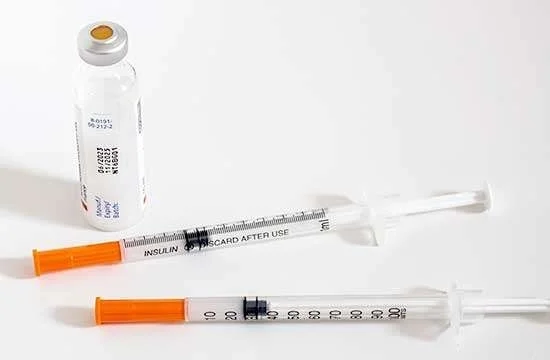
Before insulin pens became common in diabetes management, people would draw insulin from a glass vial using a syringe, carefully measuring the correct dose by hand. Traditional insulin delivery methods were more time-consuming since patients had to manually measure doses. Additionally, they were painful due to thicker needles.
The invention of insulin pens in the late 1980s made managing diabetes easier and safer for patients and healthcare providers. Moreover, insulin pens have improved dosing accuracy and treatment adherence.
Nowadays, people diagnosed with Type 2 diabetes rely on insulin pens to keep their blood sugar levels in check throughout the day and night.
Best Insulin Pens for Type 2 Diabetes

Insulin pens come in various types, brands, and doses. If you require insulin therapy, your doctor will typically recommend a brand that they think suits your condition best. But if you’re searching for the most popular insulin pens for preventing glucose spikes in those with Type 2 diabetes, below are the best options.
1. Lantus SoloStar
Lantus SoloStar is an insulin injector manufactured by Sanofi and contains insulin glargine. It’s a long-acting insulin type, which helps manage blood sugar levels between meals and overnight. Doctors recommend using the pen to inject insulin once daily at the same time every day. You can do it in the thigh, deltoid, or abdominal area. Each Lantus SoloStar pen holds 300 units of insulin glargine in a 3 mL solution.
Once injected, insulin glargine starts working within 1.5 to 2 hours, providing background insulin coverage of up to 24 hours. Once the insulin reservoir runs out, the pen is discarded. This device is designed for ease of use and portability, which is why many use it.

2. Toujeo SoloStar and Max SoloStar
Another Sanofi pen injection for diabetes is Toujeo SoloStar, which contains insulin glargine. Like Lantus, it provides basal coverage and keeps your blood sugar levels in check — for up to 36 hours. One thing to note about this pen is that it contains a more concentrated form of insulin glargine than other types. Toujeo SoloStar has three times the concentration of insulin per milliliter — or 300 units per mL versus the standard 100 units/mL strength. Meanwhile, the Max SoloStar pen contains 3 mL or 900 units of insulin glargine.
Because of this, a single injection can manage your glucose for more than 24 hours. Like other long-acting insulins, it’s recommended to be injected once daily at the same time every day. Once administered, it starts working in 6 hours. Since it has no pronounced peak, Toujeo insulin pens may benefit people with liver or kidney challenges. Toujeo SoloStar and Max SoloStar pens are disposable and discarded once the contents run out.

3. Tresiba FlexTouch
Tresiba FlexTouch is another diabetes pen injection made by Novo Nordisk. This insulin pen is prefilled with 100 units/mL and 200 units/mL of insulin degludec, allowing 2-unit dose increments.
Tresiba is considered ultra-long-acting, helping you control your blood sugar fluctuations for up to 42 hours. This once-daily injection begins working in 1 hour and peaks in 12 hours. The FlexTouch pen is easy to use and produces audible clicks during dialing. Though newer and often pricier, Tresiba is an excellent option if you want your dosing schedule to be more flexible. Tresiba allows injections at any time, provided at least 8 hours have passed since your last dose — ideal if you often travel or have unpredictable routines.

4. Humulin N KwikPen
Manufactured by Eli Lilly and Company, Humulin N delivers intermediate-acting insulin shots for Type 2 diabetes. This 3 mL pen contains 300 units of insulin isophane (NPH). When injected, it starts to work within 1-2 hours and peaks in 4-12 hours, with glucose-lowering effects that last up to 18 hours.
Since it doesn’t provide full-day coverage, twice-daily injections are often recommended for patients. With this, your glucose levels can stay consistent between morning and evening meals.
But for those who don’t need rapid mealtime insulin, a once-daily injection may work. Otherwise, it’s combined with short-acting insulin, especially in people with Type 2 diabetes who need both mealtime and background coverage. Humulin N is the best insulin pen for Type 2 diabetes patients looking for affordable insulin options. Humulin N KwikPen costs only $82 if you buy it from Canada.

5. Humalog KwikPen
Humalog KwikPen is a pen injection containing insulin lispro, a fast-acting insulin used to manage blood sugar spikes after meals. It’s manufactured by Eli Lilly and Company and injected subcutaneously 15 minutes before a meal or immediately right after it. Like the first two options, the pen is prefilled with an insulin solution. Every milliliter contains 100 units of insulin lispro, dispensing doses in 1-unit steps.
As a fast-acting insulin, the effects of Humalog start fast, typically within 15 minutes after injection, and peak between 30-90 minutes. Its effects last 2-4 hours. Since it only manages blood glucose after meals, it’s usually paired with long-acting insulin to provide background coverage throughout the day and night.
Humalog KwikPen is portable and easy to use, but like the above choices, it can’t be refilled or reused.

6. NovoLog FlexPen
NovoLog FlexPen is one of the types of insulin pens available for those looking for extended glucose coverage. It contains rapid-acting insulin and is manufactured by Novo Nordisk. Injected under the skin, this tool prevents spikes after meals. Once administered, it starts working in 15 minutes, peaks in 1 hour, and lasts 2-4 hours. This insulin pen is prefilled with 300 units of insulin aspart.
The pen dials in precise doses — 0.5-unit steps for low doses and 1-unit steps afterward. Its rapid onset means its duration of action is shorter. You’ll have to pair it with basal insulin if you want all-day and all-night coverage. The advantage of NovoLog is that it’s one of the most widely prescribed rapid-acting insulins, meaning it’s widely covered by insurance.

7. Humalog Mix 75/25 KwikPen
Humalog Mix 75/25 combines 75% intermediate-acting insulin and 25% rapid-acting lispro in one pen. It’s one of the widely used insulin injections for Type 2 diabetes. Depending on your insulin needs, doctors recommend injecting it once or twice daily. After injection, it begins working within 10-20 minutes, peaking in about 2 hours. Its duration of action lasts throughout the day and night.
People prefer this premixed solution because it’s dual-acting and simplifies insulin therapy by providing both mealtime and background insulin. It may be the right insulin pen for you if you have highly sensitive skin, since it reduces the number of daily injections needed. However, one caveat is that its insulin ratio isn’t as flexible as other options. It may not be the best option if you require a higher ratio of rapid-acting insulin for post-meal blood sugar control.

Articles you may also be interested in


Do People With Type 2 Diabetes Need Insulin Pens?
Many people assume a Type 2 diabetes diagnosis means immediate insulin use, but this isn’t always true. Diabetes progresses through various stages — from insulin resistance to prediabetes and Type 2 diabetes, which can lead to serious or even fatal complications if unmanaged.
If you have mild Type 2 diabetes, you may not need insulin right away. In some patients, diet, exercise, and oral medications are enough to manage blood sugar fluctuations. When these lifestyle shifts no longer suffice, that’s when your doctor may start you on insulin therapy to prevent complications. Insulin pen injectors are easy-to-use devices to inject insulin under your skin to stabilize your glucose levels.
How to Use an Insulin Pen

Using insulin pens for Type 2 diabetes is easy. It may look overwhelming initially, but it’s designed to be simple so anyone can learn how to use it. If it’s your first time using an insulin pen, here’s the step-by-step guide for giving yourself an insulin injection.
- Wash your hands with soap and water and dry them.
- Gather your supplies — insulin pen, needle, and alcohol swab.
- Double-check you have the correct insulin pen, as many people use two different types for their treatment.
- Remove the pen cap and ensure the insulin is clear. If not, gently roll the pen between your hands to mix the solution.
- Use the alcohol swab to wipe the area where the needle attaches.
- Attach the needle.
- Turn the dosage dial to the units of insulin you need to inject.
- Clean the injection site with an alcohol swab.
- Push the injection button to deliver the insulin.
- Wait for a few seconds before lifting the pen.
- Remove the needle after injection and store your pen properly.
Knowing how to use insulin pens can make managing diabetes at home less stressful.
Are Insulin Pens the Right Choice for You?
Using insulin pens for Type 2 diabetes is a less intimidating way to manage blood glucose than syringes, especially if you’re new to insulin therapy. They’re easy to use, and anyone can learn how to use them quickly.
However, not everyone with diabetes needs to use insulin pens. Some people experience mild blood sugar fluctuations that are manageable with diet, exercise, and oral medications. When lifestyle changes alone are insufficient, insulin pens become a valuable option.
There are several options for effective insulin pens on the market. Talk to your doctor to find out which brand and type of insulin suits your health condition best.


