
Levemir and Lantus are long-acting insulins that are often compared because they’re used for the same purpose. Both medications are approved by the FDA to treat children and adults with either Type 1 or Type 2 diabetes. Levemir and Lantus act as basal insulins but differ in their active ingredients, how they’re dosed, and sometimes in duration of action. If you’re starting insulin for the first time or exploring alternatives that fit your medication budget, this guide compares the similarities and differences of Levemir vs. Lantus.
Why Was Levemir Discontinued?
Before diving into their similarities and differences, it’s important to note that Levemir was discontinued by its manufacturer, Novo Nordisk, because of supply chain constraints and manufacturing shifts. Issues with decreasing patient coverage were also one of the reasons why Novo Nordisk decided to stop making this medication.
Levemir FlexPens — prefilled cartridges that contain insulin — were phased out on April 1, 2024. Are Levemir vials still available? Levemir vials became unavailable after December 31, 2024.
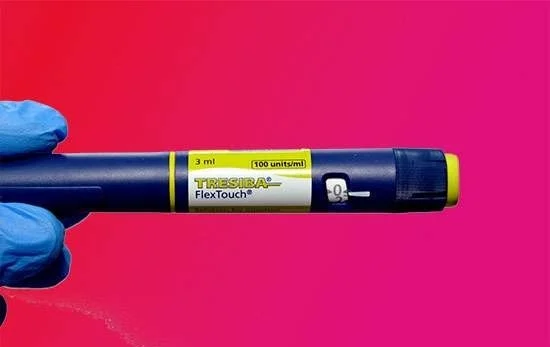
Today, Levemir is no longer available for purchase in the U.S. If you’re using this medication, your doctor has probably prescribed you an alternative treatment. While there’s no direct one-to-one replacement, healthcare providers often recommend a different long-acting insulin like Tresiba or Lantus.
Levemir vs. Lantus: How Are They Similar?
Here are some similarities that Levemir and Lantus share.

1. Both Are Long-acting Insulins
Levemir and Lantus are both long-acting insulin approved by the FDA to treat Type 1 and Type 2 diabetes in both adults and children.
Levemir was approved by the FDA in 2005 to manage glucose levels in:
- Adults with Type 2 diabetes
- Adults and children 2 years and older with Type 1 diabetes
Meanwhile, Lantus was approved by the FDA in 2000 to treat diabetes in:
- Adults with Type 2 diabetes
- Adults and children aged 6 years and older with Type 1 diabetes
Are Lantus and Levemir interchangeable? It’s possible to switch from Lantus and Levemir and vice versa. However, they’re not interchangeable because they contain different active substances. Additionally, your doctor may need to adjust the dose when changing insulins.
2. Both Are Injected Under the Skin
Levemir and Lantus come in a liquid solution that is administered by injecting under the skin, typically once daily. Levemir is injected subcutaneously into the thigh, abdomen, or upper arm. Lantus is injected into the thigh, deltoid, or abdominal area.
3. Both Work the Same Way
Levemir and Lantus are basal insulin analogs, meaning they’re long-acting insulins designed to stabilize blood sugar levels for 24 hours. Levemir contains insulin detemir, while Lantus has the active substance insulin glargine. They work by mimicking the body’s natural, low-level insulin release. They start working within a few hours after injection, with effects that can last throughout the day and night.
Lantus and Levemir are the same in a few ways but differ in other aspects. Both are long-acting insulins, but they contain unique active substances, affecting their duration of action and other drug features.

Levemir vs. Lantus: Key Differences
Here are some of the differences between Levemir and Lantus.
1. Active Substance
Levemir contains insulin detemir, while Lantus contains insulin glargine. When injected, detemir binds to albumin — a protein in the body — to delay the release of insulin detemir in the bloodstream. This mechanism of action allows Levemir to stabilize sugar levels for up to 24 hours.
Meanwhile, glargine is formulated at a pH of 4.0. When injected under the skin, it forms microprecipitates or tiny crystals, which release insulin slowly throughout 24 hours to regulate blood sugar levels.
Levemir and Lantus lower blood sugar by promoting glucose uptake and suppressing glucose production, but their release profiles differ.
2. Levemir vs. Lantus Duration of Action
Both Levemir and Lantus have a longer duration of action that can last for about 24 hours. Sometimes, taking lower doses of Levemir may lead to a shorter than 24-hour glucose-lowering effect.
The duration of action can vary depending on how many units of insulin you inject and other related factors. Your doctor will determine the correct dose that lowers your blood sugar levels for an extended period.
3. Levemir vs. Lantus Dosing Information
Each insulin dose is highly individualized, depending on the patient’s needs, weight, and other related factors.
Levemir is often injected once or twice daily. Daily doses are taken with the evening meal or at bedtime. Patients who require better control may split their doses into two — one in the morning and one 12 hours after the morning dose or at bedtime.
In patients with Type 1 diabetes, Levemir must be combined with rapid-acting insulin since it doesn’t work fast enough to manage the sharp rise in glucose post-meals. The doctor may titrate the dose if the current dose isn’t enough to regulate blood sugar levels.
Meanwhile, Lantus is injected once every day at any time, but at the same time daily. For example, if you inject Lantus at 8 p.m. on Monday, your next dose should also be at 8 p.m. on Tuesday, Wednesday, and the rest of the week.
Your doctor may adjust the dosage based on changes in meal patterns, amount of physical activity, and in times of acute illness. Like with Levemir, patients with Type 1 diabetes should use Lantus in combination with short-acting insulin.
Levemir vs. Lantus Dosage Summary
| Levemir | Lantus | |
|---|---|---|
| Dosage forms and strengths | 100 units/mL (U-100) of insulin detemir available as:
|
100 units/mL (U-100) available as:
|
| Dosage |
|
|
| When to inject |
|
|
| For patients with Type 1 diabetes |
|
|
Unlike other types of insulin, long-acting insulins don’t have a peak period as they have a slow onset and longer duration of action. They only start working a few hours after being injected.
4. Side Effects and Risks
Both Lemevir and Lantus share similar common side effects, which include:
-
- Hypoglycemia
- Allergic reactions
- Injection site reactions
- Lipodystrophy
- Rash
- Pruritus
- Weight gain
Weight Gain: Lantus vs. Levemir

Insulin has anabolic effects, which may lead you to put on weight during treatment. Some patients are more concerned about this side effect.
In clinical trials that used Levemir to manage Type 1 diabetes, weight gain from baseline ranged from -0.3 kg to 0.5 kg. This indicates that some patients even lost weight. For adults with Type 2 diabetes, the mean change in body weight from the baseline after taking Levemir ranged from 0.5 kg to 1.2 kg.
Meanwhile, three studies examined the changes in weight in adults with Type 1 diabetes treated with Lantus. The findings were as follows:
-
- Study A: Participants with a baseline weight of 73.2 kg gained 0.1 kg after 28 weeks.
- Study B: Participants with a baseline weight of 75.5 kg gained 0.7 kg after 28 weeks.
- Study C: Participants with a baseline weight of 74.8 kg gained 0.1 kg after 16 weeks.
Weight gain with Lantus was lower than patients who took neutral protamine Hagedorn (NPH) insulin, an intermediate-acting insulin.
Comparing the Levemir vs. Lantus weight gain results based on these separate studies, participants who took Levemir gained less weight than those who took Lantus. However, this outcome can vary from person to person. You can ask your doctor how to avoid this side effect.
Levemir vs. Lantus In Pregnancy
Are Levemir or Lantus safe for pregnancy? In a clinical trial, 152 women with Type 1 diabetes were treated with once or twice daily insulin detemir injections. Researchers found no clear evidence of maternal or fetal risk associated with Levemir. The same result was shown in animal studies.
Researchers also found no evidence that taking Lantus or insulin glargine negatively affected the growing fetus in the womb. The same result echoes the animal studies.
If you have diabetes and got pregnant or are diagnosed with gestational diabetes, talk to your doctor about treatment options to control your blood sugar levels and protect your child.
Serious Side Effects
Both Levemir and Lantus can cause severe adverse reactions that include:
-
- Excessively high or low blood sugar levels
- Hypersensitivity reactions
- Dangerously low potassium levels
- Fluid retention and heart failure, mainly when used together with thiazolidinediones (TZDs)
If you experience unusual symptoms, let your doctor know so they can further monitor your health condition. If Levemir or Lantus isn’t right for you, they can switch you to another insulin that best suits your condition and needs.
Switching to Lantus or Levemir Alternatives
Your doctor may switch you to another insulin from Levemir or Lantus if they aren’t working or accessible for you. Since you can no longer buy Levemir from local pharmacies, here are some long-acting insulin Levemir FlexPen alternatives:
Besides these options, your doctor may also recommend changing from Levemir to Lantus and converting your current dose. Your doctor may either reduce the dose of Lantus by 10% or convert the Levemir dose to a 1:1 Lantus dose.
Meanwhile, Semglee and Rezvoglar are FDA-approved biosimilars that provide the same benefits as Lantus.
-
- Semglee: Contains insulin glargine
- Rezvoglar: Contains insulin glargine
For biosimilars of Lantus, the dose is converted to 1:1, so you’ll take the same dose when you switch unless your doctor adjusts it.
Always consult your doctor when switching to other medications, as doses may need adjusting.
Levemir vs. Lantus: Which Is Better?
Levemir and Lantus effectively manage blood sugar levels throughout the day and night. While similar in some aspects, they also differ in their active substance, release profiles, duration of action, and dosing frequency.
Levemir may require twice-daily dosing, while a single dose of Lantus typically lasts 24 hours. Clinical trials suggest less weight gain with Levemir, while Lantus offers a steadier glucose-lowering effect for 24 hours.
Choosing the right insulin depends on your health history, lifestyle, and blood sugar patterns. Consult your doctor to determine the best fit, dosage, and schedule tailored to individual needs and goals.
Frequently Asked Questions
Articles you may also be interested in



Original Publish Date: 1/23/2022 – Updated 5/27/2025


