
Metformin and Ozempic are drugs with different mechanisms of action but share a common health goal: to stabilize blood sugar levels and prevent complications associated with dangerous spikes. While metformin has a longer track record of safety data, Ozempic is a relatively new medication. However, it has become a popular diabetes therapy because of its impressive glucose-lowering and weight-loss benefits. Some people even wonder whether they should switch from metformin to Ozempic, or if the two can be used together. If you have the same question, this article on metformin vs. Ozempic explores the differences and similarities, including risks and benefits, of these antidiabetes drugs.
What Are Metformin and Ozempic?
Due to its effectiveness in lowering glucose levels, people often ask, “Is metformin a GLP-1?” Metformin isn’t a GLP-1 agonist like Ozempic — it’s a biguanide, a class of medication that lowers blood sugar levels in the body by reducing the liver’s glucose output. It also improves how your body responds to insulin. Doctors prescribe it as a monotherapy or in combination with other antidiabetic drugs to manage blood sugar fluctuations.
Metformin was approved by the FDA in 1994 and is considered the first-line agent for treating type 2 diabetes in adults and children at least 10 years old. Despite the availability of newer therapies, doctors typically recommend metformin first to patients with high HbA1c levels. One reason is its longer safety data.
On the other hand, Ozempic is a GLP-1 receptor agonist that contains the active substance semaglutide. Doctors prescribe it for adult patients with type 2 diabetes, but many also recommend it for off-label weight loss. You’ve probably heard of Ozempic’s dramatic weight-loss effects online or from celebrities.
Besides diabetes, Ozempic also offers benefits for the heart and kidneys. Doctors can prescribe it to reduce the risk of complications in diabetic patients with either cardiovascular conditions or kidney disease.
Metformin vs. Ozempic: Key Differences
This table summarizes the differences and minor similarities of metformin and Ozempic.
| Feature | Metformin | Ozempic (Semaglutide) |
|---|---|---|
| Drug Class | Biguanide | GLP-1 receptor agonist |
| Form | Oral tablets (Immediate Release & Extended Release) and oral solution | Once-weekly subcutaneous injection (pen) |
| Primary Use | First-line medication for type 2 diabetes and prediabetes | Second-line or add-on therapy for type 2 diabetes; also prescribed off-label for weight loss |
| Mechanism of Action | Decreases liver glucose production, increases insulin sensitivity, and enhances glucose uptake in muscles | Mimics GLP-1 hormone to increase insulin, reduce glucagon, slow gastric emptying, and suppress appetite |
| Weight Loss Effect | Mild (2-4 kg average) | Significant (up to 10%-15% body weight in trials) |
| A1C Reduction | ~0.8%–1.5% | ~1%-2% |
| Common Side Effects | Gastrointestinal upset: nausea, diarrhea, bloating, metallic taste | GI upset: nausea, vomiting, constipation; potential gallbladder or thyroid issues |
| Serious Risks | Rare lactic acidosis (especially in kidney or liver disease) | Rare risk of thyroid C-cell tumors (animal data), pancreatitis |
| Administration Frequency | 1-3 times daily (depending on formulation) | Once weekly |
| Use in PCOS | Commonly used off-label to improve insulin resistance and ovulation | Studied for weight loss and hormone regulation; off-label use is increasing |
| Cost (U.S.) | Less than $100/month | ~$1,000/month (without insurance) |
| Can They Be Taken Together? | Yes, often prescribed in combination | Yes, combination can improve blood sugar and weight control |
How Each Drug Works in the Body
Instead of boosting insulin production — the hormone that lowers blood sugar — metformin works by reducing the amount of glucose the liver releases into the bloodstream. It targets excess glucose production in the liver and improves insulin sensitivity in the muscles, helping the body use insulin more efficiently.
While it may slightly reduce glucose absorption from food, its main action is in the liver and muscles. Because of its proven safety, affordability, and effectiveness, metformin remains the first-line therapy for type 2 diabetes.
While metformin focuses on liver glucose production, Ozempic mimics a natural hormone called glucagon-like peptide-1 (GLP-1). This hormone helps regulate blood sugar through several coordinated actions. When blood glucose levels rise, which occurs after a meal, GLP-1 stimulates the pancreas to release more insulin and suppresses the secretion of glucagon. These actions prevent the liver from releasing excess sugar.
It also slows stomach emptying, promoting a longer-lasting feeling of fullness and preventing post-meal glucose spikes. Through these effects, Ozempic helps people with type 2 diabetes achieve steadier blood sugar control and support weight loss.
Metformin vs. Ozempic Dosing and Dosage Form
Metformin is available in tablet and liquid forms and is sold under different brand names.
The daily dose of metformin ranges from 500 mg to 2550 mg, depending on the formulation. For type 2 diabetes, the recommended dose is 500 mg twice daily or 850 mg once daily for metformin IR. For metformin ER, the suggested starting dose is 500 mg or 1000 mg once daily.
Your doctor determines the right dose for your blood sugar control needs. Each week, they may increase the dose by 500 mg or 850 mg increments.
Meanwhile, Ozempic is available in a single-patient-use pen that delivers doses of 0.25 mg, 0.5 mg, 1 mg, and 2 mg of semaglutide. Ozempic is injected once weekly in the abdomen, thigh, or upper arm. Each pen contains four doses, which is enough for one month of treatment. Patients start with the lowest dose of 0.25 mg to observe how their bodies respond to the drug’s effects. If well tolerated, your doctor may increase the dose to 0.5 mg, then to 1 mg, and finally to the maximum dose of 2 mg every four weeks.
When comparing Ozempic or other GLP-1 drugs vs. metformin, one important factor to consider is dosing convenience.
Metformin vs. Ozempic for Weight Loss
Metformin may aid in weight loss, but results are generally modest. In the Diabetes Prevention Program (DPP), 3,234 patients who took metformin lost an average of 2.1 kg, or 2.06% of their body weight, during the 2-year, double-blind study.
Participants began with an 850 mg daily dose of metformin, which increased to twice daily after one month. The result was a mild weight loss of 2.1 kg and a 2.13 cm reduction in waistline circumference among metformin users.
Since Ozempic suppresses appetite, it often leads to more significant weight loss results. In clinical trials, patients with type 2 diabetes who received 0.5 mg and 1 mg doses of Ozempic lost 3.8 kg and 4.7 kg of weight, respectively. The treatment period lasted 30 weeks.
If you’re uncertain whether to take metformin or Ozempic for weight loss, these study outcomes can help guide discussions with your doctor about which treatment may be most suitable. Ozempic is generally more effective if your main goal is to lose pounds. However, since it’s approved for type 2 diabetes, using it for weight reduction is considered off-label. You must work with your healthcare provider to monitor any side effects that may occur unexpectedly when you use it beyond its FDA-approved purpose.
Effectiveness for Diabetes and Prediabetes Management
No significant and established studies have compared metformin vs Ozempic for prediabetes to determine which is more effective. Both drugs are sometimes prescribed off-label for individuals with higher-than-normal average blood sugar levels, but lower than the diabetes range. For uses outside of what the FDA has approved, treatment should be supervised by a medical professional to monitor associated risks.
Metformin has a long-standing record of efficacy, making it the preferred treatment option for diabetes. A study published in the National Library of Medicine found that 12 months of metformin use can reduce HbA1c levels by up to 1.2% in non-obese individuals with diabetes and 1.1% in obese individuals with diabetes.
Ozempic’s glucose-lowering effects are slightly superior to those of metformin. In a 30-week clinical trial, patients with diabetes who received 0.5 mg and 1 mg doses of Ozempic reduced their HbA1c levels by 1.4% and 1.6%, respectively. For context, patients had a baseline HbA1c of 8.1%.
When metformin isn’t enough to reach your HbA1c targets, your doctor may prescribe Ozempic as an alternative or a complementary therapy.
Metformin vs. Ozempic for PCOS and Insulin Resistance
There are few reliable controlled trials that directly compare the effects of metformin alone vs. Ozempic alone in women with polycystic ovary syndrome (PCOS). However, a review of 8 randomized controlled trials and 462 articles revealed that GLP-1 receptor agonists, such as semaglutide, were more effective than metformin in improving insulin sensitivity, causing greater weight loss, and reducing waist circumference. While the evidence remains limited, it provides insight into the potential benefits of Ozempic compared to metformin in managing PCOS.
There’s an ongoing clinical trial published on the Purdue University site that directly compares the effects of metformin and Ozempic in obese women with PCOS. This trial is set to complete on December 30, 2025. If you have PCOS and can’t decide on metformin vs. Ozempic treatment to use, it’s an interesting study to watch out for.
Side Effects: What to Expect from Each Medication
Metformin is generally well-tolerated, but it can cause common gastrointestinal effects, such as nausea, diarrhea, and vomiting. These adverse reactions affect up to 30% of metformin users.
Some less common side effects are:
-
- Headache
- Chest discomfort
- Weakness
- Hypoglycemia
- Rhinitis
- Diaphoresis or excessive sweating
A severe but rare side effect of metformin is lactic acidosis. This condition happens when dangerous levels of lactic acid build up in the bloodstream, lowering the blood’s pH and potentially impairing organ function. It affects 1 in 30,000 patients. If you’re at a greater risk of this condition, make sure you inform your doctor before starting metformin treatment.
Meanwhile, common Ozempic side effects include the following:
-
- Nausea
- Vomiting
- Constipation
- Diarrhea
- Abdominal pain
It may also cause rare yet serious side effects, such as:
-
- Gallbladder disease
- Kidney disease
- Hypoglycemia
- Acute pancreatitis
- Thyroid C-cell tumors
- Pulmonary aspiration
- Diabetes-related vision loss
- Hypersensitivity reactions
Same advice — in case you’re at risk of these conditions, notify your doctor before starting Ozempic.
The common side effects of Ozempic and metformin can be managed. In most cases, they also surface during the first few weeks of the treatment and subside over time. If they persist or worsen, consult your doctor as soon as possible so they can examine the underlying cause.
Can You Take Metformin and Ozempic Together?
Yes, it’s possible to take metformin and Ozempic together, but combined therapy should be done under medical supervision to manage potential risks. Patients often start with metformin first. Then, if HbA1c levels remain high, that’s when a doctor adds Ozempic.
Your doctor will discuss dosage and safety considerations. To maximize the benefits of combined therapy and minimize the risk, follow your doctor’s instructions regarding dosing and dosing schedule.
Both drugs can cause gastrointestinal reactions and may even increase the risk of side effects, so monitor your symptoms regularly, especially after an increased dose. Additionally, learn different tips to manage nausea and other Ozempic side effects to help your body adjust to the drug’s effects.
Cost of Ozempic vs. Metformin
Metformin has a generic version, making it more affordable than Ozempic, which is only available as a brand-name medication. Metformin tablets typically retail for less than $100 per month without insurance, making their cost patient-friendly for those who struggle with prescription prices.
Ozempic may be more effective than metformin, but it also comes at a higher cost. In the U.S., the average retail price of a month’s supply of Ozempic is $1,203, which can be a burden on patients without insurance — or even those with coverage that doesn’t cover Ozempic.
Canadian pharmacies offer a reliable option for patients with diabetes to afford their medications and continue their treatment long term. Buy Canadian Insulin partners with licensed Canadian pharmacies to help you save up to 90% on brand-name prescriptions, including Ozempic. Order Ozempic from Canada for only $329.95 and save almost $800 compared to buying in local pharmacies. We offer express shipping so you receive your medications on time.
Injection vs. Pill: Convenience and Lifestyle Factors
When choosing between metformin vs. Ozempic for diabetes, consider which treatment suits your lifestyle best. It’s essential, as it helps improve adherence to the treatment plan and ultimately achieve the best results from your medications.
Some people wonder if metformin is a shot — it’s not. Metformin is an oral pill and ideal for patients who prefer a needle-free treatment. However, it’s taken once or twice daily, which requires patients to regularly set medication reminders to remember to take it.
In contrast, Ozempic is injected subcutaneously once a week, which others may find more convenient. However, this option may not suit patients who are uncomfortable with injections. Ultimately, your choice comes down to an oral pill versus an injection. It’s up to you and your doctor to choose the treatment that best suits your lifestyle and health needs.
Articles you may also be interested in

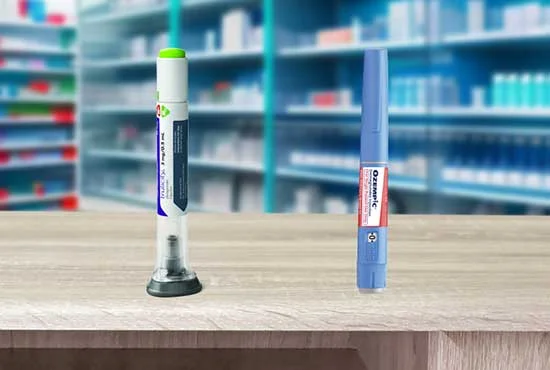


Metformin vs. Ozempic: Which One Is Right for You?
Overall, Ozempic tends to produce greater improvements in both blood sugar control and weight loss. However, its high cost can be a burden to patients who require long-term treatment. Unlike metformin, which has a generic version, Ozempic is only available as a brand-name prescription. Without insurance, you can expect to pay around $1,000 per month, whereas you can obtain metformin for less than $100 per month.
Overall, you’ll have to consider the cost, tolerability to side effects, insurance coverage, and availability when choosing the right treatment. Metformin is widely available in pharmacies, whereas obtaining a refill for Ozempic may be challenging during periods of limited supply. If you are exploring prescription fulfillment options, Buy Canadian Insulin helps patients access Ozempic through licensed pharmacy partners. Some patients may find pricing through participating pharmacy partners that differs from certain U.S. retail pharmacy prices. Remember, if you want to switch, stop, or combine Ozempic and metformin, consult your doctor first.
Frequently Asked Questions
Original Publish Date: 5/01/2022 – Updated 10/08/2025


