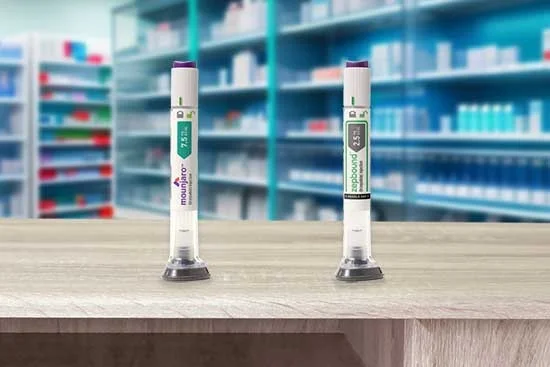
Balancing medication with lifestyle choices is a common challenge for many, especially for those using Mounjaro to manage type 2 diabetes or support weight loss. One of the most frequently asked questions is whether it is safe to combine Mounjaro and alcohol.
While alcohol is a part of many social settings, its interaction with Mounjaro and alcohol use raises several concerns. Although no direct studies have examined the effects of alcohol and Mounjaro together, their individual impact on the body suggests potential risks.
Alcohol can lower blood sugar unpredictably, worsen gastrointestinal side effects, and interfere with weight management. Some people may also experience dizziness, dehydration, or an increased heart rate when mixing Mounjaro and alcohol.
Can alcohol cancel out Mounjaro’s weight-loss and blood sugar benefits? Let’s find out.
Can You Drink Alcohol While Taking Mounjaro?
For many people, drinking alcohol is a normal part of social life, but if you are taking Mounjaro, you may wonder whether it is safe to drink. While there is no official warning against combining Mounjaro and alcohol, health experts caution that alcohol can have unpredictable effects on blood sugar, digestion, and metabolism, which may interfere with Mounjaro’s intended benefits.
For a visual explanation of the interactions between Mounjaro and alcohol, watch the following video:

How Does Mounjaro Work?

Mounjaro is a once-weekly injectable medication approved for managing type 2 diabetes. It works by mimicking two important gut hormones: glucose-dependent insulinotropic polypeptide (GIP) and glucagon-like peptide-1 (GLP-1). These hormones help regulate blood sugar levels, slow digestion, and influence appetite control.
Here’s how Mounjaro affects the body:
Because of these effects, Mounjaro and alcohol use together can create additional challenges. Alcohol can interfere with blood sugar regulation, worsen gastrointestinal discomfort, and counteract weight loss efforts.
What Are the Risks of Mixing Alcohol and Mounjaro?

The manufacturer of Mounjaro (tirzepatide) has not studied the safety of combining Mounjaro and alcohol consumption. While there are no direct studies on Mounjaro and alcohol side effects, experts advise limiting alcohol due to the following:
Increased Risk of Hypoglycemia (Low Blood Sugar)
Both Mounjaro and alcohol use can lower blood sugar levels. Mounjaro improves insulin sensitivity, while alcohol can interfere with glucose production in the liver. This combination may lead to hypoglycemia, which can cause:
- Dizziness
- Confusion
- Shakiness
- Blurred vision
- Fainting
People who drink on an empty stomach or consume high-sugar alcoholic beverages are at a greater risk of experiencing blood sugar fluctuations.
Worsened Gastrointestinal Side Effects
Mounjaro and alcohol both affect digestion. Since Mounjaro slows stomach emptying and commonly causes nausea, vomiting, or diarrhea, drinking alcohol can intensify these effects. This may lead to:
- Severe nausea and vomiting
- Diarrhea and dehydration
- Increased stomach irritation and acid reflux
For some, even small amounts of alcohol can cause discomfort when combined with Mounjaro.
Dehydration and Electrolyte Imbalance
Alcohol is a diuretic, meaning it increases fluid loss through urination. Since Mounjaro already delays stomach emptying, dehydration can become a major concern. Symptoms of dehydration include:
- Dry mouth and excessive thirst
- Dizziness
- Fatigue
- Muscle cramps
Drinking alcohol without staying hydrated can make these symptoms worse.
Potential Liver Strain
Since both alcohol and Mounjaro are processed in the liver, excessive drinking can put additional stress on this vital organ. People with existing liver conditions should be especially cautious when consuming alcohol while on Mounjaro.
Interference with Weight Loss Goals
Mounjaro is commonly used for weight management, but alcohol use can slow down metabolism and contribute to excess calorie intake. Alcoholic drinks—especially cocktails, beer, and sugary mixers—add empty calories, which can reduce the effectiveness of Mounjaro for weight loss.
Should You Avoid Alcohol Completely?
Experts suggest that moderation is key when consuming alcohol on Mounjaro. If you choose to drink, it’s best to:
- Avoid drinking on an empty stomach
- Choose low-carb, low-sugar options like dry wine or light beer
- Stay hydrated by drinking plenty of water
- Monitor blood sugar levels before and after drinking
Did You Know?
A study conducted on 2539 adults who were overweight or obese showed that they lost between 15% to nearly 21% of their body weight in less than a year and a half after starting Mounjaro. This is compared to the average weight loss of nearly 15% for people taking the highest dose of semaglutide (the active ingredient in Wegovy and Ozempic) in almost the same period.
How Much Alcohol Is Safe While Taking Mounjaro?
If you are taking Mounjaro, drinking alcohol in moderation may be possible, but it requires careful consideration. Since Mounjaro and alcohol use both impact blood sugar, digestion, and metabolism, it’s important to follow safe drinking guidelines to minimize risks.
Recommended Alcohol Limits
While there are no specific guidelines for drinking alcohol on Mounjaro, general recommendations for people with diabetes or those managing weight loss suggest:
- Women: No more than one drink per day
- Men: No more than two drinks per day
- Beer: 12 ounces (~355 mL)
- Wine: 5 ounces (~148 mL)
- Liquor (vodka, whiskey, etc.): 1.5 ounces (~44 mL)
Drinking beyond these limits can increase the risk of hypoglycemia, dehydration, and digestive discomfort while reducing Mounjaro’s effectiveness for weight loss.
Best Alcohol Choices for Mounjaro Users
If you decide to drink, low-carb and low-sugar options are better choices to avoid blood sugar spikes and excess calorie intake.
- Dry wine (red or white)
- Light beer
- Spirits (vodka, whiskey, tequila) with zero-sugar mixers (club soda, lemon, or lime)
- Sweet wines or dessert wines
- Sugary cocktails (margaritas, daiquiris, piña coladas)
- Regular beer
- Flavored liquors or pre-mixed drinks
Who Should Completely Avoid Alcohol?
- You have a history of hypoglycemia episodes
- You experience severe nausea or vomiting with Mounjaro
- You have liver disease or pancreatitis
- You are on multiple medications that interact with alcohol
Health Note
According to the National Institute On Alcohol Abuse and Alcoholism(NIAAA), Combining alcohol with other medications can lead to a range of negative effects. Alcohol can amplify the side effects of certain medications, leading to serious risks such as nausea, vomiting, and loss of coordination. Additionally, alcohol can reduce the effectiveness of some medications or make them toxic to your body.
How to Manage Blood Sugar While Taking Mounjaro and Drinking Alcohol
If you choose to consume alcohol and Mounjaro together, it’s important to take steps to prevent blood sugar fluctuations, dehydration, and other potential side effects. Here are expert-backed strategies to help you drink safely while on Mounjaro.
Monitor Blood Sugar Levels Regularly
Since Mounjaro and alcohol use can both affect blood sugar, checking your glucose levels before, during, and after drinking is essential.
Before drinking: Ensure your blood sugar is stable (not too low). During drinking: Monitor for signs of hypoglycemia (shakiness, confusion, dizziness). After drinking: Be aware that alcohol’s effect on blood sugar can last for hours, increasing the risk of delayed hypoglycemia.
Never Drink on an Empty Stomach
Drinking alcohol without food can cause a rapid drop in blood sugar, leading to dizziness, fainting, or severe hypoglycemia.
- Lean proteins (chicken, fish, eggs)
- Healthy fats (avocados, nuts, olive oil)
- Fiber-rich carbs (vegetables, whole grains, legumes)
These foods help slow alcohol absorption and prevent blood sugar crashes.
Stay Hydrated
Alcohol is a diuretic, meaning it depletes body fluids and increases the risk of dehydration. Since Mounjaro slows digestion, dehydration can make nausea, dizziness, and headaches worse.
- Drink a glass of water between alcoholic drinks.
- Stick to low-alcohol beverages to reduce fluid loss.
- Avoid caffeinated or sugary mixers, as they worsen dehydration.
Know Your Body’s Limits
Everyone responds differently to Mounjaro and alcohol use. Pay attention to how your body reacts after drinking. If you feel unwell, experience extreme dizziness, or notice blood sugar swings, it may be best to avoid alcohol completely.
Final Thoughts
Mixing Mounjaro and alcohol use requires careful consideration due to potential health risks and complications. If you have diabetes, alcohol can disrupt your blood sugar management, posing serious health threats. For those using Mounjaro, combining it with alcohol might worsen side effects and diminish the medication’s effectiveness. It’s important to keep track of your blood sugar levels, drink in moderation, eat before consuming alcohol, and stay well-hydrated. Recognize your body’s limits to maintain your overall well-being while being treated with Mounjaro.
Frequently Asked Questions
Articles you may also be interested in