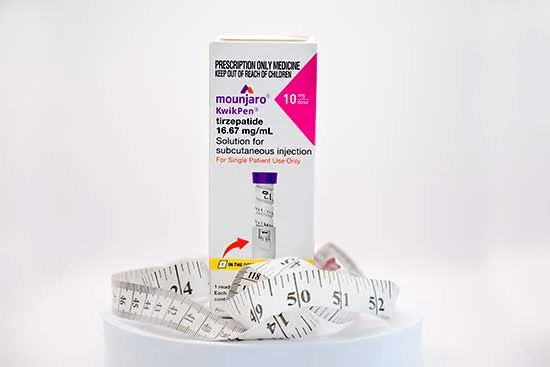
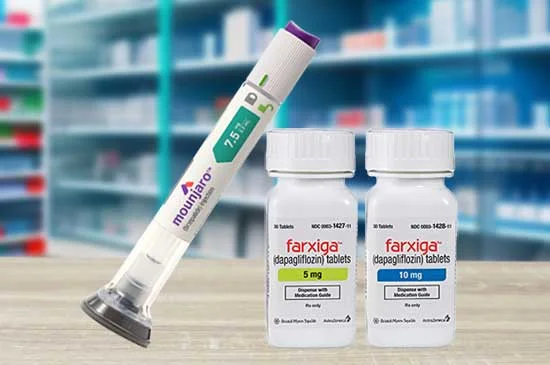
Filling your prescription at the pharmacy should be simple, but issues like drug shortages and unexpectedly high prescription costs can turn it into a frustrating experience. For those prescribed Mounjaro (tirzepatide), these challenges can be particularly problematic, as this medication is not only important for managing blood sugar in type 2 diabetes but is also sought after for its effectiveness in weight loss. Fortunately, other medications offer similar benefits for diabetes control and weight management, making it possible to continue your treatment with some adjustments. In this article, you will learn about these affordable and effective Mounjaro alternatives and how they compare in cost, efficacy, and availability.
What Are Affordable & Effective Mounjaro Alternatives?
When Mounjaro is unavailable or unaffordable, it’s important to consider other medications that can offer similar benefits, especially in managing blood sugar levels and aiding in weight loss. While no alternative is exactly the same, several options exist, primarily in the GLP-1 receptor agonist category, which is known for its effectiveness in both areas.
These Mounjaro alternatives vary in price, dosing schedules, and availability, offering choices based on individual needs and preferences. Some of the most commonly prescribed alternatives include Ozempic, Wegovy, Saxenda, and Victoza. Clinical studies have proven each effective, with specific strengths and limitations. Depending on your treatment goals—whether for diabetes control or weight loss—these medications offer different advantages.
If you’re considering alternatives to Mounjaro, here are some options to consider:
| Medication | Dosage Form | Approved For (Age) | Who Can Take It? | US Price (Approx.) | Our Price |
| Ozempic | Injectable (weekly) | Adults (18+) | Type 2 diabetes, weight loss (off-label) | $ 900-$1000/month | $499.99/month |
| Wegovy | Injectable (weekly) | Adults (18+) | Obesity, weight management | $1,300 – $1,500/month | $609.99 for 1 pen |
| Saxenda | Injectable (daily) | Adults (18+), Adolescents (12-17) | Obesity, weight management | $1,200 – $1,500/month | $515.00 for 5 pens |
| Victoza | Injectable (daily) | Adults (18+) | Type 2 diabetes | $800 – $1,000/month | $255 for 2 pens |
| Trulicity | Injectable (weekly) | Adults (18+) | Type 2 diabetes | $900 – $1,100/month | $282 for 4 pens |
| Rybelsus | Oral tablet (daily) | Adults (18+) | Type 2 diabetes | $800 – $900/month | $298 for 30 tabs |
| Jardiance | Oral tablet (daily) | Adults (18+) | Type 2 diabetes, heart protection | $500 – $600/month | $139 for 30 tabs |
| Januvia | Oral tablet (daily) | Adults (18+) | Type 2 diabetes | $500 – $600/month | $144 for 30 tabs |
Did you know Mounjaro is available at Canadian pharmacies like BuyCanadianInsulin.com in a convenient vial form for only $158.99? That’s a fraction of what you’d pay in the US! Plus, if you’re a first-time customer, use the code “FIRST10” at checkout and enjoy an extra 10% off your order. With Canadian pharmacies, you could save up to 90% on your diabetes medications—a huge difference compared to US prices.
Ozempic
Ozempic (semaglutide) is one of the most widely used Mounjaro alternatives, especially for managing Type 2 diabetes and supporting weight loss. It belongs to the class of GLP-1 receptor agonists, which help control blood sugar by enhancing insulin secretion and reducing the release of glucose from the liver. Additionally, Ozempic slows gastric emptying, making people feel fuller longer contributing to its weight loss effects.
A study revealed that Ozempic significantly lowered participants’ HbA1c (a measure of long-term blood sugar levels) by an average of 7%. In terms of weight loss, patients experienced reductions in body weight ranging from 10% to 15%, making Ozempic one of the most effective options for people looking to manage diabetes and obesity.
Here’s a breakdown of what you can expect from Ozempic as a Mounjaro alternative:
| Pros | Cons |
|
|
Cost in the US: $900 – $1000 per month (without insurance)
Wegovy
Wegovy is another form of semaglutide, like Ozempic, but it is specifically FDA-approved for chronic weight management in adults with obesity or overweight conditions. While both Ozempic and Wegovy contain the same active ingredient, Wegovy is prescribed at a higher dose to maximize its effects on weight loss. This makes Wegovy an appealing option for individuals prioritizing weight management over blood sugar control, especially if Mounjaro is unavailable.
In clinical studies, Wegovy has demonstrated impressive weight loss results. A study revealed that Wegovy participants lost an average of 5-15% of their body weight over 68 weeks. This surpasses the weight loss observed with other GLP-1 receptor agonists, making it an attractive alternative for individuals seeking substantial weight reduction. Here’s a comparison of Wegovy’s pros and cons:
| Pros | Cons |
|
|
Cost in the US: $1,300 – $1,500 per month (without insurance)
Saxenda
Saxenda (liraglutide) is another GLP-1 receptor agonist widely prescribed for weight loss. Unlike Mounjaro, which is primarily used to control blood sugar in people with Type 2 diabetes, Saxenda is specifically approved for weight management in individuals with obesity or those who are overweight and have weight-related medical issues. Saxenda helps reduce appetite and caloric intake, leading to gradual but sustained weight loss.
In clinical studies, Saxenda has shown moderate success in helping individuals lose weight. According to a study, participants using Saxenda experienced an average weight loss of 4 to 6 kg over 56 weeks. While these results are slightly less dramatic than those seen with Mounjaro or Wegovy, Saxenda remains an effective option for individuals primarily focused on weight management. However, Saxenda comes with its own set of pros and cons that need to be carefully evaluated:
| Pros | Cons |
|
|
Cost in the US: $1,200 – $1,500 per month (without insurance)
Victoza
Victoza (liraglutide) is another alternative to Mounjaro and a GLP-1 receptor agonist. It is primarily prescribed for managing Type 2 diabetes rather than for weight loss. In clinical trials, it has proven to significantly reduce HbA1c levels, which is an essential marker of blood sugar control. Additionally, Victoza offers cardiovascular benefits by reducing the risk of heart-related complications in individuals with Type 2 diabetes.
A study revealed that Victoza reduced HbA1c levels by an average of 1.0%-1.5%, with the added benefit of lowering the risk of cardiovascular events such as heart attack and stroke. Although weight loss is not Victoza’s primary goal, many patients experience moderate weight loss while taking this medication, making it a versatile option for managing blood sugar and some degree of weight reduction.
Here’s a breakdown of Victoza’s pros and cons:
| Pros | Cons |
|
|
Cost in the US: $900 – $1,100 per month (without insurance)
Trulicity
Trulicity (dulaglutide) is also a GLP-1 receptor agonist alternative to Mounjaro. It is similar to Mounjaro but has some unique features that may make it a more attractive alternative for certain individuals. Trulicity is primarily used for managing blood sugar levels in people with Type 2 diabetes and has the added benefit of reducing the risk of cardiovascular events. It is known for its once-weekly dosing schedule, making it a convenient option for people who prefer fewer injections compared to daily medications like Victoza or Saxenda.
Clinical studies have demonstrated that Trulicity is effective at lowering HbA1c levels. According to a study, Trulicity reduced HbA1c by around 8.6% on average at 36 weeks. While it promotes some weight loss, the effect is generally less pronounced than with medications like Ozempic or Wegovy, which focus more on weight management. Trulicity is often preferred by patients looking to control their blood sugar with minimal side effects and a simple dosing schedule.
Here’s a comparison of Trulicity’s pros and cons:
| Pros | Cons |
|
|
Cost in the US: $900 – $1,100 per month (without insurance)
Rybelsus
Rybelsus (semaglutide) stands out among GLP-1 receptor agonists because it is an oral tablet, unlike other Mounjaro alternatives requiring injections. This makes Rybelsus an attractive option for individuals who prefer to avoid injections but still need effective diabetes management. Like Ozempic, Rybelsus works by improving blood sugar control in individuals with Type 2 diabetes, and it has also been shown to promote moderate weight loss.
In clinical studies, Rybelsus has proven effective in reducing HbA1c levels. According to the FDA, Rybelsus reduced HbA1c by around 7%. Additionally, Rybelsus led to weight loss of about 3 pounds, making it a viable option for individuals seeking diabetes management and weight reduction without injections. Here’s a breakdown of Rybelsus’ pros and cons:
| Pros | Cons |
|
|
Cost in the US: $800 – $900 per month (without insurance)
Jardiance
Jardiance (empagliflozin) differs from Mounjaro in that it belongs to a class of medications called SGLT2 inhibitors rather than a GLP-1 receptor agonist. Jardiance works by helping the kidneys remove excess glucose from the bloodstream through urine, which helps lower blood sugar levels in people with Type 2 diabetes. While it is not specifically designed for weight loss, Jardiance is often used with other medications to provide comprehensive diabetes management, and it has been shown to offer cardiovascular benefits.
In a clinical trial, Jardiance reduced the risk of cardiovascular events, such as heart attack and stroke, in people with Type 2 diabetes. Additionally, it lowered HbA1c levels by approximately 0.7-0.9%. While it is not as effective for weight loss as GLP-1 receptor agonists like Mounjaro or Ozempic, Jardiance has a unique advantage in improving heart health, making it a valuable alternative for individuals with diabetes and cardiovascular concerns.
Here’s a comparison of Jardiance’s pros and cons:
| Pros | Cons |
|
|
Cost in the US: $500 – $600 per month (without insurance)
Januvia
Januvia (sitagliptin) belongs to a different class of diabetes medications known as DPP-4 inhibitors. These medications enhance the body’s natural ability to regulate insulin after meals. While Januvia is not as effective in promoting weight loss as GLP-1 receptor agonists like Mounjaro, it is specifically targeted at improving blood sugar control in people with Type 2 diabetes. Januvia helps lower A1C levels, but the results are more modest than alternatives like Ozempic or Trulicity.
A study found that Januvia lowered A1C levels by approximately 0.8%. However, unlike Mounjaro, Januvia does not promote significant weight loss, making it a better choice for individuals primarily focused on controlling their blood sugar without needing weight management as a secondary goal. Januvia is also known for its fewer side effects, making it a relatively well-tolerated option for long-term diabetes management.
Below are the pros and cons of Januvia as Mounjaro alternative:
| Pros | Cons |
|
|
Cost in the US: $500 – $600 per month (without insurance)
How Do You Switch From Mounjaro to an Alternative?
When switching from Mounjaro to another medication, it is essential to consider the alternative’s dosing schedule, efficacy, and potential side effects.
The transition typically involves gradually tapering off Mounjaro while the new medication is being introduced. This allows your body to adjust and reduces the risk of side effects such as gastrointestinal discomfort or fluctuations in blood sugar levels. The dosing schedule may vary depending on the alternative, such as Ozempic, Trulicity, or Saxenda.
For example, if you’re switching to a once-weekly medication like Ozempic or Trulicity, your healthcare provider may adjust the timing of your last Mounjaro injection to match the new schedule. For daily medications like Saxenda or Victoza, the transition might involve starting the new medication a day after your last Mounjaro dose to ensure continuity.
If you’re switching to a different Mounjaro alternative class of medications, like SGLT2 inhibitors (e.g., Jardiance) or DPP-4 inhibitors (e.g., Januvia), the process might require closer monitoring of blood sugar levels since the mechanisms of these drugs differ significantly from GLP-1 receptor agonists.
Monitor your blood sugar levels regularly and be mindful of side effects, such as nausea, vomiting, or low blood sugar (hypoglycemia). If you experience significant changes in your feelings, adjust your treatment plan.
Natural Alternatives to Mounjaro
For those seeking a more natural approach to managing Type 2 diabetes or supporting weight loss, several lifestyle changes and herbal supplements can complement or, in some cases, serve as alternatives to medications like Mounjaro. While these natural alternatives may not work as quickly or powerfully as prescription medications, they can still help regulate blood sugar levels and promote weight loss when used consistently as part of a healthy lifestyle.
Below are the natural alternatives to Mounjaro:
Dietary Changes
One of the most powerful natural ways to manage blood sugar and weight is through diet. Adding whole foods like leafy greens, lean proteins, and healthy fats can stabilize blood sugar levels. Foods rich in fiber, such as oats, beans, and lentils, help slow down glucose absorption into the bloodstream, preventing spikes in blood sugar. Additionally, low-carbohydrate diets like the ketogenic diet have been shown to improve insulin sensitivity and aid in weight loss.
Exercise
Regular physical activity is another alternatives for mounjaro that helps manage diabetes and weight. Aerobic exercises like walking, cycling, and swimming can improve the body’s sensitivity to insulin, helping to regulate blood sugar levels. Resistance training also plays an important role in maintaining muscle mass, which increases the body’s ability to use glucose effectively.
Supplements
Some people find that adding certain natural supplements to their routine can help support blood sugar control. Popular supplements include:
- Cinnamon: Studies suggest that cinnamon may help lower blood sugar levels by improving insulin sensitivity.
- Berberine: This natural compound, found in several plants, has been shown to reduce blood sugar and improve insulin function.
- Fenugreek: Known for its high fiber content, fenugreek seeds can help slow down digestion and carbohydrate absorption, leading to better blood sugar control.
Mindful Eating and Stress Management
Stress directly impacts blood sugar levels, so managing stress through mindfulness techniques, meditation, or yoga can help reduce spikes in glucose levels. Additionally, practicing mindful eating—focusing on hunger cues and making conscious food choices—can prevent overeating and support weight management.
While natural alternatives can help manage diabetes or weight, it’s important to remember that they may not replace the effectiveness of prescription medications like Mounjaro. Combining these natural methods with prescribed treatments can offer a more holistic approach to improving health outcomes.
Final Thoughts
While Mounjaro and its alternatives offer highly effective solutions for managing Type 2 diabetes and weight loss, it’s crucial to consider both prescription options and natural approaches when planning your treatment. Whether you choose a medication like Ozempic or Trulicity or explore natural alternatives, the key is to find a strategy that suits your lifestyle, budget, and health goals. Remember, managing diabetes and achieving weight loss is a journey that requires a balanced approach, and making informed choices can help you stay on track.
With affordable options available through resources like BuyCanadianInsulin.com, you don’t have to compromise on quality or effectiveness to manage your condition. Take control of your health by exploring the best alternatives, whether through medication, lifestyle changes, or both.
Frequently Asked Questions
Articles you may also be interested in