
If you’re taking Mounjaro, you’ve probably wondered about potential Mounjaro drug interactions with your other medications. This concern makes sense because when you’re managing diabetes, you want to make sure all your treatments work together safely.
Mounjaro can interact with several types of medications, from diabetes drugs that increase hypoglycemia risk to oral contraceptives that may become less effective. These tirzepatide interactions happen because of how Mounjaro works in your body, particularly its effects on digestion and blood sugar control.
What Is Mounjaro and How It Can Interact With Other Drugs

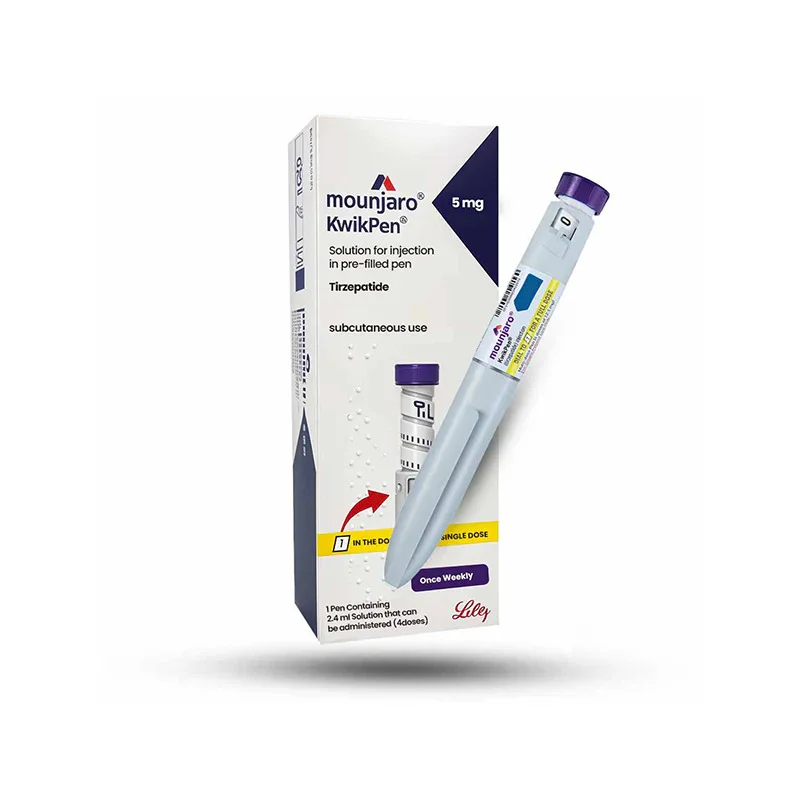
Mounjaro contains tirzepatide, a weekly injectable medication approved by the FDA for treating type 2 diabetes. It works as a dual receptor agonist, activating two types of gut hormone receptors — GIP and GLP-1 — that help regulate blood sugar and appetite. By targeting both, it enhances insulin release, slows digestion, and reduces hunger, which supports both blood sugar control and weight loss.
The medication’s primary mechanism involves slowing gastric emptying. It slows down how quickly food moves from your stomach to your small intestine. This delayed digestion helps you feel full longer and improves blood sugar control, but it also creates the foundation for most drug interactions with Mounjaro.
When your stomach empties more slowly, oral medications you take may also be absorbed more slowly or less completely. This delayed absorption can affect the timing and effectiveness of other drugs, particularly those that work quickly or maintain specific blood levels to be effective.
What Medicines Can You Not Take With Mounjaro?
There are 427 documented drug interactions with tirzepatide. Mounjaro’s direct and indirect interactions fall into these categories:
-
-
- Diabetes medications, including insulin, meglitinides, sulfonylureas, and GLP-1 drugs: Significantly increase the risk of low blood sugar (hypoglycemia) and serious side effects.
- Oral contraceptives: May become less effective due to delayed absorption, increasing the risk of an unplanned pregnancy
- Vitamins and supplements: Mounjaro can reduce absorption or cause unpredictable drug interactions when taken with them.
- Pain relievers and short-term medications: May worsen gastrointestinal side effects or require timing adjustments
- Antidepressants and other mental health drugs: Generally safe but may intensify nausea, appetite changes, and fatigue.
- Heart and blood pressure medications: May require dose adjustments as weight loss and improved metabolic health lower blood pressure
-
1. Insulin, Meglitinides, Sulfonylureas, and GLP-1 Drugs
Mounjaro lowers blood sugar, and combining it with other diabetes medications can create additive glucose-lowering effects, increasing the risk of severe low blood sugar.
-
- Insulin: One of the most significant Mounjaro interactions. Using insulin with tirzepatide can sharply increase hypoglycemia risk, so insulin doses are often reduced when Mounjaro is started.
- Meglitinides (e.g., repaglinide): Stimulate insulin release around meals and may further increase low blood sugar risk when combined with tirzepatide.
- Sulfonylureas (e.g., glipizide, glyburide, glimepiride): Also increase insulin secretion and can cause hypoglycemia when used with Mounjaro.
- Other GLP-1 receptor agonists: Ozempic, Trulicity, Victoza, and Rybelsus should not be combined with Mounjaro, as they work nearly the same way. There’s no added benefit, plus it only increases the tendency of severe adverse reactions.
Common hypoglycemia symptoms include shakiness, sweating, dizziness, confusion, and a rapid heartbeat.
Note:
-
- SGLT2 inhibitors (Jardiance, Farxiga) are commonly used with Mounjaro under medical supervision.
- DPP-4 inhibitors (Januvia) are usually discontinued when Mounjaro is started due to overlapping effects.
2. Oral Contraceptives and Hormone Replacement Therapy
One of the most common concerns about tirzepatide drug interactions is whether it affects birth control pills. Oral contraceptives may become less effective when taken with Mounjaro because delayed absorption can lower hormone levels. This is why some women may experience an unintended pregnancy despite taking birth control pills. The risk is higher if you experience nausea, vomiting, or diarrhea.
To stay protected, use a backup method of contraception (such as condoms or a non-oral option like an IUD) for at least four weeks after starting Mounjaro or increasing your dose.
Can you take Mounjaro and testosterone together?
Yes, it’s generally safe to take Mounjaro and testosterone together, as there’s no known direct drug interaction between the two. However, it should be done under medical supervision, with routine monitoring to ensure the dose remains appropriate.
3. Vitamins and Supplements
Mounjaro has fewer interactions with vitamins and supplements than with prescription drugs, but some products can still affect blood sugar control or absorption.
-
- Chromium: Use with caution. Chromium may enhance insulin sensitivity and, when combined with Mounjaro, can increase the risk of dangerously low blood sugar.
- B-complex vitamins: Generally safe. Absorption may be delayed due to slower gastric emptying, but this is not usually clinically significant.
- Vitamin D: No known interaction with Mounjaro. Taking it with a fat-containing meal can improve absorption.
Other supplements that may interact with Mounjaro:
-
- Berberine: May further lower blood sugar and increase hypoglycemia risk when combined with Mounjaro.
- GOLO or similar metabolic supplements: Often contain multiple blood sugar–active ingredients, which can lead to unpredictable glucose effects.
What vitamins should not be taken with Mounjaro? There’s no formal list of specific vitamins that should not be taken with Mounjaro. The official FDA label also doesn’t list vitamins or supplements as contraindicated, but it does strongly recommend discussing nonprescription medicines, including vitamins and supplements, with your doctor because tirzepatide can affect how your body handles other substances.
In general, avoid vitamins and supplements marketed for blood sugar or weight loss unless approved by your healthcare provider.
4. Pain Relievers and Short-Term Medications
There are no direct drug interactions with Mounjaro and ibuprofen or other pain relievers, but timing and side-effect overlap matter.
-
- Acetaminophen (Tylenol): Tylenol is generally safe to take with Mounjaro and preferred for mild pain or fever.
- NSAIDs (ibuprofen): Ibuprofen and Mounjaro can be co-administered, but may worsen stomach irritation, nausea, or indigestion.
- Tramadol: Tramadol can be used alongside Mounjaro, but may increase dizziness, nausea, or constipation.
Time-Sensitive Medications
Mounjaro slows gastric emptying, which can delay how quickly some medications take effect. This may affect certain antibiotics, pain relievers, and short-acting drugs that rely on rapid absorption.
Narrow Therapeutic Index Medications
Medications that require precise blood levels, such as warfarin, digoxin, and some anti-seizure drugs, may need closer monitoring or dose adjustments when used with Mounjaro due to absorption changes.
5. Mental Health and Neurologic Medications
Mounjaro doesn’t have direct drug interactions with antidepressants and other mental health medications. However, overlapping side effects and changes in appetite, energy, or weight can affect how these medications feel when taken together.
-
- Antidepressants (including SSRIs and SNRIs such as Lexapro): Lexapro and Mounjaro are generally safe to use together, but there’s a risk of increased nausea, appetite changes, or fatigue.
- Wellbutrin (bupropion): There’s no known direct drug interaction between Wellbutrin and Mounjaro, but because both medications can suppress appetite, some people may experience reduced appetite or mild nausea.
- Stimulants (Adderall): Mounjaro and Adderall can be combined, but appetite suppression, increased heart rate, or insomnia may be more noticeable.
- Anti-anxiety medications (Xanax): There’s also no documented direct interaction between Mounjaro and Xanax, though combining them may increase dizziness or drowsiness.
If you’re taking these medications, your doctor will review for tirzepatide drug interactions to ensure appropriate dosing and minimize the risk of side effects. If you notice mood changes, worsening anxiety, unusual fatigue, or appetite loss, schedule a checkup with your doctor so they can adjust your treatment plan.
6. Heart and Blood Pressure Medications
Mounjaro does not directly interact with most heart or blood pressure medications. However, tirzepatide can promote weight loss and insulin sensitivity, which can lower blood pressure over time. Combining both can change how these medications affect you.
-
- Beta blockers (propranolol): Mounjaro and propranolol may be used concurrently. However, beta blockers can mask some symptoms of low blood sugar, such as a rapid heartbeat, making hypoglycemia harder to detect.
- Calcium channel blockers (amlodipine): Similarly, it’s typically safe to combine amlodipine and Mounjaro, but as blood pressure improves with weight loss, some people may experience dizziness or lightheadedness. In such a case, your doctor may need to adjust your dose.
If you notice frequent dizziness, fatigue, or faintness, your healthcare provider may check your blood pressure and adjust your tirzepatide doses as your body responds to the medication.
Health Conditions That Require Caution With Mounjaro
In addition to possible Mounjaro drug interactions, your doctor will consider your overall health to ensure it’s safe for you to take this medication. Certain health conditions may increase your risk of side effects or require closer monitoring while taking Mounjaro.
-
- Kidney and liver impairment: While Mounjaro does not usually require dose adjustments based on kidney function alone, people with kidney or liver disease may need closer monitoring, especially if dehydration or severe gastrointestinal side effects occur.
- Thyroid conditions: If you have existing thyroid disease, nodules, or a history of goiter, your healthcare provider may monitor your thyroid function more closely during treatment.
Tirzepatide Contraindications: Who Should Not Take Mounjaro?
Your doctor will not prescribe Mounjaro if you have any of the following conditions:
-
- Personal or family history of medullary thyroid carcinoma (MTC): Mounjaro is contraindicated if you or a family member has had MTC. Animal studies showed an increased risk of thyroid C-cell tumors with medications like Mounjaro, which is why the FDA requires a boxed warning.
- Multiple endocrine neoplasia syndrome type 2 (MEN2): People with MEN2 have a high risk of developing MTC and other endocrine tumors and should not use Mounjaro.
- Severe hypersensitivity to tirzepatide: If you have ever had a serious allergic reaction to tirzepatide or any of its components, such as trouble breathing, swelling of the face or throat, or severe skin reactions, you should not take Mounjaro again.
- Gastroparesis or severe delayed gastric emptying: Because Mounjaro slows stomach emptying, it is not recommended for people with gastroparesis because digestive side effects like nausea can become more pronounced.
- Pregnancy or planning pregnancy: Mounjaro should not be used during pregnancy or when trying to conceive due to potential risks to the fetus.
What to Remember About Mounjaro Drug Interactions
Juggling Mounjaro with your other medications isn’t simple — you’ll need a plan and ongoing conversations with your doctor. Make a complete list of everything you’re taking from prescriptions, over-the-counter meds, vitamins, and any herbs or supplements.
Bring this list to your doctor and directly ask: “Which of these can’t I take with Mounjaro, and which ones need special timing?” Your healthcare provider can help you create a safe schedule that maximizes effectiveness while minimizing interaction risks. Consider using a pill organizer or smartphone app to help you stay organized and remember timing requirements.
When you’re managing multiple medications, consistency matters. If you can’t stay on track with your treatment because of the cost of medication, order Mounjaro online from Canada for $499.97. Save up to 90% on GLP-1 medications by buying from licensed Canadian pharmacies — affordable, reliable, and delivered to the U.S.
Articles you may also be interested in


Frequently Asked Questions
Sources
- U.S. Food and Drug Administration. FDA warns consumers not to use counterfeit Ozempic (semaglutide) found in U.S. drug supply chain. Updated December 5, 2025. View source
- U.S. Department of Justice. Two charged in connection with transnational counterfeit Ozempic scheme. September 29, 2026. View source
- World Health Organization. WHO issues warning on falsified medicines used for diabetes treatment and weight loss. June 20, 2024. View source
- National Library of Medicine, DailyMed. Ozempic (semaglutide) injection label. Revised May 2026. View source
- Novo Nordisk (NovoMedLink). Ozempic pen dosing and administration. Accessed October 2026. View source
- U.S. Food and Drug Administration. Locate a state-licensed online pharmacy (BeSafeRx). Accessed October 2026. View source
- U.S. Food and Drug Administration. Report suspected criminal activity. Accessed October 2026. View source
- U.S. Food and Drug Administration. MedWatch online voluntary reporting form. Accessed October 2026. View source
- Novo Nordisk. North Carolina’s Research Triangle Region. Accessed October 2026. View source
- Health Canada. Canada becomes the first G7 country to approve a generic version of semaglutide. April 28, 2026. View source
This article was first published on November 26, 2025, and was last updated in October 2026.


