If you’re exploring the heart benefits of Mounjaro, you may know that this medication offers more than just blood sugar control. Recent clinical trials have provided strong evidence that this dual-action diabetes medication can also help protect your cardiovascular system.
For people with type 2 diabetes, heart disease represents one of the most serious complications they face. The connection between diabetes and cardiovascular problems makes finding treatments that address both conditions particularly important for your long-term health.
Recent clinical trial results show that Mounjaro provides an 8% reduction in the risk of major adverse cardiovascular events, including cardiovascular death, heart attack, or stroke, compared to Trulicity in adults with type 2 diabetes and cardiovascular disease. These findings are from the SURPASS-CVOT trial, which included over 13,000 participants and followed them for a median of approximately four years.
These results are especially meaningful because they come from a large, multinational clinical trial conducted at 640 sites across 30 countries, which increases confidence in the data when discussing treatment options with your healthcare provider.
What Is Mounjaro and How Does It Help Your Heart?

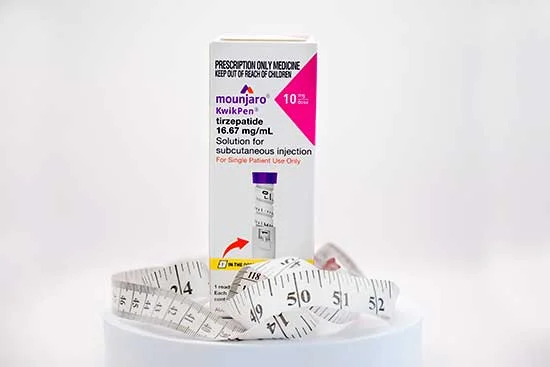
Mounjaro contains tirzepatide, a once-weekly GIP/GLP-1 receptor agonist that reduces blood glucose and body weight in people with type 2 diabetes. Unlike other diabetes medications that only target one hormone pathway, Mounjaro activates both GIP and GLP-1 receptors, which explains why researchers call it a “dual agonist.”
This dual action means Mounjaro can provide cardiovascular benefits through multiple pathways. When you take Mounjaro, it helps control your blood sugar levels while also promoting weight loss, both of which directly benefit your heart health.
Research shows Mounjaro vs. Trulicity findings confirm Mounjaro achieved non-inferior rates of major adverse cardiovascular events, including cardiovascular death, heart attack, or stroke. This means Mounjaro works at least as well as proven heart-protective medications.
Key ways Mounjaro benefits your heart include:
Clinical Trial Evidence for Mounjaro Heart Benefits
The SURPASS-CVOT trial was an event-driven, randomized, double-blind Phase 3 study that included 13,299 participants at 640 sites in 30 countries. This head-to-head trial directly compared Mounjaro (tirzepatide) to Trulicity (dulaglutide), a diabetes medication with established cardiovascular benefits.
Results showed the risk of cardiovascular death, heart attack, or stroke was 8% lower for tirzepatide versus dulaglutide, meeting the prespecified criteria for non-inferiority. When researchers say a treatment shows “non-inferiority,” they mean it works at least as well as the comparison treatment.
Key SURPASS-CVOT Results:
| Outcome | Mounjaro | Comparison |
| All-cause mortality reduction | 16% lower | vs. Trulicity |
| A1C improvements | Greater reduction | vs. Trulicity |
| Weight loss at 3 years | ~25 pounds | vs. ~10 pounds (Trulicity) |
The rate of all-cause mortality was 16% lower for tirzepatide versus dulaglutide, and tirzepatide showed consistent results across all 3 components of the cardiovascular endpoint.
Mounjaro for Heart Failure Patients
Tirzepatide treatment reduced both cardiovascular deaths and worsening heart failure compared to placebo. Patients with preserved ejection fraction heart failure and obesity also saw improvements in their overall health status.
Heart failure with preserved ejection fraction (HFpEF) occurs when your heart pumps normally but becomes too stiff to fill properly with blood. This condition causes symptoms including fatigue, shortness of breath, reduced ability to exercise, and swelling of extremities.
The SUMMIT trial showed worsening heart-failure events occurred in 29 patients (8%) in the tirzepatide group compared to 52 patients (14.2%) in the placebo group, representing a 46% risk reduction.
SUMMIT Trial Heart Failure Results:
-
- Reduced the risk of cardiovascular death or worsening heart failure events by 38% over a median follow-up of 104 weeks.
- Improved quality of life scores by 6.9 points compared to placebo
- Led to a 13.9% reduction in body weight at 52 weeks in the tirzepatide group compared to 2.2% with placebo.
While Mounjaro isn’t currently FDA-approved specifically for heart failure treatment, these research findings show promising benefits for people with this condition.
Does Mounjaro Cause Heart Problems?

When you’re considering Mounjaro for heart benefits, you might worry about whether the medication itself could cause cardiovascular problems. The good news is that clinical trials show Mounjaro reduces heart risks rather than increases them.
The most commonly reported adverse events were primarily gastrointestinal in nature and generally mild to moderate in severity, including diarrhea, nausea, constipation, and vomiting.
Understanding the difference between side effects and cardiovascular protection helps put your mind at ease. While Mounjaro can cause digestive symptoms in some people, these side effects are separate from its heart-protective benefits.
Common side effects that may concern heart patients:
-
- Nausea and vomiting (usually temporary)
- Diarrhea and constipation
- Risk of pancreatitis (rare but serious)
About 13% of participants taking tirzepatide discontinued treatment due to adverse events, compared to 10% taking dulaglutide. Most people can continue treatment successfully with proper medical monitoring.
You contact your healthcare provider immediately if you experience chest pain, heart palpitations, or unusual shortness of breath while taking Mounjaro. Stop using Mounjaro and call your healthcare provider right away if you have severe pain in your stomach area that will not go away, with or without vomiting.
How Mounjaro Compares to Other Heart Medications
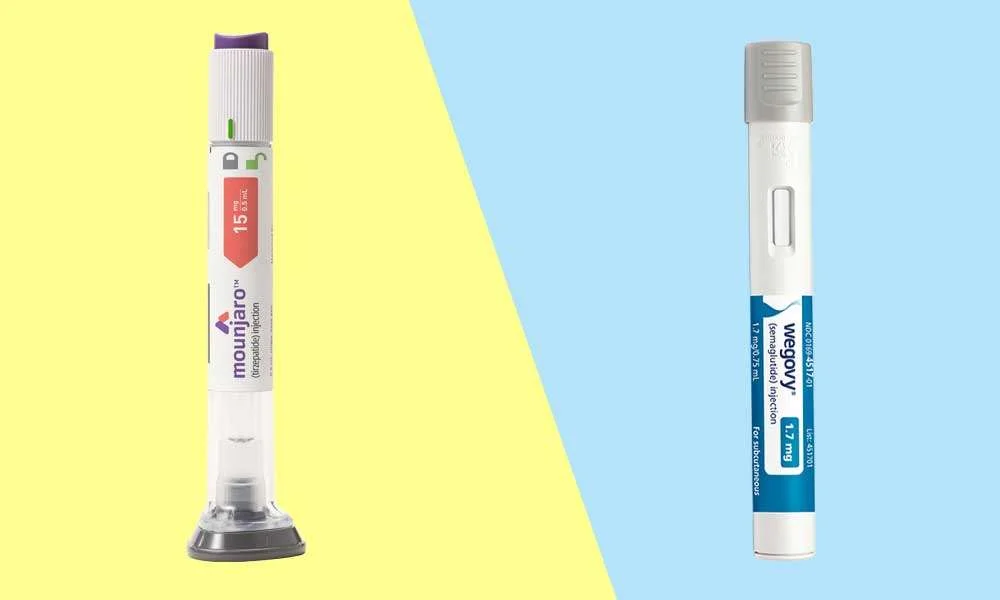
Understanding how Mounjaro stacks up against other diabetes medications can help you make informed decisions. Mounjaro is a GIP/GLP-1 dual receptor agonist, compared to Trulicity, a GLP-1 receptor agonist that showed definitive cardiovascular benefit in the REWIND study.
Traditional medications like Trulicity target only one hormone pathway in your body. Mounjaro stands apart because it activates both GLP-1 and GIP receptors, giving it broader effects on blood sugar control, appetite regulation, and weight management.
Mounjaro vs. Other Treatments:
Recent research shows GLP-1 receptor agonists may also support mental well-being, with a 37% reduction in depression risk, alongside decreases in suicidal ideation (58%) and substance use disorders (42%).
Articles you may also be interested in


Managing Long-Term Mounjaro Treatment
When you consider the cardiovascular benefits Mounjaro provides, long-term treatment becomes an important part of protecting your heart health. Clinical trials show benefits, including 11%-12% greater weight loss and improved quality of life outcomes at 52 weeks. Additionally, in a large real-world study of over 140,000 matched pairs, GLP-1 receptor agonists were associated with a 51% reduction in all-cause mortality and a 24% reduction in major cardiovascular events among adults with obesity but without diabetes.
The cardiovascular protection Mounjaro offers can help you avoid expensive cardiac procedures and hospital stays down the road. When you factor in the potential costs of heart disease treatment, consistent preventive medication often saves money over time.
Heart disease management can cost thousands of dollars annually in medical bills, hospitalizations, and complications, which can feel overwhelming when you’re budgeting for your health. This makes accessing affordable heart-protective medications like Mounjaro particularly important.
Though some patients quit treatment due to side effects (mostly digestive issues), the majority stick with Mounjaro long-term when their doctors keep tabs on them properly. Regular check-ups help ensure you’re getting cardiovascular benefits while managing any side effects that arise.
Order Mounjaro online at discounted prices through Buy Canadian Insulin, where every prescription is verified by both a U.S. doctor and Canadian pharmacist for safety assurance. This two-step verification means you get the real medication, checked twice for your safety.
Frequently Asked Questions