
Should you try Mounjaro or Zepbound? These medications are as popular as Ozempic because they cause rapid weight loss, but what sets them apart? How do you know which is a more suitable treatment? The fact is that both drugs contain the same active substance — tirzepatide. While they’re similar in many ways, one key distinction is their FDA-approved use. This article compares Mounjaro and Zepbound and how these drugs are similar and different in the side effects they cause, the results they provide, and other features.
What Are Mounjaro and Zepbound?
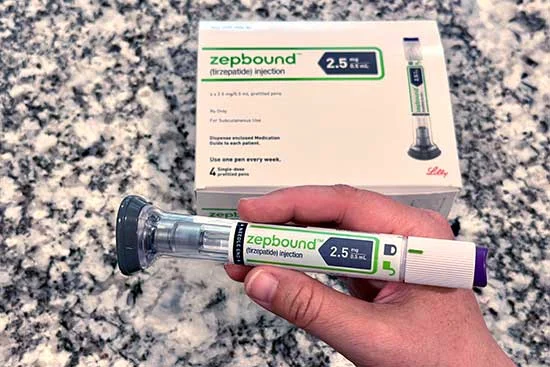
Mounjaro and Zepbound contain the same active substance, tirzepatide, which is a dual agonist. Both medications are GIP and GLP-1 receptor agonists. They work by acting on two different types of gut hormones.
Many people ask, “Is Zepbound the same as Mounjaro?” The answer is no. While they share some similarities, they differ in many ways. Both medications were approved by the FDA in 2022 but for different purposes. Mounjaro is indicated for diabetes, whereas Zepbound is prescribed for managing weight issues. Many people mistakenly think Zepbound is approved for diabetes, but it’s not.
Zepbound and Mounjaro are popular medications for slimming down, with the latter sometimes prescribed for off-label weight loss. If you’ve tried different diet fads and exercise routines to lose weight but never achieved the desired results, these two might help.
But before you try any of them, it’s best to learn how they work, their benefits, and potential side effects. Below is a table that summarizes the key differences when comparing Mounjaro and Zepbound.
Mounjaro versus Zepbound: How They’re Similar and Different
| Feature | Mounjaro | Zepbound |
|---|---|---|
| Active ingredient | Tirzepatide | Tirzepatide |
| Approved for | Type 2 diabetes | Chronic weight management in adults |
| Dosing frequency and administration | Once weekly, injected subcutaneously | Once weekly, injected subcutaneously |
| Available dosages | 2.5 mg, 5 mg, 7.5 mg, 10 mg, 12.5 mg, 15 mg | 2.5 mg, 5 mg, 7.5 mg, 10 mg, 12.5 mg, 15 mg |
| Weight loss effects | Shown in trials but prescribed off-label for weight loss | Shown in trials and approved for weight loss use |
| Average weight loss based on clinical trials | Up to 7.8 kg for 40 weeks of use | Approximately 19.4 kg for 72 weeks of use |
| Insurance coverage | Often covered for Type 2 diabetes | May be covered for obesity if criteria are met |
| Cost (without insurance) | ~$1,200/month | ~$1,118/month |
| Common side effects | Nausea, diarrhea, vomiting, constipation | Nausea, diarrhea, vomiting, constipation |
| Serious warnings | Risk of thyroid C-cell tumors, pancreatitis | Same as Mounjaro |
Active Ingredient
Mounjaro and Zepbound contain tirzepatide that binds to and activates GIP and GLP-1 receptors to promote weight loss, control blood sugar, and regulate appetite. It has a half-life of about 5 days.
FDA Approval
One key difference between Mounjaro and Zepbound is their FDA-approved medical uses. Mounjaro is approved for treating Type 2 diabetes, alongside diet and exercise. Taking it can help lower blood sugar levels and prevent future complications that come with diabetes. However, some doctors may prescribe it for off-label weight loss.
Zepbound is approved for treating obesity. It’s prescribed for adults with a body mass index of:
-
- 30 kg/m2 or greater (obese)
- 27 kg/m2 or greater with one weight-related health concern, such as hypertension or Type 2 diabetes
If your goal is to lose weight, your doctor will typically prescribe Zepbound since it’s approved for that purpose. So, why do other healthcare providers recommend Mounjaro for off-label weight loss?
One reason is the availability. It’s no secret that weight loss drugs are experiencing a shortage. That’s why your doctor may prescribe Mounjaro as an alternative bu,t will closely monitor your health for potential adverse reactions.
Dosing and Dosage Form
There’s no difference if you compare Mounjaro vs. Zepbound dosing strengths. Both are available in six different doses.
-
- 2.5 mg (starting dose)
- 5 mg
- 7.5 mg
- 10 mg
- 12.5 mg
- 15 mg (maximum dose)
Both also have the same delivery methods — vials and pens. If your doctor puts you on Mounjaro or Zepbound, they’ll recommend starting with 2.5 mg, the lowest dose of tirzepatide. As you continue treatment, they may adjust the doses depending on your needs and goals.
What’s the recommended dosage when switching from Mounjaro to Zepbound? There’s no equivalent dosage of Mounjaro to Zepbound or vice versa when transitioning.
If you need to change prescriptions, your doctor may restart you on the lowest 2.5 mg dose or put you directly on the maintenance dose, depending on their medical assessment. Their primary consideration when deciding is your safety.
Side Effects

When comparing Zepbound vs. Mounjaro side effects, one thing people want to know is whether their side effects differ, as both contain the same active substance. There are distinctions you should be aware of.
Zepbound vs. Mounjaro Common Side Effects
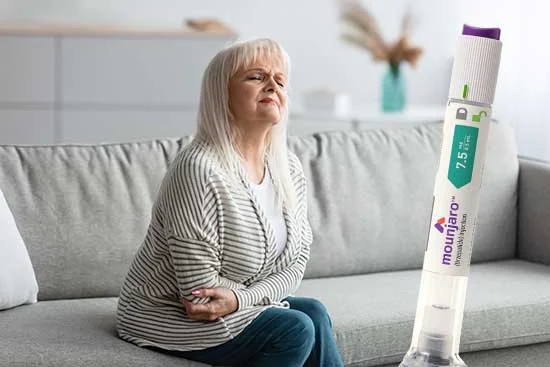
Both GLP-1 drugs can cause the following common side effects:
-
- Nausea
- Diarrhea
- Dyspepsia
- Abdominal pain
- Decreased appetite
- Vomiting
- Constipation
The intensity of these adverse reactions can vary depending on the patient’s tolerance. Clinical trials have also shown that Zepbound causes more side effects than Mounjaro. Some of the adverse reactions you may experience with Zepbound but not with Mounjaro include:
-
- Dizziness
- Hypotension or low blood pressure
- Gastroesophageal reflux disease (GERD)
- Hair Loss
- Flatulence or gas
- Eructation or burping
Zepbound may cause more side effects because it’s often prescribed at higher doses — often 10 mg to 15 mg — to support significant weight loss. Higher doses can intensify gastrointestinal reactions, such as nausea and vomiting.
Serious Risks
Although rare, Mounjaro and Zepbound can cause serious health risks that include:
-
- Acute pancreatitis
- Severe low blood sugar levels
- Hypersensitivity reactions
- Acute kidney injury
- Severe gastrointestinal adverse reactions
- Diabetes-related vision loss
- Acute gallbladder disease
Users of Mounjaro may also experience pulmonary aspiration, which happens when food, liquid, or other foreign materials accidentally enter the lungs. Meanwhile, the risk of suicidal behavior and ideation may increase among Zepbound users.
Your doctor will sit with you to go through these side effects, ensuring you understand the risks before you start treatment.
Comparing Weight Loss Results

No study directly compares these two GLP-1 drugs head-to-head regarding their effectiveness in weight loss or blood sugar reduction. The consensus is that, since Mounjaro is approved for diabetes, it should be more effective at lowering blood glucose. Conversely, Zepbound should work better for promoting weight loss. Separate studies examined how each fares against a placebo.
In clinical trials overseen by the FDA, participants with Type 2 diabetes who took 5 mg, 10 mg, and 15 mg doses of Mounjaro for 40 weeks lost 6.3 kg (13.9 lbs), 7 kg (15.4 lbs), and 7.8 kg (17.2 lbs) of their body weight, respectively. Meanwhile, those on the placebo only lost 1 kg.
The weight loss effects of Zepbound in a clinical trial that lasted 72 weeks were also significant. Below are the findings for each group.
-
- Participants with a mean body weight of 102.9 kg took 5 mg doses and lost 15% of their body weight.
- Participants with a mean body weight of 105.8 kg took 10 mg doses and lost 19.5% of their body weight.
- Those with a mean body weight of 105.6 kg took 15 mg doses and lost 20.9% of their body weight.
The average weight loss across all doses of Zepbound was approximately 19.4 kg over 72 weeks. Additionally, around 90% of people on Zepbound lost at least 5% of their weight, compared to just 34.5% on placebo.
If you’re considering Mounjaro vs. Zepbound for weight loss, the latter may be a more suitable option. Although the above studies have different timeframes, these separate studies have proven that Zepbound is more effective and safer for shedding excess pounds. However, individual results can vary according to lifestyles and co-existing conditions.
Comparing Diabetes or HbA1C Results
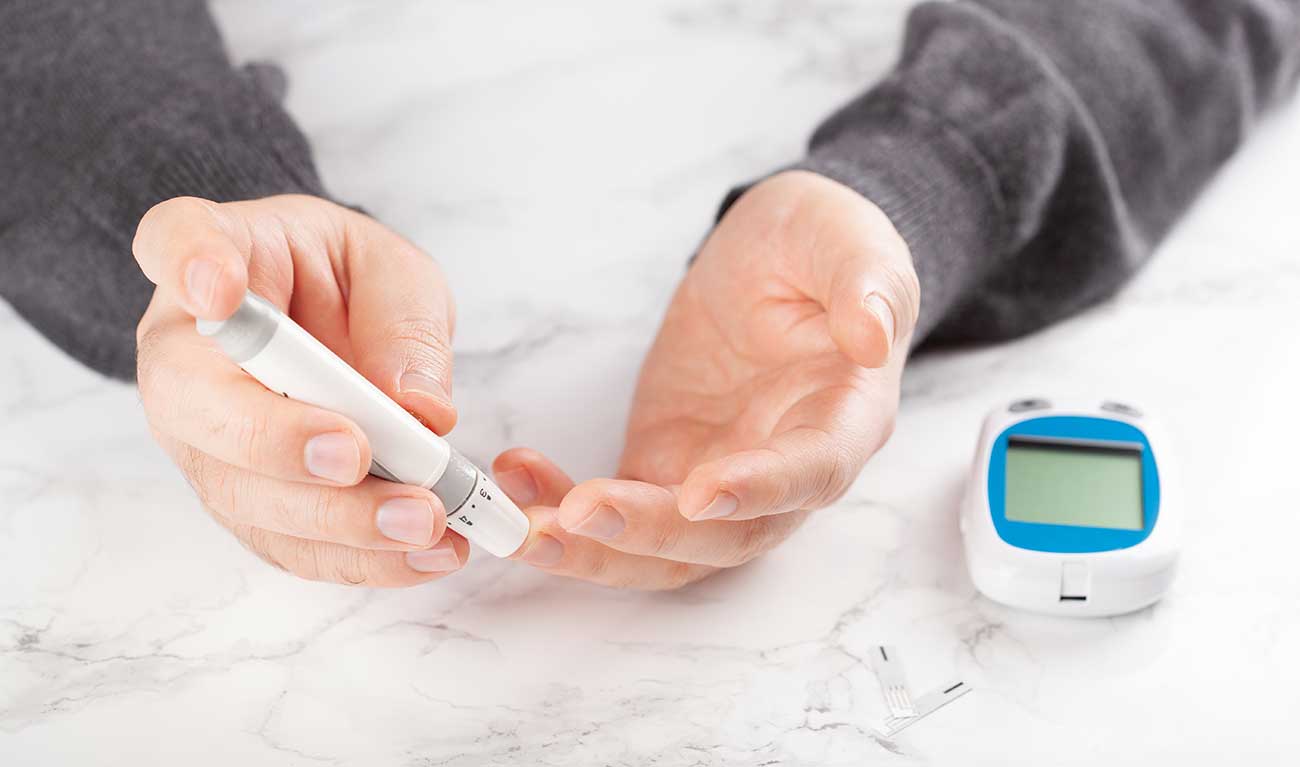
In week 40, diabetes patients on 5 mg, 10 mg, and 15 mg doses of Mounjaro reduced their HbA1c by 1.8%, 1.7%, and 1.7%, respectively. These results come from the same clinical trial mentioned earlier.
On the other hand, people who took 5 mg, 10 mg, and 15 mg doses of Zepbound reduced their blood sugar levels by 0.4% across all different dosage groups. This change is generally considered mild and not statistically significant. That’s because study participants didn’t have diabetes in the first place. They were either obese or overweight with one weight-related comorbidity, such as hypertension and heart disease. Those with diabetes were excluded from the study.
When comparing Mounjaro vs. Zepbound for diabetes, Mounjaro is a better pick, which is a valid choice since it’s approved for treating Type 2 diabetes.
Insurance Coverage and Cost
Before beginning treatment, you must consider the cost difference between Mounjaro and Zepbound to determine which is more financially sustainable for you.
These popular medications can be expensive for people paying out of pocket. In the U.S., the average cost of Mounjaro without insurance is $1,200 per month. Strategies like patient assistance programs, discount cards, or manufacturer coupons can help lower its cost. Zepbound’s price is also in the same range. It costs $1,118 per month without insurance.
Another strategy to reduce your monthly medication expenses — especially if you’re struggling to pay for your injections or your insurance doesn’t cover them — is purchasing them from Canadian online platforms like Buy Canadian Insulin.
Buy Canadian Insulin has helped thousands of Americans save up to 90% on their prescriptions. You can purchase a Mounjaro Kwikpen from $499.97 and a single vial for $158.99 instead of $1,200. Other antidiabetic medications are priced at least 50% lower than their average retail cost in the U.S.
Drug Interactions and Warnings
Mounjaro and Zepbound may cause interactions. Here are some key points you should remember before using them
-
- Both delay gastric emptying, which can affect the effectiveness of your other oral medications.
- They’re not recommended for use during pregnancy.
- They’re not recommended for people with a history of medullary thyroid carcinoma (MTC) or multiple endocrine neoplasia syndrome type 2 (MEN 2).
Mounjaro and Zepbound may reduce how much of your oral pills are absorbed by the body. To prevent unexpected side effects, make sure you let your doctor know all the medications you’re currently taking so they can adjust your treatment plan.
Alternatives Drugs

Recent drug shortage problems have pushed some healthcare providers to explore alternatives. If Mounjaro or Zepbound isn’t available or your insurance doesn’t cover them, your doctor may recommend one of the following alternatives:
-
- Ozempic: A GLP-1 drug that contains semaglutide and is approved for diabetes. It causes rapid weight loss.
- Wegovy: Another GLP-1 drug containing semaglutide, specifically approved for chronic weight management.
- Rybelsus: The first oral semaglutide approved for Type 2 diabetes. It also promotes weight loss.
Zepbound vs Mounjaro: Which One Should You Choose?
Both Mounjaro and Zepbound contain tirzepatide but are approved for different uses. Mounjaro is prescribed for Type 2 diabetes, while Zepbound is recommended for weight loss.
If your health goal is to lower blood sugar levels, Mounjaro might be a better solution. For slimming down, Zepbound may be a more suitable fit. Always talk to your doctor to find the best medication that meets your needs.
Frequently Asked Questions
Articles you may also be interested in


Original Publish Date: 1/10/2024 – Updated 6/26/2025


