Metformin is one of the earliest treatment modalities developed to treat type 2 diabetes, alongside insulin and sulfonylureas. After metformin was discovered and developed in the 1950s-60s, it quickly became a main treatment option to help lower blood sugars. To this day, it remains the initial option for the treatment of type 2 diabetes. With newer therapies that result in greater body weight reduction, which is sometimes the primary goal of therapy, choosing medications that promote weight loss and lower glucose may be more ideal. Therefore, an alternative for metformin may be necessary in some circumstances.
What Does Metformin Do for You?
Metformin belongs to a class of medications called biguanides, which is not only FDA-approved to treat type 2 diabetes but is also used off-label for antipsychotic-induced weight gain, gestational diabetes, and polycystic ovary syndrome (PCOS). Metformin’s major impact on type 2 diabetes is related to its effect on the production of glucose in the liver. By blocking the production of glucose in the liver, it reduces overall blood glucose. It also lowers the amount of glucose absorbed in the stomach and improves how well the body uses insulin.
Based on available data, metformin has been shown to improve additional cardiovascular risk markers, including body weight, lipid profiles, insulin resistance, and new-onset diabetes. Metformin can provide a low-cost, effective option for those struggling to keep their blood sugars under control, given its general tolerability and long-term safety profile. Some individuals do experience side effects with metformin therapy, especially with the immediate-release (IR) formulation, that leads them into looking into an alternative for metformin.
What Are the Side Effects of Metformin?
Gastrointestinal
Gastrointestinal side effects are most common, especially with the immediate-release (IR) formulation, which are usually mild and reversible with dose adjustments or stopping the medication. These possible gastrointestinal side effects include:
- Metallic taste in the mouth
- Nausea
- Abdominal discomfort
- Soft bowel movements or diarrhea
Taking metformin with food can help reduce the intensity of gastrointestinal side effects. Approximately 5-8% of patients taking metformin in clinical trials stopped the medication due to these types of side effects.
Vitamin B12 Deficiency
Because metformin affects the absorption of Vitamin B12 in the stomach, it may lead to vitamin B12 deficiency. Chronic vitamin B12 deficiency can lead to feeling tired or weak and increases the risk of anemia. The dose of metformin and the length of therapy impact the risk of vitamin B12 deficiency. If you are taking metformin, talk to your doctor about checking your vitamin B12 level regularly.
Lactic Acidosis
Lactic acidosis is a rare but serious medical condition caused by a buildup of lactate, which can cause blood that is too acidic. Metformin interferes with an enzyme, ultimately leading to lactic acid buildup. However, as more data have been published, research shows that the risk of lactic acidosis associated with metformin is extremely rare.

How Long Before Metformin Works
Individuals starting metformin should begin to notice changes in their blood sugars within a few days, but it may take up to two weeks to notice the full effects of the medication. In terms of weight loss and cardiovascular effects, it may take weeks to months to see positive outcomes. When metformin was studied over a 52-week period, patients lost an average of 6.4 lbs.
Why Consider a Metformin Alternative
Although metformin is a low-cost, effective medication for the treatment of type 2 diabetes, there are many reasons why someone may consider an alternative for metformin. Side effects, lack of diabetes control despite metformin therapy, and contraindications may be reasons to consider an alternative for metformin.
Side Effects That Disrupt Daily Life
While most patients tolerate metformin, some may experience side effects like nausea and diarrhea. The extended-release formulation of metformin may improve these symptoms, but if not, these symptoms may cause major disruptions in your daily routine, affecting your quality of life and adherence to the medication. In these cases, it may be best to explore an alternative for metformin.
Blood Sugar Still Too High
Although metformin is effective for blood sugar control, you may not see your A1c improve enough with metformin alone, even at the highest doses. If metformin is no longer keeping your blood sugars under control, particularly alongside lifestyle efforts, it may be time to add a medication or find an alternative for metformin.
When Metformin Isn’t Safe to Use
Certain health conditions make metformin potentially risky. In these cases, your doctor may choose to avoid metformin altogether:
- Impaired kidney function (eGFR < 30 mL/min)
- Severe liver disease
- Active alcohol abuse
- Unstable or acute heart failure
- Past history of lactic acidosis during metformin therapy
These scenarios raise the risk of rare but serious complications, like lactic acidosis, prompting clinicians to consider safer alternatives.
Articles you may also be interested in
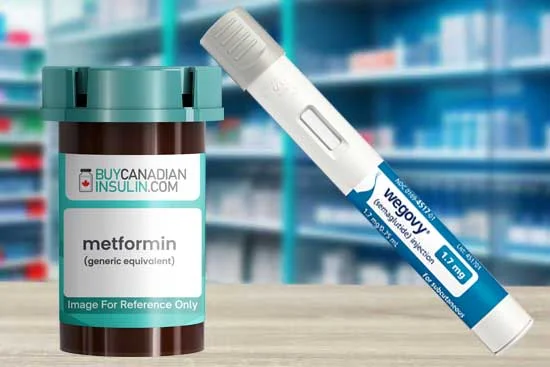

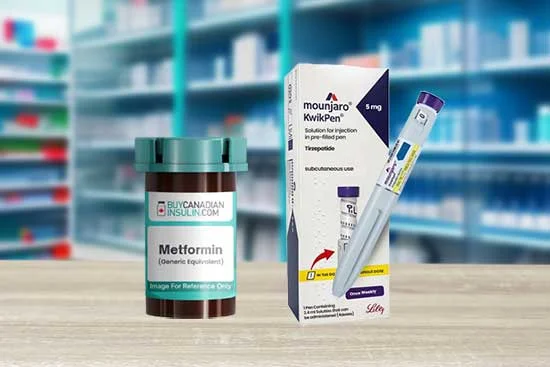

Prescription Alternatives for Metformin
When metformin isn’t an option, other prescription medications can help lower blood sugar through different mechanisms. These alternatives may increase insulin secretion, improve insulin sensitivity, reduce glucose absorption, or help the body excrete excess sugar through the urine.
GLP-1 Receptor Agonists
These drugs mimic incretin hormones like GLP-1 (and GIP, in the case of Mounjaro) that are naturally released after eating. They stimulate insulin release, delay stomach emptying, and reduce appetite.
Examples:
- Trulicity (dulaglutide) – weekly injection
- Victoza (liraglutide) – daily injection
- Ozempic (semaglutide) – weekly injection
- Rybelsus (oral semaglutide) – daily tablet
- Mounjaro (tirzepatide) – weekly injection; targets both GIP and GLP-1
Good to know:
- Helps with weight loss
- Low risk of hypoglycemia when used alone
- May improve blood pressure and cholesterol
- Nausea is common, especially at the start
- Mounjaro and Ozempic often lead to greater A1C and weight reductions
SGLT2 Inhibitors
These medications block the sodium-glucose co-transporter 2 in the kidneys, causing excess glucose to be excreted in the urine, which can benefit heart and kidney health.
Examples:
- Jardiance (empagliflozin)
- Farxiga (dapagliflozin)
- Invokana (canagliflozin)
Good to know:
- Oral, taken once daily
- Can reduce heart failure hospitalizations and protect kidney function
- Modest weight loss and blood pressure benefit
- May increase the risk of urinary tract infections and genital yeast infections Can cause dehydration if not well hydrated
DPP-4 Inhibitors
These drugs prevent the breakdown of natural GLP-1, boosting its effects on insulin secretion and glucose control after meals.
Examples:
- Januvia (sitagliptin)
- Onglyza (saxagliptin)
- Tradjenta (linagliptin)
- Nesina (alogliptin)
Good to know:
- Oral, once daily
- Generally weight-neutral
- Low risk of hypoglycemia
- Modest A1C reduction
- Well tolerated, but less potent than GLP-1 agonists
Sulfonylureas
These older medications increase insulin release from the pancreas, regardless of blood sugar level. Because of this, they have a higher risk of hypoglycemia (low blood sugar). Sulfolyureas may become less effective over time and are generally avoided in older adults.
Examples:
- Glipizide
- Glyburide
- Glimepiride
Good to know:
- Inexpensive and widely available
- Can cause low blood sugar, especially in older adults or those with irregular meals
- May lead to weight gain
- Usually taken once or twice daily with meals
- Declining in use due to hypoglycemia risk
Thiazolidinediones (TZDs)
TZDs activate a specific receptor (PPAR-gamma), which improves insulin sensitivity in adipose (fat) tissue, muscle, and the liver. This results in better glucose uptake without increasing insulin secretion.
Examples:
- Actos (pioglitazone)
Good to know:
- Oral, once daily
- May help with fatty liver disease
- Can cause weight gain and fluid retention
- Should be avoided in people with heart failure
- Requires several weeks for full effect
Natural Alternatives for Metformin
Natural medicines that are considered herbs and supplements are not regulated by the FDA, as they are considered foods. Therefore, the following natural alternatives for metformin have not been FDA-approved to help lower blood sugars in those with diabetes.
Berberine
With similar mechanisms to metformin, berberine has been increasingly used as an alternative for metformin. It is found in plants and has some evidence to suggest it may help lower blood sugar, in addition to cholesterol and blood pressure.
Curcumin
Found in the well-known spice turmeric, curcumin is thought to help improve insulin resistance through a reduction in inflammation. A study published in 2021 evaluated the effects of curcumin on diabetes and found that it may reduced fasting blood sugars.
Cinnamon
Cinnamon is another common spice that has mixed evidence for its impact on blood sugars. Similar to Curcumin, it is thought that the potential effects are related to a reduction of inflammation.

What Are the Risks of Metformin and Its Alternatives?
Every medication has potential trade-offs, and metformin and its alternatives have their own risk profiles. While metformin is generally safe, it may cause gastrointestinal issues, long-term vitamin B12 deficiency, or, rarely, lactic acidosis in high-risk individuals. Other prescription alternatives carry their own considerations:
- GLP-1 receptor agonists may cause nausea, vomiting, or gallbladder issues, and are typically more expensive.
- SGLT2 inhibitors can lead to urinary tract infections, genital yeast infections, or, rarely, diabetic ketoacidosis even with normal blood sugars.
- DPP-4 inhibitors are well tolerated but have been linked to rare cases of joint pain or pancreatitis.
- Sulfonylureas increase the risk of low blood sugar and weight gain, especially in older adults.
- TZDs (like Actos) may cause fluid retention, weight gain, and increased fracture risk in postmenopausal women.
It’s important to work with your provider to weigh the benefits and risks of each option based on your health history, goals, and lifestyle.
Choosing the Right Diabetes Medication for Type 2 Diabetes
Finding the right diabetes treatment is not a one-size-fits-all approach. Your decision may depend on several factors, including:
- Your blood sugar levels and A1C goals
- Weight loss as a treatment goal
- Kidney or heart conditions
- Medication side effect profiles
- Budget and insurance coverage
- Personal preferences (oral vs. injection)
For instance, a GLP-1 receptor agonist like Ozempic or Mounjaro may be more appealing if you’re focused on weight loss. If you prefer oral medications and have kidney concerns, an SGLT2 inhibitor like Farxiga may be prioritized. And if cost is the biggest barrier, older medications like sulfonylureas or extended-release (ER) metformin might be sufficient.
Final Thoughts on Metformin Alternatives
While metformin remains a trusted and foundational treatment for type 2 diabetes, it isn’t always the right fit for everyone. Many people explore other prescription options, or natural supplements, with good results, whether due to side effects, lack of efficacy, or medical contraindications.
The key is finding a treatment that aligns with your blood sugar goals, overall health, and lifestyle. With the growing list of available therapies, you have options. With ongoing medical support, it’s possible to manage type 2 diabetes effectively, even without metformin.
Frequently Asked Questions