If you’re not losing weight on Mounjaro, you’re likely feeling frustrated and wondering what’s going wrong. You’re not alone in this experience, and there are several reasons why your weight loss journey might not be progressing as expected.
Many people start Mounjaro with high hopes, expecting rapid results similar to what they’ve heard from others. The reality is that weight loss with this medication varies significantly from person to person, and what works quickly for one individual might take longer for another.
Figuring out why Mounjaro isn’t working for you is crucial for getting back on track with your doctor. Your results depend on everything from your body chemistry to what you eat each day.
How Mounjaro Works for Weight Loss

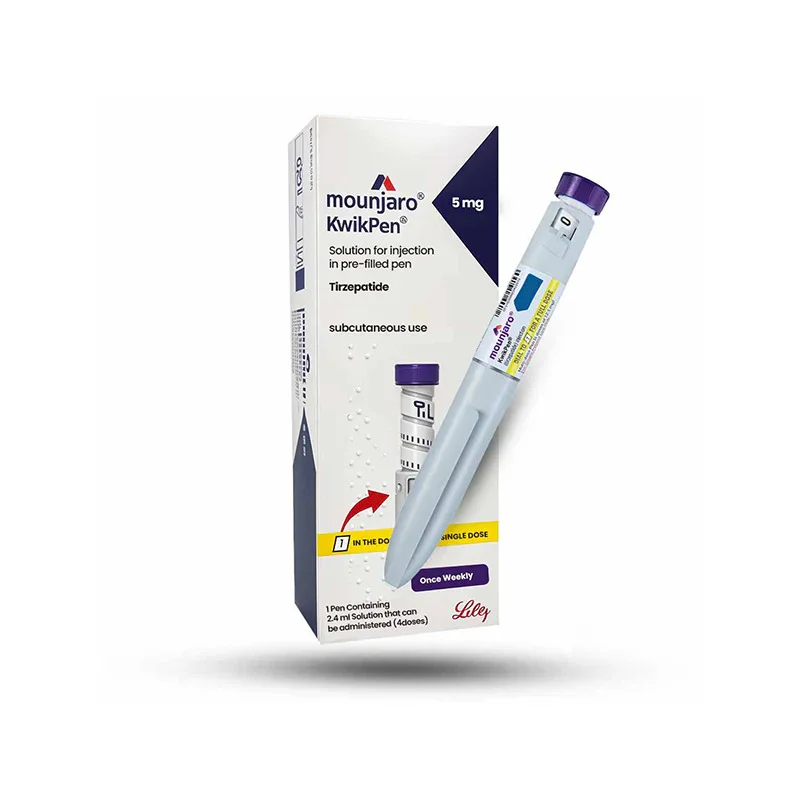
Mounjaro contains tirzepatide, a medication that targets two important hormone systems in your body. Unlike other weight loss medications that only work on one pathway, tirzepatide activates both GLP-1 (glucagon-like peptide-1) and GIP (glucose-dependent insulinotropic polypeptide) receptors.
When you take Mounjaro, it mimics hormones your body naturally produces after eating. This dual action creates several effects that support weight loss:
Most people begin to notice weight loss within 8 to 12 weeks of starting Mounjaro. Clinical studies have shown that, when combined with a reduced-calorie diet and increased physical activity, tirzepatide can result in an average weight loss of 15% or more of initial body weight over 72 weeks, though individual results may vary and smaller percentages may be seen at earlier stages.
Why Am I Not Losing Weight on Mounjaro?
If you’re asking, “Why am I not losing weight on tirzepatide?” the answer usually comes down to timing, dosing, or lifestyle factors. Here are the most common reasons people don’t see the weight loss they expect:
1. Inadequate Dosage or Insufficient Time
You may not have reached your optimal Mounjaro dose yet. When you begin treatment, you start with a low dose — typically 2.5 mg — and gradually increase over several weeks or months. The process looks like this:
-
- Starting dose: 2.5 mg for the first 4 weeks
- Escalation schedule: Increase by 2.5 mg every 4 weeks as tolerated
- Maximum dose: Up to 15 mg, depending on your response and side effects
If you’re currently on 5 mg or 7.5 mg and wondering, “Why isn’t Mounjaro working for me?” you may simply need more time to reach your maintenance dose. Additionally, real-world data show that 75% of tirzepatide patients required doses of 10 mg or higher, with a median persistence of only 10.7 months, despite achieving 14.4% weight loss among those who remained on therapy for twelve months.
2. Diet and Lifestyle Factors
Mounjaro helps reduce appetite, but it doesn’t automatically create weight loss if you’re still consuming too many calories. You still need to maintain a calorie deficit — consuming fewer calories than your body uses.
Foods that support weight loss on Mounjaro:
-
- Lean proteins like chicken, fish, and tofu
- Non-starchy vegetables such as broccoli, spinach, and peppers
- Whole grains including quinoa and brown rice
- Healthy fats from sources like avocado and olive oil
Foods that can slow progress:
-
- Sugary drinks and processed snacks
- Fried and high-fat foods
- Refined carbohydrates like white bread and pasta
3. Individual Biological Differences
Your genetics, metabolism, and overall health significantly influence how you respond to Mounjaro. Some people are “non-responders” who don’t lose substantial weight despite proper use. Clinical trials show considerable individual variation in weight loss results, which explains why minimal weight loss occurs with Mounjaro for some patients.
Interestingly, research shows that even people who were thought to be resistant to weight loss because they carry the melanocortin 4 receptor (MC4R) — the gene associated with obesity — still responded well to tirzepatide, although results varied between carriers (18.3%) and non-carriers (19.9%).
When Mounjaro Stops Working
Some people experience initial weight loss success with Mounjaro but later find their progress slows or stops. This is often due to metabolic adaptation, where the body becomes more efficient at conserving energy, though reduced responsiveness to medication over time can also occur.

Normal Weight Loss Plateaus
Weight loss plateaus are a natural part of any weight loss journey. Your body adjusts to its new, lower weight by:
-
- Slowing metabolism: Your body burns fewer calories at rest.
- Increasing efficiency: You use energy more efficiently during daily activities.
- Hormonal changes: Hunger and satiety hormones shift to protect against further weight loss.
If you’ve stopped losing weight on Mounjaro or haven’t lost weight in two weeks, this doesn’t necessarily mean the medication has stopped working. Plateaus can last several weeks before weight loss resumes.
Metabolic Adaptation
As you lose weight, your metabolism naturally slows through a process called metabolic adaptation. This means your body requires fewer calories to maintain its current weight, making continued weight loss more challenging. Because of this, it may feel like tirzepatide has stopped working, when in reality the medication is still effective — you may just need to adjust your diet or activity to continue seeing progress.
Medical Conditions Affecting Effectiveness
Several health conditions can interfere with Mounjaro’s weight loss effects, even when you’re taking the medication correctly.
Common conditions that can slow weight loss:
-
- Thyroid disorders: Hypothyroidism significantly slows metabolism.
- Insulin resistance: It makes it harder for your body to use stored energy.
- PCOS: It affects hormones that regulate weight and metabolism.
- Sleep disorders: Poor sleep disrupts hunger and satiety hormones.
Certain medications can also counteract weight loss efforts. Corticosteroids, some antidepressants, and specific blood pressure medications may promote weight gain or make losing weight more difficult.
Alternative Treatment Options
If Mounjaro is still not working after giving the medication adequate time at appropriate doses, switching to a different weight loss medication might help.
Wegovy (semaglutide) activates only GLP-1 receptors rather than the dual GLP-1/GIP approach that Mounjaro uses. Some people who don’t respond well to tirzepatide find better results with semaglutide.
Zepbound contains the same active ingredient as Mounjaro (tirzepatide) but is specifically FDA-approved for chronic weight management rather than diabetes treatment. The prescribing approach may differ slightly.
Your healthcare provider can help determine if switching medications makes sense based on your current dose, how long you’ve been on Mounjaro, and your overall health status. Individual responses to these medications vary significantly, so what doesn’t work for you might work better in a different formulation or approach.
Articles you may also be interested in




Managing Long-Term Treatment With Buy Canadian Insulin
If you’re considering Mounjaro, you’ve probably already discovered that paying for this medication can hit your wallet hard. When you’re budgeting for your health, the monthly costs can feel overwhelming — especially when insurance typically won’t cover Mounjaro for weight loss purposes.
Most insurance plans don’t cover Mounjaro for weight loss because the FDA originally approved it specifically for treating type 2 diabetes. If you don’t have diabetes, you’ll likely be paying out of pocket, which can reach hundreds of dollars per month.
You don’t have to pay full price for your treatment. Buy Canadian Insulin offers Mounjaro at prices that can be 40%-60% lower than what you’d pay at U.S. pharmacies. These savings matter — especially since you’ll likely need to stay on Mounjaro long-term to keep the weight off.
Here’s how to keep costs down: partner with licensed Canadian pharmacies that maintain strict safety standards but charge much less than their American counterparts. Order Mounjaro online at discounted prices to help you stay consistent with your treatment plan without the financial stress that often forces people to discontinue effective medications.
Remember that Mounjaro typically requires long-term use to maintain weight loss. Studies show that stopping Mounjaro often leads to weight regain, which makes finding an affordable, sustainable source particularly important for your long-term success.
Frequently Asked Questions