
Are you trying to choose between Phentermine and Saxenda for your weight loss journey? Both medications are popular and effective, but they work in very different ways and are suited to different types of users. Phentermine, approved in 1959, is known for delivering rapid, short-term weight loss by curbing your appetite through central nervous system stimulation. It’s a favorite for those looking to shed pounds quickly, especially because of its affordability.
On the other hand, Saxenda, FDA-approved in 2014, offers a more gradual and sustainable approach to weight management by mimicking a hormone that regulates appetite. While it comes with a higher price tag, Saxenda is highly valued for its effectiveness in managing chronic obesity, particularly in individuals with related health conditions.
In this article, you’ll discover the key differences between Phentermine and Saxenda, including their mechanisms, effectiveness, side effects, and costs, helping you make the best decision for your weight loss goals.
Phentermine vs Saxenda
| Category | Phentermine | Saxenda |
| Drug Class | Anorectic (Appetite Suppressant), CNS Stimulant | Glucagon-Like Peptide-1 (GLP-1) Receptor Agonist |
| Indications and Uses | Short-term weight management in obese or overweight individuals | Chronic weight management in adults with a BMI of 30 or higher, or 27 or higher with related conditions |
| Limitations of Use | Typically used for a few weeks; not recommended for long-term use due to potential for dependency. | Not indicated for the treatment of type 2 diabetes, not for use in combination with other GLP-1 receptor agonists or weight-loss products |
| Age Approval | Approved for use in adults and adolescents aged 16 and older | Approved for use in adults, and adolescents aged 12 and older |
| Dosage and Administration | Oral tablets or capsules, typically once daily in the morning | Subcutaneous injection, once daily |
| Forms and Strengths | Oral tablets 37.5 mg | Pre-filled injectable pens (18 mg/3 mL solution) |
| Warnings and Precautions | Risk of addiction, cardiovascular issues, potential for abuse | Risk of thyroid tumors, pancreatitis, gallbladder problems, and increased heart rate |
| Contraindications | History of cardiovascular disease, hyperthyroidism, glaucoma, pregnancy, or drug abuse | Personal or family history of medullary thyroid carcinoma or multiple endocrine neoplasia syndrome type 2 (MEN 2) |
| Average US Price | Approximately $10-30 per month for generic forms | Without insurance, Saxenda can range from $1,590 to $1,652 |
| Our Price | Currently Unavailable | $515 for 5 pens |

What Is Phentermine and How Does It Work?
Phentermine is a prescription medication primarily used as a short-term treatment for obesity. It works by suppressing appetite, which helps reduce food intake. Phentermine achieves this by stimulating the release of certain neurotransmitters in the brain, such as norepinephrine, which signals a fight-or-flight response, reducing hunger.
Phentermine is typically prescribed for individuals with a body mass index (BMI) of 30 or higher, or 27 or higher with weight-related conditions such as hypertension or diabetes. It is usually taken once a day, either before breakfast or 1-2 hours after breakfast. The medication is intended for up to 12 weeks, as its effectiveness tends to decrease with prolonged use, and the risk of side effects may increase.

What Is Saxenda and How Does It Work?
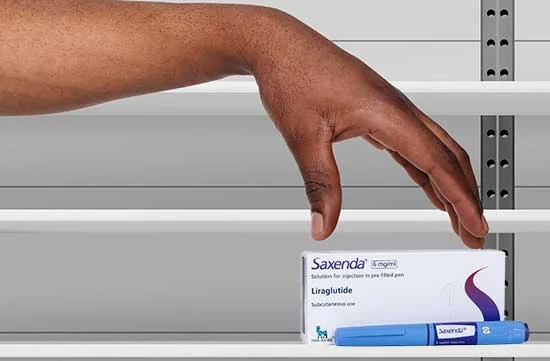
Saxenda is an injectable prescription medication used for chronic weight management in adults with a BMI of 30 or higher or 27 or higher and at least one weight-related condition. Its active ingredient is liraglutide, a GLP-1 receptor agonist. It mimics a hormone in the body that helps regulate appetite and food intake.
Saxenda works by slowing down stomach emptying, making you feel full for a longer time. It also affects areas of the brain that control hunger, leading to reduced calorie intake. Unlike Phentermine, Saxenda is intended for long-term use and is typically taken once daily, regardless of meals. Additionally, Saxenda is most effective when used alongside a reduced-calorie diet and increased physical activity.
How Do Phentermine and Saxenda Differ in Terms of Effectiveness?
Clinical trials have demonstrated that Phentermine can lead to a 5-10% reduction in body weight over a 12-week period, making it highly effective for short-term weight loss. For example, a study found that 50% of participants taking the maximum daily dose of Phentermine lost at least 10% of their baseline body weight within three months. However, the effects of Phentermine tend to plateau after this period, and prolonged use is not recommended due to potential side effects and the risk of developing tolerance.
On the other hand, Saxenda is effective for long-term weight management. In a year-long clinical trial, approximately 33% of patients using Saxenda lost more than 10% of their body weight, compared to only 10.6% in the placebo group. Saxenda’s gradual weight loss is considered more sustainable over the long term, particularly for individuals with obesity-related health issues. However, its use requires daily injections, and the cost is significantly higher than Phentermine.
What Are the Side Effects of Phentermine and Saxenda?
Phentermine and Saxenda, like all medications, come with potential side effects that can impact patient compliance and overall experience.
Phentermine
Common side effects of Phentermine include:
- Dry mouth
- Insomnia
- Constipation
- Increased heart rate
- Restlessness
- Dizziness
- Anxiety
Serious side effects of Phentermine include:
- Elevated blood pressure
- Shortness of breath
- Chest pain
- Severe headache
- Uncontrolled shaking of a part of the body
- Heart palpitations
- Potential for dependency or abuse
Saxenda
Common side effects of Saxenda include:
- Nausea
- Diarrhea
- Constipation
- Low blood sugar (hypoglycemia)
- Fatigue
- Vomiting
- Loss of appetite
Serious side effects of Saxenda include:
- Pancreatitis (inflammation of the pancreas)
- Gallbladder disease (e.g., gallstones)
- Kidney problems (including kidney failure)
- Increased heart rate
- Suicidal thoughts or behaviors
- Thyroid tumors (including cancer)
Phentermine’s side effects are primarily related to its stimulant properties, which can lead to cardiovascular concerns like increased heart rate and blood pressure. These side effects may cause some patients to discontinue use, especially if they have pre-existing heart conditions. Additionally, the potential for insomnia and nervousness can also impact daily life, leading to non-compliance.
Saxenda’s side effects are mostly gastrointestinal, such as nausea and vomiting, which are often temporary but can be severe enough to deter continued use. The fatigue and dizziness associated with Saxenda may also affect compliance, particularly in those who experience significant discomfort. However, because Saxenda is intended for long-term use, patients are often advised to persist through the initial side effects, as they tend to diminish over time.
What Are the Warnings for Phentermine and Saxenda?
When considering Phentermine or Saxenda for weight loss, it’s crucial to be aware of the specific warnings associated with each medication. These warnings highlight potential risks, contraindications, and conditions that require careful monitoring. Understanding these warnings can help ensure that the use of these medications is safe and effective.
Phentermine Warnings
Phentermine is a potent appetite suppressant, but it is not suitable for everyone. The following warnings are critical for potential users:
Addiction and Abuse Potential
Phentermine is classified as a Schedule IV controlled substance, meaning it carries a risk of addiction and abuse. Patients with a history of substance abuse should be closely monitored, and the medication must be used strictly as prescribed.
As Dr. Brian Yeung, a naturopathic doctor, highlights, “Phentermine is considered an amphetamine-like stimulant. Amphetamine stimulants have a long history of having addictive qualities, and being on amphetamines for a long period can increase one’s dependence and cravings to continually use it.”

Cardiovascular Risks
Phentermine can significantly increase blood pressure and heart rate, which may lead to severe cardiovascular events, especially in individuals with pre-existing heart conditions. Patients with hypertension, heart disease, or arrhythmias should use Phentermine with caution, and regular monitoring is essential.
As Dr. Yeung advises, “You should be regularly screened by your clinician to check your heart rate and blood pressure, to make sure phentermine isn’t going to cause more serious cardiovascular issues down the road.”
Contraindications with Certain Medications
Phentermine should not be used in combination with other weight loss medications or stimulants. Additionally, it should not be taken alongside monoamine oxidase inhibitors (MAOIs) or within 14 days of stopping such treatment due to the risk of hypertensive crisis.
Mental Health Concerns
Phentermine can exacerbate conditions such as anxiety, depression, and other mental health disorders. It may cause mood swings, nervousness, or insomnia. Patients with a history of mental health issues should be particularly cautious.
Dr. Yeung mentions, “It can worsen anxiety in some people, so those with anxiety or mood disorders need to let their doctor know to see if it’s appropriate for them to use.”
Saxenda Warnings
Saxenda also comes with several important warnings. These are primarily related to its effects on various organ systems and potential interactions with other conditions:
Thyroid Tumors and Cancer Risk
Liraglutide, the active ingredient in Saxenda, has been associated with an increased risk of thyroid C-cell tumors in animal studies. Although it is unclear if this risk applies to humans, Saxenda is not recommended for patients with a personal or family history of medullary thyroid carcinoma or multiple endocrine neoplasia syndrome type 2.
As Dr. Dan, a pharmacist turned obesity expert, noted, “These drugs really don’t increase the risk of thyroid cancer in particular. However, always talk to your doctor first before starting these because there is the Black Box warning.”
Pancreatitis
Saxenda may increase the risk of developing pancreatitis, a potentially life-threatening inflammation of the pancreas. Symptoms of pancreatitis include severe abdominal pain, nausea, and vomiting. It’s crucial to seek immediate medical attention if these symptoms occur. Dr. Dan also highlighted that while pancreatitis did occur more frequently in the Saxenda group during clinical trials, it was often linked to gallbladder issues, such as gallstones, which can irritate the pancreas.
Gallbladder Problems
The use of Saxenda has been linked to gallbladder issues, including gallstones and inflammation. This risk appears to be higher in individuals experiencing rapid weight loss, which is why monitoring is crucial during treatment.
Dr. Dan also explains, “Some people got pancreatitis, but it looks like it was primarily linked to their gallbladder being irritated, which ultimately pisses off the pancreas and can lead to pancreatitis.”
Kidney Impairment
Saxenda has been reported to cause or worsen kidney problems, including acute kidney injury. Patients with existing kidney conditions should use this medication with caution and under close supervision. Regular monitoring of kidney function is advised to prevent any adverse effects.
Hypoglycemia Risk
Saxenda may increase the risk of low blood sugar (hypoglycemia), particularly in patients with type 2 diabetes who are also using insulin or other diabetes medications. It’s essential to monitor blood sugar levels closely during treatment to avoid potentially dangerous drops in blood glucose.
Can You Take Phentermine and Saxenda Together?
The FDA does not recommend taking Phentermine and Saxenda together. Both medications are approved for weight loss but work through different mechanisms and have their own risk profiles. Combining these medications has not been extensively studied and could increase the risk of adverse effects.
Combining Phentermine, a stimulant that increases heart rate and blood pressure, with Saxenda, which also has the potential to increase heart rate, may lead to significant cardiovascular risks. Additionally, using both drugs could amplify side effects like nausea, insomnia, and mood changes. There is also the concern of overlapping drug interactions that could lead to severe complications, such as heightened blood pressure, severe gastrointestinal issues, or even serious conditions like pancreatitis or heart valve disorders.
Can You Switch between Phentermine and Saxenda?
Yes, it is possible to switch between Phentermine and Saxenda. Switching from one medication to another involves careful consideration of dosage, timing, and monitoring for side effects. If a doctor determines that switching is appropriate, they will typically advise a gradual transition. For example, if you are moving from Phentermine to Saxenda, you may need to discontinue Phentermine and wait a few days before starting Saxenda to reduce the risk of adverse interactions. The doctor may start you on a low dose of Saxenda and gradually increase it to the full therapeutic dose to minimize side effects. It’s important to follow the doctor’s instructions closely during the transition period to ensure safety and efficacy.?
Which Is More Affordable: Phentermine or Saxenda?
Phentermine is generally much more affordable than Saxenda. It is available in generic forms, and prices typically range from $10 to $30 for a month’s supply without insurance. On the other hand, Saxenda is significantly more expensive, with a month’s supply costing around $1,590 to $1,652 without insurance.
Insurance coverage for both medications varies. Phentermine, being an older and less expensive medication, is more likely to be covered by insurance, especially in its generic form. Saxenda, due to its higher cost and status as a newer, brand-name drug, may not be covered by all insurance plans, and patients often need to meet specific criteria related to BMI and weight-related conditions to qualify for coverage.
Phentermine is available in several generic versions, making it a more accessible option for many people. Saxenda, however, is only available as a brand-name medication, meaning no lower-cost generic alternatives are currently available.
Key Takeaways
If you’re considering Saxenda for long-term weight management, it’s important to know where to find the best prices. At BuyCanadianInsulin.com, you can purchase Saxenda for just $515 for a pack of 5 pens—significantly less than the typical US price. Visit BuyCanadianInsulin.com to learn more and place your order today.
Conclusion
Phentermine and Saxenda each offer unique benefits for weight loss, depending on your individual needs. Phentermine is ideal for those seeking rapid, short-term results at a lower cost, while Saxenda provides a sustainable, long-term solution for managing chronic obesity, especially in individuals with related health conditions. When choosing between these medications, it’s important to consider factors such as your weight loss goals, health status, potential side effects, and budget. By understanding the distinct mechanisms, usage guidelines, and effectiveness of Phentermine and Saxenda, you can make a well-informed decision that aligns with your weight loss strategy.
Frequently Asked Questions
Articles you may also be interested in



Sources
Ha, J., Yu, J., Lee, J., & Kim, H.-S. (2020). Development and application of a machine learning model for prediction of medication adherence in hypertension patients. Clinical Psychopharmacology and Neuroscience, 18(4), 641-649. https://www.e-jcpp.org/journal/view.php?number=61
Márquez-Cruz, M., Kammar-García, A., Huerta-Cruz, J. C., Carrasco-Portugal, M. del C., Barranco-Garduño, L. M., Rodríguez-Silverio, J., Rocha González, H. I., & Reyes-García, J. G. (2021). Comorbidities and risk of mortality in patients with COVID-19. Journal of Translational Medicine, 19, 344. https://www.ncbi.nlm.nih.gov/pmc/articles/PMC8295716/
U.S. National Library of Medicine. (n.d.). Saxenda (liraglutide) injection, solution. DailyMed. https://dailymed.nlm.nih.gov/dailymed/drugInfo.cfm?setid=d1d74574-9ebc-45fc-86e9-8cbd59acacd4
U.S. Food and Drug Administration. (2023). Saxenda (liraglutide) injection, for subcutaneous use. https://www.accessdata.fda.gov/drugsatfda_docs/label/2023/206321s016lbl.pdf


