
According to the Office on Women’s Health, an estimated 27 million American women have prediabetes. Prediabetes in pregnancy is a condition that happens when a woman has elevated blood sugar levels. The difference is that these levels are below the range that is considered diabetic, so this condition is a warning of type 2 diabetes.
For women, contributing factors to prediabetes include impaired hormonal levels, lifestyle, eating habits, and underlying health issues. Prediabetes during pregnancy is also a common cause of complications during pregnancy and childbirth.
The good news is that prediabetes is a reversible condition with the right lifestyle changes.
If you are pre-diabetic or suspect that you might be, find out more about this condition – its causes, symptoms, and treatment!
More About Prediabetes in Women
In women, prediabetes is especially important to monitor due to its frequent association with other health issues like Polycystic Ovary Syndrome (PCOS) and gestational diabetes.
These conditions contribute to increased insulin resistance, increasing the risk of developing type 2 diabetes. Also, hormonal changes throughout the menstrual cycle, pregnancy, and menopause can further disrupt blood sugar regulation.
According to the Care Management Institute Physician Lead for Total Health, without proactive management, approximately 37% of people with prediabetes will develop diabetes within four years. This shows the critical need for early detection and lifestyle interventions, such as adopting a healthier diet and engaging in regular physical activity, to reduce the risk of progression.
Insulin resistance is a key contributor to prediabetes. The biggest factor that can lead to prediabetes in women is the shifts in their reproductive hormones. Women’s bodies go through many hormonal transitions in their lifetime, which impact their glucose metabolism and insulin sensitivity, even though these shifts are not pathological.
Causes and Risk Factors of Women’s Prediabetes

Aside from insulin resistance as a factor that contributes to prediabetes, other factors raise the chance of a woman becoming diabetic. Some of the symptoms of prediabetes in females are:
-
- Family history of diabetes
- Being overweight or obese
- Little to no physical activity
- Unhealthy diet
- Chronic stress
- PCOS
Disclaimer: Even women who are leading a relatively healthy life, with a good diet and exercise, can still become prediabetic if other risk factors are present.
Pregnancy And Reproductive Hormones
Many hormones play a role in the female reproductive cycle, which goes in two cycles – daily and over a month (between periods). These hormonal shifts, alongside the shifts that happen during pregnancy and menopause, may have an influence on the levels of blood sugar and the body’s sensitivity to insulin.
Aside from those shifts, conditions like PCOS and gestational diabetes make a woman more prone to prediabetes. PCOS, for example, is a hormonal disorder that is common in prediabetic women.
Another factor is gestational diabetes. Gestational diabetes is a reversible condition where a female’s blood sugar levels spike during pregnancy. In most cases, it returns to normal after childbirth. Women who have this condition have a higher chance of developing type 2 diabetes during their lifetime.
Symptoms of Prediabetes in Females
Prediabetes is often an asymptomatic disease, which doesn’t show clear signs that would point to it. This can lead to women being undiagnosed for years, increasing their risk of developing type 2 diabetes.
But with proper education, women can learn how to manage and prevent serious complications. Some subtle signs can help in identifying prediabetes:
-
- Fatigue after meals
- Increased thirst
- Blurry vision
- Weight fluctuation
- Dark skin around the neck and armpits
- Irregular menstrual cycle
What Are the Warning Signs of Prediabetes?
There are a few warning signs that might pinpoint a woman becoming prediabetic in the future. These may include:
-
- Increased cravings for sugary foods
- Brain fog
- Frequent UTIs or yeast infections
- Tingling in the hands and feet
- Mood swings
- Irritability
Note: Most of the time, these warning signs are attributed to another cause, such as PMS or stress, and get forgotten.
Prediabetes In Pregnancy
Many women become pregnant not knowing that they are prediabetic, and these women are prone to developing gestational diabetes mellitus during their pregnancy. But there are many more risks, for both the baby and the mother, including:
-
- Macrosomia (The baby is larger than normal)
- Pre-eclampsia
- Early birth
There are also neonatal risks that can lead to possible future issues for the baby after it is born:
-
- Low blood sugar after birth
- Respiratory distress
- Becoming diabetic during their lifetime
Diagnosis of Prediabetes in Women

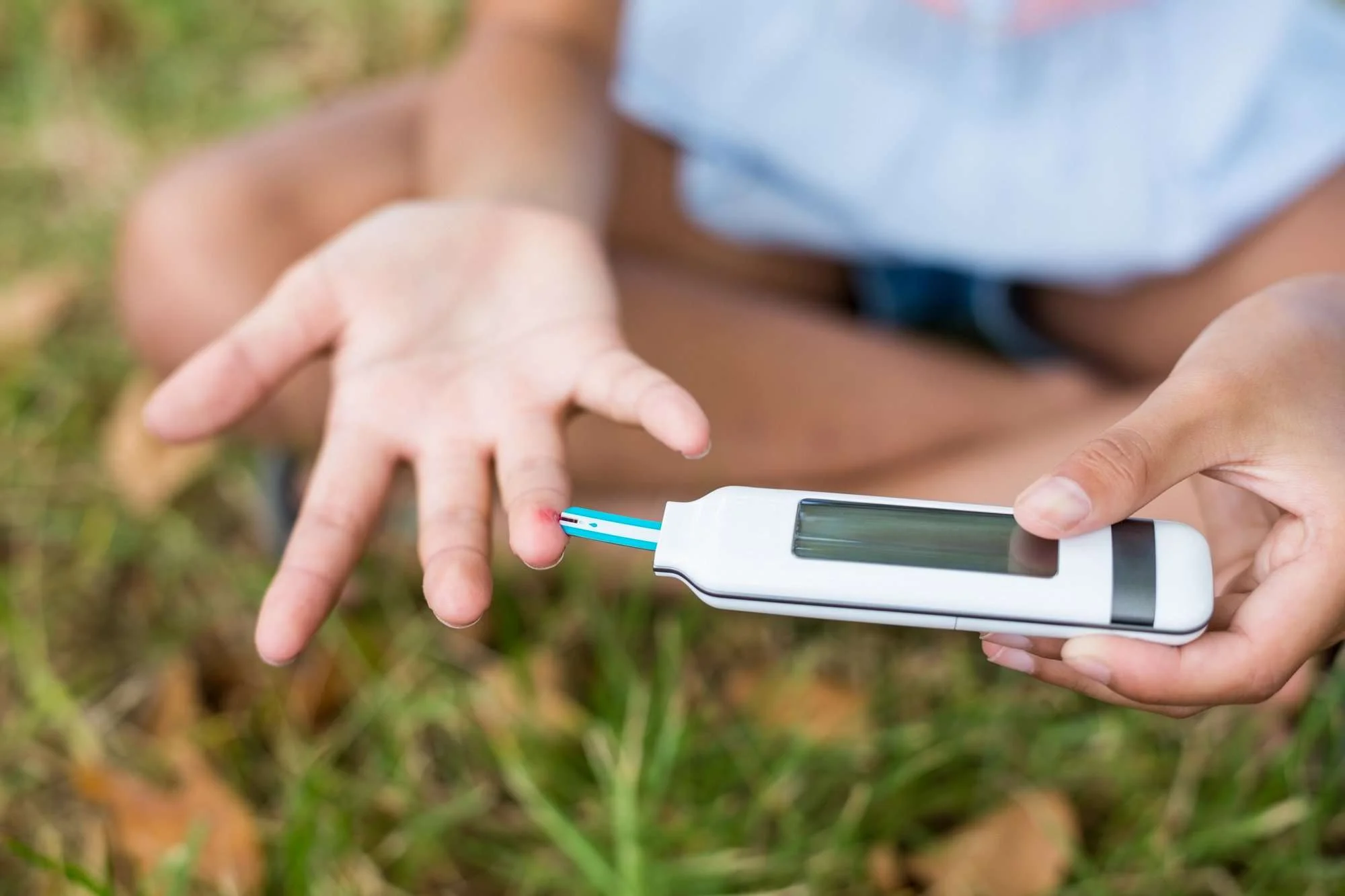
Prediabetes in women is diagnosed with blood tests. It is recommended to screen once to twice a year. The three most commonly used tests to diagnose prediabetes are:
-
- Fasting blood glucose test: This is the most common test, measuring the blood sugar levels after an overnight fast (while sleeping).
- HbA1c: It measures a person’s average blood sugar level over the past few months.
- Oral glucose tolerance test (OGTT): Done by measuring the blood glucose levels after consuming a sweet drink or snack.
Here are the values for normal, prediabetic, and diabetic levels:
| Normal | Prediabetic | Diabetic | |
| Fasting blood glucose test | <100 mg/dL | 100–125 mg/dL | >125 mg/dL |
| HbA1c | <5.7% | 5.7%–6.4% | >6.4% |
| OGTT | <140 mg/dL | 140–199 mg/dL | >200 mg/dLr |
Note: Women aged up to 45 with risk factors and women who have PCOS or gestational diabetes should do these check-ups more often.
Possible Complications
If prediabetes isn’t managed, it can progress to type 2 diabetes. But that is only one of the few possible complications that can happen. Other complications are:
-
- Heart diseases
- Certain types of cancers (breast cancer, endometrial cancer, and colon cancer)
- Kidney diseases
- Nerve damages
- Fertility issues
- Mental health issues (depression or anxiety)
Note: If these complications are not diagnosed and treated in time, they can even lead to death.
Treatment of Prediabetes in Females

When being diagnosed with prediabetes, the first type of treatment that is recommended is lifestyle modification. The steps included in this treatment are:
-
- Having a balanced diet
- Regular exercise
- Losing weight (5-10%)
- Lowering stress levels
- Improving sleep
For some women, these lifestyle changes can be hard to achieve without any help. This is why there are many support groups, nutritionists, and programs that aim to ease this process. In some cases, which are considered higher-risk, doctors can prescribe some medications.
What Is the Best Prediabetes Diet?
If you are unsure of how to modify your diet, we are here to help! A prediabetes-friendly diet should be low in carbs but high in fiber. It should have:
-
- Whole grains
- Lean proteins
- Healthy fats
- Vegetables
- Low glycemic fruits
Consuming sugar and refined carbs should be reduced as much as possible, and also, snacking should be with healthy ingredients, possibly homemade. By maintaining portion control and eating meals at consistent times, gradually, the blood sugar levels will become more stable.
Conclusion
Prediabetes in pregnancy can lead to a condition called gestational diabetes or even type 2 diabetes after giving birth. As much as it sounds scary, keep in mind that the diagnosis is not a life sentence. There are many ways to change and adapt a woman’s lifestyle to reclaim their health and prevent prediabetes.
With regular check-ups and awareness of symptoms that often go unnoticed, many changes can be made for the better. That is why pregnant women should always go on their regular check-ups.
Frequently Asked Questions
Articles you may also be interested in



Original Publish Date: 1/24/2025 – Updated 7/3/2025


