Quick Answer
Sliding scale insulin therapy is a reactive way of dosing insulin, where the dose is set by your blood sugar reading right before a meal or at bedtime instead of being planned in advance. You check your blood sugar, find the matching range on a chart written by your prescriber, and inject the number of units listed next to it.
- The scale is a personalized chart. A higher reading calls for more units of insulin, a reading in the target range usually calls for none.
- It uses rapid-acting or short-acting insulin, because both begin working quickly enough to bring down a high reading around a meal.
- It has been used since the 1930s, mostly because it is quick and simple for staff and patients to follow.
- The American Diabetes Association discourages using it on its own. Recommendation 16.10 of the Standards of Care in Diabetes 2026 states that sole use of correction or supplemental insulin without basal insulin, formerly called a sliding scale, is discouraged in the hospital setting.
- Basal-bolus dosing, correction factor dosing, and insulin pumps are the approaches most prescribers move people to instead.
How Sliding Scale Insulin Compares With Other Insulin Dosing Methods
Sliding scale insulin is one of five common ways to decide an insulin dose. The difference between them is simply what the dose is based on: your blood sugar reading, the clock, the food on your plate, or a combination.
| Dosing method | How the dose is decided | Commonly used for |
|---|---|---|
| Sliding scale (correction only) | Read off a chart, based on your blood sugar before a meal or at bedtime | Short-term hospital use and mild high readings |
| Fixed dose | The same units at the same times every day, regardless of the reading | Type 2 diabetes on a steady routine, often one injection a day |
| Insulin-to-carbohydrate ratio | One unit for a set number of grams of carbohydrate eaten | People who count carbohydrates and eat variable meals |
| Basal-bolus | Long-acting insulin once or twice a day, plus a planned dose with each meal | Most people with type 1 diabetes and many with type 2 who use insulin |
| Correction factor | Extra units calculated from how far the reading sits above target, added to a planned meal dose | Usually type 1 diabetes, alongside basal-bolus dosing |
What Is Sliding Scale Insulin Therapy?
Sliding scale insulin therapy, often shortened to SSI, is a method where the insulin dose is based on your current blood sugar level. Blood sugar is measured with a glucometer or a sensor, the reading is matched to a range on a chart, and the dose listed for that range is the dose you take. Higher glucose means more insulin, according to the chart your prescriber set for you.
The purpose of a sliding scale for insulin dose is to bring a high reading down and limit the blood sugar spike that follows a meal. It has been part of diabetes care since the 1930s, and its appeal has always been convenience. A patient or a nurse needs one reading and one chart, with no carbohydrate counting and no calculations.
A sliding scale for insulin dose is used both for patients in hospital with elevated blood sugars and, less often now, for longer-term management of type 1 and type 2 diabetes. The reason it has fallen out of favor is predictability. Insulin can behave unpredictably when doses are not planned around meals and activity, and that raises the risk of low blood sugar. Reviewing insulin resistance treatments with your prescriber is often part of the same conversation, since insulin needs change as diabetes progresses.
How Sliding Scale Insulin Dosing Works
You check your blood sugar, find the range your reading falls into on your chart, and inject the matching number of units before you eat. Doses are usually given before meals and at bedtime, or roughly every four to six hours if you are not eating.
| Blood glucose reading | Insulin dose |
|---|---|
| Under 150 mg/dL | 0 units |
| 151 to 199 mg/dL | 2 units |
| 200 to 249 mg/dL | 4 units |
| 250 to 299 mg/dL | 6 units |
| 300 mg/dL and above | 8 units |
Do not follow this scale. It is an example only. If a sliding scale is right for you, your prescriber will build one around your own insulin sensitivity, your meals, and your targets.
How to Read the Scale Before a Meal
Check your blood sugar first, then find the matching row. Using the example above, a reading of 212 mg/dL falls in the 200 to 249 range, so the dose would be four units before the meal.
Many charts add a second column or axis. It might separate low, moderate, and high dose scales for people with different insulin needs, or it might split the day into breakfast, lunch, dinner, and bedtime. Your prescriber will show you which column applies to you and when.
What Insulin Is Used in Sliding Scale Therapy?
Sliding scales use rapid-acting or short-acting insulin, because both start working quickly enough to correct a high reading around a meal. Long-acting basal insulin is never dosed on a sliding scale.
Rapid-acting insulin: Humalog (insulin lispro), NovoRapid or NovoLog (insulin aspart), Fiasp (faster-acting insulin aspart), and Apidra (insulin glulisine). These start working within about 5 to 20 minutes and peak within 1 to 2 hours.
Short-acting insulin: regular human insulin such as Humulin R and Novolin ge Toronto. These begin working within about 30 minutes and peak within 2 to 4 hours.
The timing difference matters. Rapid-acting insulin is usually injected right before eating, while regular insulin is normally given about 30 minutes ahead of a meal. Using the wrong timing for the insulin you have been prescribed is one of the more common causes of an unexpected low.
Monitoring Blood Sugar on a Sliding Scale
A sliding scale is only as safe as the readings behind it, so it depends on checking blood sugar regularly. Because doses are taken before meals, most people on a scale test at least two to three times a day. If you are unsure about timing, this guide on how and when to test blood sugar levels walks through the usual checkpoints.
The traditional method is a blood glucose meter with test strips and a finger prick, which is accurate but tiring to keep up several times a day. Continuous glucose monitors have largely taken over that job. A sensor such as the Dexcom G7 sits on the back of the arm or the abdomen and sends readings to a reader or a phone through the day and night, with no finger pricks needed for routine checks.
Continuous monitoring also changes what your prescriber can see. Instead of four numbers a day, they get the shape of your blood sugar overnight and after meals, which is usually what shows whether a scale is working or whether a planned regimen would suit you better.
Pros and Cons of Sliding Scale Insulin Therapy
The advantage of a sliding scale is simplicity. The drawback is that it reacts to a high reading after it has already happened instead of preventing it.
| Advantages | Drawbacks |
|---|---|
| Very little calculation. One reading, one chart, one dose | Reacts to high blood sugar rather than preventing it, which patients often describe as chasing blood sugars |
| Quick to start, which suits short hospital stays and unexpected high readings | Ignores what you are about to eat, so the same dose covers a salad and a large plate of pasta |
| Uses fast-acting insulin, so the correction works within a couple of hours | Does not account for exercise, illness, stress, or a meal eaten at a different time |
| Easy for nursing staff to apply consistently across many patients | Rarely works well on its own, so it is usually paired with another insulin regimen |
| Useful as a temporary measure while a longer-term plan is being set up | Repeated corrections can stack and push blood sugar too low |
That last point is the one to watch. If a correction dose is given before the previous one has finished working, the effects add up and blood sugar can drop further than expected. Knowing the symptoms of low blood sugar matters for anyone using a scale, and so does keeping fast-acting carbohydrate within reach.
Why Sliding Scale Insulin Is No Longer Recommended
Sliding scale insulin is discouraged as a standalone method because it does not deliver insulin the way the body normally does, and the evidence has not shown it to be better than planned dosing.
Recommendation 16.10 in the American Diabetes Association Standards of Care in Diabetes 2026 states that for most people, sole use of correction or supplemental insulin without basal insulin, which is what a sliding scale is, is discouraged in the hospital setting. The ADA points to a randomized trial in people with type 2 diabetes admitted for general surgery, where a basal plus bolus plan produced better glucose results and fewer hospital complications than correction insulin alone.
A Cochrane review of sliding scale insulin in hospital pooled eight randomized trials covering 1,048 adults with type 2 diabetes. Average blood sugar during the hospital stay was 14.8 mg/dL higher on a sliding scale than on basal-bolus insulin. The review authors rated the certainty of the evidence as low, and noted that severe low blood sugar episodes were actually more frequent in the basal-bolus groups, so the picture is not one-sided.
The practical objection is easier to describe than the trial data. A scale has no way of knowing that you exercised hard yesterday, ate a carbohydrate-heavy breakfast this morning, or are fighting an infection this week. It also cannot account for the normal day-to-day variation in how your body handles insulin. Planned regimens can be adjusted for all of those things.
Where Sliding Scale Insulin Is Still Used
Sliding scales are still used in hospitals and care homes, mostly for short-term blood sugar management. The ADA notes one specific exception to its guidance: people with type 2 diabetes in non-critical care who have mild high blood sugar or stress-related high blood sugar and whose readings stay under 180 mg/dL.
Outside hospital, some people are still on a scale simply because it was set up years ago and never revisited. That is worth raising at your next appointment, particularly if your readings swing widely or you are having frequent lows.
Alternatives to Sliding Scale Insulin Dosing
Most people who come off a sliding scale move to basal-bolus insulin, correction factor dosing, or a pump. Which one fits depends on your type of diabetes, your routine, and how much day-to-day flexibility you need.
Basal-Bolus Insulin Therapy
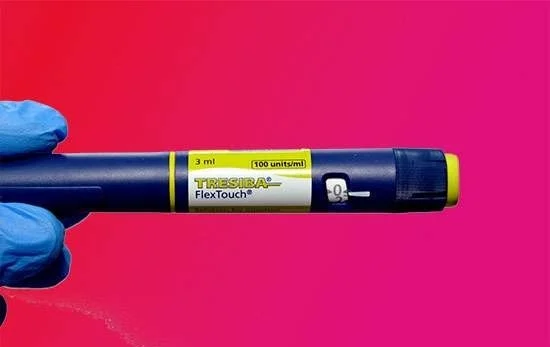
This is the most common replacement. You take one or two daily doses of long-acting insulin such as Lantus or Tresiba, plus a set mealtime dose of rapid-acting insulin, and your prescriber adjusts both every few days based on your readings. This guide to basal and bolus insulin therapy explains how the two parts fit together.
Correction Factor Dosing
A correction factor estimates how far one unit of insulin will lower your blood glucose. It is used alongside a planned mealtime dose to bring down a reading that is already high, which is why it looks similar to a sliding scale but behaves differently. The mealtime dose still covers the food, and the correction only handles the gap.
Premixed Insulin
Premixed products such as Humulin 70/30 and NovoMix 30 combine intermediate-acting and fast-acting insulin in one pen, which cuts the number of injections. The trade-off is less flexibility, and the ADA notes that mixtures were linked to more low blood sugar than basal-bolus dosing in hospital.
Insulin Pumps and Automated Delivery
An insulin pump delivers a steady background dose through a small cannula, with mealtime doses given at the press of a button. In the 2026 Standards of Care, the ADA removed the previous requirements a person had to meet before starting a pump or an automated insulin delivery system, which makes these options available earlier than they used to be.
Once-Weekly Basal Insulin
Weekly basal insulin is no longer experimental. Awiqli (insulin icodec) was approved by Health Canada in 2024 and by the FDA in March 2026 for adults with type 2 diabetes, replacing seven basal injections a week with one. Switching from a daily basal insulin needs close monitoring, since the dosing works differently, so it is a change to plan with your prescriber rather than to attempt on your own.
Non-Insulin Medications
GLP-1 receptor agonists such as Ozempic and SGLT2 inhibitors such as Jardiance can lower blood sugar and, for some people with type 2 diabetes, reduce how much insulin is needed. The comparison of oral diabetes medication and injectable insulin covers where each fits.
How to Transition From Sliding Scale to a More Effective Insulin Plan
Changing an insulin regimen is a prescriber decision, not something to adjust on your own. Insulin is a high-risk medication, and switching methods without supervision can cause dangerous lows. What you can do is come to the appointment prepared.
- Bring at least two weeks of readings, from your meter or your sensor, including any lows and what you had eaten beforehand.
- Say plainly how often you feel like you are chasing your blood sugar, and how often you have needed to treat a low.
- Ask whether adding a basal insulin, with a set mealtime dose, would suit your routine better than a correction-only scale.
- Ask what your correction factor is, so you know how far one unit is expected to move your reading.
- Agree on a plan for treating a low before you change anything, and keep fast-acting carbohydrate with you.
Keep using your current scale exactly as written until your prescriber gives you a new one.
Frequently Asked Questions
Articles you may also be interested in