
Tirzepatide, known by its brand names Mounjaro and Zepbound, is quickly gaining recognition as a revolutionary treatment for diabetes management and weight loss. Unlike traditional therapies, this innovative medication works on two crucial hormones to not only control blood sugar but also promote significant weight loss. With its dual-action approach, Tirzepatide is setting a new standard in treatment, offering hope to millions struggling with type 2 diabetes and obesity.
But how exactly does it work, and how effective is it? In this article, you’ll discover how Tirzepatide works, its effectiveness in weight loss, and what to expect in terms of safety, dosage, and cost.
How Does Tirzepatide Work?
Tirzepatide is a dual glucose-dependent insulinotropic polypeptide (GIP) and glucagon-like peptide-1 (GLP-1) receptor agonist. By mimicking the action of these two hormones, Tirzepatide plays a crucial role in managing blood sugar levels and promoting weight loss.
When you eat, GIP and GLP-1 hormones stimulate insulin secretion from the pancreas, helping to lower blood sugar levels. Additionally, they slow down gastric emptying, meaning food stays in the stomach longer, which reduces appetite and calorie intake. Tirzepatide’s mechanism of action provides a comprehensive approach to controlling blood sugar levels and supporting weight loss, making it particularly effective for individuals with type 2 diabetes.
Clinical trials have shown that Mounjaro (the brand name for Tirzepatide) significantly reduces HbA1c, a marker of long-term blood sugar control. Additionally, participants experienced substantial weight loss, with some losing up to 26% of their initial weight over a year of treatment. This dual benefit makes Tirzepatide a powerful tool in managing both diabetes and obesity.
How Quickly Does Tirzepatide Work for Weight Loss?
The speed at which Tirzepatide begins to work for weight loss can vary depending on the individual, but many users report noticing a reduction in appetite within the first few weeks of starting the medication. Weight loss typically begins to be noticeable after a few weeks.
In clinical studies, such as SURMOUNT-3 and SURMOUNT-4, participants generally started to see measurable weight loss within 4 to 12 weeks. In SURMOUNT-3, participants achieved an additional 21.1% weight loss with Tirzepatide after a 12-week intensive lifestyle intervention, leading to a total mean weight loss of 26.6% over 84 weeks.
In SURMOUNT-4, participants lost 21.1% of their body weight during a 36-week Tirzepatide lead-in period and an additional 6.7% during a 52-week continued treatment period, resulting in a total mean weight loss of 26.0% over 88 weeks. This makes Tirzepatide one of the more rapidly acting weight-loss medications available, offering early motivation and progress for those committed to long-term use.
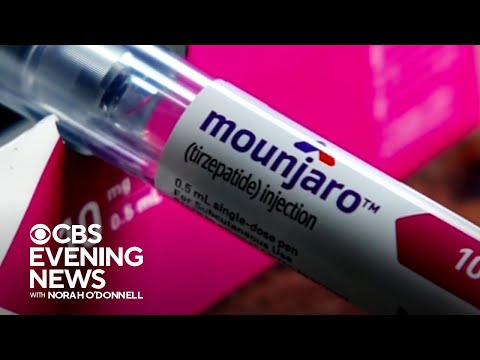
As reported by CBS Evening News, “In an Elite stage trial, Eli Lilly says overweight patients with diabetes lost up to 16% of their body weight. In an earlier trial, overweight patients without diabetes lost up to 22.5% of their body weight.” This highlights the remarkable effectiveness of Tirzepatide in promoting weight loss, further establishing it as a groundbreaking treatment option.
How Long Does It Take for Tirzepatide to Suppress Appetite?
Tirzepatide begins to suppress appetite relatively quickly after administration. Most users start to experience a decrease in appetite within the first few days of treatment, with more pronounced effects typically becoming evident within the first two weeks.
This early suppression of appetite is crucial for jumpstarting weight loss, as it helps users reduce their calorie intake from the outset. The medication’s effects on appetite are sustained throughout the treatment, providing ongoing support for weight management. In clinical trials, participants reported feeling fuller for longer periods after meals, which contributed to their reduced calorie intake and subsequent weight loss.
Is Tirzepatide Safe?
Tirzepatide has been extensively studied in clinical trials, and the results suggest that it is generally safe for most people when used as directed. Its safety is comparable to that of other medications in its class, such as GLP-1 receptor agonists. However, as with any medication, there are potential risks and side effects that should be considered.
The safety profile of Tirzepatide was evaluated in clinical trials involving thousands of participants. These trials focused on individuals with type 2 diabetes and obesity.
However, there are certain groups of people for whom Tirzepatide may not be appropriate, such as those with a history of certain types of thyroid tumors or severe gastrointestinal diseases. It is also important for individuals to consult with their doctors to ensure that Tirzepatide is the right medication for their specific health needs. Overall, for most people, Tirzepatide is considered a safe and effective treatment option.
What Are the Side Effects of Tirzepatide?
Like all medications, Tirzepatide has the potential to cause side effects, though not everyone will experience them. The most commonly reported side effects of Tirzepatide include:
- Nausea: This is the most common side effect, particularly during the initial stages of treatment. It typically decreases as the body adapts to the medication.
- Diarrhea: Some users experience diarrhea, which can range from mild to moderate in severity.
- Vomiting: Along with nausea, vomiting can occur, especially at higher doses.
- Decreased appetite: While this is a desired effect for weight loss, it can sometimes be intense, leading to an aversion to food.
- Abdominal pain: Some users report discomfort or pain in the abdomen, which is usually mild.
Less common but more serious side effects include:
- Pancreatitis: There have been reports of pancreatitis (inflammation of the pancreas) in users of similar GLP-1 receptor agonists. Symptoms include severe abdominal pain, nausea, and vomiting. If you experience these symptoms, you should seek medical attention immediately.
- Hypoglycemia: When used in combination with other diabetes medications, such as insulin or sulfonylureas, there is a risk of low blood sugar (hypoglycemia).
- Kidney problems: Tirzepatide can sometimes cause issues related to kidney function, especially if dehydration occurs due to vomiting or diarrhea.
There have also been concerns about the potential for thyroid tumors, as seen in rodent studies, though this has not been confirmed in humans. As a precaution, Tirzepatide is not recommended for individuals with a personal or family history of medullary thyroid carcinoma.
Tirzepatide Dosage
The dosage of Tirzepatide varies depending on the treatment goal—whether it’s for managing type 2 diabetes or for weight loss. Below is a chart detailing the dosages for Mounjaro (used for diabetes treatment) and Zepbound (intended for weight loss):
| Purpose | Brand Name | Starting Dose | Maintenance Dose | Maximum Dose |
| Type 2 Diabetes Management | Mounjaro | 2.5 mg once weekly | 5 mg or 10 mg once weekly | 15 mg once weekly |
| Weight Loss | Zepbound | 2.5 mg once weekly | 10 mg once weekly | 15 mg once weekly |
Tirzepatide Dosage for Weight Loss
- Starting Dose: For weight loss, Zepbound (tirzepatide) is initiated at 2.5 mg once weekly to allow the body to adjust to the medication.
- Maintenance Dose: After 4 weeks, the dose is increased to 10 mg or 12.5 mg once weekly based on individual tolerance.
- Maximum Dose: The maximum recommended dose for weight loss is 15 mg once weekly, and it should be achieved gradually to minimize potential side effects.
Tirzepatide Dosage for Diabetes Management
- Starting Dose: Mounjaro (tirzepatide) starts at 2.5 mg once weekly for type 2 diabetes management.
- Maintenance Dose: After 4 weeks, the dose is typically increased to either 5 mg or 7.5 mg once weekly to improve glycemic control.
- Maximum Dose: The maximum dose for managing type 2 diabetes is 15 mg once weekly, tailored to the patient’s glycemic response and tolerance.
It’s important to follow the prescribed dosing regimen and consult with your doctor for any adjustments.
How Long Does Tirzepatide Stay in Your System?
Tirzepatide has a relatively long half-life, which allows it to be administered once weekly. The half-life ranges from 5 to 7 days, meaning it takes about a week for the drug’s concentration in the bloodstream to decrease by half.
Given this half-life, Tirzepatide typically stays in the system for approximately 4 to 6 weeks after the last dose. This prolonged presence in the body is beneficial for maintaining stable blood glucose levels and continuous appetite suppression, which supports ongoing weight loss.
However, the exact duration Tirzepatide stays in your system can vary depending on factors such as dosage, frequency of use, and individual metabolic rate. Even after stopping the medication, its effects may persist for several weeks, so any changes in treatment should be closely monitored by a doctor.
How Much Are Tirzepatide Injections?
The cost of Tirzepatide injections can vary significantly depending on the location, the brand, and whether or not you have insurance coverage. On average, the price for Tirzepatide, particularly under the brand name Mounjaro, ranges from $1,000 to $1,200 for a month’s supply without insurance in the United States. This cost can be prohibitive for many individuals, especially those using it for weight loss, as it is not always covered by insurance for this purpose.
For those looking for more affordable options, purchasing Tirzepatide online can offer some savings. The cheapest Tirzepatide online prices are typically found through international or Canadian pharmacies, where the cost can be significantly lower—sometimes as low as $150 to $700 per month. For instance, on BuyCanadianInsulin.com, Mounjaro vials are available from $158.99. For patients who prefer the pre-filled injector format, Mounjaro KwikPens are available from $559.99. This offers a significant cost saving compared to retail prices in the US, making it a more accessible option for those seeking effective treatment without the high financial barrier typically associated with these medications.
In addition to the base cost, some patients may find programs or discounts available directly from the manufacturer, especially if they are using Tirzepatide for diabetes treatment. Always compare prices across various platforms and consider reaching out to the manufacturer for any patient assistance programs that might be available to reduce the Tirzepatide cost.
Conclusion
Tirzepatide represents a significant advancement in the treatment of both diabetes and obesity, offering dual benefits in blood sugar control and weight loss. With its unique dual-action mechanism, Tirzepatide not only helps manage type 2 diabetes but also promotes substantial weight reduction, making it a versatile option for many patients. While it is generally safe and well-tolerated, users should be mindful of potential side effects and the importance of adhering to prescribed dosages.
The high cost of Tirzepatide, particularly in the US, can be a barrier, but more affordable options are available through international pharmacies, making this revolutionary treatment more accessible to those who need it. As always, consulting with a doctor is essential to ensure that Tirzepatide is the right choice for your specific health needs.
Frequently Asked Questions
Articles you may also be interested in


Sources
Eli Lilly and Company. (2023, April 27). Tirzepatide demonstrated significant and superior weight loss across three clinical trials. Lilly Investor Relations. https://investor.lilly.com/news-releases/news-release-details/tirzepatide-demonstrated-significant-and-superior-weight-loss
National Center for Biotechnology Information. (2023). Tirzepatide. In NCBI Bookshelf. https://www.ncbi.nlm.nih.gov/books/NBK585056/
Jastreboff, A. M., Aronne, L. J., Ahmad, N. N., Wharton, S., Connery, L., Alves, B.,… & Lingvay, I. (2022). Tirzepatide once weekly for the treatment of obesity. The New England Journal of Medicine, 387(21), 2057-2068. https://www.nejm.org/doi/full/10.1056/NEJMoa2206038
U.S. Food and Drug Administration. (2023, May 13). FDA approves new medication for chronic weight management. https://www.fda.gov/news-events/press-announcements/fda-approves-new-medication-chronic-weight-management


