
Tresiba, also known as insulin degludec, is a long-acting insulin used to manage blood sugar levels in people with diabetes. Unlike some other insulins, Tresiba is designed to provide a steady release of insulin throughout the day, helping to maintain consistent blood glucose levels.
Correct dosing ensures that your body receives the right amount of insulin, tailored to your specific needs, to maintain balanced blood sugar levels throughout the day and night. In this article, you will learn about the best starting dose of Tresiba, how it compares to other long-acting insulins, factors that influence its dosage, and much more.
What Is the Best Starting Dose of Tresiba?
The best-starting dose of Tresiba depends on several factors, including the type and severity of diabetes, your body weight, and your target blood sugar levels. For individuals with Type 1 diabetes, Tresiba is typically started at a dose of 0.2 to 0.4 units per kilogram of body weight per day. For those with Type 2 diabetes, the starting dose is often lower, usually around 10 units once daily, adjusting based on blood sugar monitoring and response.
“It’s very important that your endocrinologist or diabetes specialist should tell you exactly how to use the medication,” says Dr. Ahmed Arjun, a diabetes specialist, emphasizing the need for precise dosing and regular monitoring to avoid overdoing insulin.
Tresiba Dosage Chart
| Type of Diabetes | Starting Dose | Adjustment |
| Type 1 Diabetes | 0.2 – 0.4 units/kg/day | Adjust based on daily blood glucose monitoring |
| Type 2 Diabetes | 10 units/day or 0.1-0.2 units/kg/day | Adjust by 2-4 units every 3-4 days based on response |
How Does Tresiba Compare to Other Long-Acting Insulins?
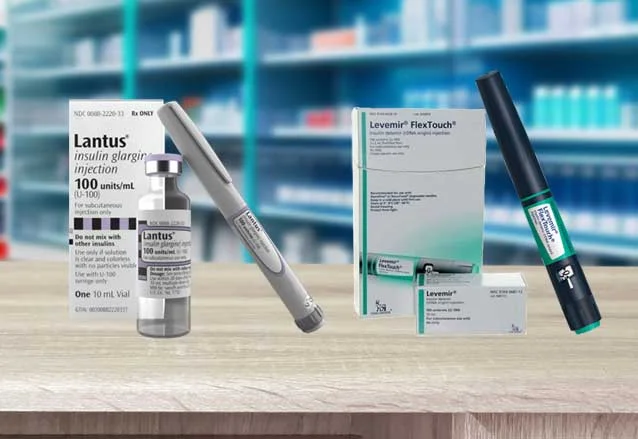
Tresiba stands out among long-acting insulins such as Lantus (insulin glargine) and Levemir (insulin detemir) due to its ultra-long duration of action, lasting up to 42 hours. This provides greater flexibility in dosing times and reduces the risk of nocturnal hypoglycemia. Unlike Lantus, which lasts around 24 hours, or Levemir, which may require twice-daily dosing, Tresiba offers a more stable and consistent release of insulin, resulting in fewer fluctuations in blood sugar levels.
Why Choose Tresiba Over Other Insulins?
- Flexibility: Tresiba allows for variable dosing times without compromising effectiveness, ideal for patients with irregular schedules.
- Stability: The consistent insulin release minimizes peaks and troughs, lowering the risk of hypoglycemia, especially at night.
- Patient Preference: Studies show that patients using Tresiba report more stable blood sugar levels with less variability, making it a preferred option for managing both Type 1 and Type 2 diabetes.
What Factors Influence Your Tresiba Insulin Dosage?
Several factors influence the appropriate dosage of Tresiba, including body weight, type of diabetes, HbA1c goals, and lifestyle:
- Body Weight: Higher body weight often correlates with higher insulin requirements.
- Type of Diabetes: Type 1 diabetes typically requires a basal-bolus regimen, where Tresiba is the basal insulin.
- HbA1c Goals: Tighter glucose control may necessitate more precise dosage adjustments.
- Lifestyle: Physical activity, diet, and stress levels can all impact how much Tresiba you need.
Adjustments to Tresiba dosage should be made gradually, and blood sugar levels should be carefully monitored to avoid the risks of hypoglycemia or hyperglycemia.
What Are the Differences Between Tresiba U-100 and U-200?
Tresiba is available in two concentrations, U-100 and U-200, which differ primarily in the amount of insulin delivered per unit of volume. Tresiba U-100 delivers 100 units of insulin per milliliter, while Tresiba U-200 provides 200 units per milliliter. This higher concentration in the U-200 formulation means that the same volume of insulin delivers twice the amount of insulin compared to U-100.
“For patients who require larger doses of insulin, Tresiba U-200 can reduce the volume of insulin injected, making it more comfortable and easier to manage,” Dr. Ahmed Arjun explains, highlighting the benefits of choosing the right concentration based on individual needs.
Can Tresiba Insulin Be Used for Both Type 1 and Type 2 Diabetes?
Yes, Tresiba can manage both type 1 and type 2 diabetes, which is approved for use in both conditions. In type 1 diabetes, where the body does not produce insulin, Tresiba is the basal insulin in a basal-bolus regimen. Patients with type 1 diabetes typically require a combination of basal insulin (like Tresiba) and bolus insulin to manage blood sugar levels throughout the day. Tresiba is particularly beneficial for these patients because of its ultra-long duration of action, which provides more stable blood glucose control and reduces the risk of nocturnal hypoglycemia.
For type 2 diabetes, Tresiba is used to help patients who may still produce some insulin but need additional support to maintain their blood sugar levels. It is often prescribed when oral medications are no longer sufficient. The dosing for type 2 diabetes usually starts at a lower level and can be gradually increased depending on the patient’s needs and blood sugar monitoring results.
In both cases, the flexibility of dosing with Tresiba, which allows for injections at different times of the day without losing efficacy, is a significant advantage. This flexibility makes it easier for patients to incorporate Tresiba into their daily routine, improving treatment adherence.
How Can You Adjust Tresiba Dosage Based on Blood Sugar Levels?
The adjustment process typically begins with regularly monitoring fasting blood glucose levels, as these readings reflect the effectiveness of the basal insulin dose. If fasting blood glucose levels are consistently above the target range, it may indicate that the Tresiba dose needs to be increased. Conversely, if fasting levels are consistently low, the dose may be decreased to prevent hypoglycemia.
The adjustment is usually done in small increments, such as 2 to 4 units at a time, depending on the patient’s sensitivity to insulin. For type 1 diabetes patients, adjustments might also consider the total daily insulin dose, ensuring that the basal-bolus balance is maintained. In type 2 diabetes, adjustments are made based on how well blood sugar levels are controlled throughout the day, considering factors like meals, physical activity, and other medications. It’s crucial to make dosage adjustments gradually and under the guidance of a doctor to avoid the risks of hypoglycemia or hyperglycemia.
“It’s important to titrate your medication to a desired level without overdoing the insulin,” advises Dr. Ahmed Arjun, emphasizing the need for careful dose adjustments.
How Often Should Tresiba Insulin Be Taken?
Tresiba is typically taken once daily, thanks to its ultra-long duration of action, which can last up to 42 hours. This once-daily dosing schedule is one of Tresiba’s main advantages, offering flexibility in administration time. Unlike some other long-acting insulins, Tresiba allows patients to vary the time of their injection without compromising efficacy, making it more adaptable to individual lifestyles.
However, consistency in the timing of the dose is recommended to maintain stable insulin levels in the body. For example, if a patient usually injects Tresiba in the evening, they should aim to take it around the same time each day. This regularity helps ensure that insulin levels remain consistent, minimizing the risk of blood sugar fluctuations.
What Are the Risks of Incorrect Tresiba Dosage?
Incorrect dosing of Tresiba can lead to serious risks, primarily hypoglycemia (low blood sugar) and hyperglycemia (high blood sugar). If the dosage is too high, it can cause blood sugar levels to drop too low, resulting in hypoglycemia. Symptoms of hypoglycemia include shakiness, dizziness, confusion, sweating, and, in severe cases, loss of consciousness or seizures. Hypoglycemia is particularly dangerous if it occurs at night, as it may go unnoticed and lead to severe complications.
On the other hand, an insufficient dose of Tresiba can result in hyperglycemia, where blood sugar levels are too high. Symptoms of hyperglycemia include excessive thirst, frequent urination, fatigue, and blurred vision. Prolonged hyperglycemia can lead to diabetic ketoacidosis (DKA) in type 1 diabetes, a life-threatening condition that requires immediate medical attention.
To minimize these risks, it is crucial to follow the prescribed dosing schedule and make adjustments only under the guidance of a doctor. Regular blood sugar monitoring plays a vital role in ensuring the dosage is appropriate and helps prevent the potential dangers of incorrect dosing.
How Often Should You Monitor Blood Sugar While Using Tresiba?
The frequency of blood sugar monitoring depends on your type of diabetes and treatment plan:
- Type 1 Diabetes: Frequent monitoring is essential, often multiple times a day, including before meals, after meals, and at bedtime.
- Type 2 Diabetes: Monitoring frequency varies. Some may need multiple checks daily, while others with stable blood sugar levels might only need to check once or twice weekly.
Regular monitoring is critical for detecting patterns in blood sugar levels and making informed decisions about insulin dosage adjustments.
What Are the Side Effects of Tresiba?
Common side effects of Tresiba include hypoglycemia, injection site reactions, and allergic reactions. Hypoglycemia is the most frequent side effect and occurs when blood sugar levels drop too low. It can happen if the dose of Tresiba is too high, if meals are skipped or delayed, or if physical activity increases without corresponding insulin or food intake adjustments.
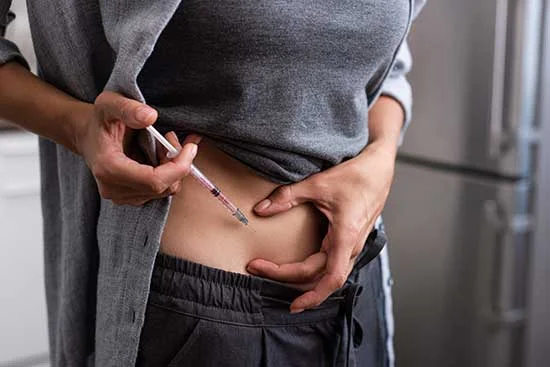
Injection site reactions, such as redness, swelling, or itching at the injection site, are also relatively common but usually mild and resolve independently. Rotating injection sites can help minimize these reactions.
In rare cases, patients may experience allergic reactions to Tresiba, manifesting as rash, itching, or more severe symptoms like difficulty breathing. If any signs of a serious allergic reaction occur, it’s crucial to seek medical attention immediately.
While Tresiba is generally well-tolerated, patients should be aware of these potential side effects and monitor for any unusual symptoms, particularly when starting the medication or changing doses.
How Long Does Tresiba Stay Effective in the Body?
Tresiba remains effective in the body for up to 42 hours, making it one of the longest-acting insulins available. This extended duration of action allows for once-daily dosing with a lower risk of insulin overlap or gaps in insulin coverage. The prolonged effect of Tresiba ensures that blood sugar levels remain stable over an extended period, reducing the risk of both hyperglycemia and hypoglycemia.
The steady release of insulin from Tresiba provides a consistent basal level, which is crucial for managing blood sugar levels, particularly during fasting periods such as overnight. The long duration of action also means that patients have some flexibility in the timing of their doses, making it easier to maintain a consistent insulin regimen even with a variable daily schedule.
Is 30 Units of Tresiba a High Dose?
Whether 30 units of Tresiba is considered a high dose depends on the individual’s insulin needs and overall treatment plan. For some patients, particularly those with type 2 diabetes who are insulin-resistant, 30 units might be a moderate or even a low dose. In contrast, for others, particularly those with type 1 diabetes or who are more insulin-sensitive, 30 units could be considered a higher dose.
The appropriate dose of Tresiba varies widely among individuals and is influenced by factors such as body weight, diet, physical activity, and other medications. It’s important to remember that insulin dosing is highly individualized, and a high dose for one person may be a normal dose for another.
What Should You Do If You Miss a Dose of Tresiba?
If you miss a dose of Tresiba, it’s important to take it as soon as you remember, as long as there are at least 8 hours until your next scheduled dose. Tresiba’s long duration of action provides some flexibility, so taking the missed dose late may still help maintain blood sugar control. However, if it’s closer to your next dose, you should skip the missed dose and take the next dose at your regular time.
Doubling up on doses to make up for a missed dose is not recommended, as this can increase the risk of hypoglycemia. Instead, monitor your blood sugar levels more frequently after a missed dose to catch any potential fluctuations and make any necessary adjustments, such as modifying your meal plan or physical activity. Consult your doctor for specific guidance if you’re unsure what to do.
Are There Alternatives to Tresiba Insulin?
Several other long-acting insulins are available for those seeking alternatives to Tresiba. These alternatives are designed to provide a steady insulin release over an extended period, helping maintain stable blood sugar levels. The decision to switch from Tresiba to another insulin may be based on cost, side effects, or individual response to the medication. Below are the alternatives to Tresiba:
| Insulin Name | Drug Class | Duration of Action | US Cost (approx.) | BCI Price | Reasons to Consider Switching |
| Lantus (Insulin Glargine U-100) | Long-acting insulin | 20-24 hours | $190 | $144 for 1 vial | Once-daily dosing, lower cost, widely available |
| Levemir (Insulin Detemir) | Long-acting insulin | 18-24 hours | $300 | $210 for 5 pens | Shorter duration may require twice-daily dosing |
| Toujeo (Insulin Glargine U-300) | Long-acting insulin | Over 24 hours | $481.00 | $150 for 3 pens | Higher concentration, suitable for higher doses |
| Basaglar (Insulin Glargine U-100) | Long-acting insulin | 20-24 hours | $339.39 | $115 for 5 pens | Biosimilar to Lantus, cost-effective alternative |
Using Tresiba with Other Diabetes Medications
Tresiba can be combined with other diabetes medications, such as oral antidiabetics or rapid-acting insulin. This combination is especially useful in patients who require additional blood sugar control, particularly around meals. When using Tresiba with other medications, it’s crucial to monitor blood glucose levels closely to avoid the risk of hypoglycemia or hyperglycemia, adjusting doses of both Tresiba and the additional medication accordingly.
What Should I Ask My Doctor About Tresiba?
When discussing Tresiba with your doctor, consider asking the following questions to better understand how to optimize your treatment:
- What should my starting dose of Tresiba be, and how will it be adjusted over time?
- How does Tresiba work with other diabetes medications I’m taking?
- What are the potential side effects I should watch out for?
- How often should I monitor my blood sugar while using Tresiba?
- Are there any specific considerations for my age, weight, or health conditions when determining my dose?
- What should I do if I miss a dose of Tresiba?
- Are there any dietary or lifestyle changes I need to make while taking Tresiba?
Conclusion
Tresiba insulin offers a powerful and flexible option for managing both Type 1 and Type 2 diabetes. Its ultra-long duration of action provides stable blood sugar control and the convenience of once-daily dosing, making it an excellent choice for many patients. By understanding the appropriate dosage, monitoring blood sugar levels regularly, and being aware of potential side effects, you can optimize your diabetes management with Tresiba. Whether you’re newly diagnosed or considering a switch from another insulin, Tresiba’s unique benefits, such as its flexibility and stability, can significantly enhance your treatment regimen.
Buy Tresiba Online & SAVE
For those looking to save on their Tresiba prescription, consider purchasing it from BuyCanadianInsulin.com, where you can find Tresiba Flextouch 100 (5 pens) for just $149 or Tresiba Flextouch 200 (3 pens) for only $179. Take control of your diabetes today with Tresiba, and enjoy the peace of mind that comes with reliable blood sugar management.

Frequently Asked Questions
Articles you may also be interested in

Sources
Kesavadev, J., Murthy, L. S., Chaudhury, T., Yalamanchi, S. R., Giri, J., Gupta, S., Phatak, S., Modi, K. D., Chatterjee, S., Manjunath, A., Revanna, M., & Bhattacharya, A. (2022). One-year safety and effectiveness of insulin degludec in patients with diabetes mellitus in routine clinical practice in India-TRUST (Tresiba real-world use study). Journal of Clinical & Diagnostic Research, 16(3), 35496980. https://pubmed.ncbi.nlm.nih.gov/35496980/
U.S. Food and Drug Administration. (2022). Tresiba (insulin degludec) [Label Information]. https://www.accessdata.fda.gov/drugsatfda_docs/label/2022/203314s018s020lbl.pdf
Marso, S. P., McGuire, D. K., Zinman, B., Poulter, N. R., Emerson, S. S., Pieber, T. R., Pratley, R. E., & DEVOTE Study Group. (2017). Efficacy and safety of degludec versus glargine in type 2 diabetes. The New England Journal of Medicine, 377(8), 723-732. https://www.nejm.org/doi/full/10.1056/NEJMoa1615692
Canadian Agency for Drugs and Technologies in Health. (2019). Clinical Review Report: Insulin Degludec (Tresiba): (Novo Nordisk Canada Inc): Indication: For once-daily treatment of adults with diabetes mellitus to improve glycemic control. https://www.ncbi.nlm.nih.gov/books/NBK533969/


