
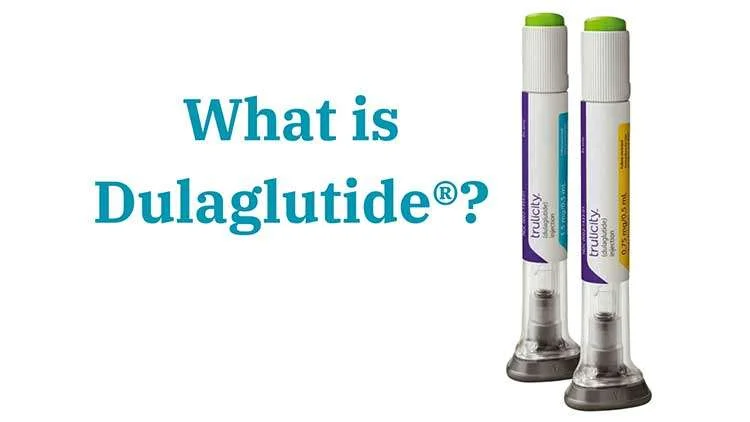
Trulicity (dulaglutide) is a widely prescribed medication for managing Type 2 diabetes and reducing the risk of cardiovascular events in people with Type 2 diabetes and existing cardiovascular conditions. However, for some individuals, Trulicity may cause side effects such as nausea, vomiting, and gastrointestinal discomfort, leading them to explore alternatives to Trulicity. Additionally, the cost of Trulicity can be a significant barrier for those without insurance coverage, prompting the need for a cheaper alternative to Trulicity. Fortunately, there are several medications available that offer similar benefits for blood sugar control and heart health, catering to diverse needs and budgets.
In this article, you will learn about several affordable and effective alternatives to Trulicity, including their uses, dosages, prices, and the pros and cons of each. We’ll also guide you on how to switch safely to a Trulicity alternative, ensuring a seamless transition.
Comparing Trulicity Alternatives
Below is a detailed comparison of alternatives to Trulicity for diabetes, including their uses, dosages, and brief insights into their differences. This will help you understand how each medication works and whether it aligns with your treatment goals.
| Drug Name | Uses | Dosage |
| Trulicity (dulaglutide) | Type 2 diabetes mellitus, reduces cardiovascular risk in patients with heart disease or multiple risk factors | 0.75–4.5 mg subcutaneous injection once weekly |
| Ozempic (semaglutide) | Type 2 diabetes mellitus, reduces cardiovascular risk in patients with heart disease. | 0.5–1 mg subcutaneous injection once weekly |
| Rybelsus (semaglutide) | Type 2 diabetes mellitus | 7–14 mg orally once daily |
| Victoza (liraglutide) | Type 2 diabetes mellitus, reduces cardiovascular risk in patients with heart disease. | 1.2–1.8 mg subcutaneous injection once daily |
| Mounjaro (tirzepatide) | Type 2 diabetes mellitus | 5–15 mg subcutaneous injection once weekly |
| Farxiga (dapagliflozin) | Type 2 diabetes mellitus, heart failure and kidney disease progression reduction, heart failure risk reduction in chronic heart failure | 5–10 mg orally once daily |
| Jardiance (empagliflozin) | Type 2 diabetes mellitus, cardiovascular and heart failure risk reduction | 10–25 mg orally once daily |
| Invokana (canagliflozin) | Type 2 diabetes mellitus, kidney disease progression reduction, cardiovascular risk reduction in patients with nephropathy and albuminuria | 100–300 mg orally once daily |
| Metformin | Type 2 diabetes mellitus, polycystic ovarian syndrome (off-label) | 500–1000 mg orally twice daily |
| Januvia (sitagliptin) | Type 2 diabetes mellitus | 100 mg orally once daily |
Ozempic (semaglutide)

Ozempic (semaglutide) is the most common alternative to Trulicity for managing Type 2 diabetes and reducing cardiovascular risks in patients with heart disease. Like Trulicity, it is a GLP-1 receptor agonist, offering similar benefits such as improving blood sugar levels, reducing appetite, and promoting weight loss. This makes it a top choice among Trulicity alternatives.
Ozempic is administered as a once-weekly subcutaneous injection. The standard starting dose is 0.25 mg, but this is a non-therapeutic dose intended to reduce side effects like nausea. The effective therapeutic doses are 0.5 mg or 1 mg per week, with some patients escalating to 2 mg per week based on their physician’s recommendations and treatment goals.
| Pros | Cons |
|
|
Price Comparison
US Price: $850–$1,200
BCI: $329.95

Rybelsus (semaglutide)
Rybelsus (semaglutide) is an oral alternative to Trulicity, making it a unique option among GLP-1 receptor agonists. It provides an effective option for patients seeking alternative medicine for Trulicity that eliminates the need for injections. Like Trulicity and Ozempic, Rybelsus helps improve blood sugar levels, reduce appetite, and support weight loss.
Rybelsus is taken as an oral tablet once daily. The treatment begins with a 3 mg dose for the first 30 days to help the body adjust and reduce side effects. After this period, the dose increases to 7 mg once daily. If additional blood sugar control is needed, the dose can be further increased to 14 mg once daily. The medication must be taken on an empty stomach with no food, drink, or other medications for at least 30 minutes afterward.
| Pros | Cons |
|
|
Price Comparison
US Price: $1,163
BCI: $297
Victoza (liraglutide)

Victoza (liraglutide) is another GLP-1 receptor agonist, a reliable alternative to Trulicity. It is widely used to manage Type 2 diabetes and reduce the risk of cardiovascular events in adults with Type 2 diabetes and existing heart disease. Unlike Trulicity and Ozempic, Victoza requires daily administration, which may appeal to those who prefer a more frequent dosing schedule for precise blood sugar control.
Victoza is administered as a once-daily subcutaneous injection. The starting dose is 0.6 mg daily for the first week to allow the body to adjust and minimize side effects. After this period, the dose increases to 1.2 mg daily, which is the standard therapeutic dose. If additional glycemic control is needed, the dose can be further escalated to 1.8 mg daily.
| Pros | Cons |
|
|
Price Comparison
US Price: $968.55
BCI: $255
Mounjaro (tirzepatide)

Mounjaro (tirzepatide) is a groundbreaking medication for Type 2 diabetes and a cheaper alternative to Trulicity for patients seeking advanced diabetes management. Unlike most GLP-1 receptor agonists, Mounjaro also targets glucose-dependent insulinotropic polypeptide (GIP), enhancing its effectiveness. This dual-action mechanism helps regulate blood sugar levels, reduce appetite, and support significant weight loss, making it a versatile choice for diabetes management.
Mounjaro is administered as a once-weekly subcutaneous injection. The treatment begins with a 5 mg dose once weekly. Based on individual blood sugar control and tolerance, the dose can be gradually increased to 7.5 mg, 10 mg, 12.5 mg, or 15 mg once weekly. This flexibility allows for tailored treatment that meets specific patient needs.
| Pros | Cons |
|
|
Price Comparison
US Price: $399
BCI: $158.99

Farxiga (dapagliflozin)
Farxiga (dapagliflozin) is an SGLT-2 inhibitor that stands out as an alternative to Trulicity for Type 2 diabetes management. While it works differently from GLP-1 receptor agonists, Farxiga offers significant benefits for controlling blood sugar levels, reducing cardiovascular risks, and slowing the progression of kidney disease. It is especially beneficial for patients with Type 2 diabetes who also have heart failure or chronic kidney disease.
Farxiga is taken as an oral tablet once daily. The typical starting dose is 5 mg daily, which can be increased to 10 mg daily based on the patient’s needs and tolerance. It can be taken with or without food, offering patients flexibility.
| Pros | Cons |
| Improves blood sugar control and reduces cardiovascular risks
Provides additional protection for heart and kidney health Oral administration eliminates the need for injections Can be used alongside other diabetes medications |
|
Price Comparison
US Price: $66.57
BCI: $119
Jardiance (empagliflozin)
 Jardiance (empagliflozin) is another SGLT-2 inhibitor that serves as an alternative to Trulicity, particularly for individuals with Type 2 diabetes and cardiovascular or kidney-related complications. Jardiance not only lowers blood sugar levels but also significantly reduces the risk of heart failure and slows the progression of kidney disease, making it a dual-benefit option for managing diabetes.
Jardiance is taken as an oral tablet once daily. The recommended starting dose is 10 mg daily, which can be increased to 25 mg daily for additional blood sugar control. It can be taken with or without food.
| Pros | Cons |
|
|
Price Comparison
US Price: $737
BCI: $139
Invokana (canagliflozin)
 Invokana (canagliflozin) is an SGLT-2 inhibitor and an alternative to Trulicity that focuses on managing blood sugar levels while addressing cardiovascular and kidney health in patients with Type 2 diabetes. Invokana is particularly beneficial for reducing the risk of kidney disease progression and cardiovascular events in individuals with diabetic nephropathy (kidney damage caused by diabetes).
Invokana is taken as an oral tablet once daily. The typical starting dose is 100 mg daily, which can be increased to 300 mg daily depending on the patient’s needs and kidney function. It is recommended that the medication be taken before the first meal of the day.
| Pros | Cons |
|
|
Price Comparison
US Price:$784
BCI: $164.99
Metformin
Metformin is one of the most widely prescribed medications for managing Type 2 diabetes. It belongs to a class of drugs called biguanides and is often considered a first-line treatment due to its effectiveness, safety profile, and affordability. Unlike Trulicity and other alternatives, Metformin works by reducing glucose production in the liver, improving the body’s sensitivity to insulin, and lowering blood sugar levels.
Metformin is typically taken as an oral tablet or extended-release tablet, with dosages tailored to the patient’s needs:
- Immediate-release tablets: Start with 500 mg twice daily or 850 mg once daily. The dose can be gradually increased to 2,550 mg daily in divided doses.
- Extended-release tablets: Start with 500–1,000 mg once daily and increase as needed to a maximum of 2,000 mg once daily.
It is best taken with meals to reduce gastrointestinal side effects such as nausea and upset stomach.
| Pros | Cons |
|
|
Price Comparison
US Price: $113
BCI: $59
Januvia (sitagliptin)

Januvia (sitagliptin) is a DPP-4 inhibitor that provides a distinct mechanism of action as an alternative to Trulicity. It helps manage Type 2 diabetes by increasing the levels of incretin hormones, which promote insulin release and reduce glucose production in the liver. Januvia is often used as an add-on therapy to other diabetes medications for individuals who need additional blood sugar control. Januvia is taken as an oral tablet once daily. The standard dose is 100 mg daily, regardless of food intake.
| Pros | Cons |
|
|
Price Comparison
US Price: $625.47
BCI: $144
How to Switch to a Trulicity Alternative
Switching from Trulicity to another diabetes medication requires careful planning and consideration to ensure effective blood sugar control and minimize potential side effects. Here’s a step-by-step guide to help you transition smoothly:
Identify Your Treatment Goals
Determine why you are switching: cost concerns, side effects, or lack of efficacy with Trulicity. For example, if weight loss is a priority, options like Ozempic or Mounjaro may be suitable. If you want an oral medication, Rybelsus or Farxiga might be better choices.
Understand the mechanism of your new medication
Each medication works differently. GLP-1 receptor agonists like Ozempic, Rybelsus, and Victoza have mechanisms similar to Trulicity, so transitioning is straightforward.
SGLT-2 inhibitors (Farxiga, Jardiance, Invokana) lower blood sugar by helping the kidneys excrete glucose, while Metformin reduces liver glucose production.
Adjust the timing of your last Trulicity dose
Trulicity is a once-weekly injection, so the transition timing depends on when you last took your dose. If switching to another once-weekly GLP-1 agonist like Ozempic or Mounjaro, start the new medication one week after your last Trulicity injection.
If switching to a daily medication like Victoza, Rybelsus, or Januvia, consult your doctor to decide the best day to begin.
Start with a low-dose
When starting a new medication, most providers recommend beginning with the lowest dose to minimize side effects. For example:
- Ozempic: Start with 0.25 mg weekly.
- Rybelsus: Begin with 3 mg daily.
- Farxiga or Jardiance: Start with 5 mg or 10 mg daily, depending on kidney function.
Be aware of side effects
New medications may cause side effects such as nausea (common with GLP-1 agonists) or urinary tract infections (common with SGLT-2 inhibitors). Report persistent or severe symptoms to your healthcare provider.
Evaluate the cost
Before switching, compare prices from different sources. For example, BuyCanadianInsulin.com offers significant savings on alternatives like Ozempic ($329.95/pen) or Rybelsus ($319.99/30-day supply).
Final Takeaway
Switching to a Trulicity alternative can provide effective diabetes management tailored to your needs, whether you’re seeking to lower costs, reduce side effects, or simplify your treatment routine. With options ranging from injectable GLP-1 receptor agonists like Ozempic and Mounjaro to oral alternatives such as Rybelsus and Farxiga, you have the flexibility to find a solution that aligns with your health priorities. Comparing the benefits, dosages, and prices of these medications ensures that you make an informed choice, helping you achieve better blood sugar control while addressing other health concerns like weight loss or cardiovascular risks.
Articles you may also be interested in


Frequently Asked Questions
Sources
U.S. Food and Drug Administration. (2023). Trulicity (dulaglutide) label. Retrieved from https://www.accessdata.fda.gov/drugsatfda_docs/label/2023/209637s020s021lbl.pdf
U.S. Food and Drug Administration. (2024). Ozempic (semaglutide) label. Retrieved from https://www.accessdata.fda.gov/drugsatfda_docs/label/2024/213051s018lbl.pdf
U.S. Food and Drug Administration. (2017). Victoza (liraglutide) label. Retrieved from https://www.accessdata.fda.gov/drugsatfda_docs/label/2017/022341s027lbl.pdf
U.S. Food and Drug Administration. (2022). Mounjaro (tirzepatide) label. Retrieved from https://www.accessdata.fda.gov/drugsatfda_docs/label/2022/215866s000lbl.pdf
U.S. Food and Drug Administration. (2023). Farxiga (dapagliflozin) label. Retrieved from https://www.accessdata.fda.gov/drugsatfda_docs/label/2023/202293s026lbl.pdf
U.S. Food and Drug Administration. (2023). Jardiance (empagliflozin) label. Retrieved from https://www.accessdata.fda.gov/drugsatfda_docs/label/2023/204629s040lbl.pdf
U.S. Food and Drug Administration. (2017). Invokana (canagliflozin) label. Retrieved from https://www.accessdata.fda.gov/drugsatfda_docs/label/2017/204042s026lbl.pdf
U.S. Food and Drug Administration. (2017). Metformin label. Retrieved from https://www.accessdata.fda.gov/drugsatfda_docs/label/2017/020357s037s039,021202s021s023lbl.pdf
U.S. Food and Drug Administration. (2012). Januvia (sitagliptin) label. Retrieved from https://www.accessdata.fda.gov/drugsatfda_docs/label/2012/021995s019lbl.pdf


