
Trulicity (dulaglutide) belongs to a class of drugs called GLP-1 receptor agonists. These drugs are approved by the Food and Drug Administration (FDA) to treat Type 2 diabetes. To administer, you can either learn how to self-inject the solution under your skin or visit your doctor to get the shot. Both Trulicity and Ozempic have the same mechanism of action. However, that doesn’t make them similar, as they contain different active ingredients, which lead to different effects. Explore which of the two is better for diabetes and weight loss.
How Does Trulicity Work for Weight Loss?

Trulicity (dulaglutide) is an injectable medication primarily approved to help adults over 18 with Type 2 diabetes manage their blood sugar levels. It also reduces the risk of severe cardiovascular events, such as heart attack or stroke, in people with Type 2 diabetes who already have or are at high risk of cardiovascular disease.
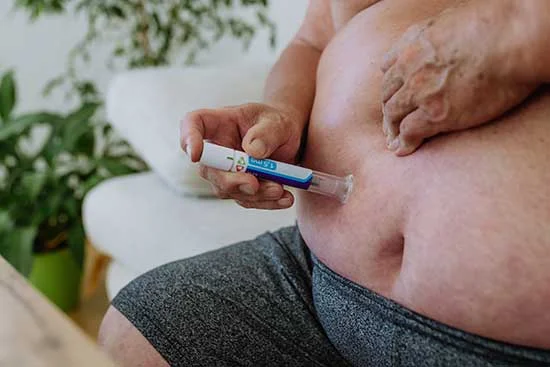
Trulicity is injected under the skin once a week, ideally on the same day and at the same time each week. Each injection regulates blood sugar and appetite for the entire week, which makes it convenient for individuals managing Type 2 diabetes and, potentially, their weight. However, it’s essential to note that Trulicity is effective only for people with Type 2 diabetes; it’s not approved for individuals without this condition.
Trulicity works for weight loss by mimicking the effects of a natural hormone in your body called GLP-1 (glucagon-like peptide-1). GLP-1 plays a crucial role in regulating blood sugar levels and appetite. When you take Trulicity, it slows down how quickly food moves through your stomach. This delay helps you feel full longer, reducing the urge to overeat or snack unnecessarily.
“In clinical studies, scientists realized that patients with diabetes have a weakened GLP hormone. By developing a synthetic GLP-1, they created medications like Trulicity to regulate appetite, improve glycemic control, and even promote weight loss,” says Dr. Deanna, a diabetes educator.
Another way Trulicity aids in weight loss is by signaling your brain that you’re full, even if you’ve eaten less food. It directly impacts areas of the brain involved in hunger and satiety, helping people make better dietary choices without feeling deprived. Additionally, Trulicity lowers blood sugar levels, preventing the spikes and crashes that often lead to cravings for unhealthy foods.
How Much Weight Loss Can You Lose in Trulicity?
Research indicates that Trulicity can help people lose weight, but the results vary significantly between individuals. On average, many people lose about 2 to 6 pounds while taking Trulicity, though some may even gain weight. Individual responses to the medication, lifestyle factors, and the presence or absence of gastrointestinal side effects influence this variability.
Dr. Deanna explains, “We’ve observed weight loss to be dose-dependent, with higher doses leading to more significant results. For example, patients on the 4.5 mg dose in the AWARD-11 trial experienced up to 10 pounds of weight loss over 36 weeks.”
Here’s what specific studies reveal about Trulicity’s active ingredient, dulaglutide:
Greater weight loss compared to insulin glargine: A study involving 588 patients showed that those using dulaglutide lost an average of 3.23 kg (approximately 7.1 pounds). Interestingly, 49% of participants on dulaglutide did not gain weight, compared to only 19% on insulin glargine.
AWARD-1 trial: Participants on dulaglutide 0.75 mg experienced a minor weight gain of 0.2 kg (0.44 pounds).
AWARD-3 trial: Weight loss with dulaglutide was similar to metformin, a commonly used diabetes medication known for its weight-neutral to weight-loss effects.
AWARD-4 trial: Dulaglutide 1.5 mg led to an average weight loss of 0.87 kg (1.9 pounds) after 26 weeks. Meanwhile, the 0.75 mg dose was weight neutral.
AWARD-6 trial: Participants using dulaglutide 1.5 mg lost an average of 2.8 kg (6.2 pounds), while those on liraglutide—a similar GLP-1 receptor agonist—lost slightly more, at 3.6 kg (7.9 pounds).
AWARD-11 trial: After 36 weeks, weight loss was dose-dependent:
- Dulaglutide 4.5 mg: 4.7 kg (10.1 pounds)
- Dulaglutide 3 mg: 4 kg (8.4 pounds)
- Dulaglutide 1.5 mg: 3 kg (6.6 pounds)
While Trulicity and other GLP-1 receptor agonists generally lead to weight loss, about 15-30% of users may gain weight. Factors such as higher starting weight and experiencing longer-lasting gastrointestinal side effects (such as nausea) have been linked to greater weight loss. This highlights the importance of personalized treatment and realistic expectations for those considering Trulicity.

Do Doctors Prescribe Trulicity for Weight Loss?

The FDA does not specifically approve trulicity for weight loss. However, due to its weight-loss effects observed during clinical trials, some doctors may prescribe it off-label to assist with weight management, particularly for patients with Type 2 diabetes and obesity.
When prescribed off-label, doctors carefully consider a patient’s overall health, weight-related complications, and other medical conditions. Trulicity is often recommended as part of a comprehensive treatment plan that includes dietary changes, exercise, and sometimes behavioral therapy. It’s important to note that doctors usually prioritize using medications specifically designed and approved for weight loss, such as Wegovy or Saxenda, over off-label use of Trulicity.
The decision to prescribe Trulicity for weight loss depends on the patient’s circumstances. For example, if a patient with Type 2 diabetes struggles to manage their weight and blood sugar simultaneously, Trulicity could be a beneficial dual-purpose solution. However, it is generally not prescribed for people without Type 2 diabetes, as its primary role is to regulate blood sugar levels rather than act solely as a weight-loss drug.
Patients considering Trulicity for weight loss should have an open discussion with their healthcare provider to understand the potential benefits, limitations, and risks.
How Long Does It Take for Trulicity to Work?
The effects of Trulicity start relatively quickly, but the timeline for noticeable results can vary depending on what it is being used for. For blood sugar control, Trulicity typically begins to work within a few days after the first injection, with significant improvements seen over the first few weeks of consistent use. For weight loss, however, the timeline is more gradual and depends on individual factors such as diet, activity levels, and how the body responds to the medication.
Most people using Trulicity for weight management begin to notice changes in their appetite within the first two to four weeks. This is because Trulicity slows digestion and reduces hunger signals, leading to smaller meal portions and fewer cravings. However, actual weight loss often becomes evident after several weeks or even months of consistent use.
Clinical studies show that noticeable weight changes can take around 12 to 36 weeks. For example, in trials like AWARD-11, participants experienced the most significant weight loss after 36 weeks of treatment, especially at higher doses like 4.5mg. It’s important to keep in mind that weight loss with Trulicity is gradual, with most people losing a few pounds over several months rather than seeing rapid changes.
It’s also worth noting that Trulicity is not a standalone solution for weight loss. Its effectiveness is significantly enhanced when combined with a healthy diet and regular exercise. Patience and consistency are key to achieving the desired results, as the medication works overtime to promote sustainable weight management.
Articles you may also be interested in



Trulicity Dosage for Weight Loss
The standard dosages of Trulicity are primarily designed to manage blood sugar levels, but they also influence weight loss. Higher doses generally lead to greater results.
Dr. Deanna advises, “We always start with a lower dose to ensure tolerance, then gradually increase to achieve the desired results while minimizing side effects like nausea.”
Below is a detailed table summarizing the available Trulicity dosing for weight loss and their effects, including weight loss data from clinical studies.
| Dosage | Purpose | Weight Loss Effect | Notes |
| 0.75 mg/week | Initial dose for Type 2 diabetes management | Generally weight-neutral. In some cases, minor weight changes (±0.2 kg) have been observed. | Typically used as a starting dose to minimize side effects like nausea. |
| 1.5 mg/week | Standard maintenance dose | Average weight loss: 3 kg (6.6 lbs) in clinical studies after 36 weeks. | Often prescribed once patients adjust to the 0.75 mg dose. |
| 3 mg/week | Higher dose for more intensive management | Average weight loss: 4 kg (8.8 lbs) in trials after 36 weeks. | Suitable for patients who tolerate lower doses well and need more significant results. |
| 4.5 mg/week | Maximum dose | Average weight loss: 4.7 kg (10.4 lbs) in studies after 36 weeks. | Higher doses may result in stronger appetite suppression but can increase side effects. |
What Are the Side Effects of Using Trulicity for Weight Loss?
Below is a list of potential side effects associated with Trulicity:
- Nausea
- Diarrhea
- Vomiting
- Decreased appetite
- Abdominal pain
- Fatigue
- Dyspepsia (indigestion)
- Bloating
- Constipation
- Flatulence
- Injection site reactions
- Hypoglycemia (low blood sugar, especially when combined with other diabetes medications)
- Pancreatitis (rare but serious)
- Kidney problems (e.g., worsening of existing kidney disease)
- Thyroid tumors, including cancer (rare, noted in animal studies)
These side effects can vary in intensity and may lessen over time as the body adjusts to the medication.
Who Can Use Trulicity for Weight Loss?

Trulicity is primarily approved for adults with Type 2 diabetes to help manage blood sugar levels. However, it may also be considered for weight loss in specific cases, particularly for individuals who have Type 2 diabetes and struggle with obesity. Below are the typical criteria for who might use Trulicity for weight loss:
- Type 2 Diabetes Diagnosis: Trulicity is only effective in individuals with Type 2 diabetes as it regulates blood sugar levels and improves insulin sensitivity, which can also indirectly promote weight loss.
- Obesity or Overweight: People with a body mass index (BMI) of 30 or higher (obesity) or a BMI of 27 or higher with associated conditions, such as high blood pressure, may benefit from Trulicity’s weight-loss effects.
- High Cardiovascular Risk: Trulicity is often prescribed to people with Type 2 diabetes who have a high risk of cardiovascular events, as it helps reduce the risk of heart attack and stroke while also supporting weight management.
- Patients Unsuccessful with Other Weight-Loss Methods: If diet, exercise, or other medications have failed to produce significant results, a doctor may consider Trulicity as part of an off-label weight-loss strategy for eligible individuals.
Who Should Avoid Trulicity?
Trulicity is not suitable for:
- Individuals with Type 1 diabetes or those without a diabetes diagnosis.
- People with a personal or family history of medullary thyroid carcinoma (MTC).
- Those with multiple endocrine neoplasia syndrome type 2 (MEN 2).
- Individuals with a history of severe gastrointestinal conditions, such as gastroparesis.
- Pregnant or breastfeeding women, unless explicitly advised by a doctor.
Trulicity vs. Other Weight Loss Medications
Here’s a comparison of Trulicity and other commonly used medications for weight loss, focusing on their key differences:
| Medication | Active Ingredient | Approved For | Dosing Frequency | Average Weight Loss | FDA-Approved for Weight Loss | Key Notes |
| Trulicity | Dulaglutide | Type 2 diabetes | Once weekly | 2-6 pounds (higher doses: up to 10 lbs) | No | Primarily for diabetes; weight loss is an off-label benefit. |
| Wegovy | Semaglutide | Weight loss (BMI greater than or equal to 30 or greater than or equal to 27 w/ risk) | Once weekly | 15% of body weight on average | Yes | FDA-approved specifically for chronic weight management. |
| Ozempic | Semaglutide | Type 2 diabetes | Once weekly | Up to 14 lbs in clinical trials | No | Similar to Wegovy but primarily for diabetes. Often used off-label for weight loss. |
| Saxenda | Liraglutide | Weight loss (BMI greater than or equal to 30 or greater than or equal to 27 w/ risk) | Daily injection | 8% of body weight on average | Yes | FDA-approved for weight loss but requires daily administration. |
| Contrave | Naltrexone/Bupropion | Weight loss (BMI greater than or equal to 30 or greater than or equal to 27 w/ risk) | Daily oral dose | 5-10% of body weight | Yes | Targets appetite and cravings but not recommended for patients with seizure disorders. |
| Phentermine | Phentermine | Short-term weight loss | Daily oral dose | 3-5% of body weight in a few months | Yes (short-term use) | Only approved for short-term use due to the risk of dependence and cardiovascular issues. |
Conclusion
Trulicity is a powerful tool for managing Type 2 diabetes, and its secondary benefits for weight loss have made it a topic of interest for those seeking to shed pounds. While not FDA-approved for weight loss, Trulicity can help certain individuals lose weight when combined with lifestyle changes like a balanced diet and regular exercise. Clinical studies have demonstrated its effectiveness, particularly at higher doses, but results can vary greatly depending on individual circumstances.
If you are living with Type 2 diabetes and are struggling with weight management, Trulicity may offer a dual benefit of improving blood sugar control and supporting gradual weight loss. However, for individuals seeking weight loss without a diabetes diagnosis, other medications like Wegovy or Saxenda, which are specifically approved for obesity, may be more appropriate.
Before considering Trulicity or any weight-loss medication, you must have an open conversation with your doctor to discuss your goals, medical history, and the best options for your needs.
Frequently Asked Questions
Sources
Eli Lilly and Company. (n.d.). Efficacy: Weight loss & dosing. Retrieved November 24, 2024, from https://trulicity.lilly.com/hcp/efficacy-weight/weight-loss-dosing
Eli Lilly and Company. (n.d.). How to use: Side effects. Retrieved November 24, 2024, from https://trulicity.lilly.com/how-to-use/side-effects
Fuechtenbusch, M., Aberle, J., Heitmann, E., Nicolay, C., & Jung, H. (2019). Weight loss in patients with type 2 diabetes receiving once-weekly dulaglutide plus insulin lispro or insulin glargine plus insulin lispro: A post-hoc analysis of the AWARD-4 study across baseline body mass index subgroups. Diabetes, Obesity, and Metabolism, 21(3), 725–733. https://pubmed.ncbi.nlm.nih.gov/30737891/


