
If you’ve been depending on Trulicity to manage your type 2 diabetes, the recent Trulicity shortage in 2024 may have left you feeling anxious and frustrated.
Many patients like Robby McLean have expressed their concerns: “I went to refill my prescription, and I was told it was on backorder… they had no idea when I’d get it.” For patients who rely on Trulicity to control their blood sugar levels, this situation can feel overwhelming, especially as pharmacies struggle to meet the increased demand.
Trulicity, initially designed to help manage diabetes and reduce the risk of heart disease, has also gained attention for its potential role in weight loss. However, the rising demand, partly driven by those seeking it for weight loss, has led to significant supply chain challenges. As this shortage continues into 2024, securing your next dose quickly has become more difficult, but there are ways to navigate the situation.

Why Is There a Shortage of Trulicity?
Several factors drive the current Trulicity drug shortage. One of the primary reasons is the unprecedented rise in demand, not just from people with type 2 diabetes but also from those using it off-label for weight loss. This surge has stretched production capacities beyond what was initially anticipated, leading to widespread supply issues.
Increased Off-Label Use for Weight Loss
Trulicity was originally designed to help manage blood sugar in people with type 2 diabetes, but its side effect of weight loss has made it incredibly popular among non-diabetic users. This off-label use, particularly driven by social media platforms like TikTok, has dramatically increased demand, overwhelming the current supply chain. Many users, celebrities included, are touting their rapid weight loss results, which has led to more people asking their doctors for the prescription—even when they don’t have diabetes.
Global Supply Chain Disruptions
Like many other medications, Trulicity’s production has been impacted by global supply chain disruptions. These disruptions are due to factors, such as the COVID-19 pandemic, shipping delays, and shortages of raw materials needed for pharmaceutical production. Manufacturers have struggled to keep up with the increased demand while managing these logistical challenges.
Growing Prevalence of Type 2 Diabetes
The rising number of people diagnosed with type 2 diabetes also plays a major role in the shortage. As more patients require medications like Trulicity to manage their condition, the already stretched supply cannot meet the growing demand. This has led to limited availability in pharmacies, leaving many patients without access to the medication they depend on.
Manufacturing Limitations
Another contributing factor is the limited manufacturing capacity. Eli Lilly, the maker of Trulicity, has been working to expand production, including investing $450 million in new facilities to meet demand. However, these expansions take time to become fully operational, leaving a temporary gap between demand and supply.
How Are Pharmacies Managing the Trulicity Shortage?
Local and online pharmacies are taking different approaches to manage the Trulicity shortages. Some limit how many prescriptions they can fill to ensure fair patient distribution. Others are offering alternative medications to fill the gap. Online pharmacies, in particular, are working closely with manufacturers and suppliers to restock their inventory as quickly as possible. In some cases, they provide Trulicity shortage updates on expected restocking dates.
Local pharmacies may also help patients transfer prescriptions to another location with available stock, while some suggest that patients sign up for waitlists or email notifications when Trulicity becomes available again.
What Are the Best Alternatives to Trulicity During the Shortage?
If you’re unable to access Trulicity, there are several alternative medications for diabetes management. These alternatives offer similar benefits, such as helping to control blood sugar levels and, in some cases, promoting weight loss. Here is a breakdown of the most common alternatives:
| Medication | Purpose | Approx. Price (US) | BCI Price | Formulation | Notes |
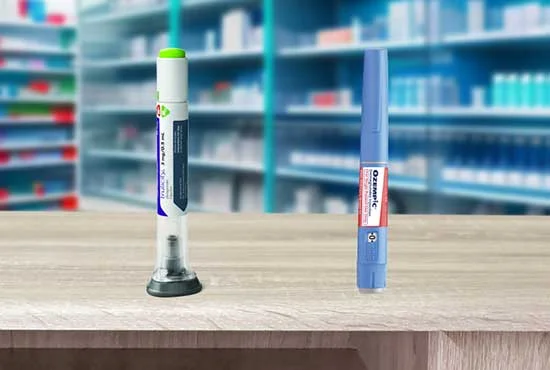
| Ozempic | GLP-1 receptor agonist, lowers blood sugar | $1000 | $329.95 | Injectable, weekly | Also helps with weight management; similar to Trulicity but can have varying side effects |
| Victoza | GLP-1 receptor agonist, helps with blood sugar control and weight loss | $900+ | $255 | Injectable, daily | Daily injection alternative; effective for blood sugar control and weight loss. Shorter-acting than Trulicity but still effective. |
| Rybelsus | GLP-1 receptor agonist in oral form | $800+ | $297 | Oral, daily | Ideal for those preferring an oral medication. |
| Jardiance | SGLT2 inhibitor, reduces glucose reabsorption | $600 | $139 | Oral, daily | An alternative class that may not be as effective for all. |
Each alternative has its own pros and cons. For example, Ozempic is very similar to Trulicity in terms of effects but may be more expensive depending on your location. Victoza requires daily injections, which can be less convenient, but it offers comparable results. Bydureon provides weekly dosing like Trulicity but may not be as widely available. Oral medications like Rybelsus are available for those who prefer not to inject.
Can You Get Trulicity from International Pharmacies?
Yes, it is possible to purchase Trulicity from international pharmacies, and this can be a reliable option during shortages in the US. For instance, while many local US pharmacies are struggling with stock due to high demand and supply chain disruptions, online Canadian pharmacies such as BuyCanadianInsulin.com remain well-stocked.
In fact, BuyCanadianInsulin.com offers Trulicity at a significantly lower price of $282 for 4 pens compared to the US, where prices can exceed $900. Here are some reasons why you should consider purchasing from BuyCanadianInsulin.com:
How Can You Use Patient Assistance Programs to Get Trulicity Quickly?
Patient Assistance Programs (PAPs) can provide essential support for individuals who struggle to afford their medications, especially during shortages. Pharmaceutical companies often run these programs to help eligible patients receive their medications for free or at a lower cost. While this sounds promising, availing Trulicity through these programs can be challenging due to strict eligibility requirements.
To get started with a PAP, you typically need to meet specific income guidelines, provide detailed financial documentation, and demonstrate a lack of adequate insurance coverage for the medication. The paperwork can be extensive, and the approval process may take time, delaying your ability to access Trulicity quickly.
Step-by-Step Guide to Using a Patient Assistance Program for Trulicity:
- Check Eligibility: Each patient assistance program has strict eligibility requirements. Typically, they look at your income, insurance status, and whether or not you’re a U.S. citizen. You will need to provide proof of income, household size, and details of your medical condition. If you don’t meet these criteria, your application could be denied.
- Find the Right Program: Visit the manufacturer’s website or consult with your healthcare provider to determine which PAP offers assistance for Trulicity. Eli Lilly, the manufacturer of Trulicity, offers a specific program for patients who meet the income and insurance requirements.
While patient assistance programs can be a helpful resource, they are not always the fastest solution due to the paperwork and approval process involved. If you’re facing an immediate Trulicity shortage, you may need to explore additional options like international pharmacies or alternative medications while waiting for approval.
Is It Safe to Use Compounded Medications as a Substitute for Trulicity?
Compounded medications are custom-made formulations pharmacists create to meet specific patient needs, often when a commercial product like Trulicity is unavailable. While they may seem like a good option during a shortage, there are important safety considerations to remember. The FDA does not regulate compounded medications like commercially manufactured drugs, meaning their safety, effectiveness, and quality can vary.
For example, the exact dosage may not be as precise as in standard medications, leading to the risk of under- or overdosing. Additionally, compounded medications may not undergo the same rigorous testing for purity and stability. Some studies suggest that compounded medications can be effective in certain situations. However, they should be considered a last resort, particularly when dealing with a complex medication like Trulicity, which involves precise dosing to manage blood sugar effectively.
It’s important to weigh the risks and benefits and consult your doctor before considering compounded alternatives to ensure they’re safe for managing your diabetes.
What Should You Do If You Miss a Dose Due to the Trulicity Shortage?
If you miss a dose of Trulicity because of the current shortage, it’s important to act quickly to avoid disruptions in your diabetes management. The first thing to do is to try to get your prescription filled as soon as possible through local pharmacies, online platforms, or by considering alternatives, as mentioned earlier.
In the meantime, do not double up on your next dose to make up for the missed one. Trulicity is a weekly medication, so you’ll need to resume it as soon as your next dose is due. If you miss a dose by more than three days, you should skip that dose and take your next scheduled dose.
If you’re unable to get your next dose for an extended period, talk to your doctor about alternative medications you can use temporarily. Missing a dose can increase your blood sugar levels, so it’s essential to monitor your levels more frequently and make adjustments to your diet or exercise routine to help manage them until you get your medication.
When Will the Trulicity Shortage End?
The Trulicity shortage is expected to continue at least through the end of 2024. The root causes of the shortage include both the surging demand for the medication and global supply chain issues. According to Eli Lilly, the manufacturer of Trulicity, production capacity is gradually increasing. The company has invested $450 million into expanding its manufacturing plant in North Carolina, which is projected to double production capacity. However, the effects of these improvements won’t be fully realized until later in 2024.
For now, patients should explore alternative medications, patient assistance programs, and international pharmacies while keeping in close contact with their doctors and pharmacies to secure refills as soon as they become available.

Conclusion
If you’re facing a Trulicity shortage, don’t panic. You can take steps to manage your diabetes while securing your supply. Explore alternatives like Ozempic or Victoza, and consider options from international pharmacies such as BuyCanadianInsulin.com, where Trulicity is always available. Keep an eye on patient assistance programs and stay informed about restocks. Acting quickly and exploring these options can help you navigate the shortage with less stress.
Frequently Asked Questions
Articles you may also be interested in


Sources
Therapeutic Goods Administration. (2022). About Trulicity (dulaglutide) shortage 2022 and 2023. https://www.tga.gov.au/safety/shortages/information-about-major-medicine-shortages/about-trulicity-dulaglutide-shortage-2022-and-2023
Lilly Australia. (n.d.). Trulicity stock availability. https://www.lilly.com/au/trulicity-stock-availability
American Society of Health-System Pharmacists. (n.d.). Drug shortage detail: Trulicity. https://www.ashp.org/drug-shortages/current-shortages/drug-shortage-detail.aspx?id=862&loginreturnUrl=SSOCheckOnly
Morris Garritano. (2023). Why is there a shortage of GLP-1 diabetes type 2 medications such as Ozempic? https://morrisgarritano.com/resource/why-is-there-a-shortage-of-glp-1-diabetes-type-2-medications-such-as-ozempic/
CBS News. (2023, January 26). Diabetes patients frustrated as popularity of Ozempic and Trulicity limits supply. https://www.cbsnews.com/newyork/news/diabetes-patients-frustrated-as-popularity-of-ozempic-and-trulicity-limits-supply/


