
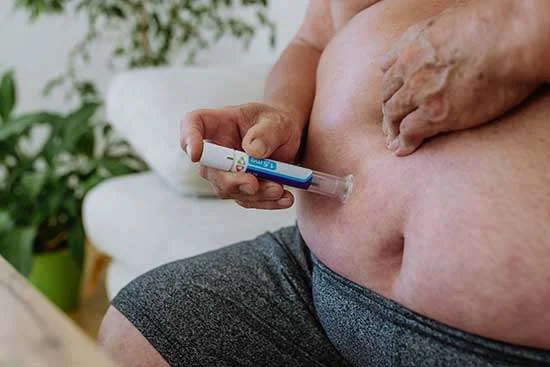
Trulicity (dulaglutide) and Ozempic (semaglutide) belong to the same class of GLP-1 receptor agonists. These drugs are approved by the Food and Drug Administration (FDA) to treat Type 2 diabetes. To administer, you can either learn how to self-inject the solution under your skin or visit your doctor to get the shot. Both Trulicity and Ozempic share the same mechanism of action but differ in their potency, tolerability, and pharmacokinetics (what the body does to the drug) due to their different active ingredients, which lead to different effects. Explore which of the two is better for diabetes and weight loss.
Comparing Trulicity vs. Ozempic

How does Trulicity compare to Ozempic? Here’s a table showing their differences.
| Features | Trulicity | Ozempic |
| Active ingredient | Dulaglutide | Semaglutide |
| Mainly prescribed for | Lowering blood sugar levels in children aged 10 and older and adults with Type 2 diabetes | Lowering blood sugar levels in adults with Type 2 diabetes |
| Other uses | Reducing heart-related complications in adults with diabetes who have heart disease or multiple heart risk factors | Reducing the risk of heart disease and kidney complications in patients with diabetes, heart conditions, and chronic kidney disease |
| Available dosage | 0.75 mg, 1.5 mg, 3 mg, and 4.5 mg prefilled single-use pens | 0.25 mg, 0.5 mg, 1 mg, and 2 mg solutions for injection, prefilled pens |
| Recommended starting dosage | 0.75 mg injection once a week and increase to 1.5 mg once weekly | 0.25 mg once a week and increase to 0.5 mg once weekly |
| Commonly reported adverse reactions | vomiting, nausea, diarrhea, abdominal pain, and loss of appetite | nausea, vomiting, diarrhea, abdominal pain and constipation |
| Contraindications | Not to be used by patients diagnosed with or genetically predisposed to medullary thyroid carcinoma (MTC), multiple endocrine neoplasia syndrome type 2 (MEN2), or those with severe allergies to dulaglutide and its components | Not to be used by patients diagnosed with or are genetically predisposed to (MEN2), or are hypersensitive to semaglutide and its other components |
Trulicity and Ozempic have the same mechanism of action. They contain compounds that:
- Slow down the digestion process
- Stimulate the pancreas to release more insulin after a meal
- Stop the liver from releasing stored glucose
Doctors prescribe either of these two, along with a healthy diet and exercise, to improve sugar control in people living with diabetes.
Trulicity vs. Ozempic for Diabetes

Which is better for managing blood sugar levels? Many claim Ozempic is a better choice, but why? Here’s how they compare in terms of their active ingredients, dosage, side effects, and costs.
Semaglutide vs. Dulaglutide: Which is More Effective?
Trulicity contains dulaglutide, while Ozempic contains semaglutide.
One study compared the effectiveness of semaglutide 1 mg (Ozempic) to dulaglutide 3 mg and 4.5 mg (Trulicity) in reducing HbA1c or blood sugar levels and promoting weight loss in people with diabetes.
Researchers found that semaglutide 1 mg was more effective than dulaglutide 3.0 mg in lowering blood sugar levels. It also worked similarly to dulaglutide 4.5 mg when lowering HbA1c compared to baseline levels.
For weight loss, patients who took semaglutide 1 mg lost 2.65 kilograms more than those who took dulaglutide 3 mg and 1.95 kilograms more than those who took dulaglutide 4.5 mg.
In a nutshell, 1 mg of semaglutide is better for weight loss than 3 mg and 4.5 mg doses of dulaglutide.
0.75 mg or 0.25 mg: What’s the Right Starting Dose?
Trulicity vs. Ozempic dosage differs in terms of their recommended initial dose. For Trulicity, the suggested starting dose for both adults and children with Type 2 diabetes is 0.75 mg once weekly via subcutaneous injection. The doctor may gradually increase the dosage.
- 5 mg once per week
- Increase by 1.5 mg after maintaining the current dose for at least 4 weeks
- The maximum recommended dose of Trulicity for adults is 4.5 mg per week and 1.5 mg for children.
For Ozempic, the starting dose is 0.25 mg weekly, administered with or without food. After four weeks, the doctor may increase the dosage.
- 5 mg per week
- 1 mg per week, but only after staying on the 0.5 mg dose for at least four week
- 2 mg per week, but only after four weeks on 1 mg
- The maximum dosage for Ozempic is 2 mg once weekly.
The 0.75 mg of Trulicity is the lowest dose, whereas, of 0.25 mg is the lowest dose Ozempic. These are not considered equivalent in efficacy or potency.
Trulicity vs. Ozempic Side Effects: What to Expect
Common side effects associated with using Trulicity include:
-
- Nausea
- Abdominal pain
- Diarrhea
- Vomiting
- Decreased appetite
- Dyspepsia
- Fatigue
Based on clinical trials, gastrointestinal adverse reactions ranged from mild to severe. For patients who took 0.75 mg of Trulicity:
-
- 58% experienced mild symptoms
- 35% experienced moderate symptoms
- 7% experienced severe symptoms
Meanwhile, patients who took Ozempic exhibited these common side effects:
-
- Nausea
- Vomiting
- Diarrhea
- Abdominal pain
- Constipation
Less than 5% of patients treated with Ozempic 0.5 mg and 1 mg experienced the following symptoms:
-
- Eructation (burping)
- Flatulence (farting)
- Gastroesophageal reflux disease
- Dyspepsia
- Gastritis
Trulicity vs. Ozempic Serious Health Risks: What to Watch For
The use of Trulicity may increase the risk of developing the following conditions:
-
- Hypoglycemia or low blood sugar levels
- Thyroid C-cell tumors
- Pancreatitis
- Serious hypersensitivity reactions, such as hives and swelling on the face and lips
- Severe gastrointestinal disease
- Diabetic retinopathy complications that affect vision
- Acute gallbladder disease
- Acute kidney injury
Ozempic use may increase the risk of developing the following conditions:
-
- Acute pancreatitis
- Diabetic retinopathy complications
- Hypoglycemia
- Acute kidney injury due to volume depletion that may require hemodialysis
- Severe gastrointestinal adverse reactions
- Hypersensitivity reactions
- Acute gallbladder disease
- Pulmonary aspiration or accidental entry of foreign materials in the lungs for patients taking Ozempic while undergoing elective surgeries
As you can see, Trulicity and Ozempic side effects can range in severity. Based on trials, Trulicity use was associated with milder symptoms compared to Ozempic. Therefore, it may be a better diabetes treatment for those with pre-existing conditions who want to minimize the cumulative side effects of taking more than two drugs.
Safety Note: Both Trulicity and Ozempic are promising drugs to treat diabetes, but they come with risks. That’s why it’s crucial to inform your doctor about your existing health conditions. Doing so will allow them to determine the right drug and dose to minimize the risk of adverse reactions.
Trulicity vs. Ozempic Cost: Which One Is More Affordable?
Trulicity and Ozempic are both injected weekly, but they are packaged differently. Trulicity pens hold a single dose, so a month takes four pens. Each Ozempic pen holds four doses, so one pen usually covers a month.
Here is what each medication costs through Trulicity and Ozempic, in U.S. dollars, with bulk orders bringing the monthly cost down.
Trulicity (0.75 mg or 1.5 mg pens)
| Quantity | Supply | Total price | Average per month |
| 4 pens | 1 month | $282 | $282 |
| 8 pens | 2 months | $560 | $280 |
| 12 pens | 3 months | $831 | $277 |
Ozempic (2 mg or 4 mg pens)
| Quantity | Supply | Total price | Price per pen |
| 1 pen | 1 month | $329.95 | $329.95 |
| 2 pens | 2 months | $650.00 | $325.00 |
| 3 pens | 3 months | $969.00 | $323.00 |
| 4 pens | 4 months | $1,276.00 | $319.00 |
Prices are the same at either strength for both medications and may change, so check the Trulicity product page or the guide to buying Ozempic from Canada before ordering.
Patients compare the cost of Trulicity and Ozempic when choosing the best option for their diabetes treatment. While both belong to the GLP-1 class of drugs, Ozempic is more costly, so it may not be financially sustainable for others. However, it’s more effective at managing diabetes and weight loss. Fortunately, some insurance plans may cover part of the cost. Call your provider to confirm your coverage and potential out-of-pocket cost for these diabetic medications.
Trulicity vs. Ozempic for Weight Loss: Which GLP-1 Is Better?

Off-label use of GLP-1 medications for weight loss has grown quickly, and Ozempic is the one patients most often ask about by name, though newer options such as Mounjaro are now part of that conversation. Off-label prescribing is legal and common, but it means the FDA has not reviewed the drug for that use, so the decision belongs with your prescriber.
Both Trulicity and Ozempic aren’t FDA-approved for treating overweight or obesity. However, some doctors may still prescribe them. Trulicity, Ozempic, and other GLP-1 agonists can decrease appetite and food intake, which helps support weight loss.
Based on studies, weight change on Trulicity ranged from a small gain of 0.4 pounds on the 0.75 mg dose to a loss of 10.1 pounds on the 4.5 mg dose.
Ozempic 1 mg may result in more weight loss than the 3 mg or 4.5 mg doses of Trulicity because of the properties of its active ingredient, semaglutide.
Switching from Trulicity to Ozempic: What You Need to Know
Both Trulicity and Ozempic help patients effectively control their glucose levels. However, some may switch from Trulicity to Ozempic because of the differences in effectiveness, side effects, and weight loss benefits.
Reasons for Switching Medications
People generally switch to Ozempic for these reasons:
Things to Consider When Changing Medications
Up to one-fourth of patients switch from their first antidiabetic drugs to another GLP-1 receptor agonist. While this is quite common, here are things you should know and keep in mind before swapping medications.
Ozempic Is Better for Diabetes and Weight Loss Than Trulicity
Based on studies, Ozempic works better at controlling blood sugar and promoting weight loss than Trulicity. One reason is semaglutide’s average half-life is 7 days, while dulaglutide’s is only 5 days. Ozempic remains in the body longer, allowing for steady blood sugar levels throughout the week.
However, some people may stick with Trulicity because it’s more affordable and may have milder side effects with a lower risk of complications compared to Ozempic
Your choice between Ozempic and Trulicity depends on what offers the greatest health benefits for you. Work with your doctor to explore the most appropriate treatment option for managing your diabetes.
Articles you may also be interested in


Frequently Asked Questions



