Over the past two decades, diabetes and obesity rates have continued to rise, making it a major global health concern. Therefore, new medication advancements are currently being heavily targeted for these patient populations.
One of the main medication advancements growing in popularity is the use of GLP-1 receptor agonists. Specifically, Trulicity and Wegovy are both GLP-1 receptor agonists that have grown in favor due to their effectiveness in weight loss and reduction of blood sugar levels. However, even though both are classified as GLP-1 receptor agonists, they differ in their primary uses, active ingredients, and efficacy when being prescribed for patients.
What are GLP-1 Medications?
GLP-1 receptor agonists are primarily used to treat type 2 diabetes, and certain agents, like semaglutide and liraglutide, are also approved for chronic weight management in people with obesity or overweight with weight-related conditions. Most often, they are found as a subcutaneous injection given in the belly, outer thigh, upper buttock, or back of the arm. They work by mimicking the natural hormone in the small intestine called glucagon-like peptide-1 (GLP-1) to reduce blood sugar levels by stimulating insulin release with glucose, slowing down gastric emptying, and promoting satiety. In individuals without diabetes, the GLP-1 response is typically intact, supporting appropriate insulin secretion and appetite regulation after eating. However, diabetic patients present with a diminished effect of GLP-1, leading to an impaired ability to slow down gastric emptying and satiety. Therefore, the use of GLP-1 receptor agonists has been transformative in allowing patients to better manage and control their diabetes, leading to an increased quality of life.
How GLP-1 Receptor Agonists Help with Weight Loss and Blood Sugar
By targeting the pancreas and liver to mimic the GLP-1 hormone, GLP-1 receptor agonists are able to work directly to reduce weight and blood sugar levels. Specifically, within the stomach, GLP-1 receptor agonists work by decreasing gastric emptying and slowing digestion, which in turn leads to increased satiety for patients. This feeling of satiety allows the patient to feel fuller longer, decrease food intake, and reduce appetite and hunger, which is an important aspect for promoting their weight loss. Within the pancreas, GLP-1 receptor agonists stimulate insulin secretion with glucose and inhibit glucagon secretion to decrease blood sugar levels. Similarly, the same is seen within the liver as GLP-1 works to reduce glucose production.
Apart from weight loss and reduced blood sugar levels, GLP-1 receptor agonists also have shown cardio protection for the heart, neuroprotection for the brain, protection of beta cells from apoptosis, and stimulation of beta-cell proliferation, which have all provided additional benefits to using these medications for patients. However, it is important to note that even though GLP-1 receptor agonists have demonstrated these positive outcomes and effects, they alone will not be able to treat type 2 diabetes or obesity. Patients still need to be counseled on the importance of other treatment strategies, such as lifestyle and dietary changes.
What is Trulicity?
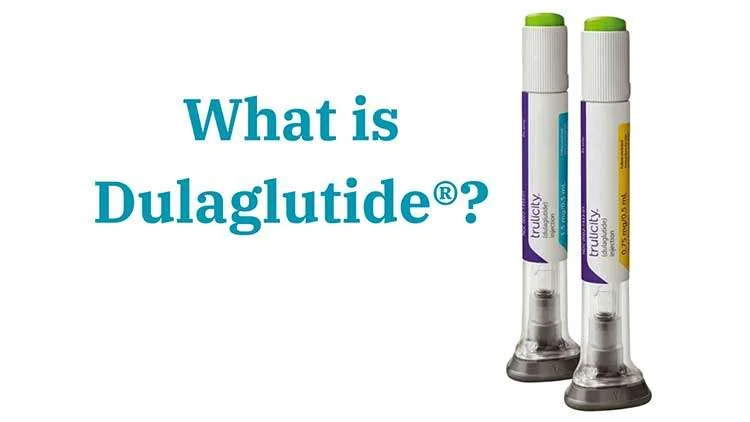
Trulicity, also known as dulaglutide, is a long-acting GLP-1 receptor agonist that is administered once weekly as a subcutaneous injection for the treatment of type 2 diabetes. It is designed to decrease blood sugar and slow down digestion, but when used in combination with diet and exercise lifestyle modifications, it can additionally lower the risk of heart attack and stroke in patients with type 2 diabetes. Trulicity was FDA approved in September 2014 for the treatment of type 2 diabetes.
Trulicity is injected under the skin into the belly, outer thigh, upper buttock, or back of the arm. It should be taken on the same day of each week as directed on the prescription label. It should not be injected with insulin, and each should be administered separately. It requires no priming, and it should not be stopped unless directed by the patient’s care team.

What is Wegovy?
Wegovy, also known as semaglutide, is a long-acting GLP-1 receptor agonist that is administered once weekly as a subcutaneous injection for the treatment of obesity. Wegovy’s main indication is for weight loss, but like other GLP-1 receptor agonists, it may also help lower blood glucose in individuals with insulin resistance or prediabetes. The medication should be used in addition to diet and lifestyle modifications. Wegovy was FDA approved in June 2021 as the first GLP-1 weight loss medication on the market since 2014. More recently, in 2024, the FDA has approved Wegovy for newer indications, including the use to reduce the risk of cardiovascular death, such as heart attack and stroke, in adults with cardiovascular disease and either obesity or overweight.
Wegovy is injected under the skin into the upper arms, lower stomach, or upper legs. It should be taken on the same day of each week as directed on the prescription label. It should not be given with other active forms of semaglutide.

Trulicity vs Wegovy: Effectiveness for Weight Loss
Both Trulicity (dulaglutide) and Wegovy (semaglutide) have shown success and effectiveness for weight loss. However, Wegovy has shown better weight loss control from individual and combined trials in comparison to Trulicity.
From the Step 1 Trial, semaglutide plus lifestyle interventions vs. placebo were examined in patients who were overweight or obese. Results showed a clinically relevant reduction in body weight. Specifically, from baseline to week 68 of the trial, participants in the Wegovy group experienced a 15% reduction in body weight compared to a 2.4% reduction in the placebo group.
From the AWARD-11 Trial, dulaglutide was examined at higher doses of 3mg and 4.5mg in comparison to 1.5mg for patients with type 2 diabetes. The study found that a significantly greater weight loss was experienced by participants in the higher dosage group of dulaglutide versus the participants in the lower dosage group.

Which Medication Works Faster?
Within a head-to-head comparison of dulaglutide vs. semaglutide, the SUSTAIN-7 Trial compared the two medications in patients with uncontrolled diabetes. The findings from the study showed that semaglutide 0.5mg had a greater mean bodyweight reduction of 4 to 6 kg compared to a 2 to 3 kg reduction with dulaglutide 0.75mg within the 6-month trial period. Patients on semaglutide experienced faster clinically meaningful weight loss targets. Therefore, semaglutide demonstrated superiority in comparison to dulaglutide.
Side Effects of Weight Loss Injections
When individuals start on weight loss injections or increase their dose, one of the most notable aspects is the side effects they are more likely to experience.

Less Frequent |
Common |
Severe (but rare) |
|
|
|
Managing Common Side Effects
For most GLP-1 receptor agonists, gastrointestinal symptoms are the most common effect experienced by patients. They present mild to moderate and typically improve with time. To minimize the intensity of side effects, patients should be started on the lowest dose recommended and titrated every few weeks until the maximum dose and tolerability are reached. When dose escalating, it is important to individualize it based on the patients’ health goals and severity of side effects.
Some additional recommendations to manage common side effects include:
| Nausea | Vomiting | Diarrhea | Constipation |
|
|
|
|
How Convenience and Simplicity Affect Adherence
Since GLP-1s are a subcutaneous injection, some patients may find this more invasive and burdensome, which in turn may affect adherence. Compared to short-acting GLP-1 receptor agonists, which may need to be administered once daily, Trulicity and Wegovy are both long-acting GLP-1s that only need to be administered once weekly. Considering this, these medications may be much more convenient and simpler for patients to follow. The easier it is for patients to adhere, the more likely they are to experience greater benefits from the medications regarding their health. Also, less bruising and side effects may be prevalent with only once weekly dosing.
Articles you may also be interested in


Alternatives and Substitutes
Apart from Trulicity and Wegovy, there are many alternative GLP-1 receptor agonists that are currently on the market. These agents demonstrate similar efficacy, with some including additional benefits.
- Short acting
- Byetta (exenatide) – twice daily dosing
- Victoza (liraglutide) – daily dosing
- Adlyxin (lixisenatide) – daily dosing
- Rybelsus (oral semaglutide) – daily dosing
- Long acting – once weekly
- Bydureon (exenatide)
- Ozempic (semaglutide)
- Mounjaro (tirzepatide)
Besides GLP-1 receptor agonists, patients may also use other alternatives for the treatment of diabetes and obesity. A few of these options include:
- Januvia (sitagliptin) – a DPP-4 inhibitor to manage blood sugar
- Jardiance (empagliflozin) – an SGLT2 inhibitor to prevent the reabsorption of glucose
- Glucotrol (glipizide) – a sulfonylurea used to stimulate insulin release to reduce A1c
- Xenical (orlistat) – a GI lipase inhibitor used to reduce the absorption of dietary fat
- Qsymia (phentermine/topiramate) – used to suppress appetite and reduce food intake
Who Might Benefit from an Alternative?
When choosing a GLP-1 alternative, there are some factors to consider. First, there are the side effects that patients may experience from certain doses of GLP-1s. An alternative may be used to see if patients experience better tolerability. Also, additional cardiovascular benefits can be seen with liraglutide. These are important for individuals at an increased risk of MI, stroke, and CV death. Lastly, depending on the patient’s insurance coverage, some alternatives may be cheaper in comparison to Trulicity and Wegovy.
Cost and Insurance Coverage
According to Eli and Lilly, the list price of Trulicity is $987.19 for a 30-day supply. However, the amount paid will depend on the type of individual’s insurance. When covered, the price of the medication is significantly less, likely ranging from $0 to $200, depending on the type of coverage and location.
According to Novo Nordisk, the list price of Wegovy is $1,349.02 for a 30-day supply. The out-of-pocket cost will depend on the individual’s insurance coverage and whether it will cover weight-management medications.
Looking for Affordable Wegovy or Trulicity?
If you’re struggling with high out-of-pocket costs for GLP-1 medications like Wegovy or Trulicity, you’re not alone. While some manufacturers offer savings cards or copay programs, these often have eligibility restrictions or limited coverage. At BuyCanadianInsulin.com, you can skip the hassle and access authentic Wegovy and Trulicity at significantly lower prices, no insurance required.
How to Choose Between Trulicity and Wegovy
When choosing between Trulicity and Wegovy, there are some factors to consider. Even though both demonstrate similar side effects and dosing/administration profiles, Wegovy does prove to have quicker and greater efficacy related to weight loss and A1c outcomes. Also, Wegovy has an indication for weight loss, while Trulicity is used off-label for weight loss. This is important to take into consideration, especially with insurance coverage, since some plans vary on whether they will cover these costs.
Questions to Ask Your Doctor
Considering that GLP-1s are relatively newer medication advancements, asking specific questions to your doctor may help avoid any complications and confusion when starting on Trulicity or Wegovy.
- In which patients should these medications not be used?
- Are there any medications that interact with Trulicity or Wegovy?
- Can these be taken with other medications used to treat diabetes?
- What possible side effects should I be aware of?
- Are there any health metrics that need to be monitored while on this medication?
- Am I able to afford this treatment long term?
- Are Trulicity and Wegovy safe for pregnancy?
Conclusion
The use of GLP-1 receptor agonists, such as Trulicity and Wegovy, is increasingly growing in popularity due to their success in reducing weight and blood sugar levels. Both demonstrated similar side effects, dosing, and administration, but Wegovy has shown an increasing effectiveness for weight loss in comparison to Trulicity. This might pose as a better option for patients who are looking to lose weight more rapidly; however, it is still important to discuss the potential risks and benefits when deciding which GLP-1 may be best for you.
Frequently Asked Questions