
If you’re exploring weight loss medications, you’ve probably come across Trulicity vs. Zepbound comparisons. Both are once-weekly injections that can help with weight management, but they’re not identical. Understanding how each works can help you make a more informed decision with your healthcare provider.
Trulicity (dulaglutide) is primarily used to manage type 2 diabetes and reduce cardiovascular risk. Zepbound (tirzepatide) is approved specifically for weight loss in people with obesity or excess weight. While both can support weight management, they target different hormones in your body.
Choosing between these medications depends on your health goals, medical history, and how your body responds to treatment. This guide breaks down how each medication works, what results you might expect, and what factors matter most when comparing the two.
How These Medications Work

If you’re trying to understand Trulicity vs. Zepbound, it helps to know that the former is a mono-GLP-1 agonist, while the latter is a dual GIP and GLP-1 agonist. These medications mimic natural gut hormones that help regulate blood sugar, slow digestion, and reduce appetite.
The key difference lies in how many hormones each medication targets. Trulicity activates one hormone pathway, while Zepbound activates two. This distinction affects how effectively each medication supports weight loss and blood sugar control.
Trulicity’s Single-Target Approach
Trulicity (dulaglutide) is a GLP-1 receptor agonist that helps control blood sugar in people with type 2 diabetes. It’s only approved for diabetes management, not specifically for weight loss. The medication works by mimicking the GLP-1 hormone, which your gut naturally produces after eating.
Here’s how Trulicity affects your body:
-
- Insulin release: Trulicity signals your pancreas to release insulin only when blood sugar levels are elevated.
- Delayed gastric emptying: The medication slows how quickly food leaves your stomach, helping you feel satisfied longer after meals.
- Appetite suppression: By affecting brain receptors that control hunger, Trulicity can reduce cravings and overall food intake.
Trulicity is taken as a once-weekly injection. It’s available in doses of 0.75 mg to 4.5 mg, which can be adjusted by your provider based on how well your blood sugar is controlled.
Zepbound’s Dual-Hormone Mechanism
Zepbound (tirzepatide) is a dual GIP and GLP-1 receptor agonist, meaning it mimics two. The medication activates both the GLP-1 pathway (like Trulicity) and the GIP (glucose-dependent insulinotropic polypeptide) pathway.
The dual mechanism works like this:
-
- Enhanced insulin response: By activating both GIP and GLP-1 receptors, Zepbound can trigger a stronger insulin release when blood sugar rises.
- Greater appetite reduction: The combined hormone action appears to have a more powerful effect on reducing hunger and food intake.
- Improved fat metabolism: The GIP pathway may help your body process and store fat differently.
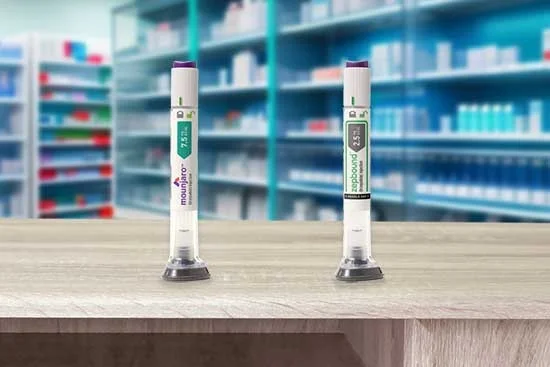
Zepbound is FDA-approved for chronic weight management in adults with obesity or excess weight who have at least one weight-related health condition. Zepbound doses range from 2.5 mg to 15 mg weekly, with gradual increases to minimize side effects.
By mimicking two hormones instead of one, Zepbound can be more effective at supporting weight loss for some people.
Weight Loss Effectiveness Comparison

Which medication helps with more weight loss? This is often the first question people ask when comparing Trulicity vs. Zepbound. The medications show different levels of weight loss in their respective trials.
Clinical Trial Results
Zepbound clinical trials showed participants lost around 15%-20% of their body weight on average over 72 weeks. For someone weighing 250 pounds, that could mean losing 37 to 50 pounds on average.
Trulicity shows more modest results, with weight loss typically ranging from a few pounds to around 10 pounds. This difference makes sense given that Trulicity is designed primarily for blood sugar control, not weight management.
It’s important to remember these are average results from controlled trials. Your individual results may be higher or lower depending on your starting weight, health status, and lifestyle factors.
Timeline For Results
Zepbound typically shows effects within a few weeks of starting treatment. Most people notice significant weight loss within 12 weeks. The medication continues working over time, with maximum effects often seen around 72 weeks.
Trulicity may also lead to gradual weight loss over several months. But the timeline can vary widely between individuals. Some people see changes within the first month, while others may take longer to notice results.
Your healthcare provider will likely start you on a lower dose and gradually increase it. This dose escalation helps minimize side effects and allows your body to adjust.
Factors Affecting Success
Your results with either medication depend on more than just the drug itself. Eating balanced meals, staying physically active, and managing stress all contribute to better outcomes.
Higher doses of both medications tend to produce more weight loss. But not everyone can tolerate the highest doses due to side effects. Your provider will work with you to find the dose that balances effectiveness with tolerability.
Individual response varies significantly between people. Your age, metabolism, other health conditions, and genetics all influence how your body responds to these medications.
FDA Approvals And Intended Uses
Many people feel confused about what each medication is officially approved for and when providers might prescribe them differently. Understanding these distinctions can help you have more informed conversations with your healthcare provider.
Zepbound’s Approval Status
Zepbound is FDA-approved for weight loss and for the management of sleep apnea in adults, with the sleep apnea approval effective in December 2024. Specifically, it’s approved for chronic weight management in people with obesity (BMI of 30 or higher) or those who are overweight (BMI of 27 or higher) with at least one weight-related medical condition.
If your main health goal is losing weight and you meet the BMI criteria, Zepbound is being used exactly as intended when prescribed for this purpose.
Trulicity’s Primary Purpose
Trulicity is approved for managing type 2 diabetes in people 10 years and older and reducing cardiovascular risk in adults with Type 2 diabetes. The medication helps control blood sugar levels and lowers the risk of heart-related problems.
While Trulicity can lead to some weight loss as a side effect, that’s not its primary FDA-approved purpose. Providers do prescribe both medications off-label for weight management, but Trulicity’s main focus remains diabetes control and heart health protection.
Off-Label Use Considerations
Off-label prescribing means a healthcare provider prescribes a medication for a purpose other than what it’s officially FDA-approved for. This practice is legal and common when providers believe a medication can help a patient based on available evidence.
Your provider might consider off-label use when standard treatments haven’t worked well or when a medication shows promise for your specific situation. Always discuss your health goals openly with your healthcare provider.
Side Effects And Safety Profiles

We know that thinking about side effects can feel overwhelming when you’re considering a new medication. Both Trulicity and Zepbound can cause similar side effects, but understanding what to expect can help you feel more prepared.
Common Gastrointestinal Effects
The most frequent side effects for both medications affect your digestive system. These gastrointestinal issues are usually most bothersome when you first start treatment or after your provider increases your dose.
Common digestive side effects include:
-
- Nausea: A queasy feeling that can occur after eating or throughout the day.
- Diarrhea: Loose or frequent bowel movements that may disrupt your daily routine.
- Constipation: Difficulty passing stools or less frequent bowel movements.
- Vomiting: In some cases, nausea may progress to vomiting.
- Stomach pain: Discomfort or cramping in your abdominal area.
These side effects happen because both medications slow down how quickly food moves through your digestive system. Most people find these effects improve within a few weeks as their body adapts.
Serious Risk Considerations
Both medications carry warnings about more serious but less common health risks. Understanding these risks helps you recognize warning signs early and seek appropriate care.
Pancreatitis (inflammation of the pancreas) can cause severe abdominal pain that may radiate to your back. Stop taking the medication and contact your healthcare provider immediately if you experience persistent severe stomach pain.
Gallbladder problems, including gallstones and inflammation, may develop during treatment. Thyroid concerns include a potential risk of thyroid tumors. People with a personal or family history of medullary thyroid carcinoma should not take either medication.
Kidney problems can occur, especially if you become dehydrated from vomiting or diarrhea. Low blood sugar (hypoglycemia) is more likely if you take these medications with insulin or certain diabetes pills.
Always discuss your complete medical history with your healthcare provider before starting either medication.
Managing Side Effects
You can take practical steps to minimize common side effects and make your treatment experience more comfortable.
Start with smaller portions at meals. Eating less food at one time puts less strain on your digestive system. Try eating five or six small meals instead of three large ones.
Eat more slowly and chew thoroughly. Taking your time with meals gives your body better signals about fullness. Stay well hydrated throughout the day. Sipping water regularly helps prevent constipation and reduce nausea.
Choose bland, easy-to-digest foods when side effects are strongest. Plain crackers, toast, rice, bananas, and applesauce are gentle on your stomach.
If side effects persist or become severe, contact your healthcare provider. Never stop taking your medication without medical guidance.
Cost Considerations And Insurance Coverage
We know that medication costs can feel overwhelming when you’re managing your health. Understanding what you might pay helps you plan ahead and explore your options.
Typical Price Ranges
Without insurance, both medications come with significant monthly costs. The average retail price of Trulicity in the U.S. is $1,123 per month for prefilled pens. Zepbound’s list price sits around $1,580 monthly for the pen injectors.
These costs can hit your wallet hard when you’re budgeting for your health. The actual amount you pay will vary based on your pharmacy, your insurance coverage, and whether you qualify for manufacturer discounts.
Insurance Coverage Variables
Coverage for these medications varies quite a bit depending on your insurance plan and why your provider is prescribing them. If you have type 2 diabetes, your insurance may cover Trulicity more readily since it’s FDA-approved for diabetes management.
Zepbound’s approval for weight management means some plans may cover it for obesity treatment. But many insurance plans still don’t cover weight loss medications at all, or they require extensive prior authorization, despite the rise in prescriptions.
Calling your insurance company before starting treatment can help you understand your expected costs and avoid surprises.
Patient Assistance Options
Manufacturer savings cards could help eligible patients get medications at reduced costs. Eli Lilly, which makes Trulicity and Zepbound, and other manufacturers offer patient assistance programs for people who qualify based on income and insurance status.
Check the manufacturer’s website or ask your healthcare provider’s office about enrollment requirements and how to apply. For those seeking more affordable access to diabetes medications, Trulicity alternatives exist for obtaining prescriptions at lower costs.
Making The Right Choice For Your Situation
Choosing between Trulicity and Zepbound isn’t a one-size-fits-all decision. Your health goals, medical history, and individual circumstances all play important roles.
Diabetes Management Priority
If you have type 2 diabetes as your primary health concern, Trulicity is specifically indicated for diabetes management. The medication focuses on controlling blood sugar levels and reducing cardiovascular risk in people with type 2 diabetes.
Diabetes control might take priority when you need to lower your A1C levels, reduce your risk of heart-related complications, or manage blood sugar that hasn’t responded well to other treatments.
If you already have established cardiovascular disease or significant risk factors for heart problems, Trulicity’s approval for reducing cardiovascular events may make it a particularly appropriate choice.
Weight Loss As Primary Goal
For people focused primarily on weight management, Zepbound stands out for its specific focus on weight management. The medication is designed specifically for chronic weight management in people with obesity or those who are overweight with weight-related health conditions.
Zepbound may be more appropriate if you meet the BMI criteria for weight loss treatment and your main goal is achieving substantial weight reduction. But individual responses vary. Some people lose weight more quickly than others.
If you don’t have type 2 diabetes but struggle with obesity or excess weight that affects your health, Zepbound’s specific approval for weight management makes it a more straightforward choice.
Combined Health Goals
Many people have both type 2 diabetes and weight management as health priorities. These conditions often occur together, and losing weight can improve blood sugar control.
If you have type 2 diabetes and also need significant weight loss, your provider might consider either medication depending on which goal takes priority. Your provider will consider factors like your current A1C level, your BMI, other health conditions, and which medication your insurance covers.
Never start, stop, or switch medications without medical guidance. Your healthcare provider understands the full picture of your health and can help you make the choice that supports your long-term wellbeing.
Articles you may also be interested in


Accessing Affordable Treatment Options
Medication costs are a real concern for many people managing diabetes or working toward weight loss goals. When monthly expenses for medications like Trulicity or Zepbound can exceed $1,000 without insurance, finding affordable access becomes essential.
Exploring Prescription Access Options
If you are exploring different options for obtaining prescription medications, licensed pharmacy partners may provide additional purchasing and fulfillment options. Buy Canadian Insulin works with licensed pharmacy partners to help patients access medications such as Zepbound and Trulicity.
Prescription medications require a valid prescription and are dispensed by licensed pharmacy professionals in accordance with applicable pharmacy regulations. Medication pricing, availability, and dispensing locations may vary depending on the product and supplier.
For individuals who require ongoing treatment, access to different pharmacy fulfillment options may be an important consideration when evaluating medication availability, pricing, and prescription services. Patients should discuss treatment decisions with their healthcare provider to determine the most appropriate option for their needs.
Getting Started With Prescription Delivery
The process for accessing medications through Buy Canadian Insulin is straightforward. You start by submitting your prescription, which gets verified by a U.S. doctor. A licensed Canadian pharmacist then reviews and fills your prescription according to Canadian pharmacy standards.
Once your prescription is approved and filled, medications ship express from Canada directly to your door in the United States. Customer support is available seven days a week if you have questions about your order.
If you want to lose weight or manage diabetes, you can order Zepbound or Trulicity online at discounted prices through this service. This option helps make consistent treatment more accessible when cost has been a barrier to getting the care you need.


