
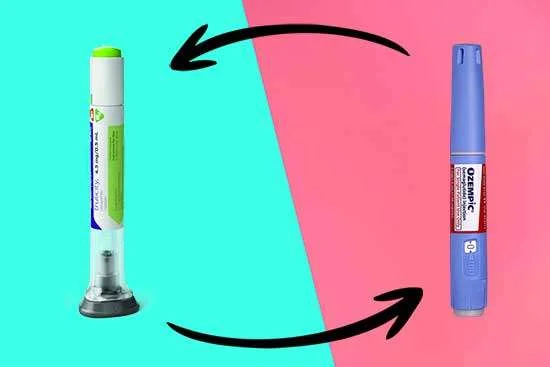
If you experience severe side effects from newer antidiabetic medications like Ozempic, your doctor may recommend a milder alternative such as Trulicity. Trulicity contains dulaglutide, which is generally considered less potent than semaglutide (Ozempic). Many patients use it to manage their blood sugar levels because it causes more tolerable gastrointestinal side effects. If you’re considering switching medications, this article explains what dulaglutide is, how it works, and its potential side effects to help you decide if it’s right for you.
What Is A Dulaglutide?

Dulaglutide is the active ingredient in Trulicity, a drug used to treat type 2 diabetes and heart conditions. It belongs to a class of medications known as GLP-1 receptor agonists, which work by mimicking the native GLP-1 hormone. This hormone stimulates insulin release after meals to prevent dangerous fluctuations in blood sugar levels. It also slows down digestion, prolonging feelings of fullness and satiety.
There’s no generic version of dulaglutide. It’s sold exclusively under the brand name Trulicity. What makes this drug stand out compared to newer and more potent GLP-1 drugs, such as Ozempic or Mounjaro, is the ease of use.
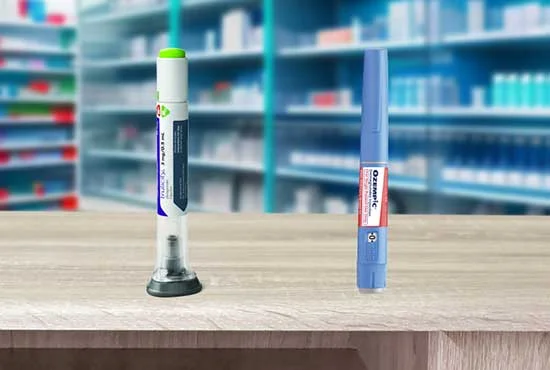
Trulicity comes in a single-use, ready-to-inject pen. You don’t have to dial the dose or handle a separate needle when using it, making it beneficial for patients who are new to injectables or those with dexterity issues. It’s more user-friendly than other GLP-1 pens.
What Is Dulaglutide Used For?
Dulaglutide, sold under the brand name Trulicity, is currently approved for two medical purposes. One is to manage type 2 diabetes in adults and children at least 10 years of age and older. It’s prescribed alongside diet and exercise for controlling blood sugar levels.
The second approved use is to reduce the risk of cardiovascular problems in people with type 2 diabetes. The combination of diabetes and heart disease can be fatal if poorly managed. Trulicity can help prevent major complications, such as heart attack, stroke, or even death, by improving HbA1c levels, weight, body mass index, and other health markers.
Can dulaglutide be used for weight loss? Some doctors may prescribe Trulicity for off-label weight loss. Although its effects are modest compared to Ozempic, some patients may still prefer it because the side effects are easier to manage. Since it was also approved by the FDA in 2014 — more than a decade ago — many insurance plans readily cover it more than newer GLP-1 drugs.
How Does Dulaglutide Work?
Dulaglutide’s mechanism of action is similar to that of other GLP-1 analogs. Trulicity is 90% identical in chemical structure to the body-produced GLP-1, allowing it to work like the natural hormone.
Dulaglutide attaches to GLP-1 receptors in the insulin-producing cells of your pancreas, stimulating the cells to release insulin when your blood sugar levels increase abnormally. It also works by lowering glucagon, the hormone that raises blood sugar. Lastly, it slows down gastric emptying, helping stabilize blood sugar levels after meals. In a nutshell, Trulicity helps boost insulin release when it’s needed, reduces hormones that drive up blood sugar, and slows digestion.
People often compare dulaglutide vs. semaglutide for their glucose-lowering effects. Although they work similarly, their chemical formulation varies. Semaglutide is 94% similar to the chemical structure of endogenous GLP-1, making it more potent than dulaglutide. It’s generally considered more effective in reducing HbA1c levels and promoting weight loss. However, its side effects, such as nausea and vomiting, tend to be stronger as well. That’s why some patients switch from Trulicity to Ozempic.
Dulaglutide Dosage and Administration

Dulaglutide is available in a 0.5 mL solution, provided in single-dose pens, with four dosage strengths: 0.75 mg, 1.5 mg, 3 mg, and 4.5 mg. Here’s what the standard Trulicity dosage schedule looks like for adult patients.
-
- Weeks 1-4: 0.75 mg
- Weeks 5-8: 1.5 mg
- Weeks 8-12: 3 mg
- Weeks 13-onward: 4.5 mg
You typically start with 0.75 mg, the lowest dulaglutide dose. It’s injected once a week in the abdomen, thigh, or upper arm. Each Trulicity pen contains a single dose, meaning four pens cover a month’s supply of medication.
For pediatric patients, the initial dose is also 0.75 mg. After at least four weeks, the doctor increases the dose to 1.5 mg once weekly, which is the maximum recommended dose for children.
Another benefit of Trulicity is its flexible dosing schedule. You can take the dulaglutide injection at your most convenient time, with or without food, as long as you use it on the same day each week. Because the device is user-friendly, many patients self-administer Trulicity at home, while others prefer their doctor or caregiver to give the injection.
If you miss a dose, you can still take the medication as long as there are at least 72 hours or three days until your next scheduled dose. If there is fewer than three days’ interval between two doses, skip the dose and take your next dose on the scheduled date.
Dulaglutide Side Effects and Risks
With dulaglutide, side effects can vary from mild to severe. During the first few weeks of treatment, you may experience the following symptoms.
-
- Nausea
- Vomiting
- Decreased appetite
- Diarrhea
- Abdominal pain
These common adverse reactions affect at least 5% of users. Fortunately, these side effects are usually mild and rarely a cause for concern. Moreover, most patients find them tolerable. The side effects subside once your body has adjusted to the drug’s effects. It may take a few weeks, depending on your body’s response.
In rare cases, dulaglutide may trigger serious risks. Some of the documented severe side effects of Trulicity injections are:
-
- Thyroid C-cell tumors
- Hypoglycemia or severe low blood sugar
- Acute gallbladder disease
- Pulmonary aspiration
- Diabetic retinopathy complications
- Hypersensitivity reactions
- Acute kidney injury
- Severe gastrointestinal adverse reactions
- Acute pancreatitis
If you have a pre-existing condition, be sure to inform your doctor so they can assess the risks. If the benefits outweigh the risks, your healthcare provider may still prescribe Trulicity. However, you should closely work with them to monitor the side effects.
Journal your symptoms, as that can help your doctor assess your risk for complications. Take note when a specific symptom has started and how long it lasted. To avoid serious health outcomes, report every side effect you experience to your doctor. They can adjust the treatment plan accordingly.
Cost of Dulaglutide
How much does dulaglutide cost? In the U.S., the average monthly list price of Trulicity pens is $987.19. For some people, the cost of this drug is comparable to their monthly grocery bill.
Trulicity can be expensive for those without insurance. Its cost is often the reason why many patients are unable to continue their treatment. The price of dulaglutide injections can vary based on factors like insurance coverage, the location of the pharmacy from which you purchase it, and available discount programs.
Besides the cost, drug shortage is another reason for disrupted treatments. It’s no secret that access to dulaglutide and other GLP-1 drugs has become more difficult due to supply chain issues. Some patients wait for months before getting a refill.
One way to save on Trulicity and ensure you have the medication when you need it is to purchase it from a Canadian pharmacy. Online prescription platforms like Buy Canadian Insulin (BCI) offer Trulicity for only $282, saving you $705 every month. BCI offers Trulicity at approximately a third of its retail price in the U.S.
If you’re concerned about receiving your refill on time, we offer express shipping, allowing you to receive your medications within 2-3 business days. Plus, if it’s your first time ordering, use the Trulicity coupon code FIRST10 during checkout to get an extra 10% off. BCI offers affordable medications to thousands of Americans struggling to afford their prescriptions.

Dulaglutide vs. Other GLP-1 Medications
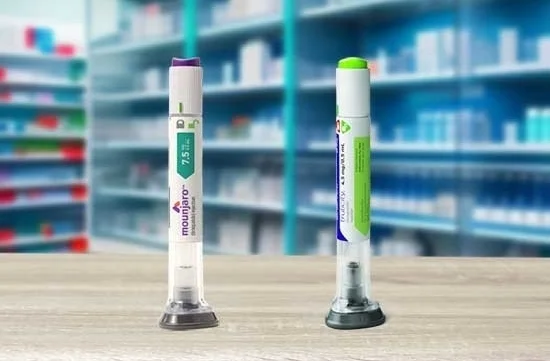
When comparing dulaglutide vs. semaglutide (Ozempic) or other GLP-1 drugs for long-term treatment, you must consider factors, including the price, insurance coverage, and diabetes and weight loss outcomes. Here’s a table that summarizes how Trulicity compares with other antidiabetic medications.
| Drug Names | Average Price in the U.S. | Price from BCI | HbA1c Results | Weight Loss Results |
|---|---|---|---|---|
| Trulicity (dulaglutide) | $1,123 | $282 | Reduced HbA1c by 0.8% from 7.6 % after 26 weeks of taking Trulicity 1.5 mg doses | Reduced weight by 2.3 kg from 92.7 kg, also after 26 weeks |
| Ozempic (semaglutide) | $1,203 | $329.95 | Reduced HbA1c by 1.6 % from 8.1 % in week 30 of taking Ozempic 1 mg doses | Reduced weight by 4.7 kg from 96.9 kg in week 30 of the same dose |
| Mounjaro (tirzepatide) | $1,580 | $559.99 | Reduced HbA1c by 1.7 % from 7.9 % in week 40 of taking Mounjaro 10 mg | Reduced weight by 7 kg from 86.2 kg in week 40 of the same dose |
| Rybelsus (semaglutide pill) | $1,163 | $298 | Reduced HbA1c by 1.4% from 8% after 26 weeks of taking Rybelsus 14 mg | Reduced weight by 3.7 kg from 88.1 kg after 26 weeks of taking the same dose |
Ozempic is a GLP-1 agonist, whereas Mounjaro is a dual GIP and GLP-1 agonist. Rybelsus contains semaglutide, the same active base ingredient as Ozempic, but in pill form. Like Trulicity, they’re both approved by the FDA for type 2 diabetes, but are also used for other off-label purposes.
There’s no denying that newer GLP-1 analogs are more effective for diabetes and weight loss, as demonstrated by clinical trials. However, if price is a concern, Trulicity may be a more sustainable treatment option if you fully pay out of pocket for your monthly prescriptions.
Storage and Handling of Trulicity
Trulicity is a temperature-sensitive medication. You can keep unopened pens in their original carton and refrigerate them at 36°F to 46°F (2°C to 8°C). If you need to use a pen, you can thaw it and leave it at room temperature not exceeding 86°F (30°C) for 14 days. Never freeze Trulicity, as freezing breaks down the drug and makes the pens unusable.
When traveling, use an insulated travel case with ice packs to store your dulaglutide pens. These specialized bags can maintain the right temperature for your medication. As soon as you arrive at your hotel, transfer the pens to a refrigerator.
These Trulicity refrigeration requirements should be followed to preserve the quality of your injections.
Drug Interactions and Contraindications
Since dulaglutide delays stomach emptying, it can reduce the effectiveness of other oral medications. If you’re taking supplements, oral contraceptives, or other drugs for health maintenance, let your healthcare provider know so they can assess potential interactions.
Doctors don’t recommend Trulicity in people with medullary thyroid carcinoma (MTC) and multiple endocrine neoplasia syndrome type 2 (MEN 2). Discuss your medical history with your doctor during the consultation so that they can measure possible health risks. Pregnant women may use dulaglutide injections only when the benefits are greater than the risks to the fetus.
Articles you may also be interested in
Dulaglutide Can Help Manage Type 2 Diabetes
Dulaglutide is a once-weekly injection approved by the FDA to manage type 2 diabetes and reduce the risk of complications in individuals with heart disease that co-occur with diabetes. It’s sold under the brand name Trulicity and belongs to a class of drugs known as GLP-1.
Using dulaglutide for diabetes can lead to mild to moderate side effects, such as nausea and vomiting. On rare occasions, serious risks like hypoglycemia, acute kidney injury, and gallbladder disease can occur.
During your check-up, discuss your medical history with your healthcare provider so they can determine whether Trulicity or another treatment is best for you.
Frequently Asked Questions
Original Publish Date: 3/20/2024 – Updated 8/22/2025


