
Over the recent years, the treatment for type 2 diabetes has advanced from oral medications to newer innovations focused on injectable treatments. Previously common and still widely used therapies include biguanides, such as metformin, sodium glucose co-transporter 2 (SGLT2) inhibitors, DPP-4 inhibitors, and sulfonylureas, which are oral medications focused on decreasing glucose levels for patients with type 2 diabetes. However, with more recent advancements, GLP-1 receptor agonists have become a major breakthrough therapy, demonstrating success in improving glycemic control, reducing cardiovascular risks, and decreasing weight for patients.
A key component of most GLP-1 receptor agonists is their once-weekly or daily injectable administration. Specifically, for Trulicity, it is a once-weekly subcutaneous injection that should be injected into specific areas of the body where there is sufficient fatty tissue. Therefore, administering Trulicity correctly is essential to ensure optimal absorption and minimize discomfort or complications. By properly understanding injection technique, it can help enhance the medication’s effectiveness and increase confidence and adherence for patients who may be hesitant to use needles. This guide will provide insight on how to properly inject Trulicity and what to be aware of before using the device to enhance both safety and treatment outcomes.
What is Trulicity?
Trulicity, also known as dulaglutide, is a long-acting GLP-1 receptor agonist that was approved by the FDA in September 2014 for the treatment of type 2 diabetes and to reduce major cardiovascular risks in high-risk population groups. It is administered as a subcutaneous injection once weekly. It works directly by mimicking the GLP-1 hormone to decrease gastric emptying, slow digestion, and increase satiety. A key highlight of GLP-1 receptor agonists’ mechanism of action is their ability to stimulate insulin secretion only when glucose is elevated, which mitigates the risk of hypoglycemia. By doing so, Trulicity has shown effectiveness in reducing weight and blood sugar levels safely in these patient populations.
Trulicity should be taken on the same day each week with or without food and as directed on the prescription label. For many patients, due to Trulicity’s once-weekly administration, increased adherence and convenience have been demonstrated, making it effective for the management of type 2 diabetes compared to daily therapies.
Where to Inject Trulicity: Primary Injection Sites
Trulicity is administered as a subcutaneous injection, meaning it is injected under the skin. The primary locations to inject Trulicity include:
- Abdomen (two inches away from the belly button)
- Outer thigh
- Back of the arm

Tips for Site Selection
If you are unsure which site may be most suitable for you, it is possible to discuss this with your healthcare provider to help determine which site works best. Also, there are some other tips to consider when determining a site:
- If using the back of your upper arms, another person should give the injection.
- The injection site should be changed/rotated each week.
- If the same injection area is chosen, make sure not to give it in the exact same location as before.
- Avoid areas with stretch marks, bruises, scars, skin infections, rashes, or hard lumps
How to Inject Trulicity Step-by-Step
Since Trulicity is a subcutaneous injection, the process may feel daunting for some patients. However, with proper instruction and guidance, Trulicity can easily be incorporated into patients’ once-weekly regimen.
- Uncap the pen by pulling the base cap straight off. Throw the base cap away. (The pen should be locked)
- Locate the injection site. Place the clear base flat against the skin.
- Unlock the pen by turning the lock ring.
- Press and hold the injection button. A loud click will be heard. The button should be held firmly against the skin for 5-10 seconds until a second click is heard or once the gray plunger is visible.
- Remove the pen from your skin.
Trulicity Administration Do’s and Don’ts
| Do’s | Don’ts |
|
|
Articles you may also be interested in

Trulicity Strengths and Doses per Pen
Before starting Trulicity, it is important to understand the variety of strengths and doses that each pen may have. The potential strengths and doses per single-dose pen are as follows:
- 0.75 mg/0.5mL solution
- 1.5 mg/0.5mL solution
- 3 mg/0.5mL solution
- 4.5 mg/0.5mL
It is recommended that adults start with the 0.75 mg dose injected subcutaneously once every week. The dose can be titrated up in 1.5 mg increments after each 4-week interval based on the patient’s tolerability and additional glycemic control needs. It is recommended not to exceed 4.5 mg once weekly.
How to Know Which Trulicity Dose You’re Using
To determine which Trulicity dose you are using, the pen label is a good place to start to check which specific dosage it contains. Before using the pen, it is essential to always double-check the label to ensure it is the correct dosage that you were originally prescribed. Apart from the label, each Trulicity pen may vary in color depending on the dosage. For instance, the 0.75 mg dose pen is yellow, the 1.5 mg dose pen is blue, the 3.0 mg dose pen is grey, and the 4.5 mg dose pen is green.
Common Side Effects of Trulicity
When first starting on Trulicity, it is important to be aware of the frequent adverse effects that patients may experience. The most common side effects include nausea, diarrhea, vomiting, abdominal pain, and decreased appetite. Patients are more likely to experience these effects when first starting out on Trulicity or after increasing the dose. Injection-site discomfort may also be a frequent side effect for patients that can diminish over time with increased confidence and comfort. Less frequently, patients may experience dizziness, mild tachycardia, infections, headaches, and indigestion. It is advised to start slow and titrate up when first starting Trulicity to help mitigate these effects. Additional recommendations include staying hydrated, eating small and more frequent meals, and avoiding strong smells.
Benefits of Using Trulicity
Trulicity is a GLP-1 receptor agonist that presents many benefits for patients with type 2 diabetes. The most notable benefits from these medications include:
- Improved glycemic control
- Reduced risk of major adverse cardiovascular events
- Weight loss
- Improved adherence
- Convenient dosing
These advantages have made the use of GLP-1 receptor agonists, such as Trulicity, extremely favorable to patients and have shown great success in the management of type 2 diabetes.
Trulicity Administration Comparisons
Trulicity vs Wegovy
Trulicity and Wegovy are both GLP-1 receptor agonists that are injected subcutaneously once weekly. Trulicity is indicated for the treatment of type 2 diabetes and cardiovascular risk reduction, while Wegovy is indicated for chronic weight management. They both are prefilled single-dose pens with attached needles that are injected either into the abdomen, thigh, or upper arm. Patients may experience injection-site discomfort when first administering these medications. However, the major difference between the two is that Trulicity requires minimal titration, making it typically easier for patients to initiate. Whereas, for Wegovy, it is recommended that it be gradually titrated to help control side effects. Also, when injecting Wegovy, it is important to know that the needle cover will automatically lock once the pen is removed from the skin. This means that once the injection is removed, it cannot be restarted. For the most part, these medications both demonstrate similar administration regimens and effects with minor differences in their dosing schedules and needle designs.
Trulicity vs Victoza
Both Trulicity and Victoza are GLP-1 receptor agonists used for the treatment of type 2 diabetes. They are both subcutaneous injections into the abdomen, thigh, or upper arm via prefilled pens. However, a major difference is present between their dosing schedules. For Trulicity, it is given once weekly, while for Victoza, it is given once daily. Considering their differences in dosing frequency, it is an extremely important administration aspect to consider when deciding on a GLP-1 receptor agonist and convenience for the patient. Also, Trulicity is for single use only, includes the needle, and should not be primed before use. For Victoza, it differs as a multi-dose pen which does not include needles and must be primed prior to administration. For both, it is important that the injection site be rotated to prevent the loss or abnormal buildup of fat in certain areas.
Alternatives to Trulicity
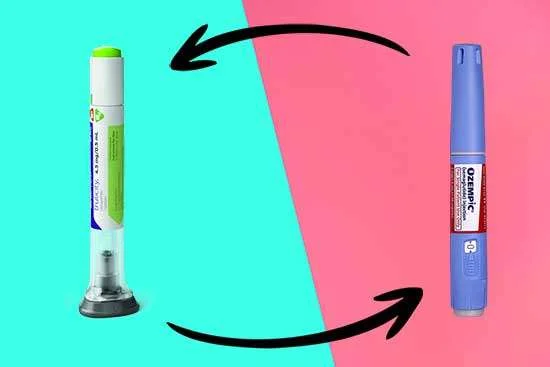
Besides Trulicity, there are currently many other GLP-1 receptor agonists on the market that have demonstrated similar efficacy for patients. The long-acting agents that are administered similarly with once-weekly dosing include Bydureon (exenatide), Ozempic (semaglutide), and Mounjaro (tirzepatide). In comparison, there are short-acting agents such as Byetta (exenatide), which is administered twice daily, and Victoza (liraglutide), Adlyxin (lixisenatide), and Rybelsus (semaglutide), which are taken once daily.

Final Thoughts on Trulicity Injections
Overall, Trulicity injections are a once-weekly subcutaneous injection that is prefilled, single-use pens. Compared to other GLP-1 injections, Trulicity offers some additional benefits, such as enhancing adherence and convenience for patients. It is self-administered only once a week and is easily accessible and ready to use for patients, making it a favorable option. Trulicity is available in a 0.75 mg, 1.5 mg, 3 mg, or 4.5 mg dose, and it requires patients to typically start low and titrate based on their individual glycemic responses and to avoid unwanted common gastrointestinal effects. Before starting Trulicity, it is important to discuss the potential risks of using GLP-1 injections prior to use. Ultimately, having the right knowledge and creating a proper medication plan can allow Trulicity to be an extremely useful option for patients to successfully reach their health goals for managing type 2 diabetes.


