
Mounjaro (tirzepatide) is not an over-the-counter medicine and must be prescribed by a licensed healthcare professional. This requirement ensures proper safety monitoring, appropriate dose escalation, and careful evaluation of contraindications and existing conditions. They may assess factors such as your kidney function, gastrointestinal health, and reproductive considerations before prescribing.
With more than 135 recognized medical specialties and subspecialties in the US, it can be confusing which professionals are qualified to prescribe Mounjaro. This article outlines who can prescribe Mounjaro in the US and provides practical guidance on telehealth and online options.
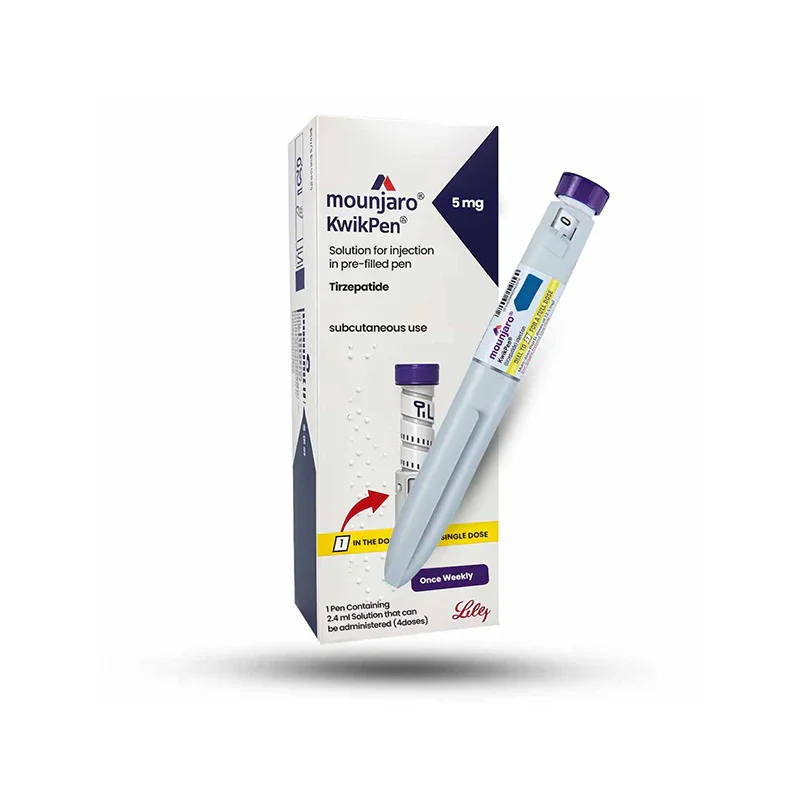
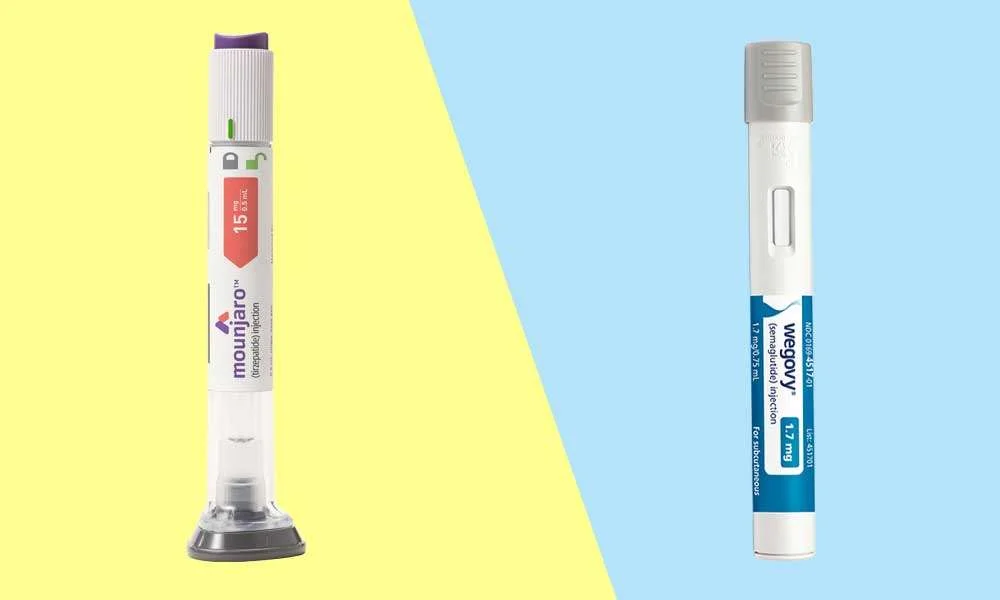
Approved indications and differences between Mounjaro and Zepbound
The FDA regulates medications to ensure safety and efficacy. Mounjaro is approved as an adjunct to diet and exercise to improve glycemic control in adults with type 2 diabetes. It is not approved for use in type 1 diabetes and should only be used by the person for whom it is prescribed.
In November 2023, the FDA approved Zepbound, another tirzepatide product, for chronic weight management in adults with a BMI of at least 30 or a BMI of 27 with at least one weight-related condition. It must be used alongside a reduced-calorie diet and increased physical activity.
Although Mounjaro and Zepbound contain the same active ingredient, they carry different labels. Mounjaro is for glucose control, and Zepbound is for weight management. This distinction is important because insurance coverage usually follows approved indications and because manufacturers discourage using Mounjaro for cosmetic weight loss.
Off-label weight-loss use
Off-label prescribing is a practice where a licensed healthcare professional uses an FDA-approved medication for a condition not listed on the official label.
Mounjaro is not approved for weight management, yet it has shown significant weight-loss benefits in patients without diabetes, ranging from 16.5% to 22.4% of their body weight over 72 weeks at doses of 5 mg to 15 mg. Prescribers may consider it when other interventions have failed.
Government health agencies note that off-label uses include:
-
- prescribing a drug for a different condition,
- for longer than approved, or
- in combination with other drugs
If you’re considering Mounjaro for weight loss, ask your provider to discuss risks and alternatives.
Who can prescribe Mounjaro?

Under US law, the ability to prescribe medications is tied to licensure and scope of practice. Many types of healthcare providers may prescribe tirzepatide if it is appropriate for the patient and if they follow state regulations and professional guidelines.
1. Primary care physicians (MD and DO)
Medical doctors (MDs) and doctors of osteopathic medicine (DOs) complete medical school, residency, and licensing exams.
MDs practice allopathic medicine, diagnosing and treating conditions using conventional tools such as medications and surgery. DOs have similar training but emphasize holistic care and musculoskeletal manipulation. Both MDs and DOs have the same responsibilities and rights, including the ability to prescribe medicine.
In 2017, primary care physicians (PCPs) and internists accounted for 57.9% of obesity medication prescriptions. Semaglutide (Wegovy) comprised about 28% of their prescriptions, and tirzepatide (Zepbound) about 16.5%.
These providers can evaluate your medical history, order baseline labs (such as HbA1c and kidney function), counsel you on lifestyle changes, and monitor for side effects. They may also decide to refer you to a specialist for more complex cases.
2. Endocrinologists
Endocrinologists specialize in hormonal disorders, including diabetes, thyroid disease, and metabolic syndrome. They are experts in GLP-1 and GIP/GLP-1 therapies and understand the nuanced effects of medications like Mounjaro.
Endocrinologists account for only about 4% of weight-loss drug prescriptions, partly because there are fewer specialists compared with primary care providers. However, their deep knowledge can be especially valuable if you have complicated metabolic conditions, previous medication failures, or multiple endocrine disorders.
They may also help you navigate insurance pre-authorization for Zepbound if Mounjaro is denied for off-label weight loss.
3. Obesity medicine specialists and bariatric physicians
Obesity medicine specialists and bariatric physicians are doctors who obtain additional training in diagnosing and treating obesity. They design individualized treatment plans that combine nutrition counseling, physical activity, and pharmacotherapy.
They also monitor side effects, adjust dosing, and coordinate care with dietitians, psychologists, and exercise specialists. Although any licensed doctor can prescribe Mounjaro, working with an obesity medicine specialist often improves outcomes.
4. Cardiologists and other specialists
Tirzepatide has also been shown to improve cardiovascular risk factors, including weight, blood pressure, and lipid levels. As a result, some cardiologists and other specialists, such as nephrologists or hepatologists, may prescribe Mounjaro for patients whose cardiometabolic conditions require aggressive intervention.
Cardiologists prescribed very few obesity medications, declining slightly from 0.6% in 2017 to 0.5% in 2024, while other specialists dropped from 10.9% to 5.6%.
In one Reddit thread, many shared positive experiences with cardiologists who support or recommend Mounjaro. Several users said their cardiologists were excited or thrilled about them starting the medication, often emphasizing its potential to improve heart health, blood pressure, and metabolic markers. Some even reported being able to reduce or stop medications for blood pressure, cholesterol, or diabetes under their cardiologist’s supervision.
Comment
byu/HotHoneyBiscuit from discussion
inMounjaro
5. Gastroenterologists
Because Mounjaro’s most common adverse effects are gastrointestinal, such as nausea, vomiting, diarrhea, constipation, and reflux, gastroenterologists may be involved in prescribing and managing these medicines. They can also screen for conditions like gastroparesis, which may worsen with GLP-1 therapy.
According to John Morton, MD, MPH, chief of Bariatric and Minimally Invasive Surgery at Yale Medicine and a board-certified obesity medicine specialist, your prescribing doctor should be someone you can maintain a long-term partnership with.
6. Nurse practitioners (NPs)
Nurse practitioners (NPs) are advanced practice registered nurses who complete graduate education and clinical training beyond their registered nurse (RN) credentials. According to a qualitative study of US primary care practices, their responsibilities may include:
-
- examining patients
- diagnosing and treating medical conditions
- prescribing medications
- ordering diagnostic tests
In the same study, nurse practitioners reported finding it rewarding to prescribe GLP-1 receptor agonists because patients lost weight and improved quality of life.
Many NPs write a sizable share of obesity-drug prescriptions. Research estimates that nurse practitioners and physician assistants account for about 40% of weight-loss medication prescriptions.
However, prescriptive authority for NPs varies by state. In some states, NPs have full practice authority and can prescribe medications independently, similar to physicians. In others, their prescribing is more limited and may require collaboration or supervision from a physician.
According to 2023 data, there are 22 states that grant full authority, 16 require collaborative agreements, and the remaining states mandate physician oversight, particularly for controlled substances.
7. Physician assistants (PAs)
Physician assistants complete graduate-level training and practice medicine under the supervision of a physician. Like nurse practitioners, PAs have prescriptive authority that varies by state. NPs generally have broader prescribing authority than PAs, especially in states that allow full practice.
PAs often work in primary care, endocrinology, and obesity clinics, where they evaluate patients, order tests, and prescribe medications, including Mounjaro. Because they collaborate closely with supervising physicians, patients receive combined expertise.
8. Telehealth providers and online clinics
Telemedicine expanded dramatically during the COVID-19 pandemic and remains a convenient option for chronic disease management. However, telehealth prescribing still follows important requirements. The main requirements are as follows:
-
- State licensure – Health professionals must be licensed or otherwise permitted to practice in the state where the patient is located. Some states participate in interstate licensure compacts, but most require the provider to hold an active license in the patient’s state. Make sure to confirm that the telehealth provider is legally allowed to practice in your state.
-
- Valid provider-patient relationship – The provider must establish a relationship with the patient via a telehealth visit that includes reviewing medical history and, if needed, ordering lab tests. Telehealth services like those offered by recognized clinics may require an in-person exam or lab work before prescribing.
-
- Legitimate pharmacies – When filling an online prescription, patients should use a state-licensed pharmacy. Experts warn that unapproved forms of tirzepatide are appearing online and urge patients to work with a trusted, licensed prescriber and pharmacy.
-
- Beware of compounding – The FDA notes that compounded tirzepatide products may be essentially copies of the commercially available drug and may contain impurities or incorrect doses. Compounding is only allowed under strict conditions and is not considered safe for routine use. It’s best to avoid unverified telehealth programs that provide compounded tirzepatide.
Many telehealth companies advertise weight-loss programs with GLP-1 medications. While legitimate telehealth providers can be an option, ensure the prescriber is qualified, follows state laws, and provides follow-up care. Be cautious of companies promising rapid weight loss without medical supervision.
Who cannot prescribe Mounjaro?
Only licensed medical professionals with prescriptive authority can write a Mounjaro prescription.
Health coaches, nutritionists, personal trainers, and wellness consultants without a medical license cannot legally prescribe medications. Even some licensed professionals, such as surgeons in unrelated fields or physicians at med-spas, technically can prescribe but may not have the expertise to manage obesity medication safely. Choosing a provider with experience in diabetes or obesity care helps ensure proper dosing, monitoring, and lifestyle counseling.
Practical considerations when getting a Mounjaro prescription
Getting a Mounjaro prescription involves a few steps, requirements, and decisions that can affect how quickly and easily you get approved. Here’s what you need to know before you start.
Assess candidacy and goals
Before seeking Mounjaro, evaluate whether it aligns with your health goals. If you have type 2 diabetes, Mounjaro may help lower HbA1c and promote weight loss. If you are seeking weight management and meet the BMI criteria, Zepbound is the FDA-approved tirzepatide product.
Some physicians may prescribe Mounjaro off-label for weight loss when Zepbound is not available or covered.
Discuss risks and contraindications
Health professionals will review your medical history and discuss potential risks. Mounjaro carries warnings for thyroid tumors, gastrointestinal conditions, and possible kidney injury due to dehydration. It should not be used if you or a family member has medullary thyroid cancer or MEN 2. Your provider should also review other medications to avoid interactions.
Prepare for ongoing monitoring
Starting Mounjaro is not a one-time event. Providers typically schedule follow-up visits every three to four months to adjust the dose, monitor weight, assess side effects, and review lab results. You may need more frequent visits during dose escalation. Telehealth follow-ups are possible, but some labs and physical assessments might require in-person visits.
Coordinate insurance coverage
Insurance coverage for Mounjaro depends on the indication. Because Mounjaro is approved for type 2 diabetes, people without diabetes who request it for weight loss often face coverage denials.
On the other hand, coverage for Zepbound is based on meeting BMI criteria and weight-related comorbidities. There is also prior authorization, which typically requires documentation of lifestyle interventions and weight-related conditions. Healthcare providers experienced in insurance navigation can help advocate for coverage or suggest alternative medications.
Beware of unapproved sources
Supply shortages of GLP-1 medications have led to an increase in compounded or counterfeit tirzepatide. Eli Lilly, the manufacturer, warns that some products marketed as compounded tirzepatide have contained bacteria, high impurity levels, or even sugar alcohol instead of the active ingredient.
Bottom line
Only licensed healthcare professionals can prescribe Mounjaro. Primary care doctors, endocrinologists, obesity medicine specialists, and advanced practice clinicians, such as nurse practitioners and physician assistants, all have roles in prescribing and monitoring Mounjaro.
Telehealth services offer convenience but require due diligence regarding provider licensure and pharmacy quality.
If you are considering Mounjaro for diabetes or weight management, start with a conversation with a trusted healthcare professional who can evaluate your situation, discuss risks and benefits, and help you with insurance and follow-up care. Remember that any medication works best when paired with sustainable lifestyle changes and ongoing medical supervision.
Frequently Asked Questions
Articles you may also be interested in



Sources
Berning, P., Adhikari, R., Schroer, A. E., Jelwan, Y. A., Razavi, A. C., Blaha, M. J., & Dzaye, O. (2025). Longitudinal analysis of obesity drug use and public awareness. JAMA Network Open, 8(1), e2457232. https://doi.org/10.1001/jamanetworkopen.2024.57232
Farzam, K., & Patel, P. (2024, February 20). Tirzepatide. StatPearls – NCBI Bookshelf. https://www.ncbi.nlm.nih.gov/books/NBK585056/
Cho YK, La Lee Y, Jung CH. The Cardiovascular Effect of Tirzepatide: A Glucagon-Like Peptide-1 and Glucose-Dependent Insulinotropic Polypeptide Dual Agonist. J Lipid Atheroscler. 2023 Sep;12(3):213-222. doi: 10.12997/jla.2023.12.3.213. Epub 2023 Jul 19. PMID: 37800107; PMCID: PMC10548186.
MacMillan, C. (2026, February 24). GLP-1 medications for weight loss: How to get started. Yale Medicine. https://www.yalemedicine.org/news/glp-1-medications-for-weight-loss-how-to-get-started
Sharkey, L. (2025). Anti-obesity drugs for the gastroenterologist. Frontline Gastroenterology, 16(4), 321–329. https://doi.org/10.1136/flgastro-2024-102995
Tolvanen L, Mossberg K, Grace LM, Standen EC, Phelan SM, Andersson DP, Koball AM. Primary Care Providers Perspectives of GLP-1 Receptor Agonists to Manage Recurrent Weight Gain after Metabolic Bariatric Surgery – a Qualitative Study. Obes Surg. 2026 Jan;36(1):193-203. doi: 10.1007/s11695-025-08408-0. Epub 2025 Nov 26. PMID: 41299124; PMCID: PMC12852154.
Zhang, P., & Patel, P. (2023, November 13). Practitioners and prescriptive authority. StatPearls – NCBI Bookshelf. https://www.ncbi.nlm.nih.gov/books/NBK574557/


