Diabetes is a condition that requires long-term care. It affects millions of people around the world across all genders and ages. If left untreated, fatal health complications may occur. That’s why learning how to spot the signs, both those obvious and often overlooked diabetes symptoms, is critical in managing the disease and, in some cases of Type 2 Diabetes, putting it into remission.
What Can Be Mistaken for Diabetes?

It’s tricky to diagnose diabetes because it shares its common symptoms with other conditions. Some of these signs can include:
- Fatigue: It’s a common feature of a wide range of health conditions, including depression and sleep disorders.
- Numbness in the hands and feet: This symptom can happen for a few reasons, such as kidney failure, beriberi syndrome, and carpal tunnel syndrome.
- Frequent urination: You may increase toilet frequency because of drinking too much caffeine, urinary tract infections, or urethra or bladder issues.
- Mood changes: Besides fluctuating sugar levels, mood swings can also happen in those with thyroid disorders, depression, and sleep problems.
- Thyroid disorders: Both diabetes and thyroid diseases occur when the endocrine system fails. They’re also associated in a way that thyroid disorders coexist in about 13.4% of people living with diabetes.
How do doctors differentiate diabetes from other conditions? They make sure to conduct a series of blood examinations that are sometimes repeated and medical history reviews to diagnose diabetes with confidence.
What Are the 10 Warning Signs of Diabetes?
Some indications of diabetes can appear seemingly minor. However, they can develop and worsen over time, especially in the case of Type 2 diabetes, which affects about 1 in 10 Americans.
Below are 10 subtle signs of diabetes and when they can be considered red flags.
- Increased thirst: You drink 4 liters of water daily but still feel dehydrated.
- Frequent urination: You wake up in the wee hours more than two times to go to the bathroom.
- Extreme hunger: You feel hungry even after having a meal.
- Fatigue or nausea: You’re too tired to do your daily tasks. Exhaustion can increase feelings of nausea, one of the common diabetes symptoms.
- Blurred vision: Your eyes go in and out of focus.
- Increased skin infections and slow healing of wounds: Minor cuts or bruises take abnormally long to heal.
- Numbness in the feet: Excessive sugar can harm nerve endings, so you may feel tingling or numbness in your feet, especially upon waking up.
- Itchy skin: Your skin is more sensitive to itching or dryness.
- Mood shifts: You feel sad, angry, depressed, anxious, and irritable.
- Urinary tract infection and yeast infections: You experience itching in the vaginal area, and urinating is painful.
These subtle diabetes symptoms don’t significantly affect your daily activities and quality of life. You can go on with your day like any other normal day. For this reason, these minor issues are often ignored until they worsen. Early detection of diabetes is critical in managing or reversing it.
Type 1 vs. Type 2 vs. Type 3 Diabetes Symptoms

Type 1, Type 2, and Type 3 diabetes symptoms vary in a few ways. One example is the pace at which the signs come and progress.
Type 1 Diabetes Symptoms
Type 1 diabetes can occur at any age but is more commonly diagnosed in children and adolescents. After a medical confirmation, symptoms like excessive thirst develop rapidly in just several weeks. Meaning, your condition can quickly turn into a health nightmare shortly after being diagnosed.
Type 2 Diabetes Symptoms
Meanwhile, Type 2 diabetes symptoms develop like a leaky faucet, with slow drips that are barely noticeable at first. For example, you feel more tired than usual but ignore it, thinking it’s normal. This slow disease progression is often the cause of a late diagnosis. Over time, these slight problems cause serious health damage.
Type 3 Diabetes Symptoms
Many people may not be aware but Type 3 diabetes isn’t officially recognized as a clinical diagnosis within the medical community. It’s a term that’s been increasingly used to describe Alzheimer’s disease, a brain disorder linked with diabetes.
Dr. Jack Wands and Dr. Suzanne de la Monte of Brown University proposed to use the term “Type 3 diabetes” for Alzheimer’s disease after determining it could be a brain-specific form of diabetes. They discovered Alzheimer’s was strongly associated with insulin resistance, which could be a key predictor of cognitive decline.
Type 3 diabetes symptoms encompass signs of memory loss and decline, which may include the following:
- Confusion
- Disorientation
- Changes in personality
- Agitation and anxiety
- Problems with concentration
- Decline of impulse control
- Memory lapses or forgetfulness
- Lack of judgment and disorganized thoughts
Alzheimer’s disease is a progressive condition that worsens with time. Like Type 1 and Type 2 diabetes, it has no cure. However, early interventions, a healthy diet, and positive lifestyle shifts can help delay the pace at which the symptoms develop.
 Recommendation
Diabetes Symptoms In Women vs. Men vs. Seniors
Diabetes affects each person differently. Therefore, manifesting signs can vary between gender, age, type, and co-occurring health conditions.
Early Signs of Diabetes in Women
Besides the typical predictors of sugar imbalance, diabetes symptoms in women can also manifest as yeast infections and weight changes. Women with PCOS (polycystic ovary syndrome) are at an increased risk of developing diabetes.
Yeast Infection
One study found that diabetes weakens your immune system, which makes you more susceptible to oral and vulvovaginal infections.
Yeast infection, also known as candidiasis, is one of the diabetes symptoms that’s hard to manage. Why? Candida, a type of fungus responsible for the infection, forms protective layers around the infected area to resist antifungal medications, making it hard to get rid of.
You must stabilize your sugar levels first to prevent the fungus from interfering with the prescriptions.
Weight Gain
One of the prevalent diabetes symptoms in women is weight gain. This change in body mass index seems to be more common in those with gestational diabetes mellitus (GDM) — a type of diabetes that only develops in expecting women.
GDM is a condition that can affect even those without a prior history of diabetes. You can be healthy but then suddenly acquire diabetes during pregnancy. It has no known cause but is believed to be triggered by hormonal changes during the maternal stage. It affects roughly 8% of pregnancies in the United States.
Based on a study, women with a GDM history (meaning they were diagnosed with the condition in their previous pregnancies) gain an average of 1.10 kilograms of weight in an average of four years. Meanwhile, women without GDM gain about 1.33 kilograms in four years.
Pregnant women with diabetes are likely to become overweight and obese. It’s important to work with a health expert to manage weight problems during critical periods.
PCOS
Polycystic ovary syndrome is a condition that increases the risk of developing type 2 diabetes in women. It happens when small sacs of fluid develop in the ovaries, resulting in infertility and irregular periods. Women with PCOS are resistant to insulin. Their bodies can’t use the hormones more efficiently, which raises their risk of Type 2 diabetes.
PCOS and diabetes are associated with each other. If you’re diagnosed with PCOS, get tested for Type 2 diabetes.
Is there a difference between diabetes symptoms in young women vs older women? There may be slight variations depending on the type. For example, Type 2 diabetes affects more people in the higher age bracket, especially those 45 and above. Since most patients are of childbearing and menopausal age, diabetes symptoms specific to this age range may include:
- Unexplainable weight loss
- Tender gums
- Delayed healing of cuts or sores
- Tingling sensation in the feet or hands
- Polycystic ovary syndrome (PCOS) symptoms, such as irregular menstrual cycles, infertility, and weight gain
- Vaginal yeast infections
Diabetes Symptoms in Men
Men diagnosed with diabetes may exhibit these gender-specific signs:
- Erectile dysfunction: Up to 3 in 4 men living with diabetes may struggle with maintaining an erection, which can considerably impact their sex life.
- Muscle atrophy: Instead of sugar, the body will turn to muscle and fat for fuel, leading to muscle loss.
- Genital thrush: Men can also get yeast infections in their private areas that may result in redness and itching.
Like women, the symptoms of diabetes in young men can differ from those of older men, depending on the diagnosis type. Type 1 diabetes affects more males in the younger population, while Type 2 diabetes is widespread in mature men.
Diabetes Symptoms in the Elderly
Older people may show these signs of insulin abnormalities:
- Dry mouth, cracked lips, and tongue that feels rough
- Gum problems such as swollen, painful red gums
- Blurry vision
- Headaches
- Fainting or dizziness
- Feeling more tired than usual
- Increased appetite and cravings for sugary foods
Aging complicates diabetes in several ways. That’s why older loved ones often demand a higher level of care in managing it and other comorbidities.
Unusual and Overlooked Diabetes Symptoms
Some signs don’t fit the general guidelines for diagnosis that most people consider disease hallmarks. Here are some of them.
1. Nerve Damage
Diabetic neuropathy is one of the complications of diabetes. It’s a condition where unhealthy fluctuations in sugar levels harm the nerves in the feet, legs, arms, and hands. Depending on the type of nerve damage, it can affect your feet, organs, hips, stomach, and eyes.
Diabetes symptoms of nerve damage can include pain in the legs, feet hurting or tingling from “pins and needles,” swollen feet, and other foot problems. Even those with prediabetes can get mild nerve damage.
2. Digestive Issues
Diabetic ketoacidosis (DKA) is another serious condition associated with sugar irregularities. Since your body can’t make enough insulin for energy, it turns to fat as a fuel, breaking it down to sustain your body. The byproduct of this process is ketones. They’re a chemical that makes your blood acidic, which can be fatal if left untreated.
Some of its diabetes symptoms include stomach pain, weakness or fatigue, confusion, and excessive thirst and urination. If DKA worsens, it can impair your body’s ability to stimulate hunger. One consequence of this is your loss of appetite and interest in eating.
3. Oral Symptoms
Chronic unhealthy sugar levels can also impact your oral health. For example, you may notice diabetes symptoms of bleeding gums when brushing your teeth or your mouth feeling more dry. That’s because diabetes reduces your saliva production, resulting in dry mouth that may trigger tooth decay, ulcers, soreness, and an infection called thrush.
4. Fatigue
Will diabetes make you tired? Absolutely. Typical diabetes symptoms include feeling tired. Most people consider exhaustion as normal. That’s why it’s often disregarded. Why does this symptom happen?
The abnormal sugar spikes in your blood compromise how your body processes glucose. When your body is insulin-resistant or can’t make enough of this hormone, your cells’ ability to absorb sugar is impaired. As a result, you feel tired even after having a meal.
What to Do If You Notice Diabetes Symptoms

If you notice the warning signs, see your doctor for a blood test workup to determine your risk. Never overlook the messages your body sends, as time can be your best ally in treating or reversing diabetes.
How is diabetes diagnosed? Blood tests can detect sugar abnormalities and whether you’ll develop diabetes in the future.
- A1C test: This test measures the average sugar volumes in your blood over the past two to three months. A result below 5.7% is considered normal. Prediabetes reading hovers between 5.7-6.4%, while 6.5% and above is considered diabetes.
- Fasting blood sugar test: This test examines the volume of sugar circulating in your blood after you fasted overnight. You have normal sugar levels if the result is 99 mg/dL or below. You’re prediabetic if it shows 100–125 mg/dL. You’re diagnosed with diabetes if it reads 126 mg/dL or above.
- Glucose tolerance test: This checks how efficiently your body can use and store glucose. A volume of 140 mg/dL or below is normal. You’ve crossed the prediabetes mark if it reaches 140-199 mg/dL. You’ll need treatment for diabetes if your reading hits 200 mg/dL or above.
- Random blood sugar test: You can get your blood tested without fasting. You have diabetes if your result is 200 mg/dL or above.
Early diagnosis can increase your chance of minimizing the long-term health consequences of diabetes.
When Diabetes Symptoms Show Up Without High Blood Sugar
Is it possible to experience diabetes symptoms but with normal blood sugar levels? The answer is yes. This condition is called prediabetes. You may assume your sugar levels are healthy because everything feels normal, but you may already have insulin resistance.
With prediabetes, you have higher than normal blood sugar volumes in the blood, but not high enough to be recognized as Type 2 diabetes. You’re likely to develop Type 2 diabetes within 10 years if prediabetes is left untreated.
Prediabetes has no symptoms, so it’s hard to tell if you have insulin problems. Examining your risk factors is one way to determine your likelihood of developing it.
For instance, genetics, a sedentary lifestyle, and a history of heart disease and high blood pressure will probably predispose you to prediabetes and Type 2 diabetes. You’ll know once prediabetes has progressed to Type 2 diabetes when you experience the warming symptoms, like increased thirst and hunger.
How to Manage Diabetes Symptoms Naturally
Although diabetes has the potential to be life-threatening, you can effectively manage it using a combination of approaches that include lifestyle changes and medication.
1. Diet
Ideally, you’d want to reduce your carb intake and lower foods with added sugars and refined grains. The American Diabetes Association suggests adopting the Mediterranean and keto diet for people living with diabetes. Both eating patterns can boost the body’s sugar level control and improve blood test results. A daily plate packed with fresh vegetables, fruits, whole grains, and healthy fats from plants can stabilize fluctuating glucose levels.
2. Exercise
Moving can help restore your body’s normal functions when it comes to handling sugar. Physical activities can also lower your risk of obesity, high blood pressure, and high cholesterol while increasing your good cholesterol levels.
The Centers for Disease Control and Prevention recommends at least 150 minutes of moderate-intensity exercise every week. Daily, it translates to 30 minutes of movement for five days a week.
Whether you run, swim, do yoga or pilates, engaging in fitness activities can make a huge difference in your health.
3. Medications
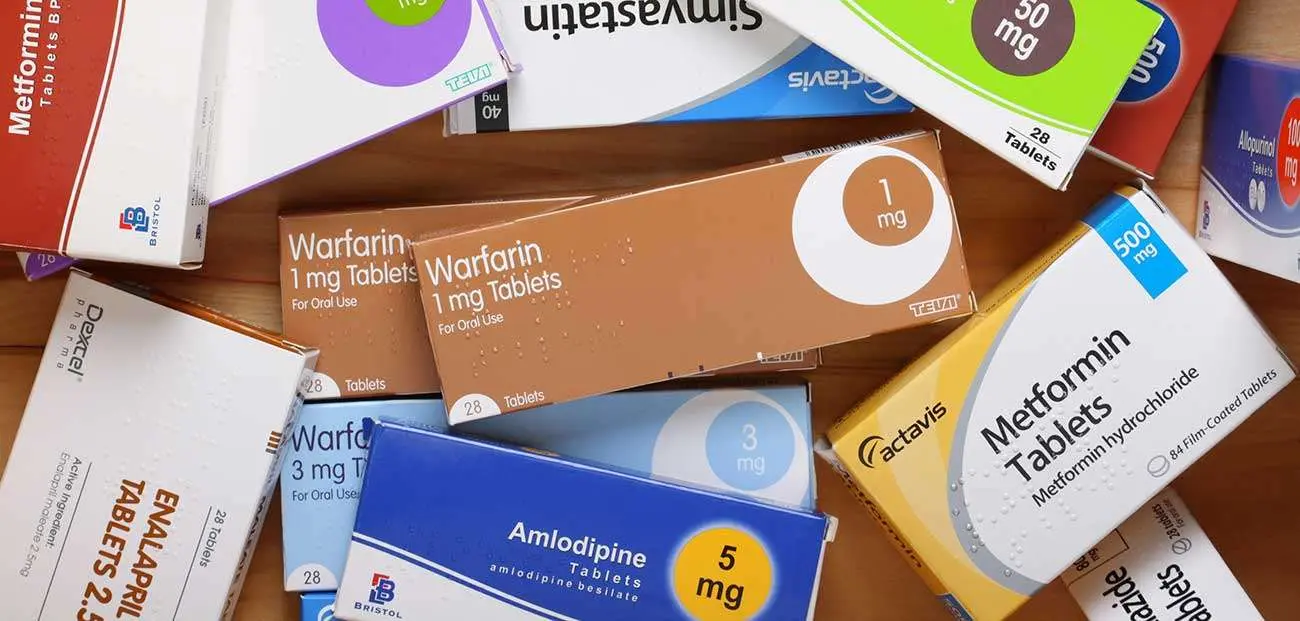
Prescriptions are a part of a diabetes treatment plan as they help keep the symptoms in check.
Type 1 Diabetes Medications
Type 1 diabetes patients don’t produce enough hormones. They need drugs to replenish insulin levels. Commonly prescribed medications include:
- Rapid-acting insulin: Examples include Humalog (insulin lispro), Novolog (insulin aspart), and Apidra (insulin glulisine). They’re often taken before meals and start to work in as little as 15 minutes.
- Short-acting insulin: Humulin R and Novolin R are examples of this type of insulin. They take effect more slowly, about 30-45 minutes after injection, and continue to work for 5-8 hours.
- Intermediate-acting insulin: Examples include Humulin N and Novolin N. After administering, these injectables start working in 1-2 hours and stay in effect for up to 18 hours.
- Long-acting insulin: From the word itself, these medications can stabilize your insulin levels for up to 24 hours or longer. Known brands include Lantus (insulin glargine), Levemir (insulin detemir), and Tresiba (insulin degludec).
Type 2 Diabetes Medications
For those with Type 2 diabetes, doctors may prescribe oral prescriptions, insulin, or non-insulin injectables, depending on the severity of the condition.
- Metformin (Glucophage): Taking this medication can improve insulin sensitivity and regulate glucose production in the liver.
- Sulfonylureas: These are a class of oral antidiabetic medicines that stimulate the pancreas to make more insulin. Some examples include Glucotrol (glipizide), Amaryl (glimepiride), and Diabeta (glyburide).
- SGLT-2 inhibitors: Examples include Jardiance (empagliflozin), Farxiga (dapagliflozin), and Invokana (canagliflozin). They’re a type of drug that lowers sugar levels by getting rid of unnecessary glucose through urine.
- GLP-1 receptor agonists: These are a class of medications that work by mimicking a hormone that lowers blood sugar after eating. Examples include Trulicity (dulaglutide), Victoza (liraglutide), Ozempic (semaglutide), and Byetta (exenatide).
- DPP-4 inhibitors: These drugs raise insulin levels while minimizing glucose production. Common options are Januvia (sitagliptin) and Tradjenta (linagliptin).
- Insulin therapy for Type 2 diabetes: Some patients may be prescribed insulin therapy if their levels go down beyond normal and other medications don’t improve their condition. Premixed insulin formulations like Humalog and Novolog Mix may help in this case.
Articles you may also be interested in



Treat Diabetes Symptoms With the Right Prescriptions
Diabetes requires lifelong treatment since it’s not curable. However, it’s definitely manageable. Your best bet to preserve your quality of life is to get an early diagnosis. When you notice the first signs of sugar imbalance, visit your doctor for a risk assessment. Spotting the disease in its earliest stage will not only increase the effectiveness of treatment options but also reverse Type 2 diabetes.
Frequently Asked Questions